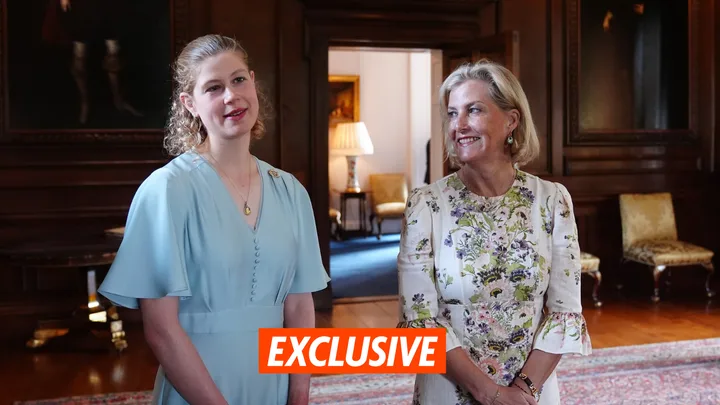
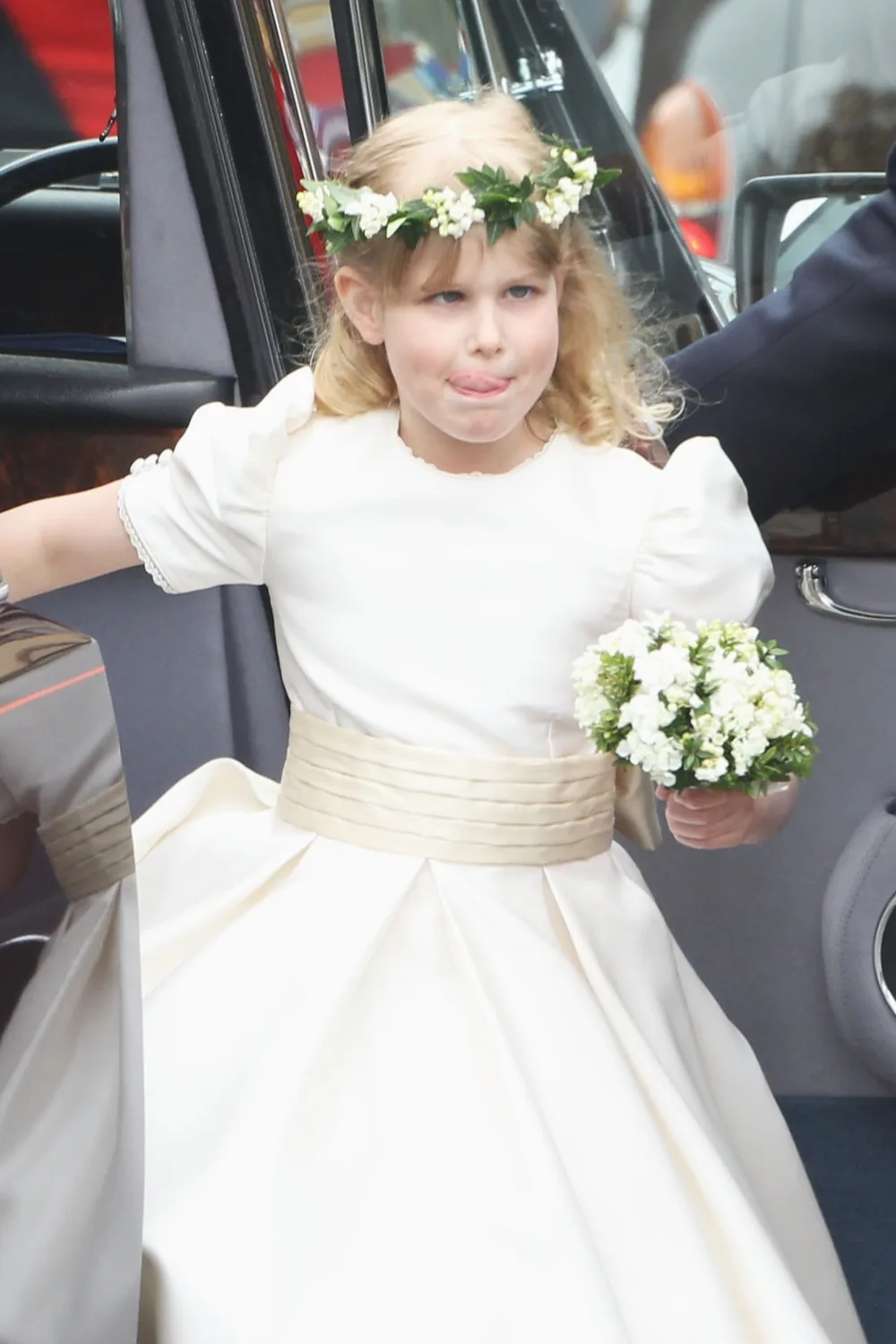
Lady Louise Windsor may only be in her twenties, but she was forced to undergo a shock operation in the early months of her life.
The eldest daughter of Prince Edward and Duchess Sophie recently graduated from St Andrew’s University and is all loved up with boyfriend Felix da Silva-Clamp, but at just 18-months-old, Louise had a surgical procedure done to her eye.
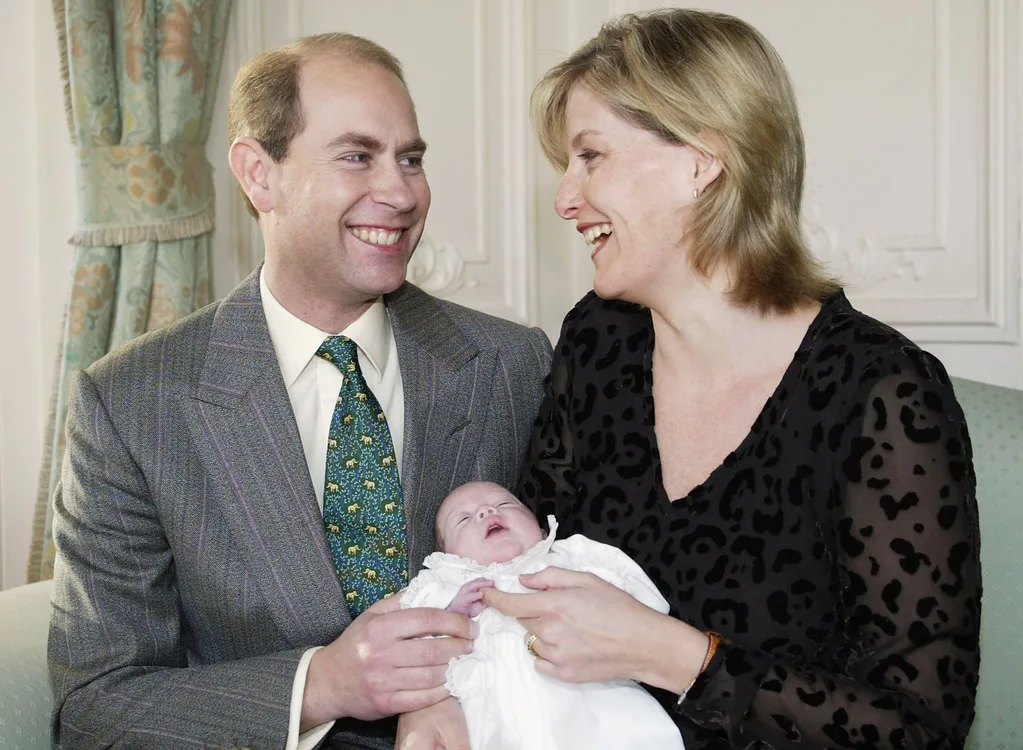
The royal, who turns 23 on November 8, was born prematurely via an emergency C-section and at the time suffered a placental abruption, which caused blood loss in both her and her mother Sophie. As a result, Louise was born with esotropia; a form of the eye disorder strabismus where one or both eyes turn inward.
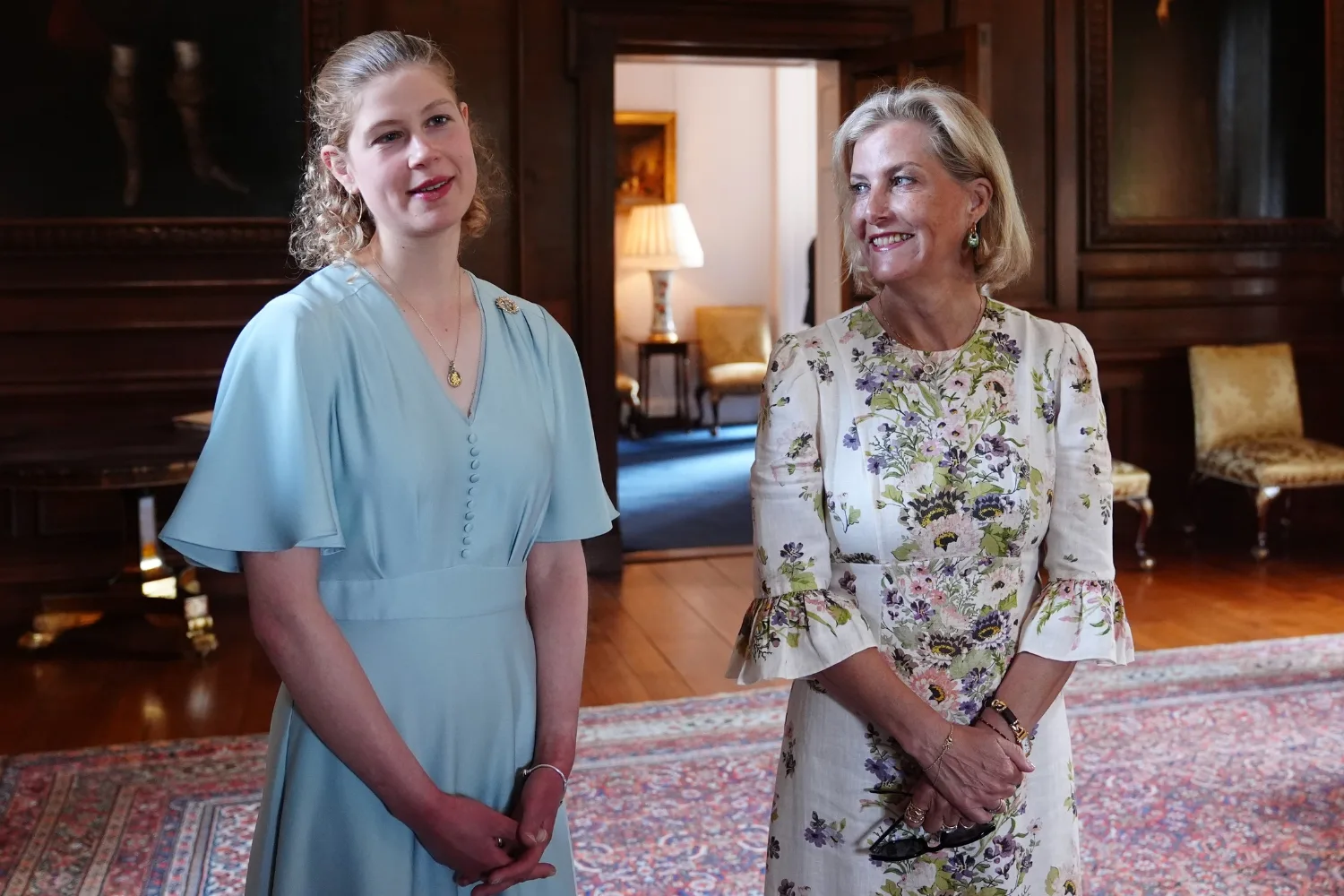
“Premature babies can often have squints because the eyes are the last thing in the baby package to really be finalised,” Louise’s mother Duchess Sophie told The Daily Express in 2015.
“Her squint was quite profound when she was tiny and it takes time to correct it.”
At age 10, Lady Louise went on to have a second procedure.
“You’ve got to make sure one eye doesn’t become more dominant than the other but she’s fine now – her eyesight is perfect,” Sophie added at the time.

What is esotropia?
Globally, strabismus affects approximately 2–4% of children, while Australian research from the Sydney Childhood Eye Disease Study found esotropia in approximately 1.5% of children.
Speaking to New Idea, optometrist Jess Perri, who holds an Advanced Certificate in Children’s Vision, revealed that there are several reasons why a child’s eye may turn inward.
“In some cases, significant long-sightedness causes the eyes to over-converge when focusing, and prescription glasses alone can correct the alignment,” she says.
“In other cases, the eye turn may be due to an underlying eye muscle misalignment that requires surgery. Some children have a combination of both, where glasses correct part of the eye turn, but surgery may be needed to address the remaining misalignment. Premature birth and a family history of strabismus are also recognised risk factors.”
What should parents look out for?
According to Jessica, it’s important for parents to understand that an eye turn isn’t just a cosmetic concern.
“When the eyes aren’t aligned, the brain may start suppressing the image from one eye, which can affect visual development, depth perception and contribute to amblyopia (lazy eye),” she explains, adding that early detection and intervention matters.
“The aim isn’t to just ‘straighten the eyes’, but also to give the developing brain the best opportunity to establish good vision and learn to use both eyes together (binocular vision).
“Parents should look out for an eye turning inward, even occasionally, particularly when their child is tired or concentrating. Unusual head postures, closing one eye or difficulty judging distances can also be signs.
“While occasional eye wandering can be normal in newborns, a persistent eye turn should always be investigated.”

Related stories

Native ad body.

Native ad body.

Native ad body.