

Following the arrest of Andrew Mountbatten Windsor on suspicion of misconduct in public office, the British government is considering introducing legislation to remove him from the royal line of succession.
The former royal was arrested on his 66th birthday on February 19, at his Sandringham home, following his eviction from the Royal Lodge.
He was released from police custody 11 hours after his arrest.
On February 21, Defence Minister Luke Pollard told the BBC that the move to remove him was the “right thing to do”, regardless of the results from the police investigation.
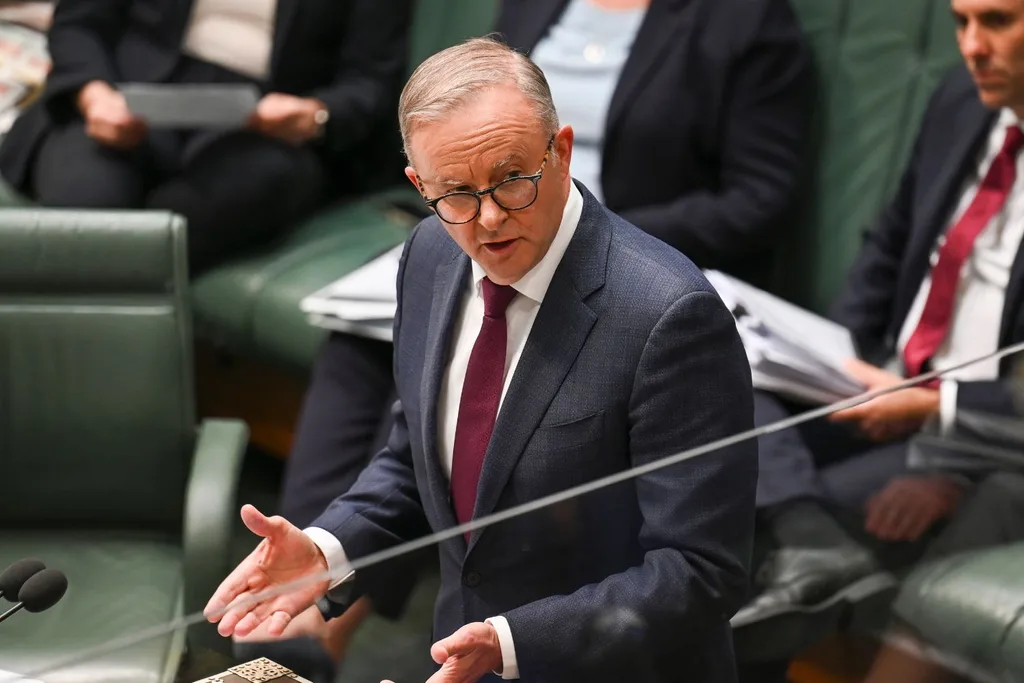
Since then, Anthony Albanese has told Prime Minister Kier Starmer that he backs the government’s plans to do so.
“Dear Prime Minister Starmer, in light of recent events concerning Andrew Mountbatten-Windsor, I am writing to confirm that my government would agree to any proposal to remove him from the line of royal succession,” the Australian Prime Minister wrote in a letter.
“I agree with His Majesty that the law must now take its full course and there must be a full, fair, and proper investigation.”
“These are grave allegations and Australians take them seriously.”
In October, King Charles began the process of stripping his brother of his title as Prince.
On October 30, Buckingham Palace confirmed that the King was in the process of removing his titles, and Andrew would no longer be living at the Royal Lodge.
“Prince Andrew will now be known as Andrew Mountbatten Windsor,” the statement said.
“His lease on Royal Lodge has, to date, provided him with legal protection to continue in residence.”
“Formal notice has now been served to surrender the lease, and he will move to alternative private accommodation.”
It comes after the disgraced royal relinquished his Duke title.
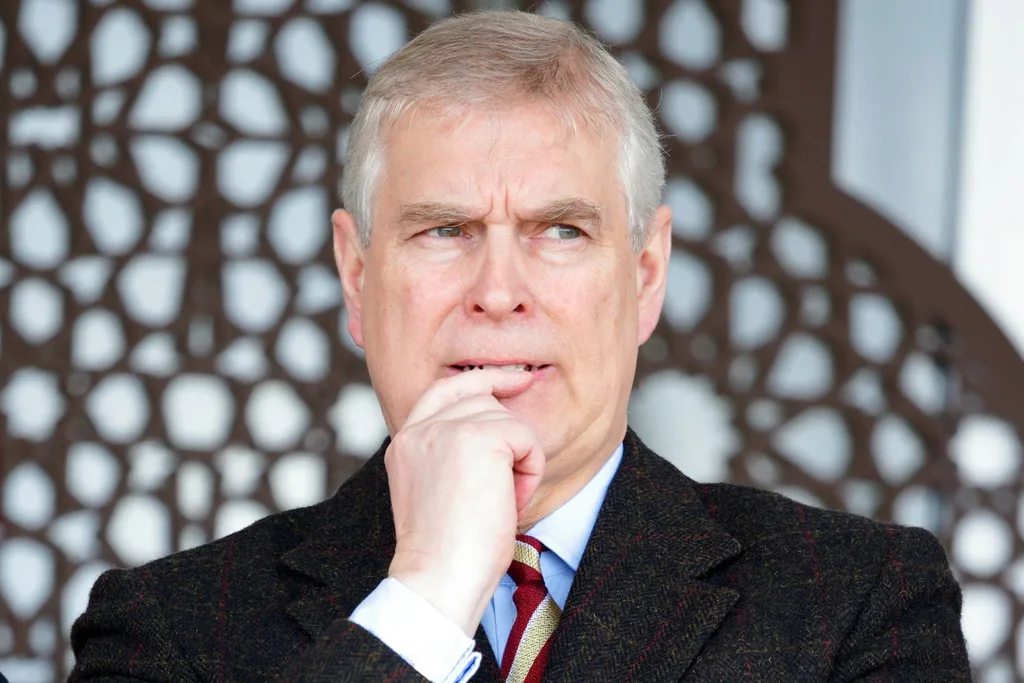
“In discussion with The King, and my immediate and wider family, we have concluded the continued accusations about me distract from the work of His Majesty and the Royal Family,” he said in a statement.
“I have decided, as I always have, to put my duty to my family and country first. I stand by my decision five years ago to stand back from public life.”
“With His Majesty’s agreement, we feel I must now go a step further. I will therefore no longer use my title or the honours which have been conferred upon me.”
Find out more about how this all impacts the line of succession below.
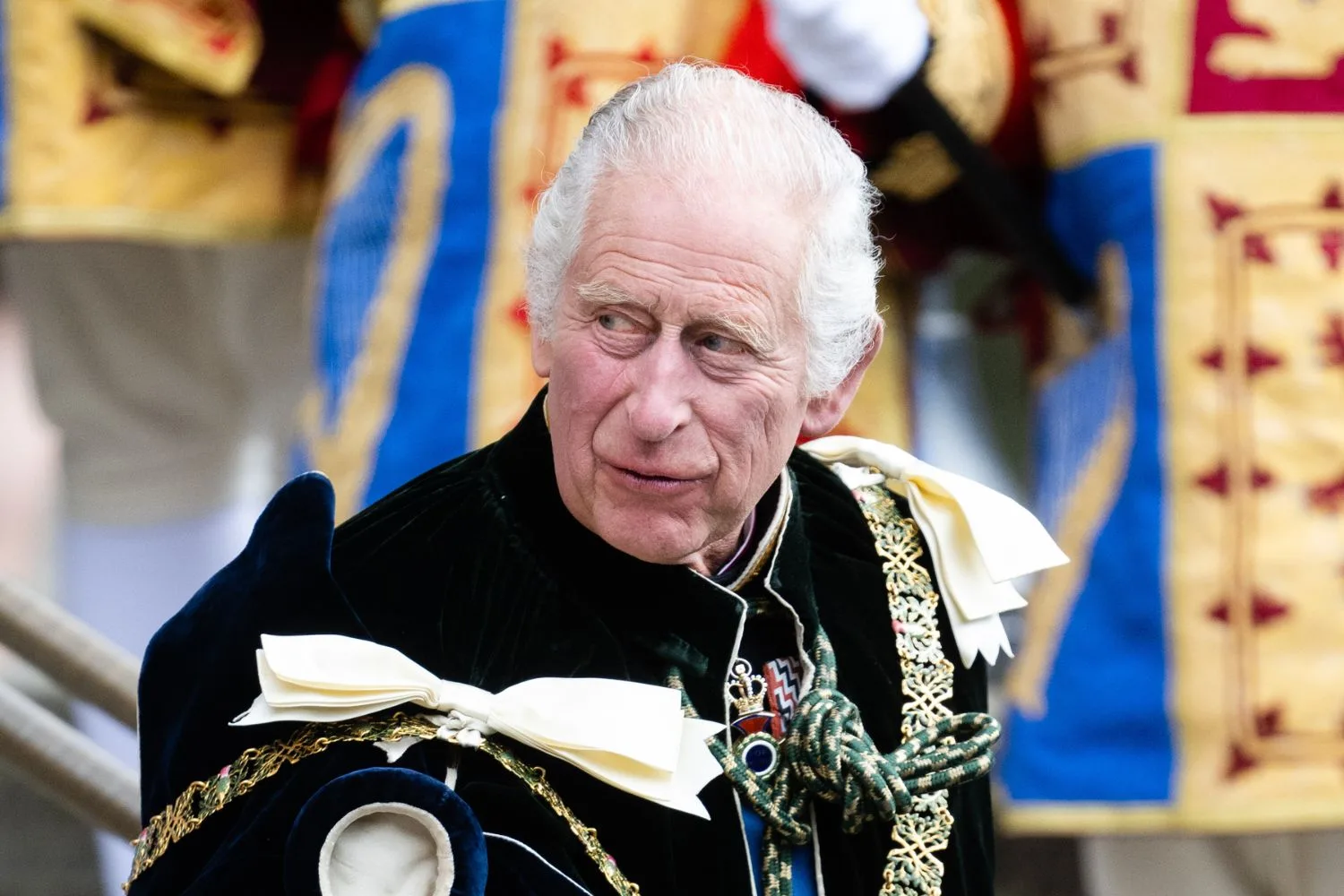
What is the current line of succession?
Despite Andrew no longer being known as a Prince, the line of succession has not officially been changed.
An act of Parliament is needed to remove him from the line of succession, which would then need to be approved by the Commonwealth member states.
Following the tragic passing of Queen Elizabeth II on September 8th, 2022, her eldest son and heir apparent, Prince Charles, immediately became King.


And whilst his official coronation was marked for eight months later on May 6th, 2023, upon the moment of the monarch’s death, the line of succession was altered, with a few surprising additions.
After news of the monarch’s cancer diagnosis was made public by Buckingham Palace in February 2024, many have been left wondering what will happen if he abdicates from the throne or tragically passes away.
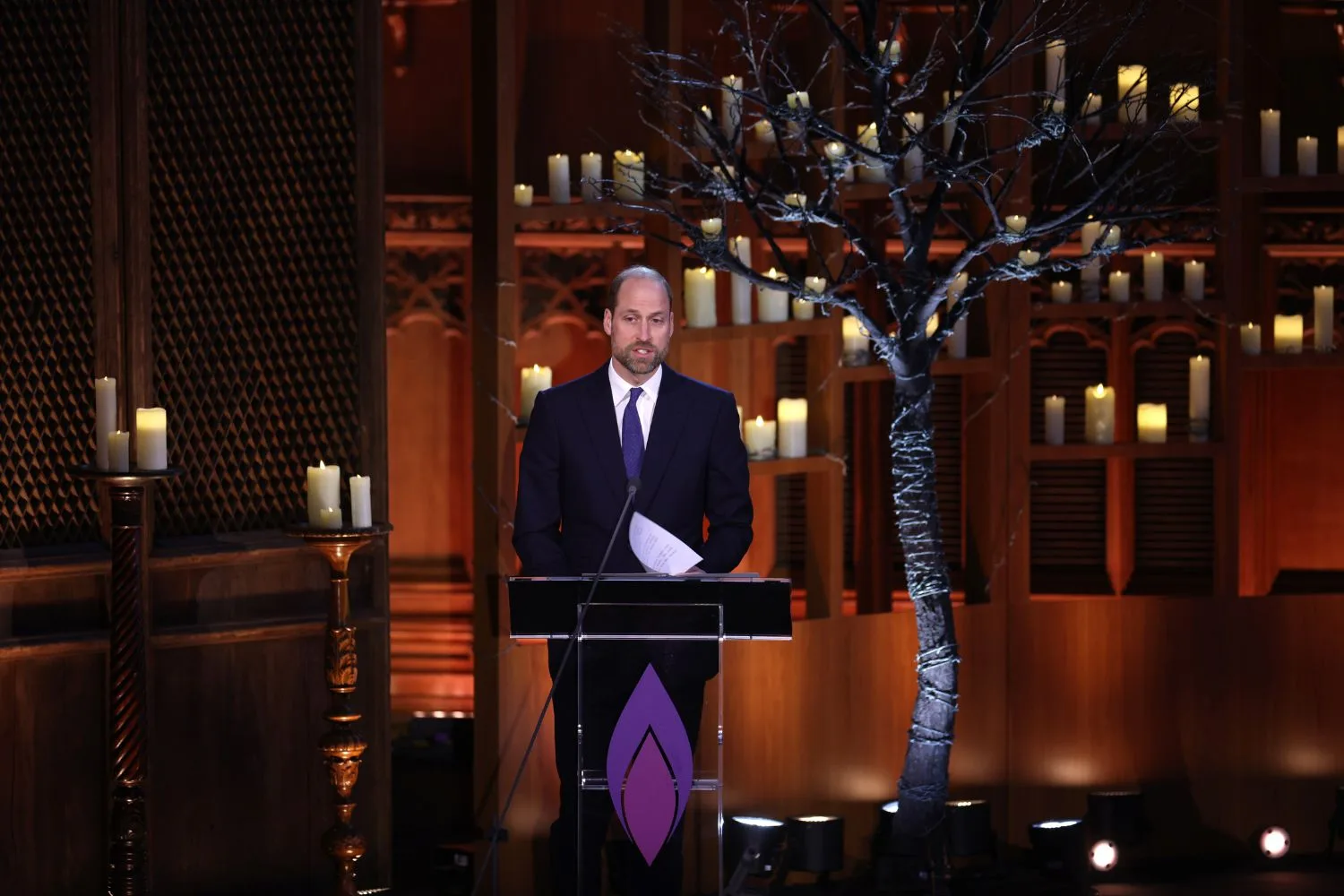
The line of succession continues with Prince William, the Prince of Wales, followed by his three children, whom he shares with his wife, Catherine, the Princess of Wales: Prince George, 12, Princess Charlotte, 10, and Prince Louis, seven.
Interestingly, despite quitting as a senior working royal in 2020, Prince Harry still remains fifth in line to the throne and has retained his succession rights.
His son, whom he shares with his wife, Meghan Markle, Archie Mountbatten-Windsor, six, is thus sixth in line to the throne, whilst his younger sister Lilibet Diana, four, is seventh.
Following the death of their great-grandmother, both children were officially given royal titles as prince and princess in March 2023.

In their highly controversial interview with Oprah Winfrey in March 2021, the couple confirmed that they had no control over the titles given to their children, the decision instead being made by the royal institution.
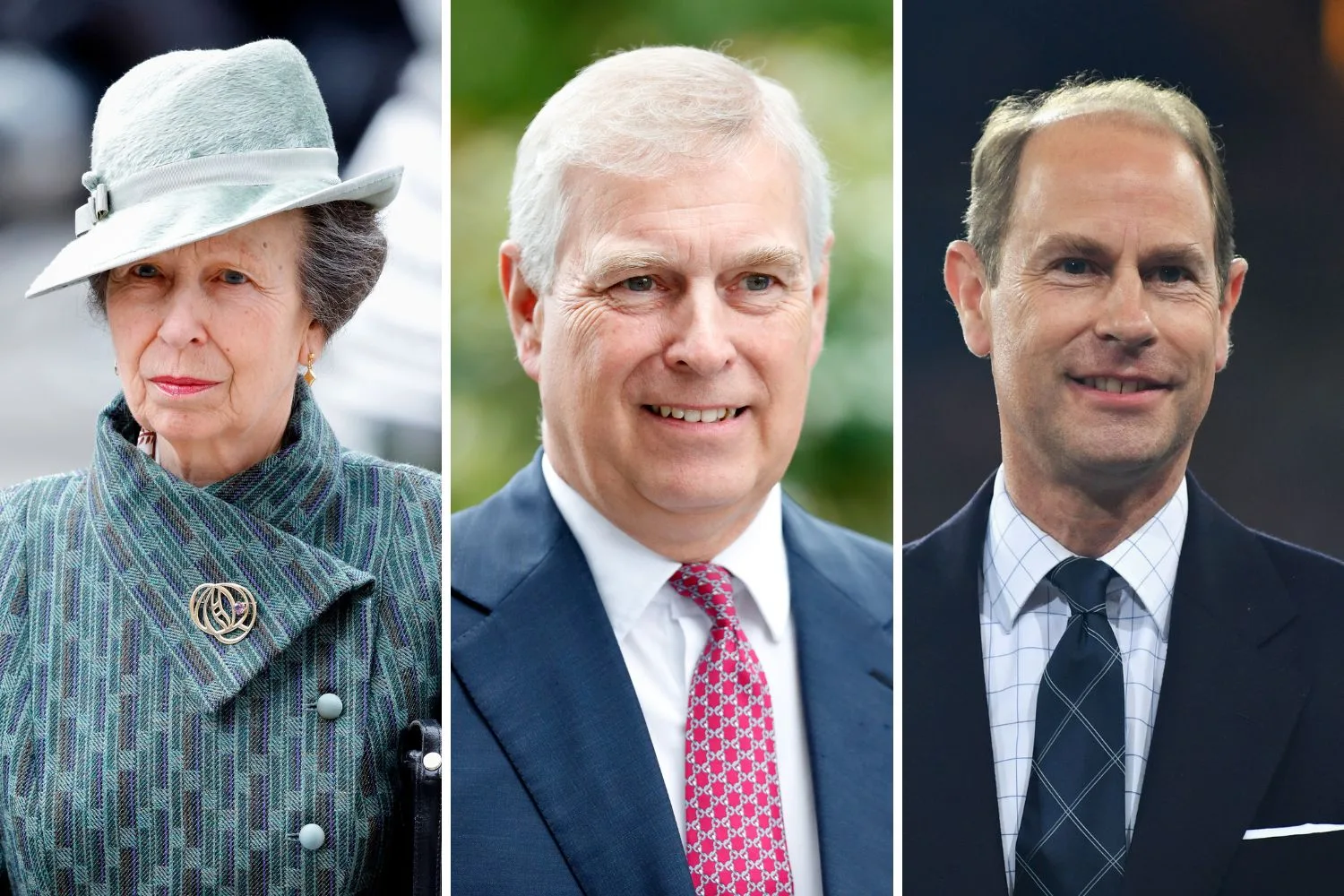
One would think that Princess Anne, the late Queen’s second oldest child, would be eighth in line to the throne, but due to an old law that allowed men to skip over the women in the succession line, both her younger brothers, Andrew, 66, and Edward, 61, and their children, and children’s children are ahead of her.
This law was only annulled in 2013, with a new one – The Succession To The Crown Act 2013 – removing gender from the order of precedence, making Princess Charlotte the first to benefit from the change.
Despite no longer being known as a Prince, relinquishing his title as Duke, and being stripped of his royal highness title and honorary patronages by the Queen in January 2022, Andrew is still in the eighth position in the line of succession. Potential legislation to remove him has yet to be passed.
It follows after Andrew settled a lawsuit with Virginia Giuffre in February 2023, after she alleged she was forced to have sexual encounters with him as a teen after being trafficked by deceased US financier Jeffrey Epstein. She then died in 2025.
While Andrew and his ex-wife, Sarah, lost their titles, Princess Beatrice, 37, is the eldest daughter of Andrew and ex-wife Sarah Ferguson; she is ninth in line to the throne. Both she and her sister Eugenie have retained their titles.
Beatrice is followed by her four-year-old daughter, Sienna Mapelli Mozzi, whom she shares with husband Edoardo Mapelli Mozzi. Their newest addition, Athena Elizabeth Rose Mapelli Mozzi, who was born on January 22, 2025, is eleventh in line.
In the 12th spot is Beatrice’s younger sister, Princess Eugenie, 35. Her son August Philip Hawke Brooksbank, four, whom she shares with husband Jack Brooksbank, is then 13th in line, whilst her son Ernest George Ronnie Brooksbank, two, is 14th in line, bumping the Queen’s youngest son, Prince Edward, the Duke of Edinburgh, to 15th.
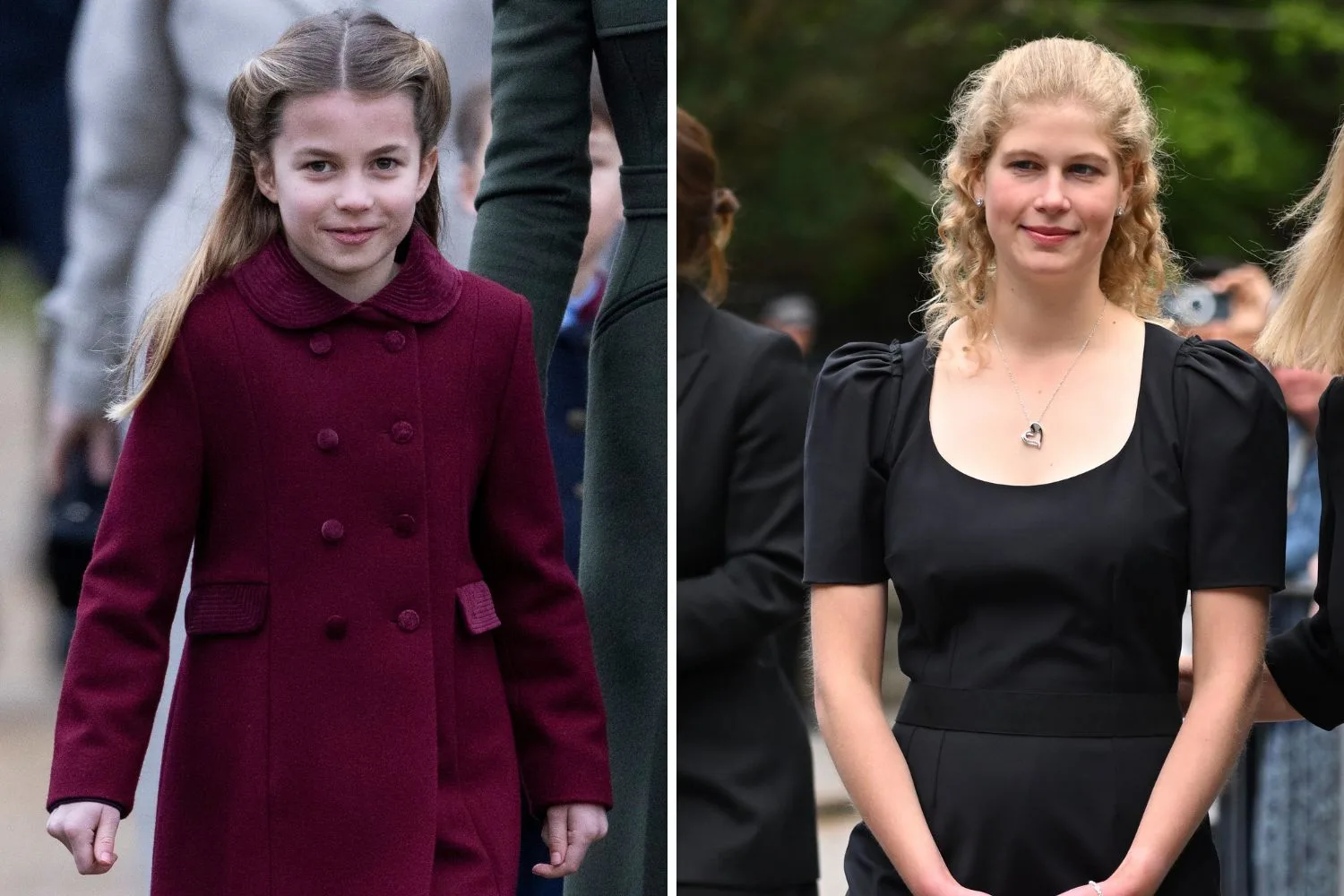
His 18-year-old son, James Severn, Earl of Wessex, is the 16th whilst his older sister, Lady Louise Windsor, 22, is 17th in line.
We then reach 75-year-old Princess Anne, who, despite starting life as second in line, now comes in at 18th, with her son Peter Phillips, 48, following her at 19th, with his daughters Savannah, 15, and Isla, 13, coming in at 20 and 21 respectively.
Finally, Zara Tindall (nee Phillips), Princess Anne’s 44-year-old daughter, enters the line of succession in 22nd place, with her children, Mia, 12, Lena, seven, and Lucas, four, rounding out the immediate family of the late Queen in the line of succession at numbers 23, 24, and 25, respectively.
How is the British line of succession formed?
The succession to the throne is regulated not only through birth descent but also by Parliamentary statute and religion. This was determined in the constitutional crisis of the 17th century, which ended up forming the Bill of Rights (1689) and the Act of Settlement (1701).
For centuries, legislation decreed that only Protestant descendants of a granddaughter of James I of England could take the throne, meaning that being married to a Roman Catholic would bar an individual from a place in the line of succession.
However, in 2013, a new law was passed that reversed this. The legislation also allowed female heirs equal rights in their claim to the throne. Historically, younger male heirs displaced elder daughters.
Never miss a story! Sign up to New Idea’s FREE newsletter for royal news and exclusives here.