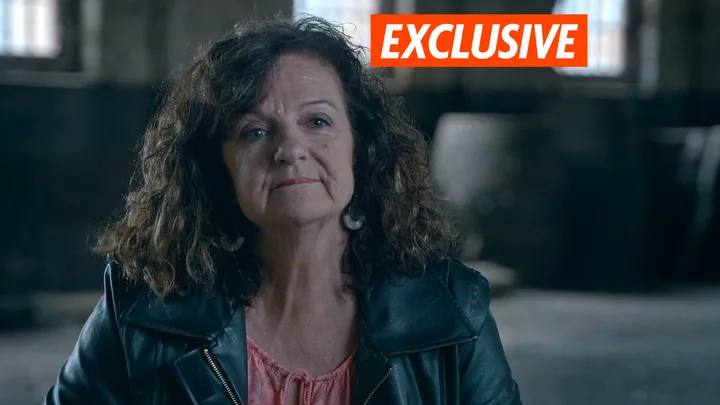
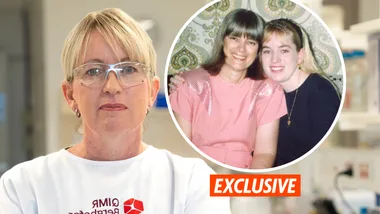
When Narelle Fraser came home after a stressful day at work, it wasn’t like it was for the average Australian. She was likely to have come across a death, a murder, a sexual assault and, almost certainly, some form of violence or abuse.
In the Victorian police force for 27 years, Narelle worked some of the most notorious crimes of the past decades, including those known as The Mornington Monster, The Box Hill Rapist and the Body in the Boot. Now retired, she says it’s all taken its toll.
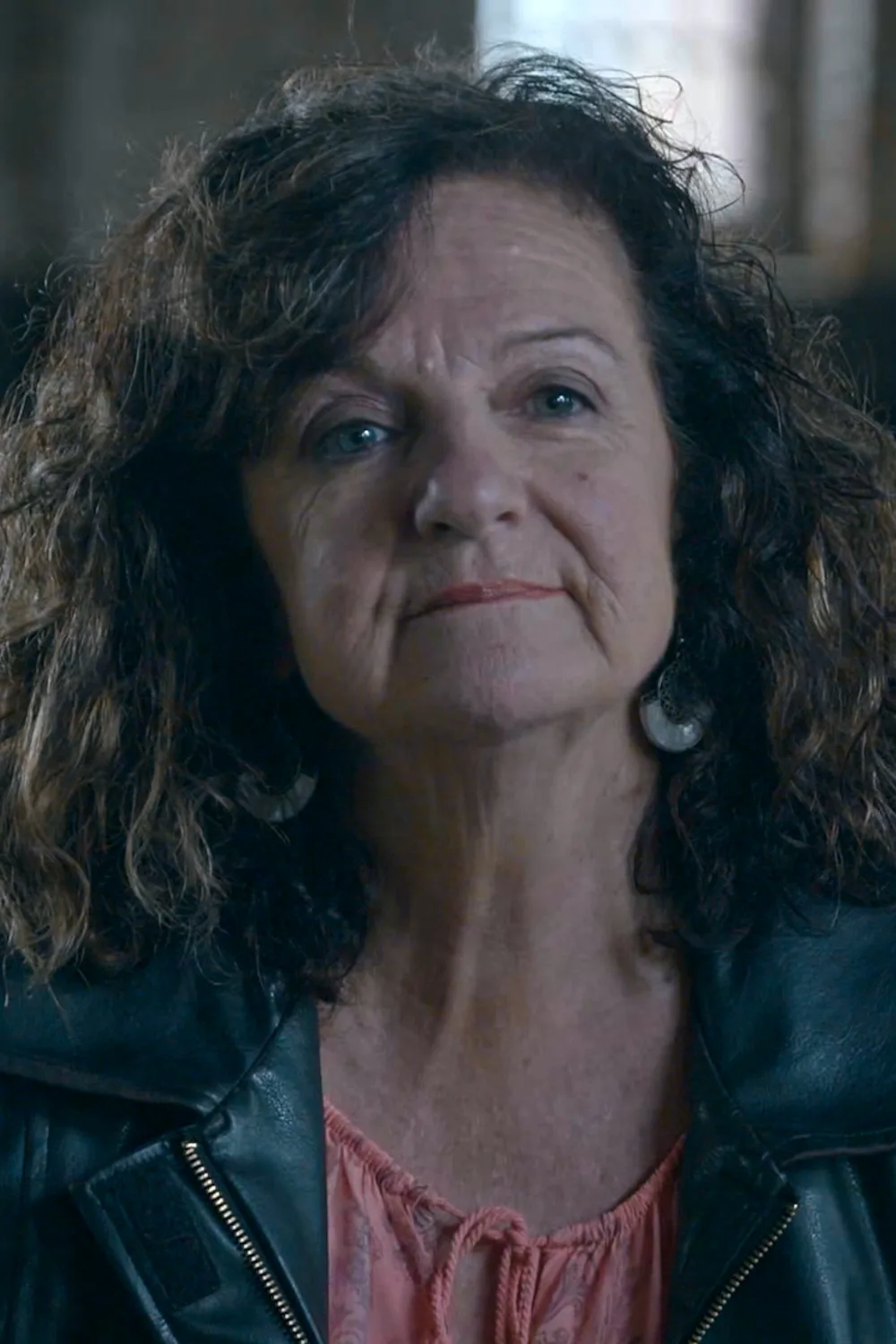
“To do any job like that you’ve got to learn to put your feelings aside because people are looking at you for direction, for courage …you’ve got to have this facade but, in the end, there’s only so long you can put that up,” Narelle, now 67, tells New Idea.
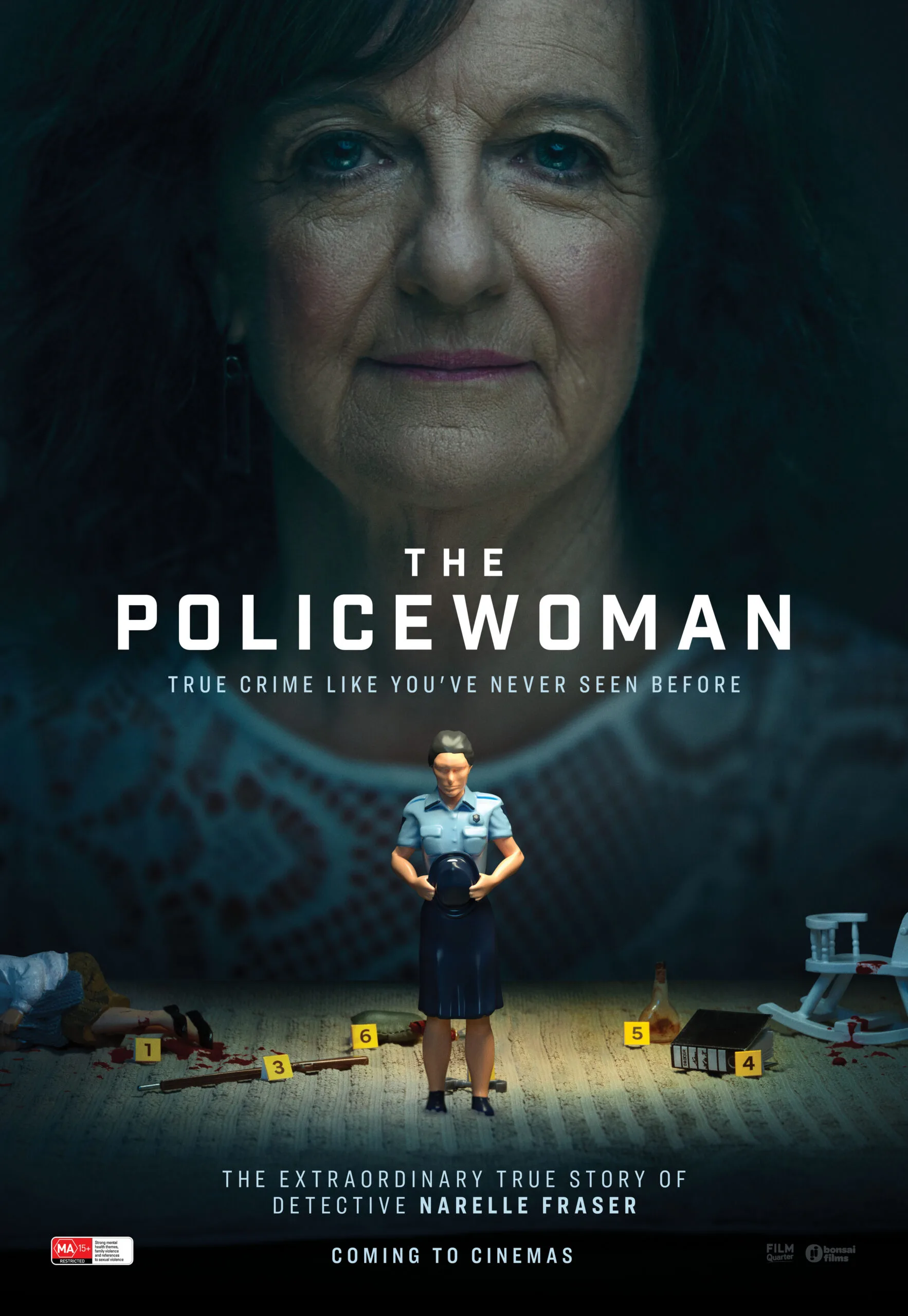
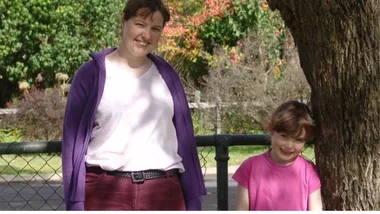
Opening up in a new documentary film, The Policewoman, about her career and experiences, Narelle is lifting the lid on the pressures first responders carry.
“I want the world to know and appreciate what we go through that we can’t really express openly and publicly… I want people to understand what is behind that uniform,” she says.
Narelle joined the force in 1985 and worked her way up the ranks to become a detective. She was the police liaison for families of the Bali bombings, spent years in the rape squad and, as part of the homicide squad, was the officer to discover a barely alive Maria Korp in the boot of the car where she’d been left to die by her husband Joe and his lover.
One of Narelle’s proudest moments was her part in the Mornington Monster case, when she found Anna Kemp’s body. Anna and her two-year-old daughter Gracie were killed by husband and father John Sharpe, and their bodies disposed of at the local tip.
“It was rat infested, asbestos ridden, it was a terrible place,” Narelle remembers. “When I found her, I felt, and this sounds wrong, I felt elated because I could give her some dignity. I had helped her.”
As other officers left to get coffee, Narelle says she couldn’t leave Anna.
“I remember sitting on an old drum and I cried and cried. I turned around because I didn’t want anyone to see how upset I was. Isn’t that inhuman to think you couldn’t be that affected by finding something like I did?”
Gracie’s little body was found the next day and Narelle was relieved to not have been there. “I think that would have just about done me in,” she says.
Already the signs she was struggling with her mental health were present.
“I felt tired, stressed,” she says. Every time the phone rang with a new crime she’d need to use the bathroom.
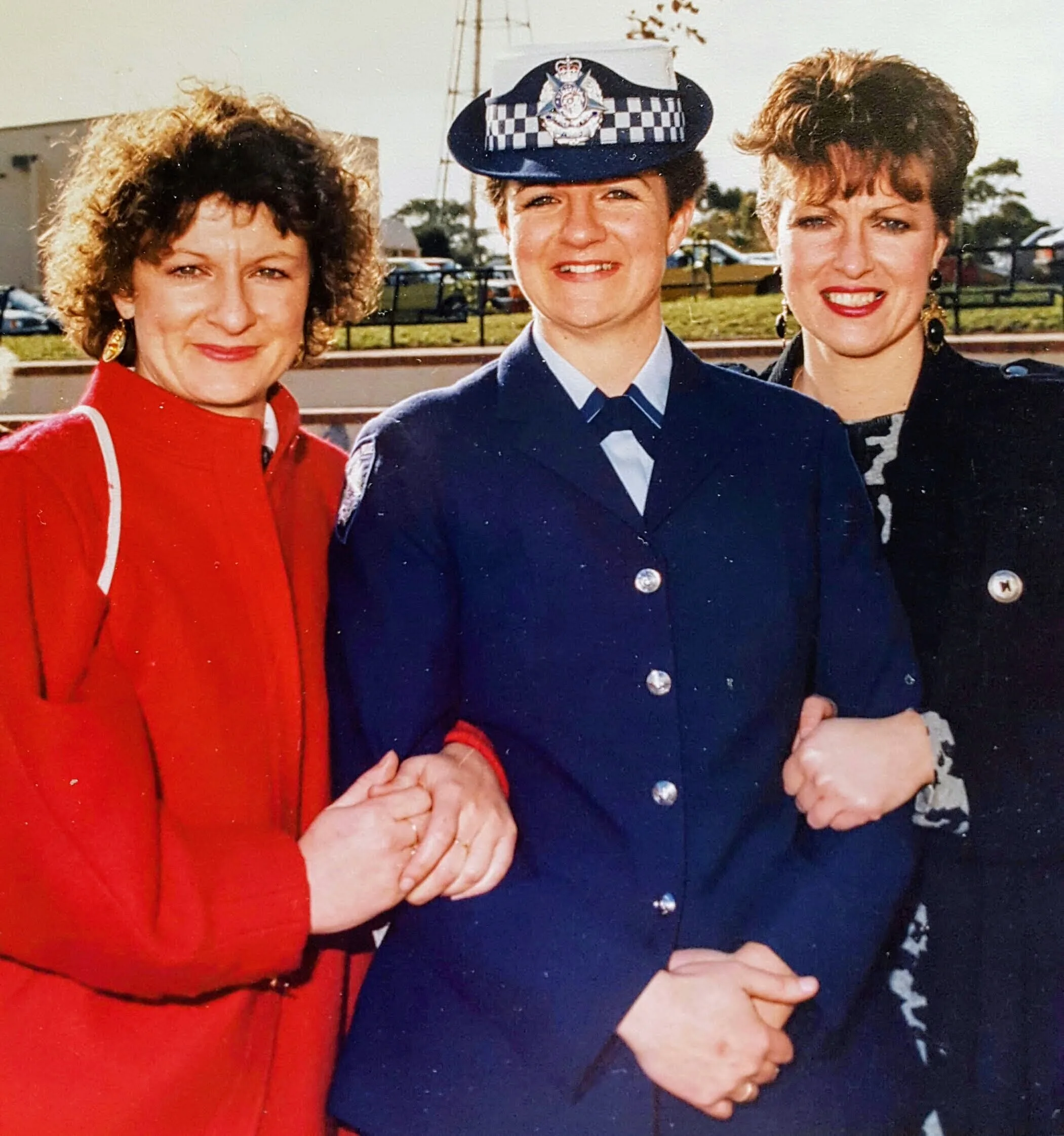
Towards the end of her career she was shaky, unable to concentrate and even experienced full memory-loss blackouts.
“If I’d had the education I would have been better prepared and wouldn’t have put my head in the sand,” Narelle says. In 2012 she was medically retired from the force after a PTSD diagnosis.
The constant drip feed of horrific things Narelle had seen finally overflowed.
“My mind just exploded and I couldn’t deal with it anymore,” she says, admitting she was initially embarrassed, seeing it as a huge weakness on her part.
That’s something that has shifted over the years as she’s come to understand mental health and become an advocate for change in the force.
“Things have improved, but it’s about money and support. If we had a psychologist at every station so you could go and debrief straight after a job… it might not fix everything but it’s what’s missing.”
Today, on her property in central Victoria, Narelle is immensely proud of her career and says, despite everything, it’s something she would recommend.
“It’s so rewarding and it opens your eyes to a world very different to your own.”
Her only advice is not to think you can do it alone.
“You have to acknowledge that you’re really affected by some of what happens. I have no animosity though.
“I feel privileged and blessed to have helped the people I helped andto have done what I did.”
The Policewoman is in cinemas from Thursday November 5th.

Related stories
Native ad body.

Native ad body.

Native ad body.