


Do you often fall into the trap of stressing about your health excessively?
In today’s fast-paced and information-driven world, it’s always important to look at what’s impacting your mental health, including health anxiety.
Initially called illness anxiety, or hypochondria, health anxiety is a condition where people obsessively worry about having a severe medical condition – despite having mild symptoms or none at all.
This excessive concern about their health can cause anxiety, interfere with their ability to function in daily life and work, and lead to unnecessary and expensive medical tests and doctor visits.

If health anxiety has got you in a spin, don’t worry! There are effective strategies to combat it and regain control of your wellbeing, according to Dr Ginni Mansberg.
Understand what’s behind your health anxiety
Health anxiety often arises from a combination of psychological, emotional and environmental factors. Some common root causes include:
- Your own personal history
- Your family history
- Media and social media
- Stress and anxiety
- Certain personality traits (for example, perfectionism)

RELATED || How to eat healthy on a budget
Is your work contributing poorly to your mental wellbeing?
Across the country, stress, burnout, and mental exhaustion are unfortunately becoming the norm in most workplaces.
Nearly one in five workers are reporting high or very high levels of psychological distress, according to The Good Human Factory, and the pressure is mounting.



And that’s where the mental health workshop facilitators can step in.
Unlike traditional seminars that often feel clinical or disconnected, The Good Human Factory workshops are designed to connect on a human level.
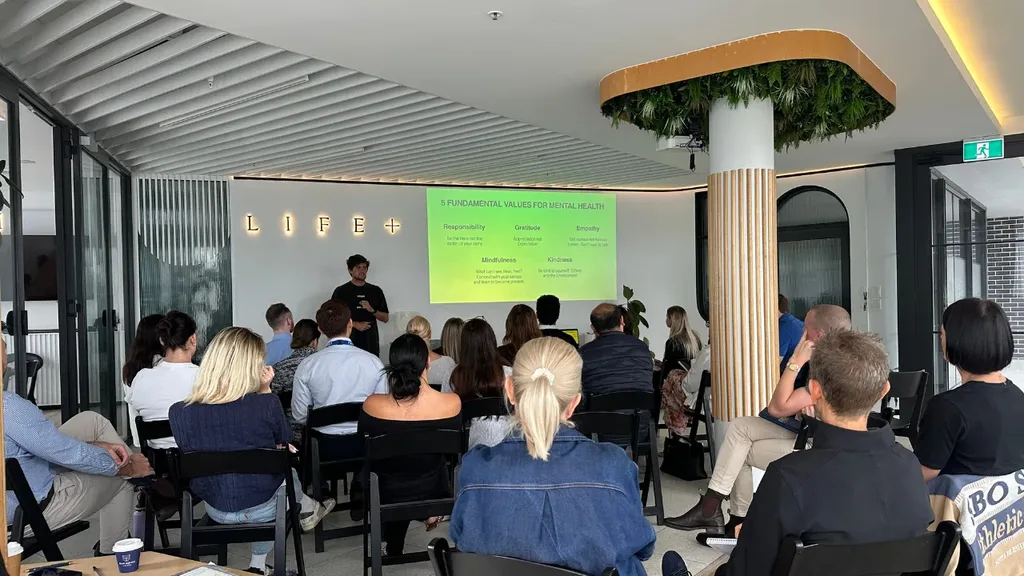
Workshops are available in 60-minute, 90-minute, and half-day formats, making them flexible to suit any team’s needs.
Each session explores five key values: responsibility, gratitude, mindfulness, empathy, and kindness. These serve as the foundation for stronger relationships, better communication, and a more resilient workplace culture.
In addition to values, the workshops focus on practical, science-backed daily habits to support their nervous system and mental health. This includes breathwork, meditation, physical activity, reducing screen time, and spending more time in nature.
These tools are easy to implement, cost nothing to adopt, and can create lasting positive change.

Learn how you can stress less
- Educate yourself. Instead of endlessly browsing the internet for health information, focus on reputable sources and consult healthcare professionals.
- Put your screens away. Take a break from watching TikTok reels, YouTube videos and reading news articles about medical conditions.
- Embrace mindful meditation. Mindfulness techniques can help calm an anxious mind and bring focus to the present moment. This can help reduce the fixation on health concerns.
- Set boundaries around reassurance seeking. Resist the urge to seek constant reassurance from doctors or loved ones. Trust the medical advice you receive and avoid repeatedly asking for confirmation.
- Challenge catastrophic thinking. When anxious thoughts arise, challenge them with evidence-based reasoning. Ask yourself if there’s real evidence supporting the worst-case scenario.
RELATED || Easy ways to stress less
This medical advice is based on an expert opinion, please seek professional assistance for your specific needs.


