


Rewilding a domestic garden is about returning it closer to its natural state – not by neglecting it, but by designing it to support life.
It means shifting away from manicured lawns and ornamental plants and instead creating a mini ecosystem that supports birds, insects, soil health, and biodiversity.
What is rewilding?
In simple terms, rewilding is less about control and more about cooperation. It may look less tidy, but what you gain is resilience – both ecologically and personally. It’s important to remember that rewilding isn’t about perfection or trends. It’s about giving a little space back to nature and discovering how much it gives you and your environment back in return.
The idea of rewilding first emerged internationally in conservation science in the early 1990s. In Australia, it first took hold in reserves and national parks, wildlife corridors, and threatened species recovery areas.
By the mid-2010s, organisations like WWF-Australia began integrating rewilding into their conservation strategies to address issues like climate stress and species decline.
Can you rewild your garden?
It wasn’t until the early 2020s that the idea filtered into suburban Australia, where people started asking, “What if my garden could help too?”
With one of the highest rates of biodiversity loss in the world (due largely to urban expansion and land clearing), that question has sparked an important and growing movement.
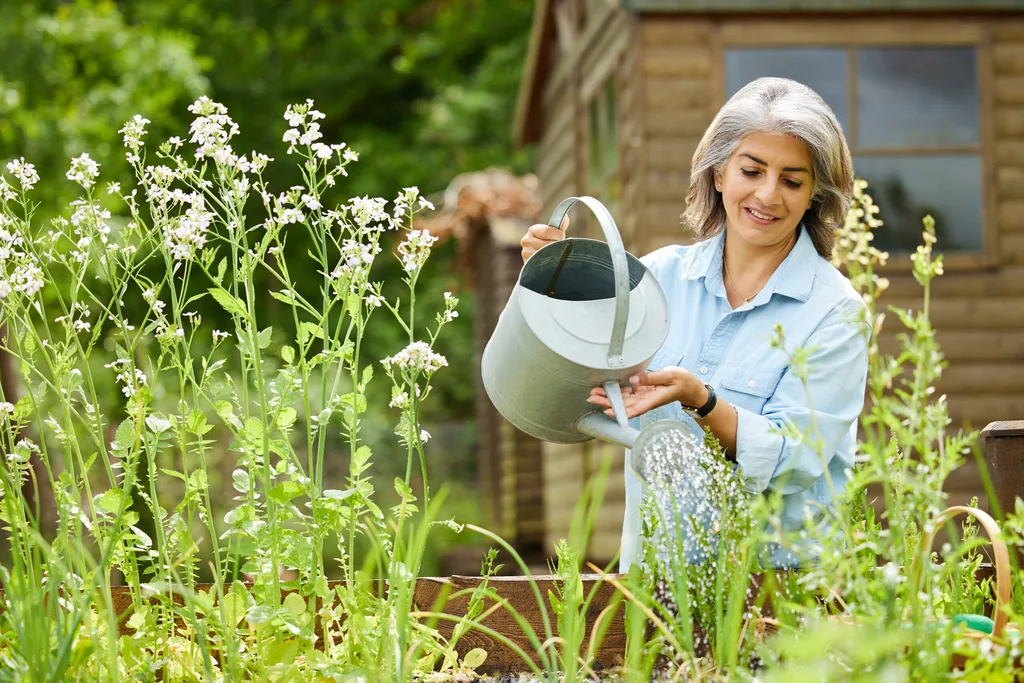
What are the benefits?
Put in the work and reap rewilding’s benefits…
- Provides food and shelter for native birds, bees, butterflies, and lizards
- Improves soil health and water retention
- Reduces reliance on chemicals and the need for maintenance
- Improves microclimates and cools local temperatures
- Creates calmer, more restorative outdoor spaces for people
How do I get started?
You don’t need to overhaul your yard to make an impact.
- Start by replacing one section of lawn with native ground covers or grasses
- Plant species local to your area – they’re often more resilient and useful to wildlife
- Leave leaf litter where possible – it feeds soil organisms and insects
- Add a shallow water dish for birds and pollinators


Bonus Tips
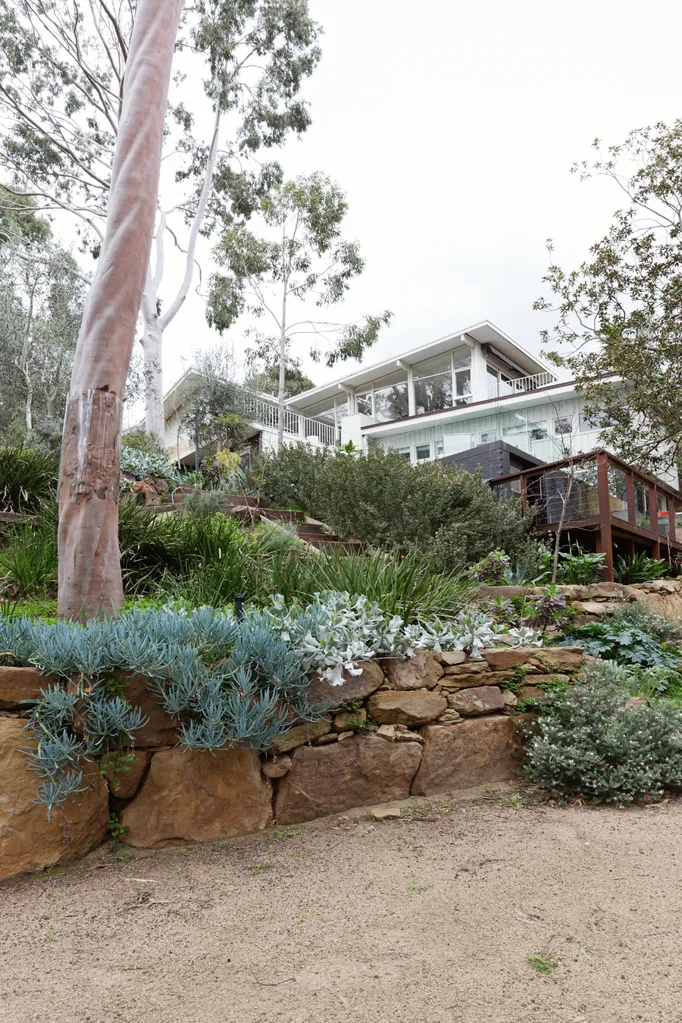
- Design in layers – think: canopy, shrubs, ground cover, and soil
- Reduce pruning and let plants seed naturally
- Avoid pesticides and trust ecological balance to establish itself over time
- Intentionally create habitats by including logs, rocks, and dense shrubs
Native ad body.


Native ad body.


Native ad body.