


Garden decor is one of those things that can either quietly elevate a space or tip it into clutter if you’re not careful.
I’ve always believed the best garden decor should feel discovered rather than deliberately placed – as if it’s always been there, gently revealed as the garden grows around it.
When done well, decor adds personality and layers without ever shouting for attention.
Editor’s picks for the best gardening reads
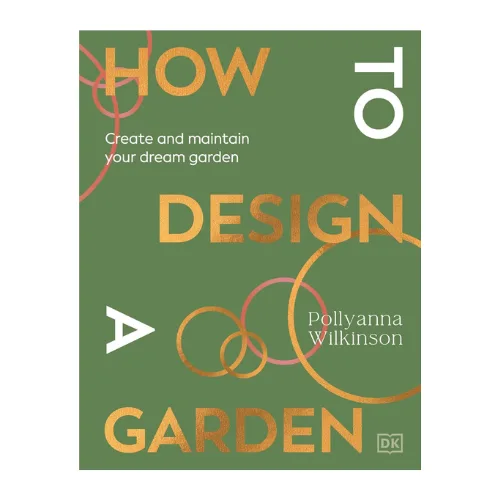
How to Design a Garden by Pollyanna Wilkinson
$42.99 at Amazon
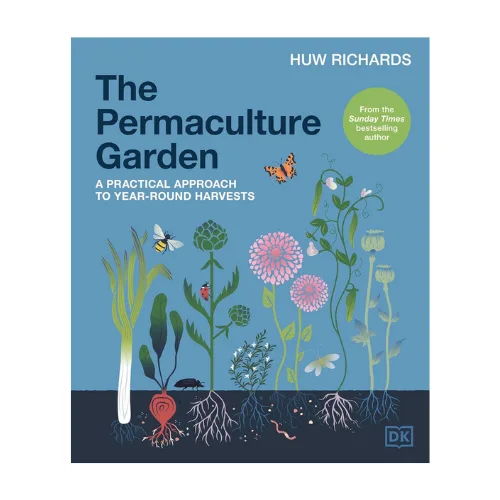
The Permaculture Garden by Huw Richards
$55 at Amazon
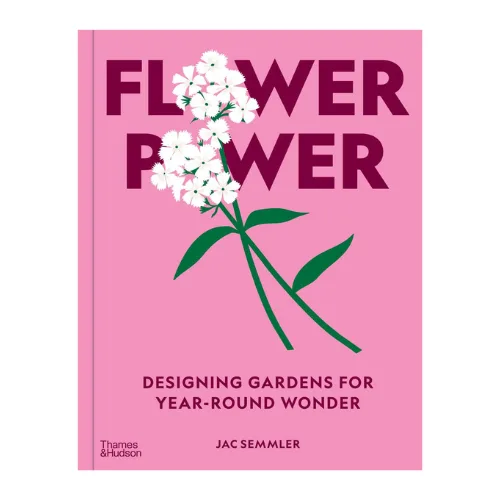
Flower Power by Jac Semmler
$85 at Amazon
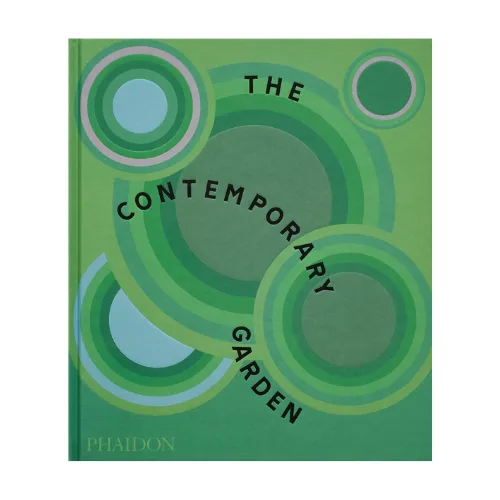
The Contemporary Garden by Phaidon
$89.95 at Amazon
1. Don’t force it
The first rule is restraint. Plants should always be the main event.
Decor works best when it supports the planting, not competes with it.
Before adding anything new, I like to walk through the garden and notice where my eye naturally pauses.
Those moments – the end of a path, a bare wall, a quiet corner – are where decor can work hardest.
If everything is trying to be a feature, nothing feels special.
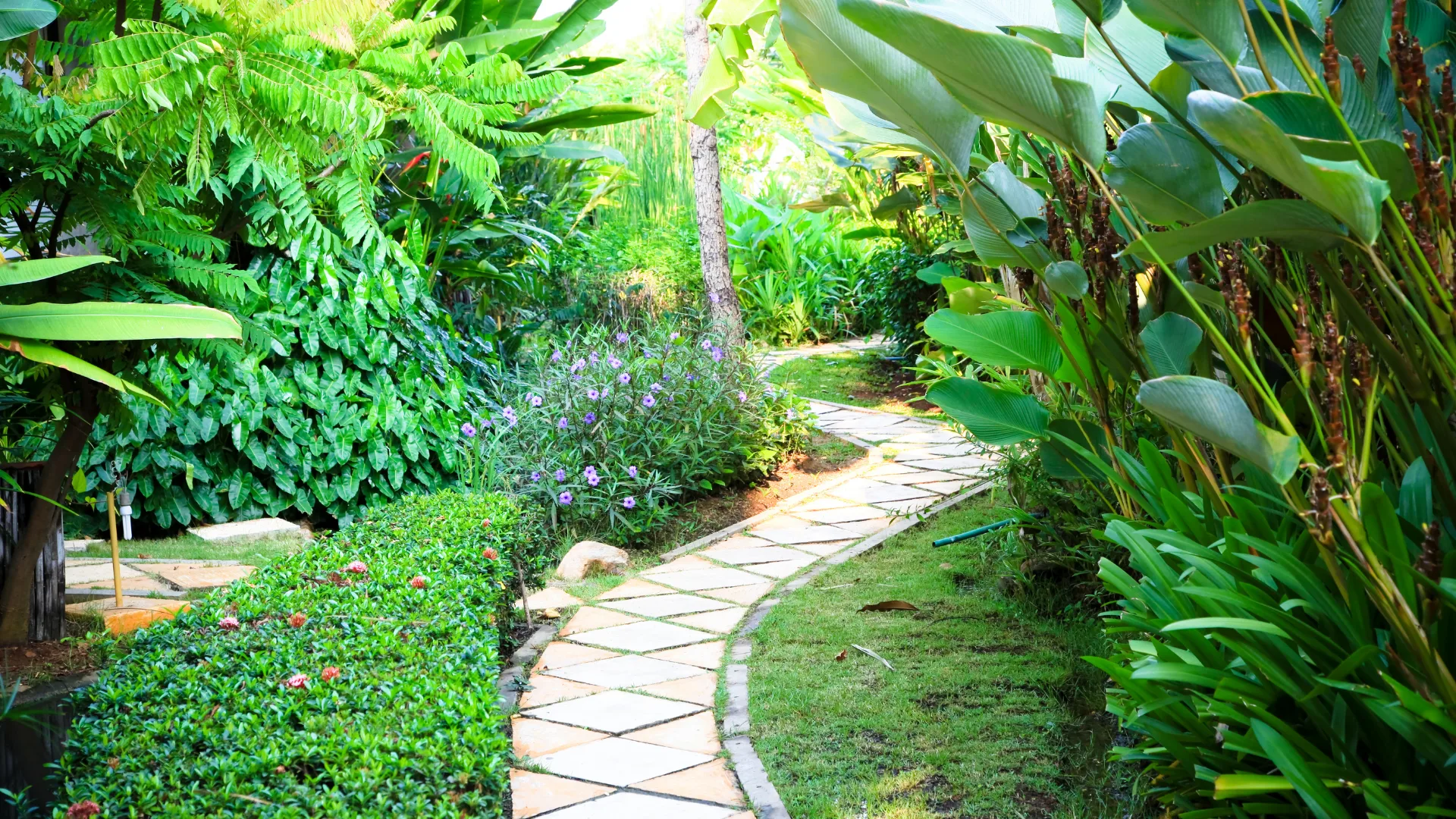
2. Find the right balance
Scale matters more than most people realise. A small ornament can disappear completely in a lush border, while something oversized can overwhelm a courtyard.
In compact gardens, fewer pieces with a strong presence work far better than lots of little items.



Larger gardens, on the other hand, can handle a bolder statement – a water bowl, a sculpture or a large pot – to anchor a space and give it focus.
3. Think long-term
Material choice is another key consideration. Natural finishes almost always age best outdoors.
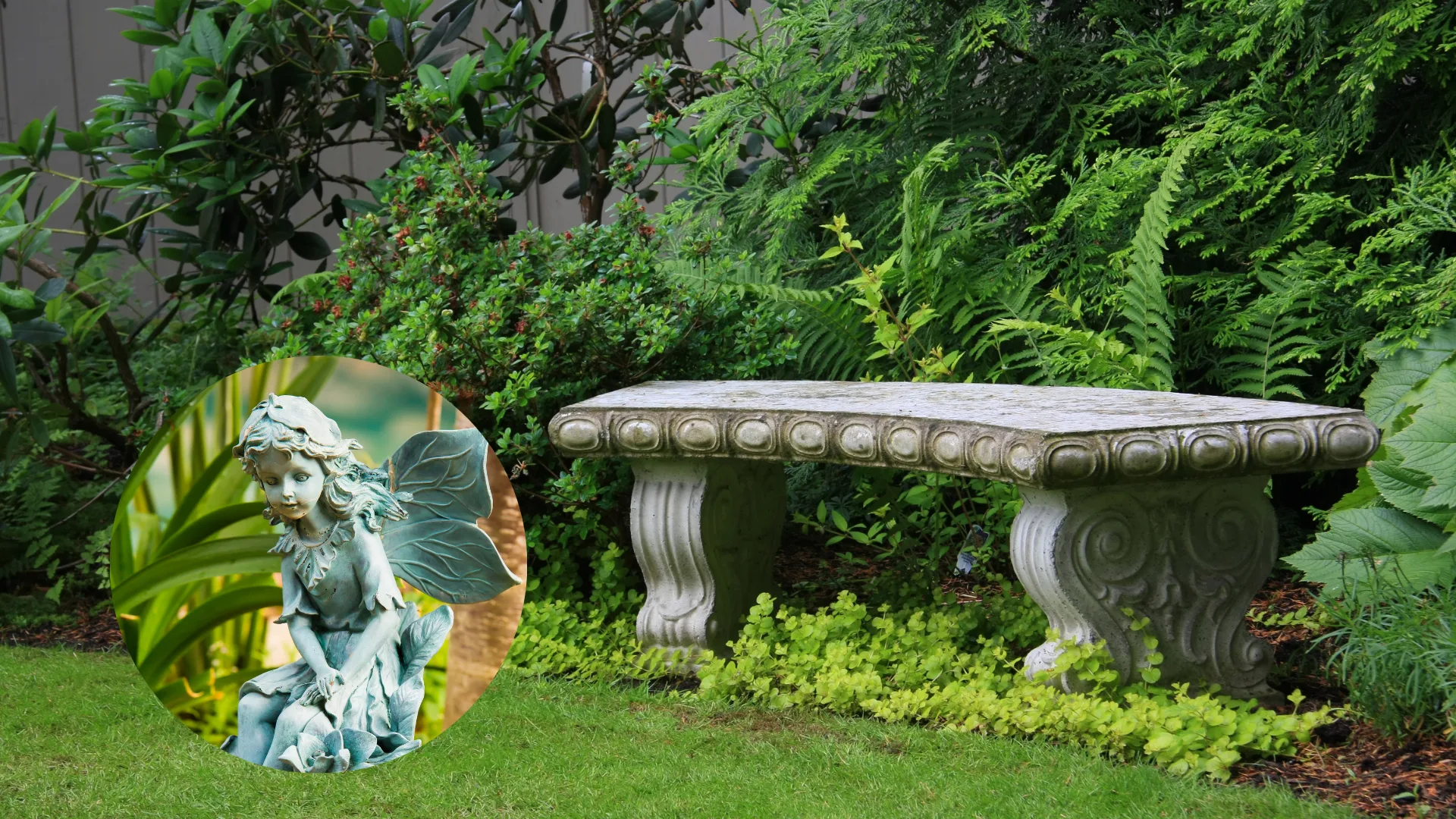
Stone, timber, terracotta and weathered steel develop character over time and sit comfortably among plants.
Shiny plastics and novelty items often date quickly once the initial charm wears off. I always ask myself: Will this still look good when the plants have doubled in size?
If the answer is no, it usually doesn’t belong.
4. Style practically
A great way to add character without clutter is through DIY shelving, particularly on garden walls or fences.
Simple shelves made from recycled timber can be incredibly effective. Old decking boards, scaffolding planks or fence palings work beautifully once cleaned up and sealed.
Mounted at staggered heights, they create space for pots, lanterns or even herbs, and they’re easy to change as the garden evolves.
It’s practical decor – functional, flexible and full of personality.
5. Embrace creative ideas
When it comes to garden furniture, think beyond the catalogue. A seat doesn’t have to come flat-packed to earn its place.
One of the most timeless options is a bench made from salvaged stone. A solid slab or a few chunky pieces of reclaimed stone set on simple supports creates a seat that feels permanent and grounded.
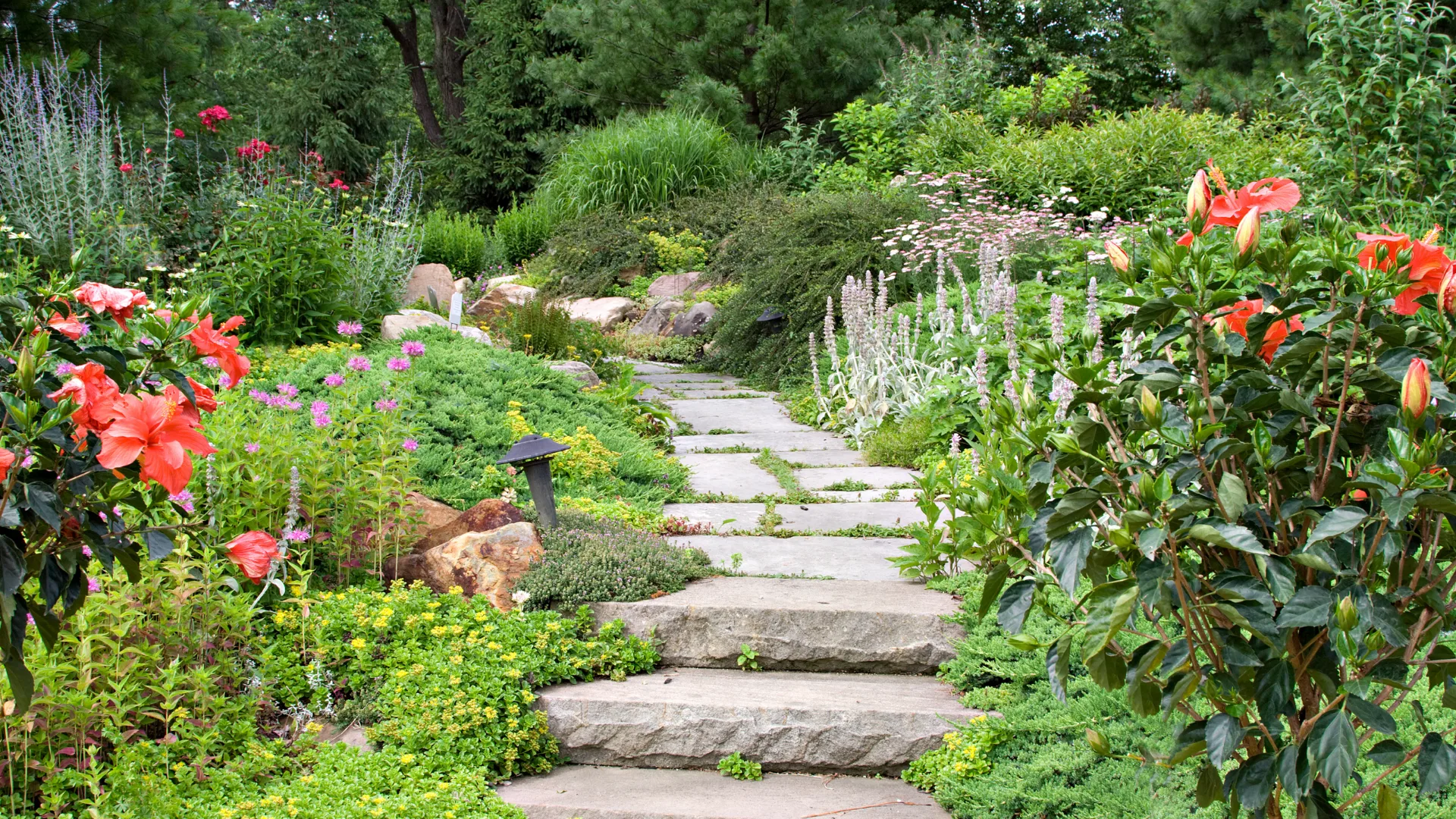
It weathers beautifully, needs no maintenance, and looks as though it’s grown out of the garden itself.
Tucked beneath a tree or against a wall, it becomes a place to pause and not just something to look at.
Style garden decor so that it feels connected to its surroundings. Let plants soften hard edges, spill over shelves, and weave around furniture.
Decor should feel like part of the garden’s story, not an interruption.