
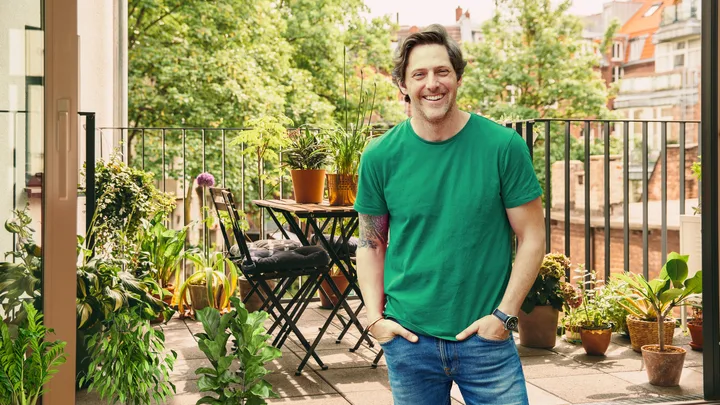
Not everyone has the luxury of a sprawling backyard, but that doesn’t mean you have to miss out on a beautiful, productive outdoor space.
Some of the most rewarding gardens I’ve worked with have been tiny courtyards, balconies, and even front steps.
Container gardening is what makes it all possible – and when done well, can be just as lush and layered as traditional methods.
With the right pots, plants, and care, even the smallest space can feel alive – proof that you don’t need a big yard to make an impact.
Editor’s picks for chic doormats to wow your guests
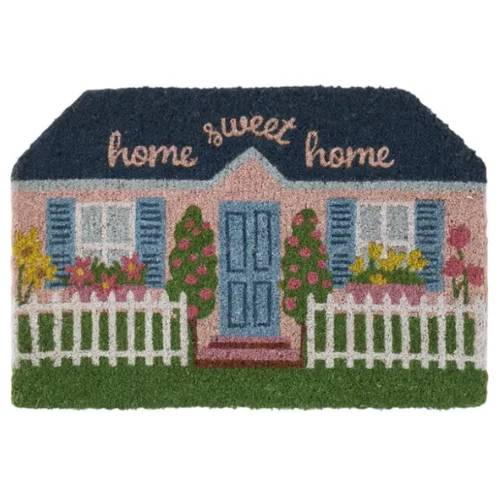
Coir Sweet Garden Home Doormat
$59.99 at Adairs
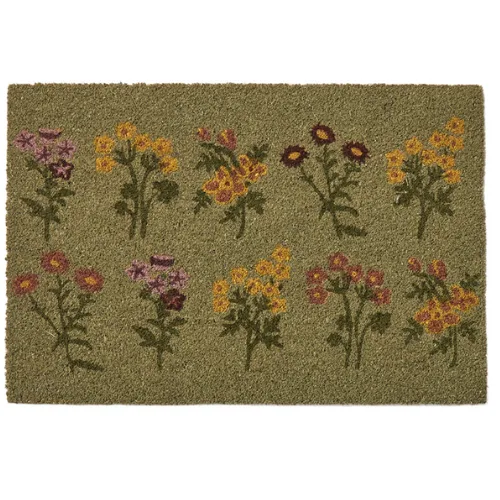
Wildflowers Coir Doormat
$24.99 at Templeandwebster
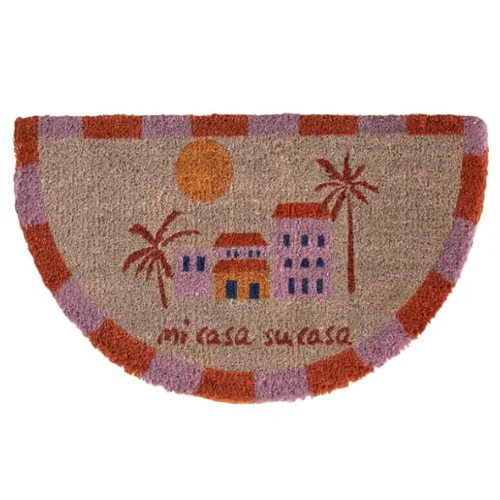
Coir Mi Casa Su Casa Doormat
$39.99 at Adairs
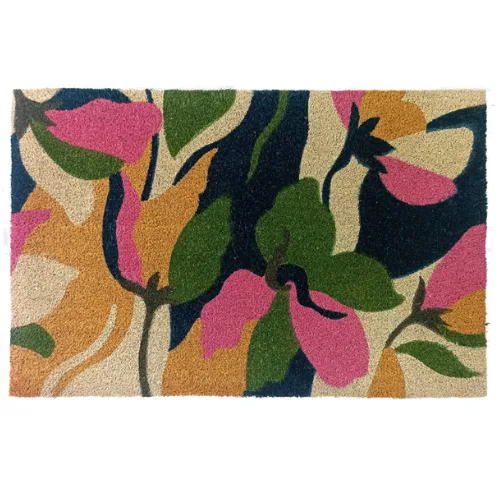
Marwa Coir Doormat 60x90cm
$29.99 at Templeandwebster
Bigger containers work better
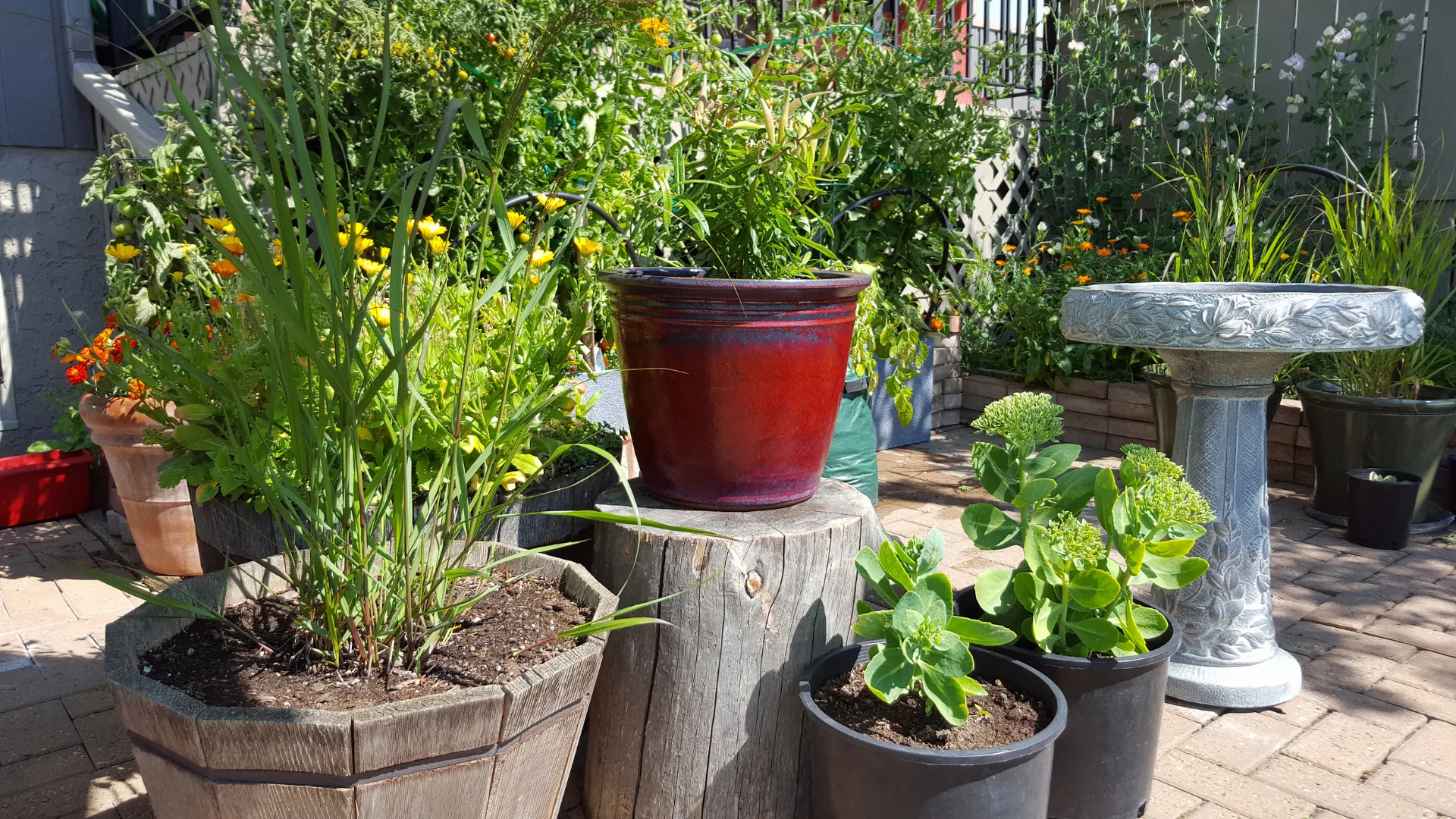
The first thing to get right is the size of the container – a pot that’s too small dries out quickly and restricts root growth, which can often lead to stressed plants.
I always recommend going for something bigger than you think you’ll need, as big pots in a small space create visual impact.
For tighter spaces, look for half pots – those with a flat back to save on space.
Larger styles also give plants room to establish, hold moisture for longer, and make the whole set-up far more forgiving.
Choose pots that suit the look of your space, but don’t skimp on quality as cheaper options rarely stand up to sun and heat for long.
Good drainage is key
Containers must have water-release holes.
To stop them from blocking, add a layer of gravel topped with a piece of geotextile fabric before your soil goes in.
Use a premium potting mix – it’s worth the investment!
Ordinary types are often too heavy for containers, quickly compacting and starving roots of fresh air.
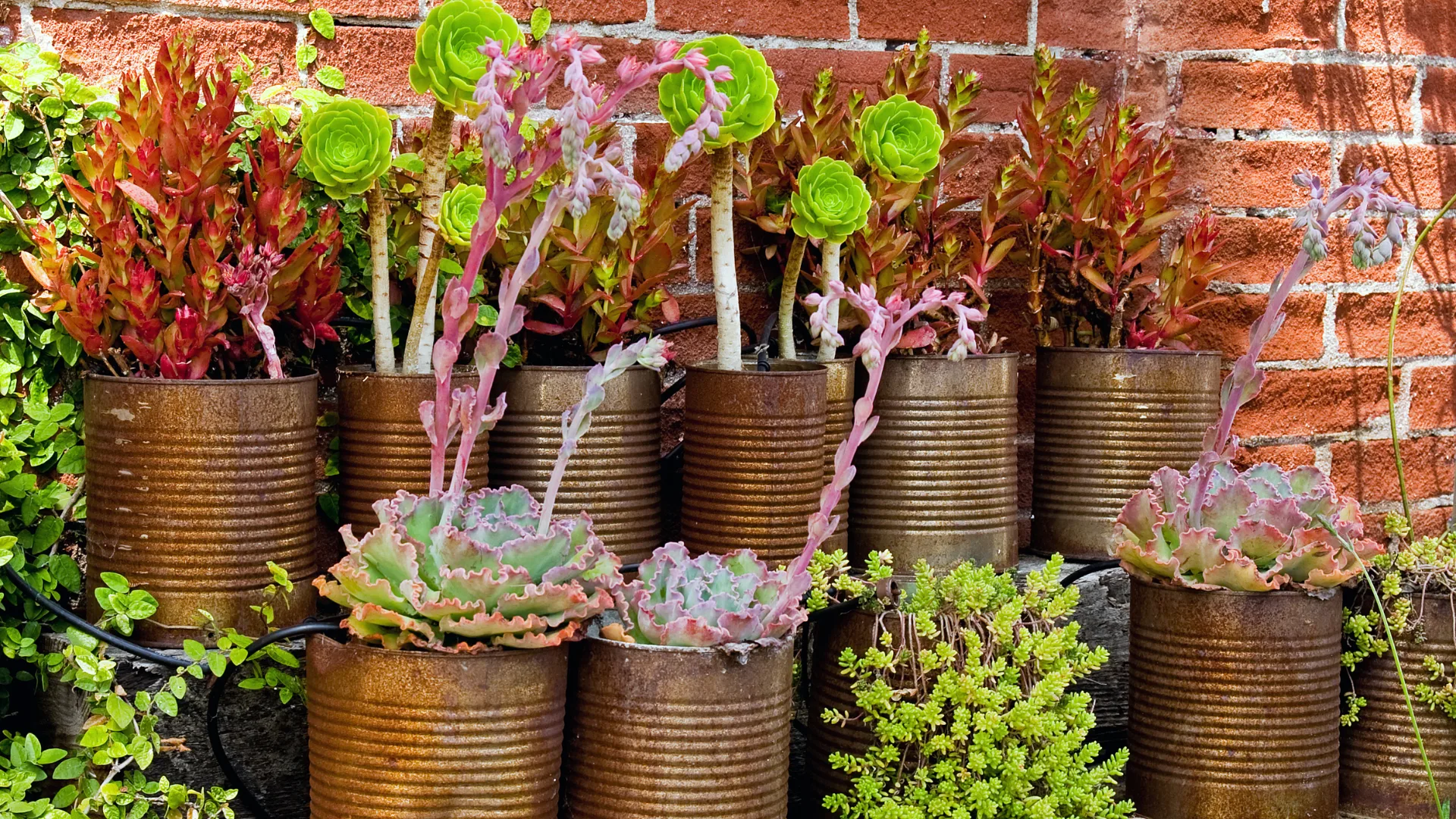
Feel free to mix it up
When it comes to plant choice, think layers.
Even in the one pot, you can create depth by combining a tall feature plant with something trailing over the edges and spilling over.
Herbs work beautifully this way, as do flowering annuals mixed with small shrubs or grasses.
Don’t be afraid to mix edibles and ornamentals – a pot of basil alongside trailing nasturtiums looks as good as it tastes.
Keep your plants hydrated
Watering is the biggest ongoing job in container gardens.
Pots dry out faster than garden beds, especially in warmer weather.
Water deeply, so moisture reaches the entire root zone, and check pots regularly during hot spells.
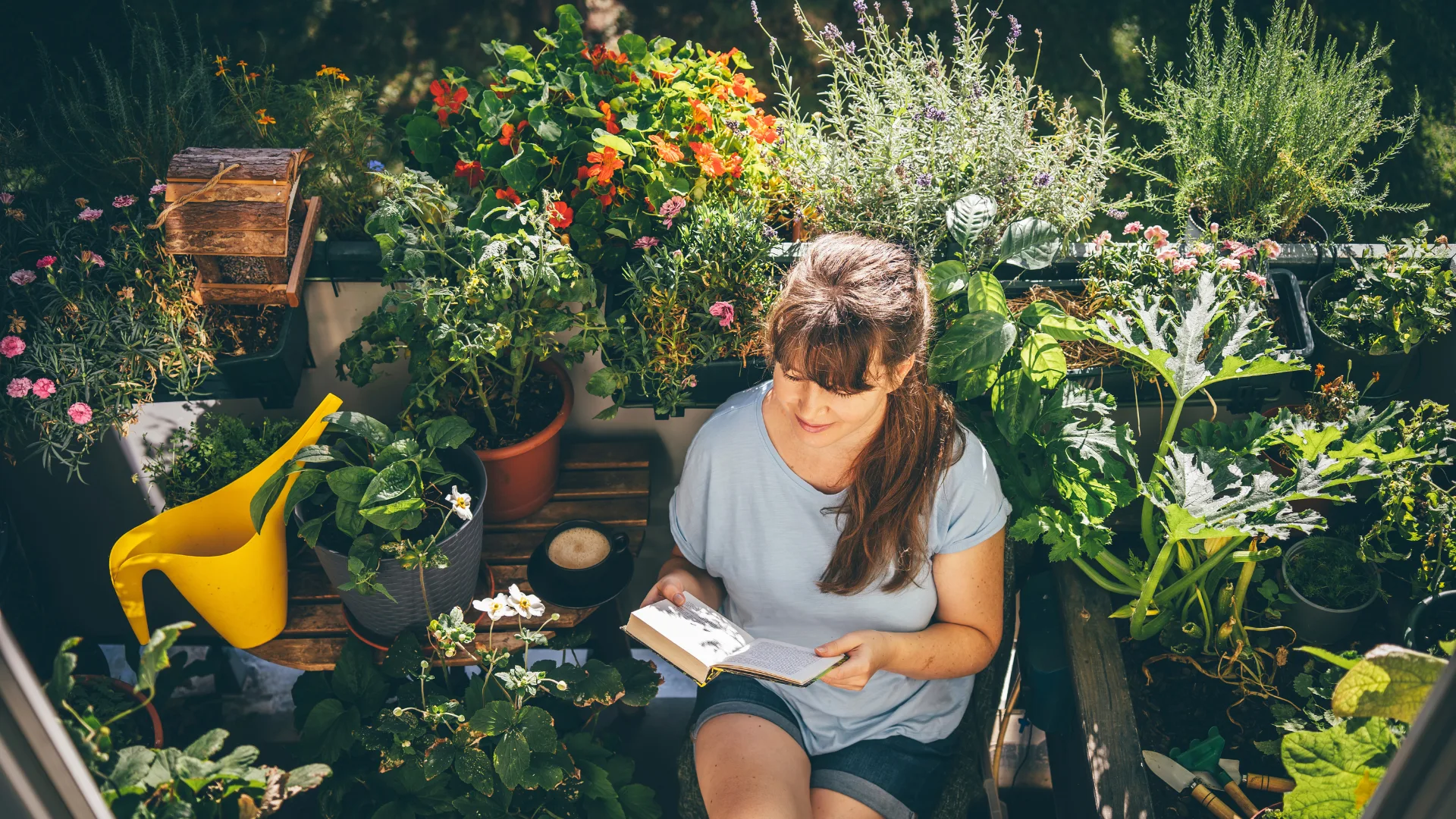
Grouping containers together helps create a small microclimate that reduces water loss and moving pots into light shade during extreme heat can save plants from stress.
Less is more
Feeding little and often keeps container plants happy.
I prefer liquid fertilisers at half strength every couple of weeks rather than heavy feeds that push weak growth.
And don’t forget to rotate pots occasionally – it keeps growth even and prevents plants from leaning toward the light.