


It’s that time of 2026 when I get asked the question “what will the garden trends for this year be?” and I’m always a touch reluctant to offer any advice – simply because a garden should be a personal place that means something to the people who use it.
Therefore, trends are somewhat irrelevant.
With that said, if you’re thinking of adding to your garden or starting a new one, of course, you would think ahead instead of what has been done in the past.
Editor’s top picks for gardening books
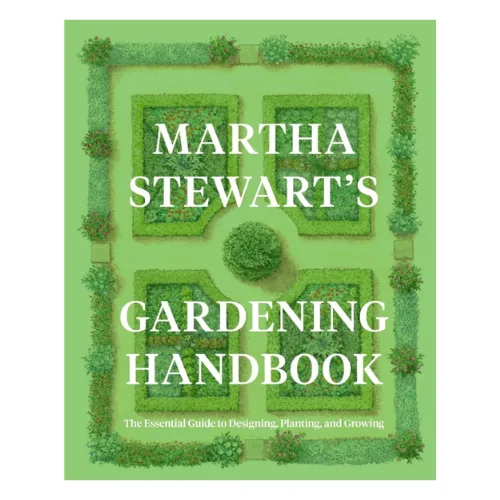
Martha Stewart’s Gardening Handbook by Martha Stewart
$51.29 at Amazon
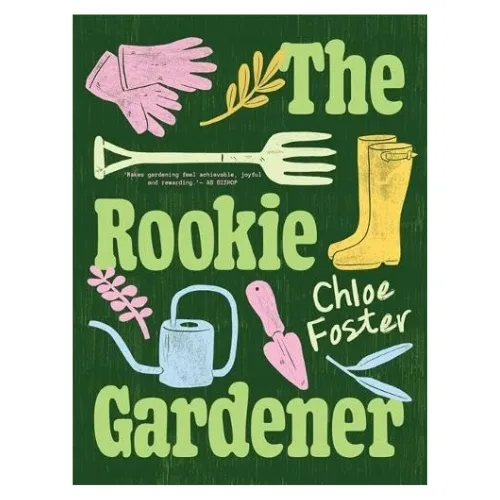
The Rookie Gardener by Chloe Foster
$39.99 at Amazon
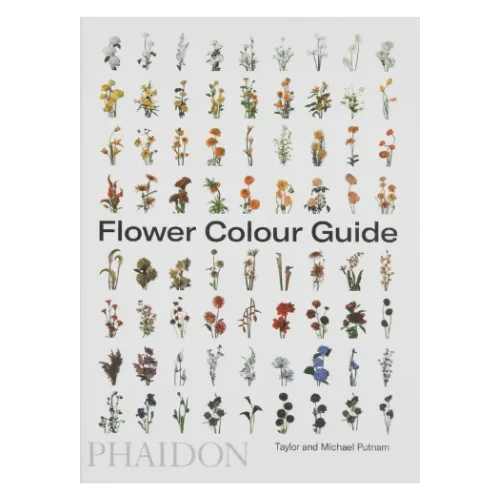
Flower Colour Guide by Taylor Putnam and Michael Putnam
$48.93 at Amazon
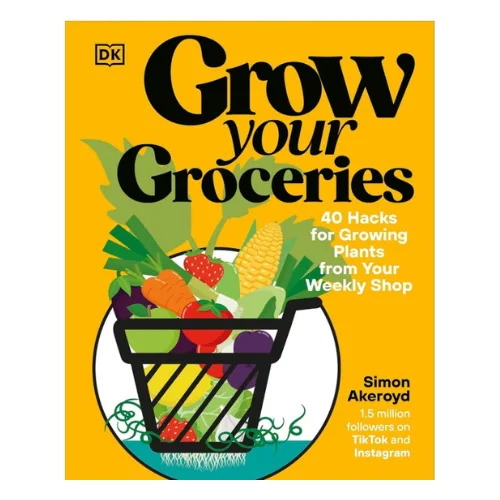
Grow Your Groceries by Simon Akeroyd
$37.99 at Qbd
Forever flora
Expect more gardens designed around year-round interest rather than seasonal bursts, structural plants, evergreen natives, and subtler colour palettes.
And a backbone of resilient shrubs and grasses that carry through heat, rain and dry spells.
Practical planting
Think purpose, not just pretty! The big move for 2026 is away from flashy decor and plant overload, toward gardens that feel rooted, functional and connected to their environment.
Longevity, precision and sustainability are winning out over quick-impact styling.
That means thinking about how a garden grows and ages – not just how it looks on planting day.
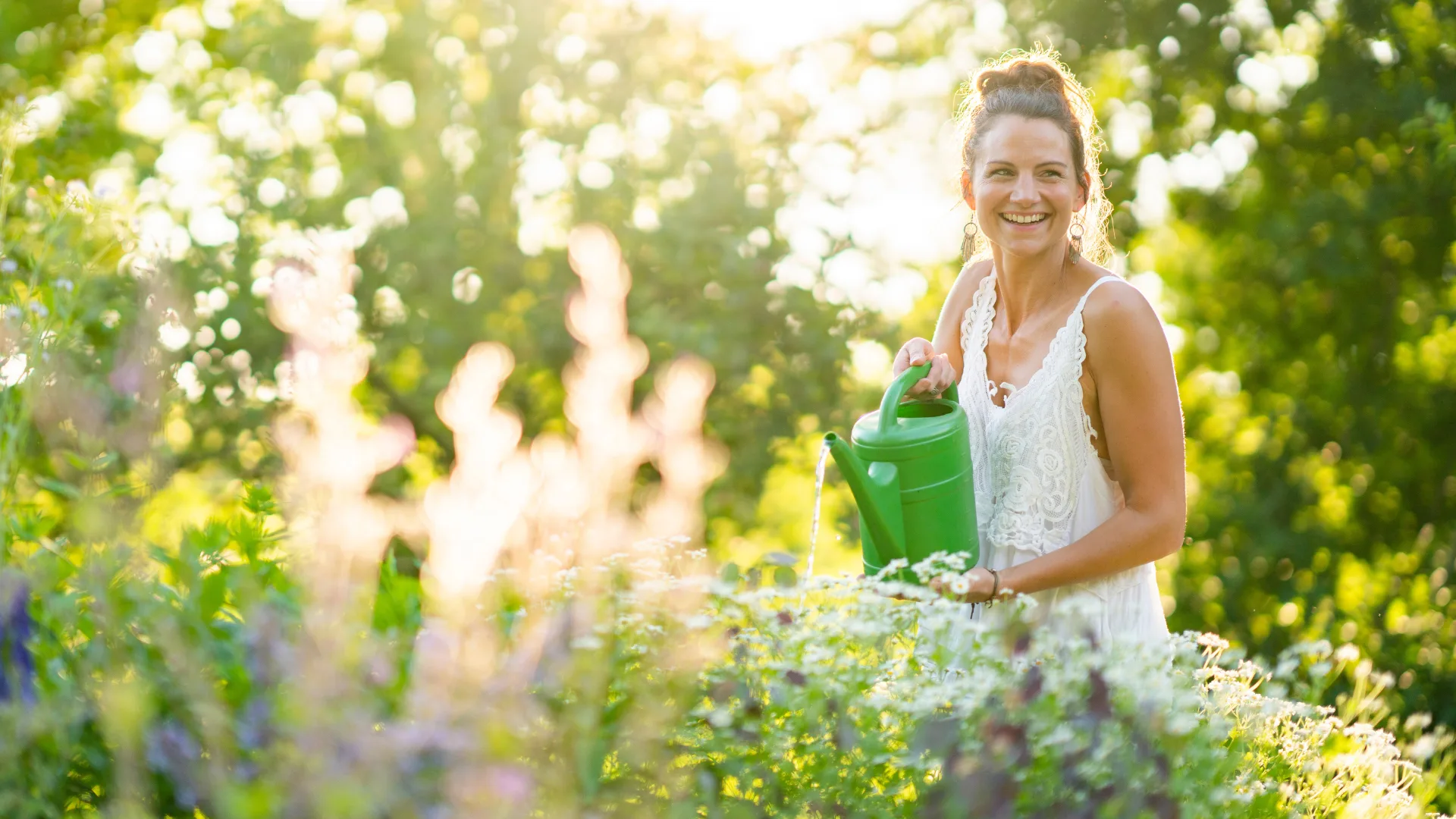
Hydration hackers
With climate change nudging gardeners to rethink how we use water and what we plant, 2026 is shaping up to be the year of climate-responsive landscaping.
Drought-tolerant and native plants – species already adapted to hot, dry summers and shifting rainfall – are all deeply in favour.

Add that to smart irrigation and clever design, and you’ve got gardens that are kinder on the planet and kinder on the wallet.
Think mulched beds, gravel pathways that reduce runoff, and planting schemes that capture rainfall instead of washing it away.
Calming colours
Interestingly, colour in 2026 is about mood as much as vibrancy.
While jewel-toned flowers and foliage still have their place, there’s growing interest in muted palettes, soft textures and calmer contrasts in the form of silvery leaves.
Think gentle pastels and plant combinations that have a calming, restful effect.
Blended bases
Another shift I see more often is the blending of edible gardens, native planting and pollinator-friendly zones all in the same backyard.
People are creating garden patches where fruit trees sit beside natives, edible herbs mix with wildflowers, and native shrubs provide nectar and habitat for birds, bees and butterflies.
It’s as much about sustenance as it is beauty.
The garden becomes part of the home’s life rhythm as a kitchen, as a habitat, as a place of quiet natural interaction rather than just a showpiece.
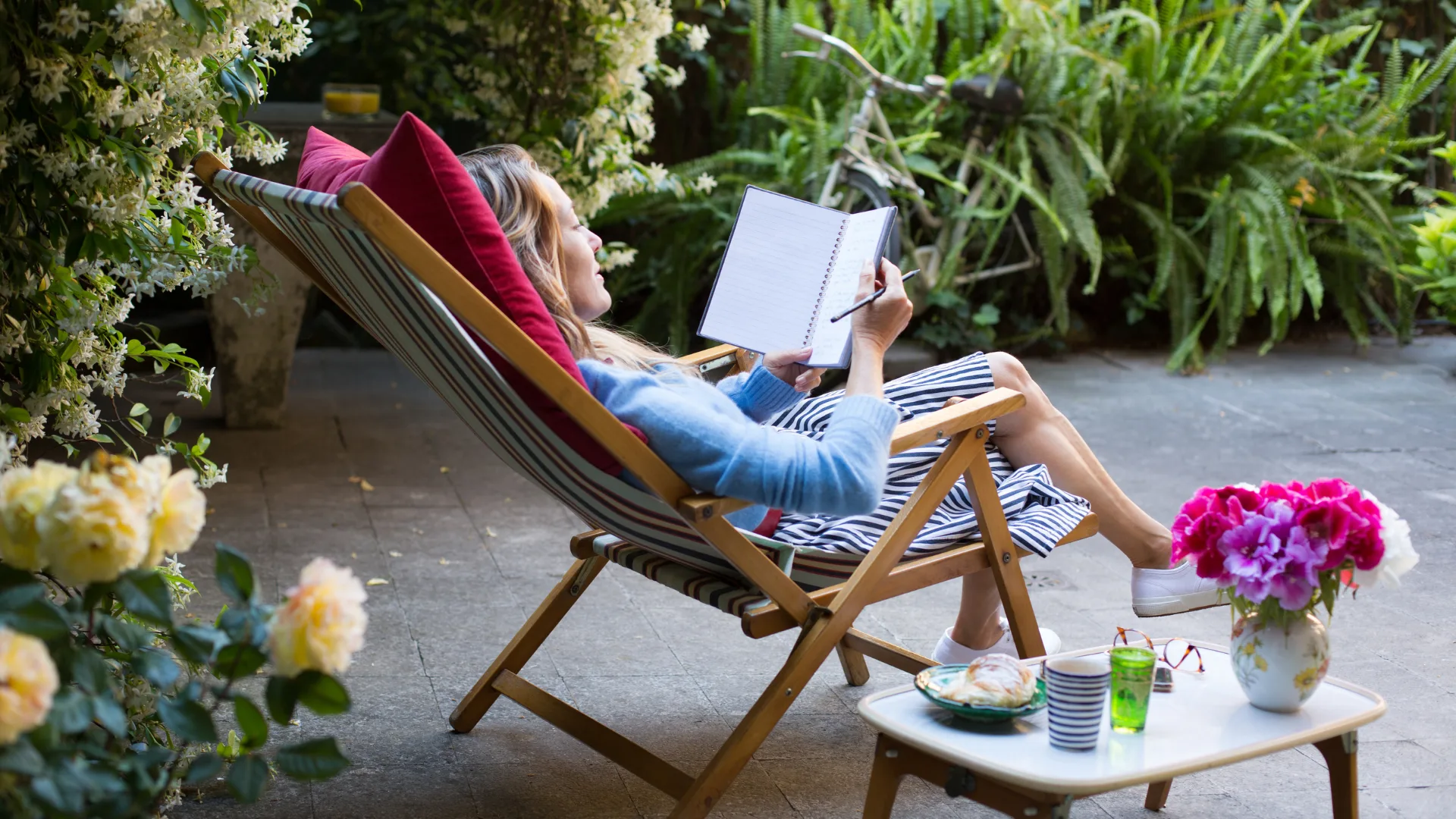
Investing in a personal spot in the garden is the perfect complement to this new style of gardening. A bench or comfortable seat placed within the landscape where you can reflect and enjoy nature is a must.