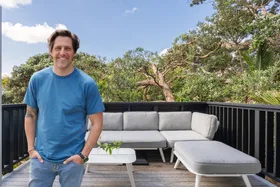

I’ve always loved the idea of squeezing plants into every possible corner of a property – ground level, walls, courtyards, and even rooftops.
There’s something wonderfully indulgent about seeing greenery where you’d least expect it, softening all that harder architecture and giving something back to nature.
Green roofs do exactly that. They’re beautiful, functional and surprisingly achievable if you plan them properly.
So, if you’re looking for a new gardening challenge, try looking up.
There’s a whole other layer of potential there above your head, and it’s a lot greener than you’d think.
Editor’s summer garden picks:
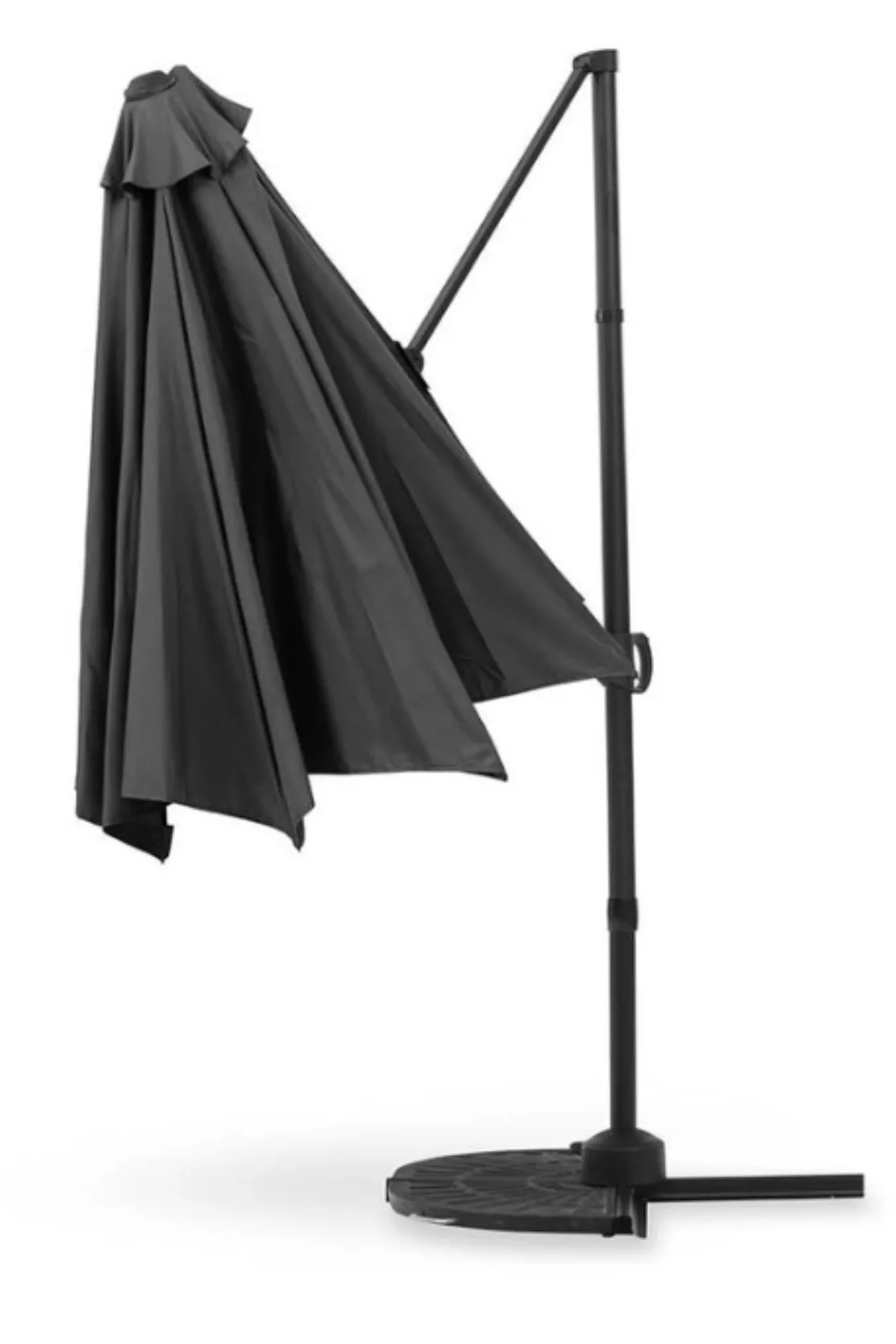
SHADE MASTER Umbrella
$449 at Amartfurniture
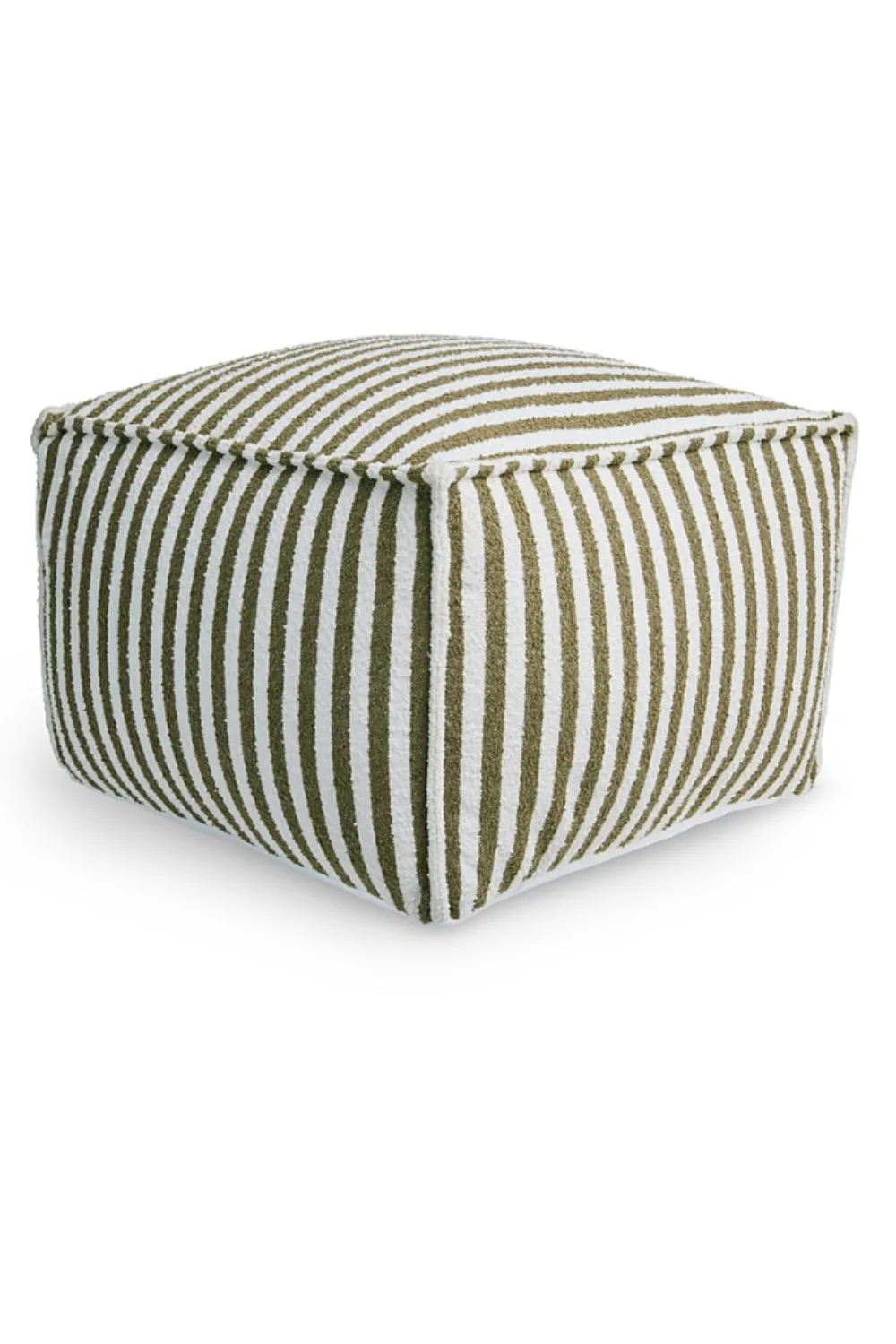
CORFU Outdoor Ottoman
$299 at Freedom
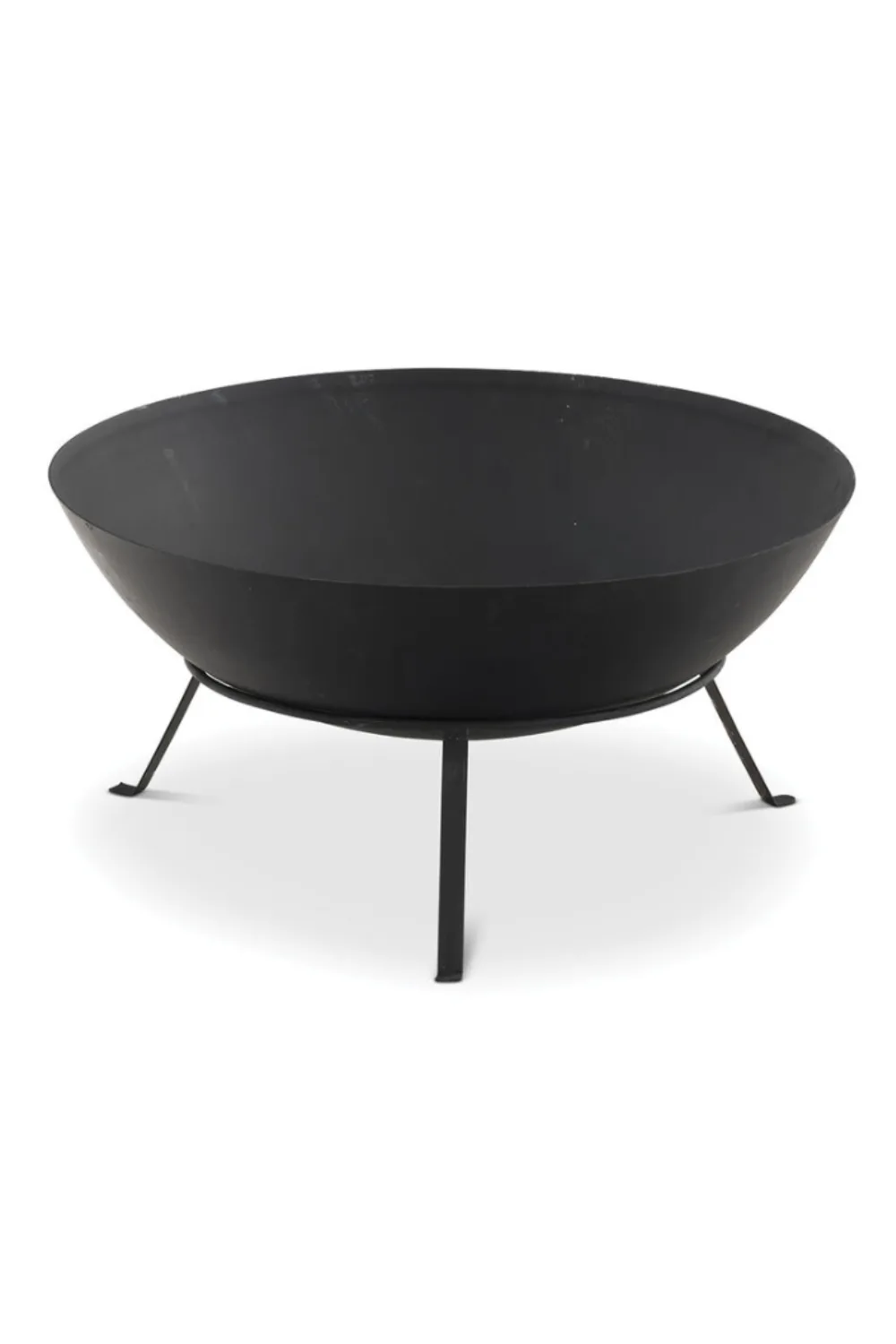
FORIO Fire Pit
$149 at Amartfurniture

Weber Family Q 3100N+ LP
$889 at Thegoodguys
Focus on the foundation
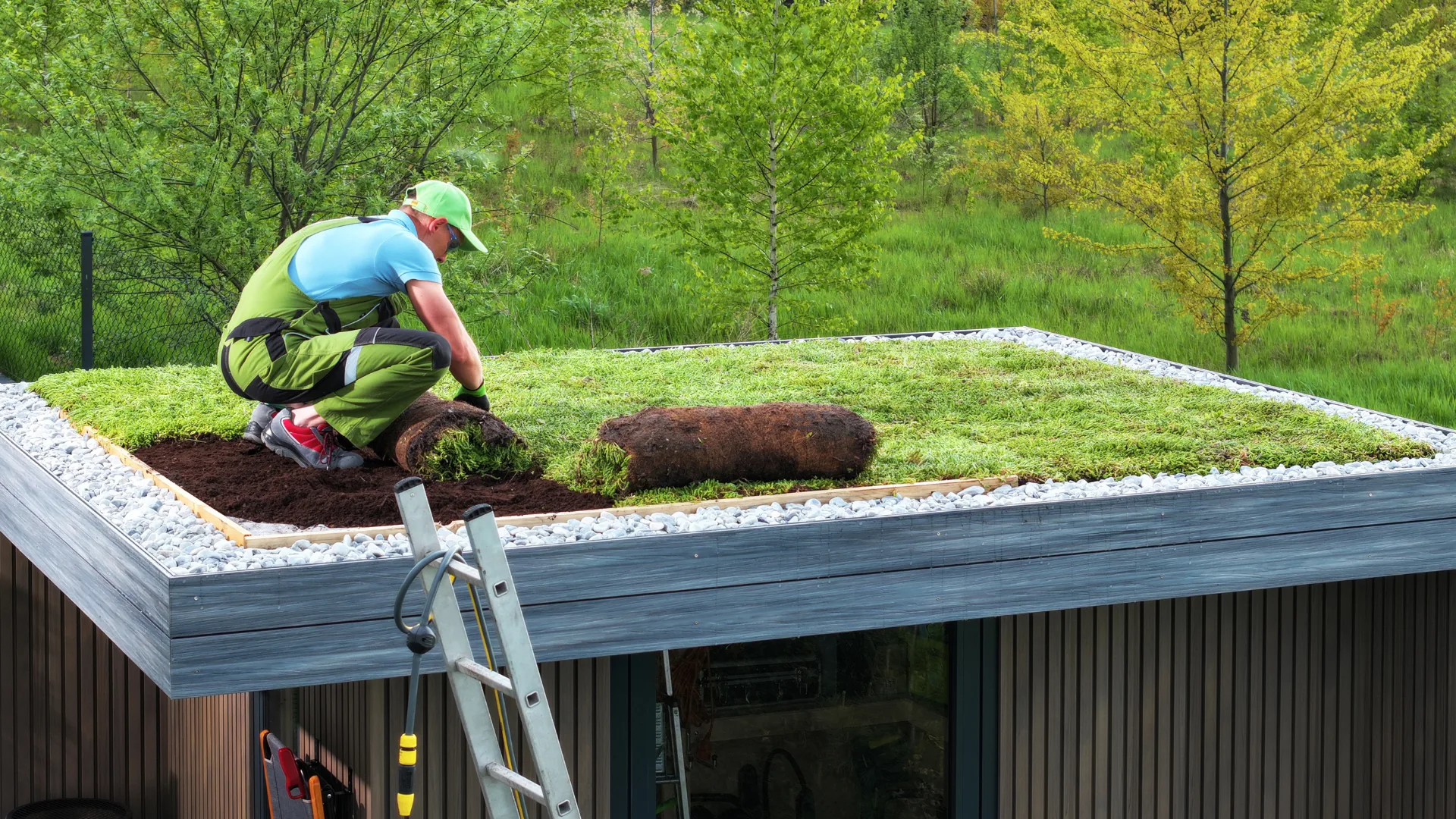
The best spots for a green roof are those that get plenty of light and have easy access for maintenance.
A flat or gently sloping surface is ideal – think garage tops, shed roofs, verandas or even an extension roof you can see from the house.
Before you get carried away with visions of wildflower meadows up top, check the load-bearing capacity of the structure.
Wet soil is heavy, and the last thing you want is your garden ending up in the living room.
Most new buildings can be engineered to support the extra weight, but if you’re retrofitting, it’s probably worth talking to an engineer first.



Attend to drainage
Drainage is absolutely key. Without it, you’re not creating a green roof but rather a shallow pond.
A proper set-up includes a waterproof membrane over the roof’s surface, followed by a drainage layer (usually lightweight gravel or a specialist matting system) and a filter fabric to stop the fine particles from washing down and clogging things up.
This keeps the roots aerated and the water moving freely.
Get the ground right
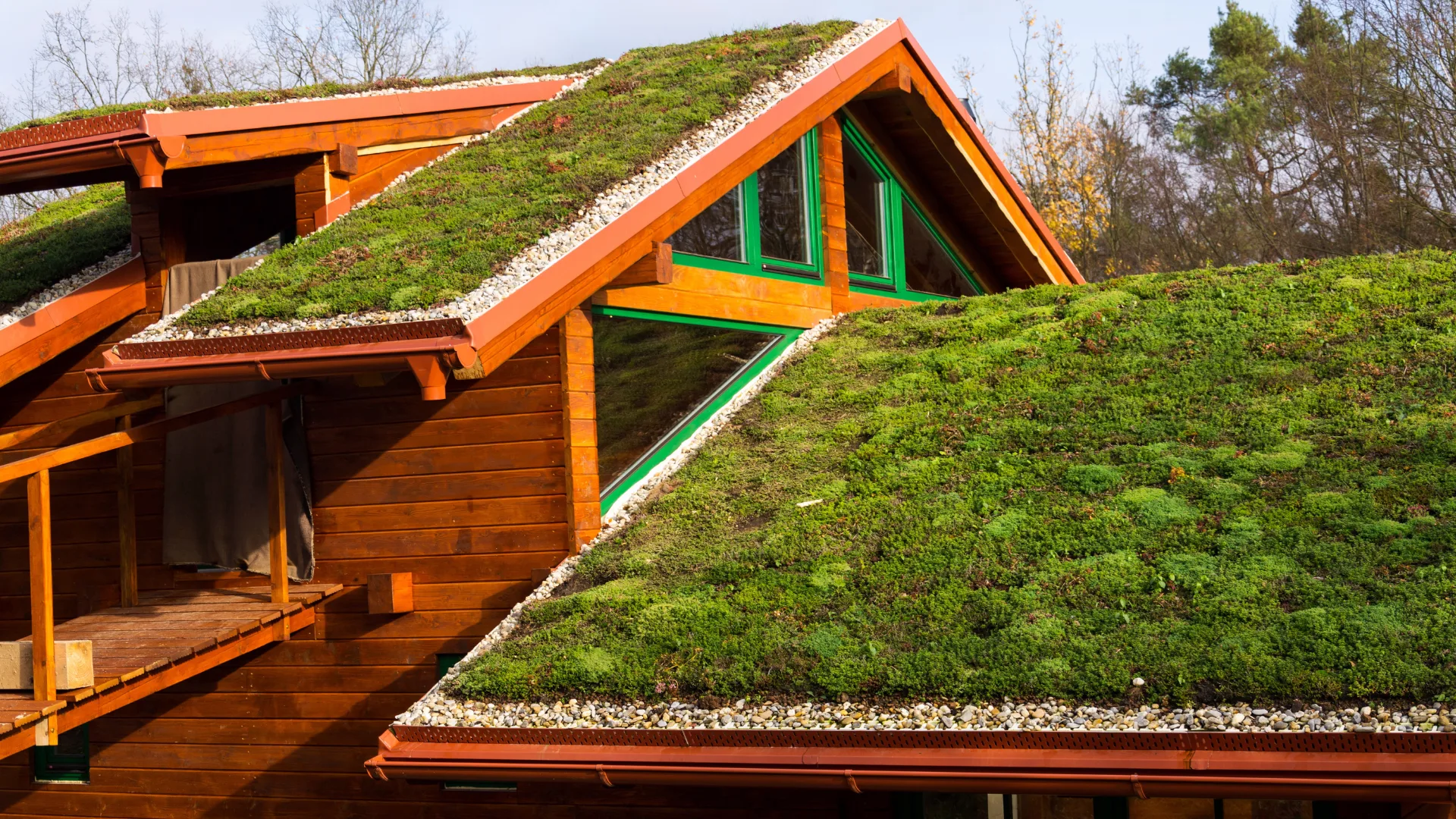
Next comes the soil – and this is where most people go wrong. Ordinary garden soil is too heavy and compacts too easily.
What you need is a lightweight growing medium, specially made for green roofs.
It’s often a mix of mineral components like scoria or perlite, combined with organic matter for nutrients. This kind of mix stays open, drains well and keeps roots happy even under the baking summer sun.
Now, for the fun part – the plants. A good green roof should be hardy, shallow-rooted and self-sufficient.
Get creative with flora
Think low-growing species that can handle wind, heat and a bit of neglect.
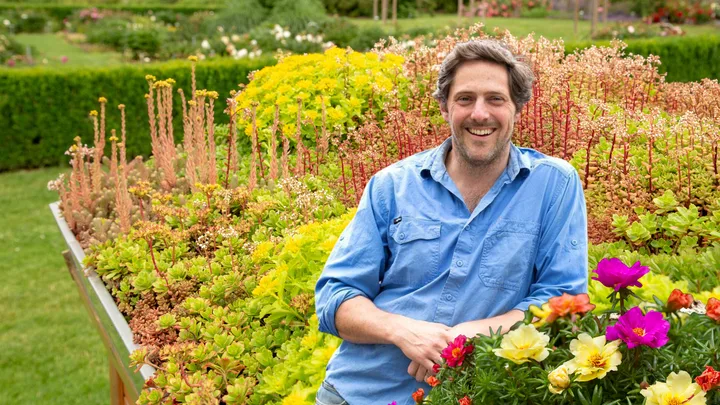
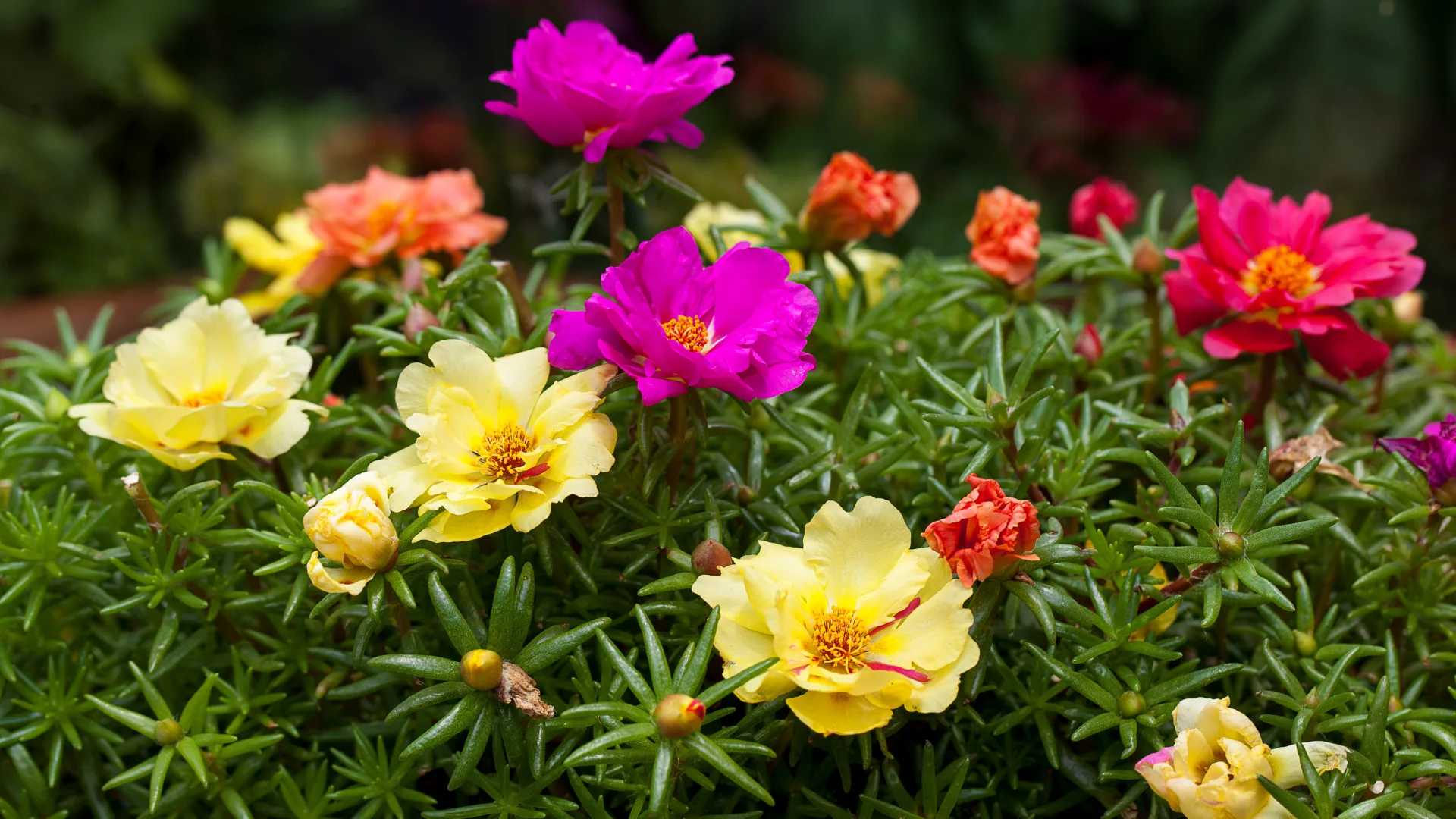
Succulents are an obvious winner here – Sedum, Crassula and Portulaca varieties thrive on minimal water and look fantastic en masse.
Ornamental grasses also make for a lovely outlook with both texture and movement – think native Lomandra or Poa varieties and even taller species such as Miscanthus or Pennisetum.