

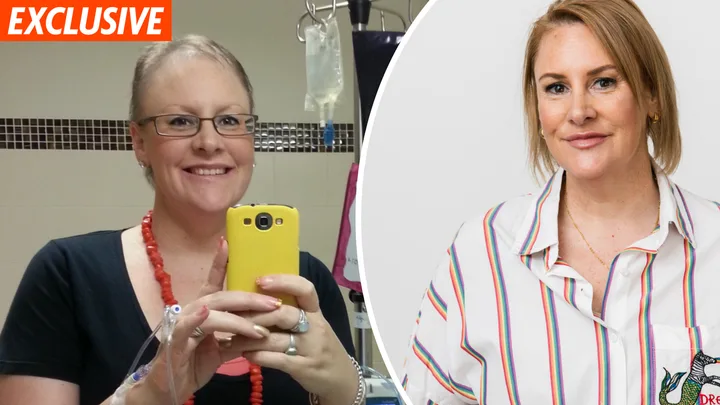
Natalie May’s period had just finished when she started bleeding again.
Sticking on a pad, she tried not to worry, but at 37 she knew her body and this heavy, bright red blood was different from anything she’d experienced before.
“My GP didn’t have any appointments, but a few days later I went and waited in the surgery. I knew it wasn’t normal,” she says, proud now of having advocated for herself.
Squeezing Natalie in, the GP sent her for a pelvic scan which showed a 6cm cyst on her left ovary. Despite needing surgery to remove it, nobody expected it to be anything sinister. She was young and otherwise healthy, and Natalie thought that would be the end of it.
“I took my 10-year-old daughter [Jessica] to the appointment to get my stitches out – that’s how unconcerned I was,” Natalie, now 51 from Adelaide, says.
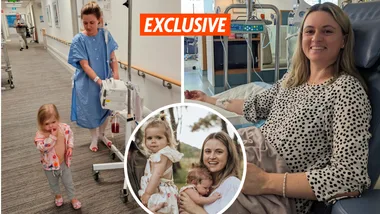
Horrifyingly, it was just the start of her ordeal and, while a nurse took Jessica to the waiting room, Natalie and her husband Trevor were told her cyst was ovarian cancer.
The cancer, Australia’s deadliest women’s cancer, is something ordinarily found in women aged 45-plus and Natalie’s doctors had no explanation for why she had it so young.
“I needed a radical hysterectomy, which was a removal of all my reproductive organs including my cervix,” Natalie says.
“We hadn’t thought we’d have more children, but it was huge having that choice taken away.”
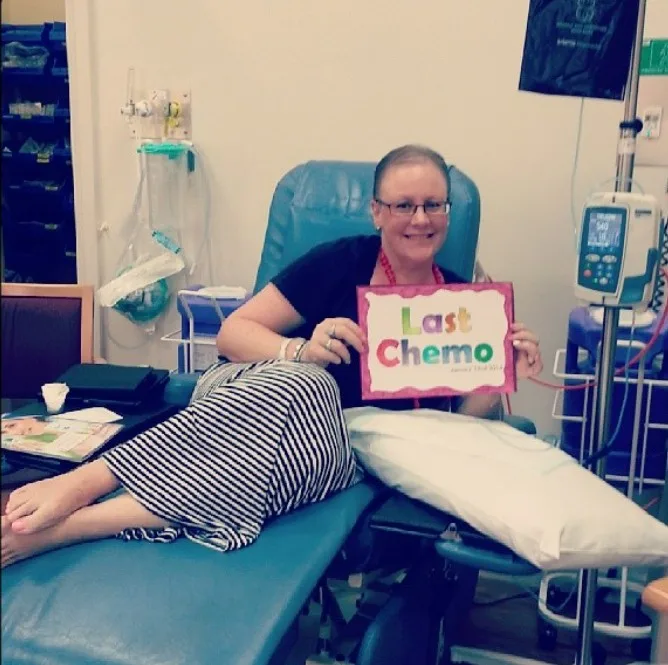
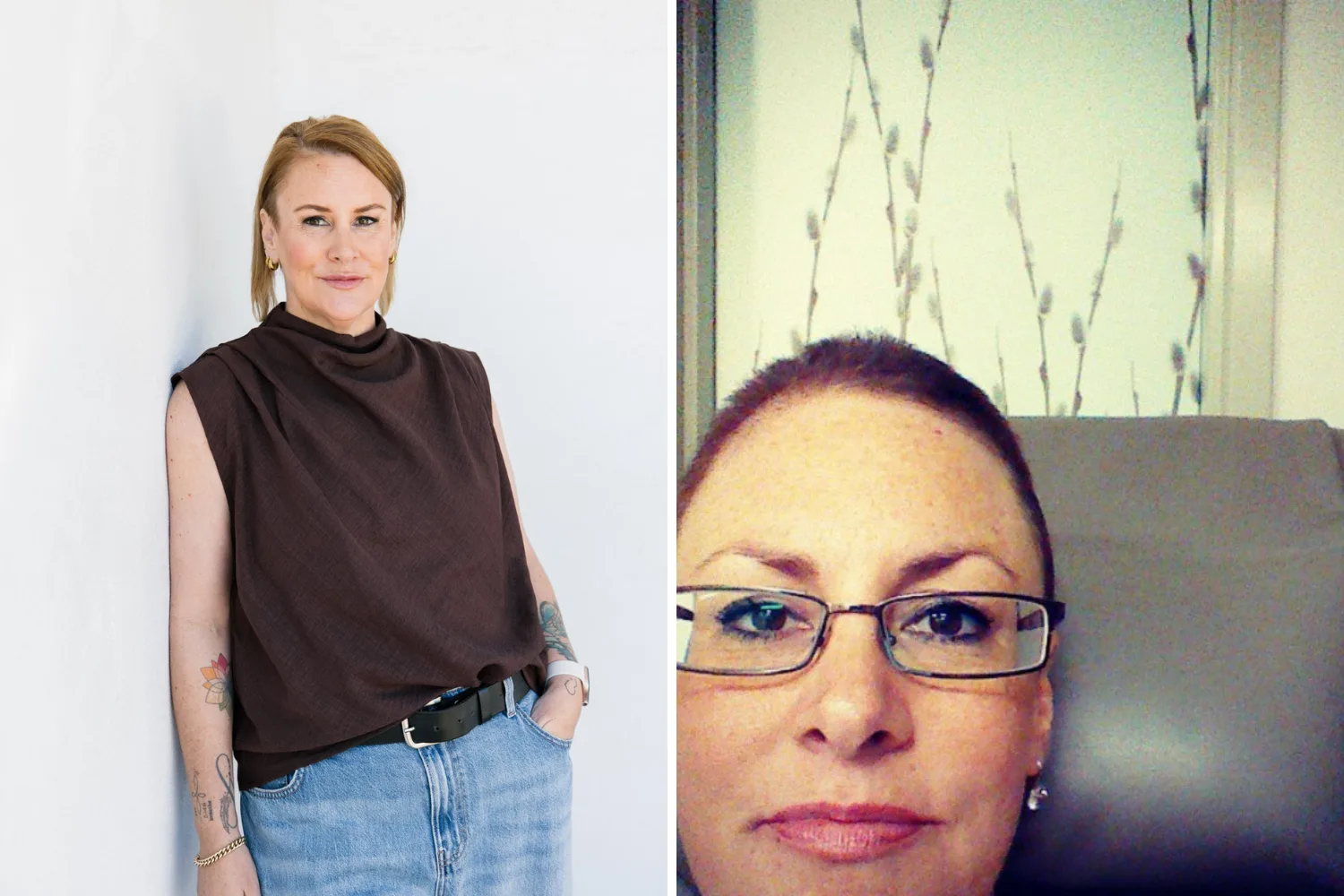
Six months of chemotherapy followed, after which monthly and then annual checks saw her cancer-free. She was far from unscathed though and a year after her 2013 cancer diagnosis Natalie was diagnosed with PTSD.
“It took its toll mentally,” Natalie says.


“I kept thinking how lucky I was to have that one symptom and to have followed it up.”
Her research showed that her bleed was unusual and that ovarian cancer is characterised by its lack of symptoms or symptoms, like bloating or abdominal pain, which could be explained by something else.
Crucially, there is also no testing for ovarian cancer.
“I’d had the year off work, but when I went back I saw it as my responsibility to share my story,” Natalie, who runs the Natalie May scrapbooking business, says.
“My clients are all mums, grandmas, retired – the age group who should know about ovarian cancer.”
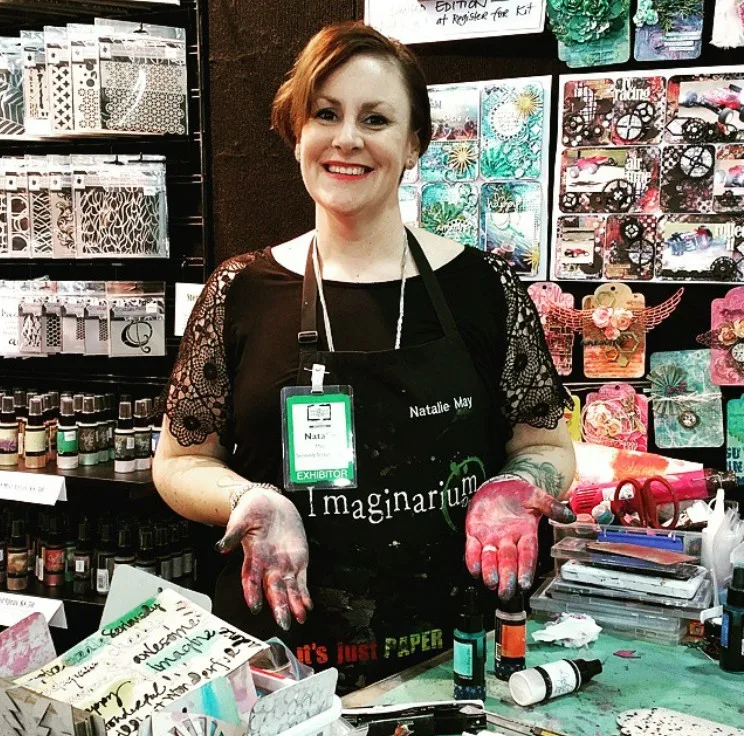
Over the years Natalie has talked about ovarian cancer at every opportunity. 1,900 Australians are diagnosed annually, and there is only a 49 per cent survival rate after five years.
“So many women have reached out to me saying they have investigated symptoms because of hearing my story,” Natalie says.
“People are scared to talk about vaginas – it’s taboo. I want to be the human face behind a cancer people don’t understand, and I know it’s made a big difference in my community.”
Natalie has also raised over $30,000 for ovarian cancer research, and she’ll keep going.
“If sharing my story helps one woman, then it’s worth it,” she says.
See more New Idea on Google – Save us as a Preferred Source

