

Most adults think of whooping cough as a vintage childhood disease or something you only need to worry about if you’re visiting a newborn.
And the most dangerous myth most of us accept as truth? That the immunisations we received as children protect us for life.
But during 2024 and 2025, there were 82,513 whooping cough cases across Australia, according to the National Centre for Immunisation Research and Surveillance.
While school-aged children saw the highest infection rates, health authorities noted that the adult percentage (over 30 per cent) was significant. That’s why a whooping cough booster is more prevalent than ever.
The ‘100-day’ reality check
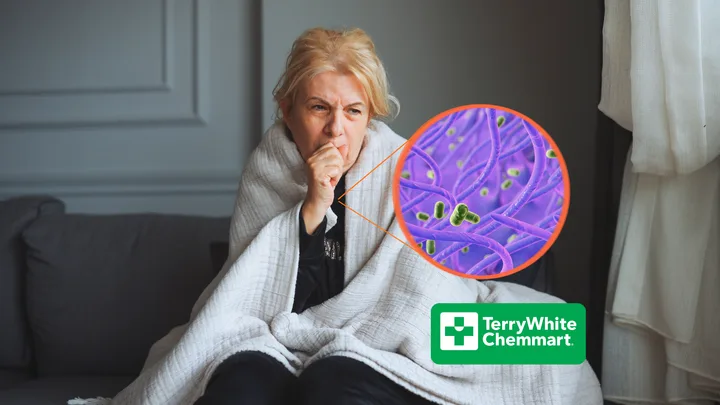
Otherwise known as the ‘100-day’ cough, or pertussis, whooping cough is a serious respiratory infection that is caused by bacteria (Bordetella pertussis).
The ‘whoop’ refers to the sound infants and young children may make when taking a quick breath between coughs. With adults, it usually manifests as that unstoppable dry hacking cough you just can’t seem to quit.
Whooping cough is highly infectious and can spread easily through coughing and sneezing, affecting people of any age.
And while adults and older children generally recover from symptoms, it can be life-threatening for infants and newborn babies.
Night time triggers
Symptoms usually take seven to 10 days to occur after infection.
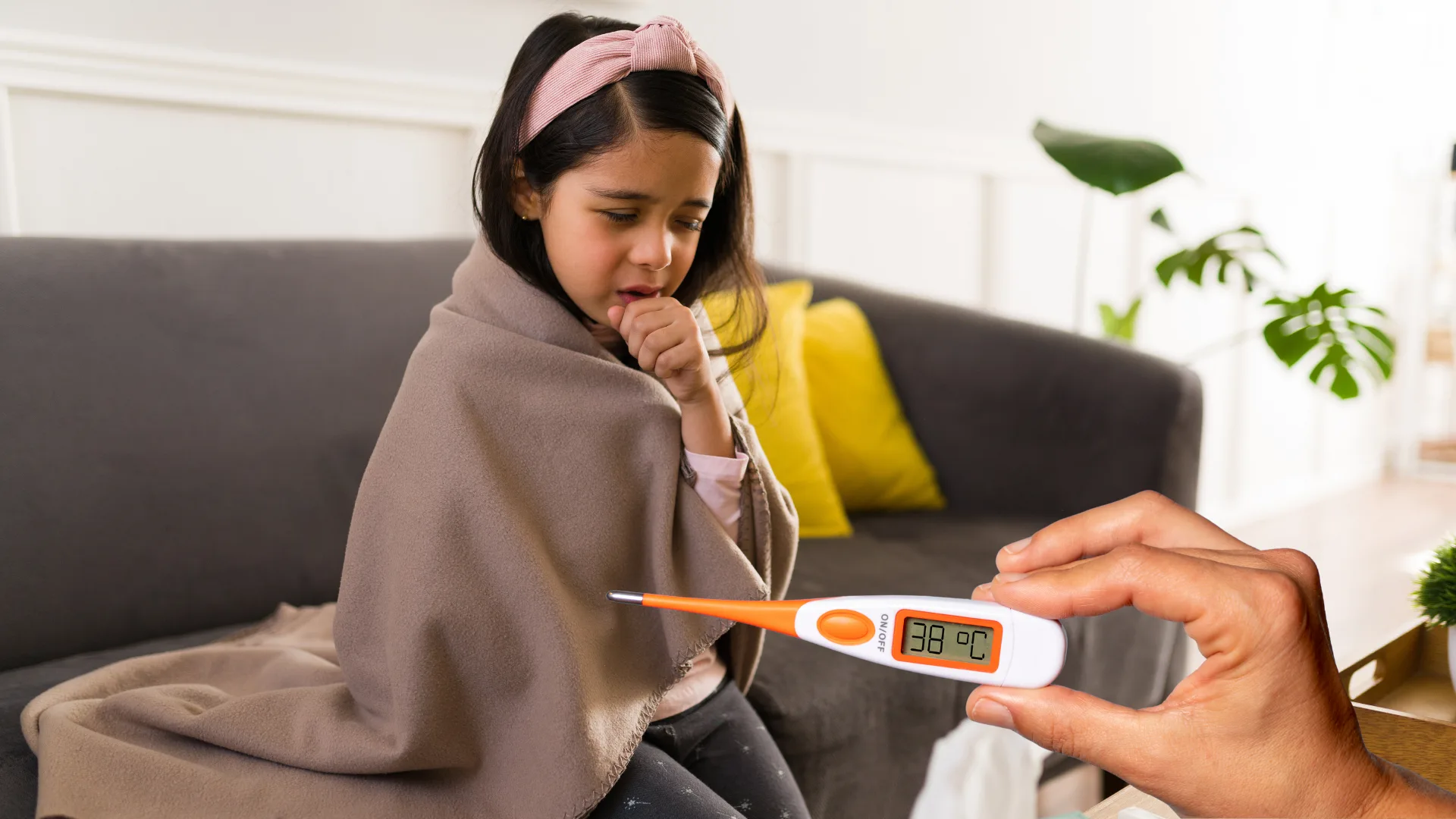
Whooping cough generally first appears in the form of cold-like symptoms, including a blocked or runny nose, mild fever, sneezing, and a mild cough, according to Health NSW.
But the real giveaway that you’re dealing with something nastier? The nocturnal burst.
At night, the coughing typically worsens into long, uncontrollable bursts, which can disrupt your sleep and leave you even more physically depleted the next day.

Some older Australians should be especially cautious if they’re prone to fainting when severely fatigued.

Your antibiotic window
Timing is everything when it comes to pertussis.
Once your GP has diagnosed whooping cough, they’ll generally follow up by prescribing you some antibiotics.
While these may not speed up your recovery – because let’s face it, the damage is done – the antibiotics will at the very least reduce the risk window of spreading infection to others, according to HealthDirect.
Getting enough rest and drinking plenty of water may help relieve certain symptoms.
Reduce the risk of spreading
Protecting the people around you means staying home and strictly avoiding contact with high-risk groups like infants, pregnant women, and elderly relatives.
If you are infected, health authorities advise isolating until exactly five days after starting your antibiotic course – giving the medication time to clear your contagious window.
To help understand, we reached out to TerryWhite Chemmart Pharmacist, Jasmine Penny-Dimri, about the truth behind the dreaded cough.





The ‘100-Day Cough’: Why whooping cough is a household risk, with TerryWhite Chemmart Pharmacist Jasmine Penny-Dimri.
I thought whooping cough was mainly a concern for babies. Why is it a risk for adults, too?
While whooping cough is most dangerous for infants, it is certainly not restricted to them.
During Australia’s 2024 whooping cough surge, more than 70 per cent of cases occurred in those aged 10 years and older.
In adults and teens, you often won’t hear the classic ‘whoop’ sound; the main symptom is often a persistent, hacking cough that lasts for months, which is why it’s often called the ‘100-day cough’.
If I’ve just got a persistent cough but feel otherwise OK, is it really a major priority?
The challenge with whooping cough in adults is that it’s often dismissed or self-treated with standard over-the-counter products, which can mean you unknowingly spread the infection.
Interestingly, siblings, not parents, are now one of the most frequent sources of infection for babies.
Staying protected ensures you aren’t the link that carries the virus to a family member or colleague.
I had my vaccinations at school, so am I protected for life?
Immunity from childhood vaccinations fades significantly as we get older. Public health data shows the vast majority of older Australians aren’t up to date with their whooping cough booster.
If your last vaccination was during high school and you’re now in your thirties, forties, or beyond, your ‘shield’ has likely dropped. A booster is recommended every 10 years.
I can’t remember the last time I had a booster. What’s my next step?
You don’t have to rely on memory! Check your status through the myGov website or the Medicare app – we can help you with this.
And our pharmacists can administer your booster in our private CareClinic rooms. It’s a quick and easy way to protect your own health and those around you this winter.
For more information, go to terrywhitechemmart.com.au