

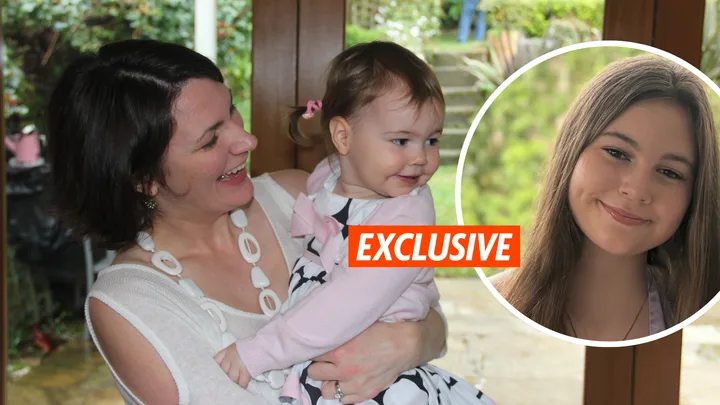
Lucy Mathewson had only just taken her first tiny steps when her world took an unexpected turn.
At just 14 months old, she began crying in her sleep – but they weren’t the normal sounds of a restless baby.
They were deep, anguished sobs that jolted her mum, Victoria Allen, awake night after night.
“I’d rush in, thinking she needed me,” Victoria tells New Idea. “But she was still asleep while she was crying, which I knew couldn’t be right. It was heartbreaking because I didn’t want to wake her, but I couldn’t bear seeing her in distress.”
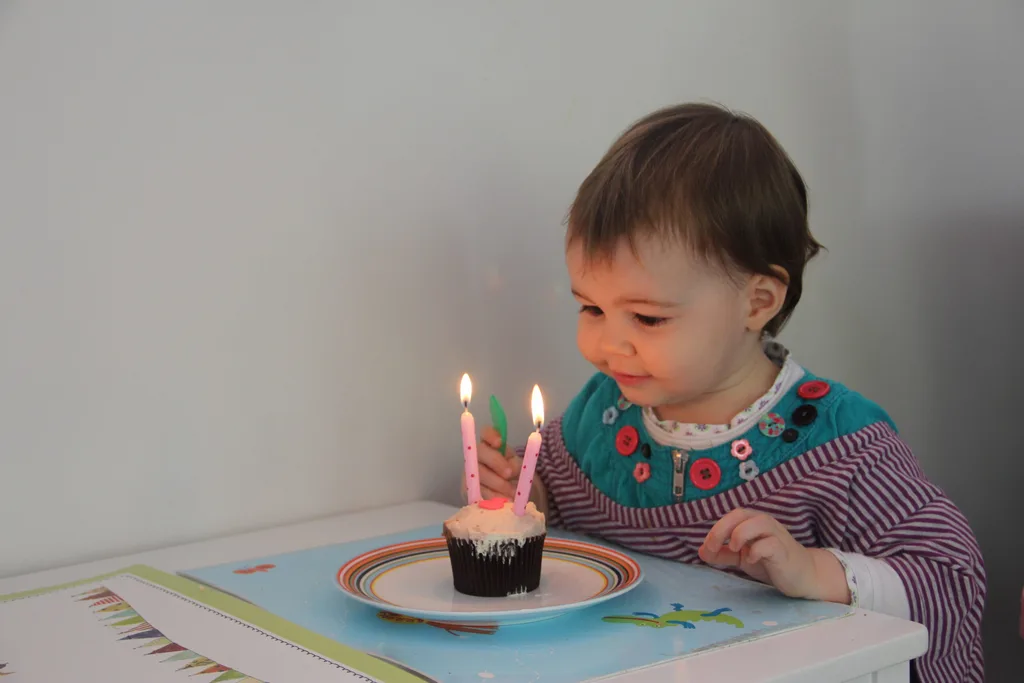
Victoria’s worry deepened when Lucy, who had been walking confidently since she was one, suddenly began sinking to the floor in pain.
When she noticed Lucy’s right knee was swollen, Victoria assumed it was the result of a fall and took her to the GP.
After months of appointments and tests Lucy was diagnosed with juvenile idiopathic arthritis. The autoimmune condition causes the body to attack its own joints, leading to chronic inflammation, stiffness and severe pain.
“I was completely blindsided,” Victoria, 50, recalls.
“At the time, I didn’t even know children could get arthritis. Also, the internet wasn’t a thing back then so there was very little information available on the condition.”



The battle for answers
Before Lucy turned two, she underwent the first of what would become more than 20 surgeries to drain fluid from her swollen joints, before injecting steroids to reduce the inflammation.
After each procedure, there would be a glimpse of relief. Lucy would walk again, smiling as she rediscovered her independence.



But every few months, the flare-ups would return without warning, leaving Lucy in agony and, at times, confined to a wheelchair.
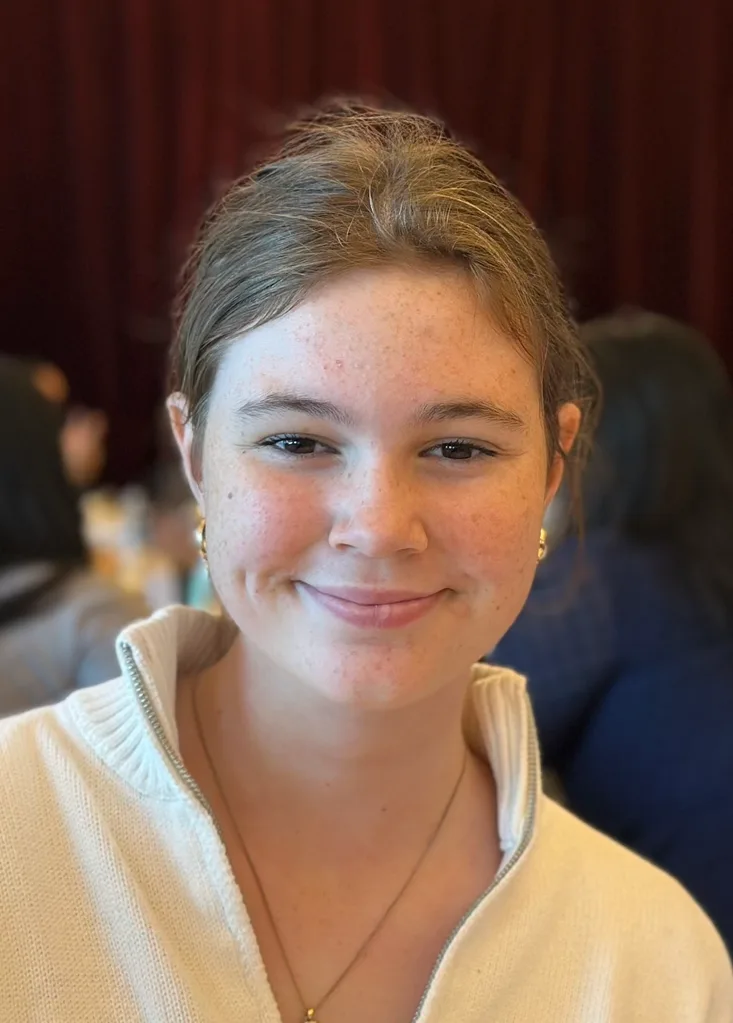
As Lucy, now 16, grew older, so did her awareness of how different her life looked from those around her.
“I remember watching the other kids sprint across the oval while I struggled just to keep up,” Lucy says.
“It was incredibly isolating – no-one really understood what I was going through, and sometimes they didn’t even believe me. I loved sport, especially netball, but there were so many games I had to sit out because the pain was unbearable.”
A sign of hope for others
The constant demands of Lucy’s care also reshaped Victoria’s life, making it impossible to continue her career in corporate law.
Determined to turn her family’s struggle into something meaningful, Victoria co-founded the Juvenile Arthritis Foundation Australia in 2019, giving children living with rheumatic disease a voice and a sense of hope.
The foundation works to raise awareness of the condition, improve access to care and ensure other families don’t feel alone.
“I found myself constantly explaining the condition to teachers, other parents, even some medical professionals,” she says. “It’s exhausting because people just don’t understand how serious it is.”
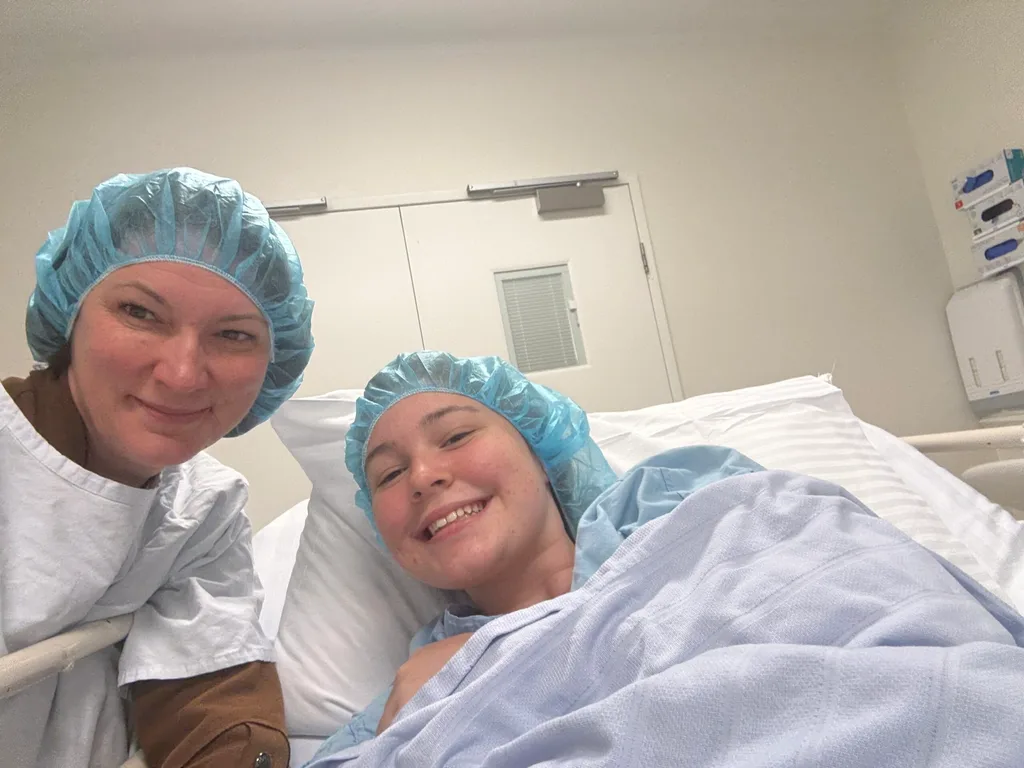
Last year marked one of the biggest turning points in Lucy’s journey, when she underwent major ankle fusion surgery with a bone graft.
The recovery was long and gruelling, leaving her unable to walk for weeks and forcing her to step away from the netball court.
Through it all, Lucy says the unwavering support of her family and friends helped her hold onto hope.
“If I’m not positive, it’s just too hard,” she says. “I’ve had this for so long now that it’s just part of my life and I just have to manage it the best I can.”

