

Every three days, one Australian is diagnosed with a Bone Marrow Failure Syndrome.
Most of them are children and young adults, and half of those diagnosed will not survive, according to the organisation Maddie Riewoldt’s Vision.
Thousands more live with complex medical challenges and ongoing health risks, including a significantly higher chance of developing cancer.
Knowing the signs, causes and ways to help can mean saving a life this National Bone Marrow Failure Syndrome Awareness Week (March 2-8).
What are Bone Marrow Failure Syndromes?
Bone marrow failure happens when the body is unable to produce or continue to produce healthy blood cells.
There are a broad group of disorders that fall under the category of bone marrow failure syndromes.
According to St Vincent’s Institute, three types of bone marrow failure syndromes include:
Aplastic anaemia – Bone marrow stops producing enough new blood cells.
Myelodysplastic syndromes – Blood cells fail to mature properly, which affects their function.
Paroxysmal nocturnal hemoglobinuria – Red blood cells lack a protective coating and break down too quickly.
Other potential disorders include fanconi anaemia, schwachman-diamond syndrome, dyskeratosis congenita, and diamond-blackfan anaemia, among others.


What are the symptoms?
Recognising symptoms early might be able to change the trajectory of someone’s journey.
Potential signs of Bone Marrow Failure Syndrome vary depending on the type.
Reduced red blood cells results in anaemia, according to Maddie Riewoldt’s Vision. Symptoms of anaemia can include an ongoing sense of fatigue and weakness, and pallor.
Reduced white blood cells can lead to the risk of severe infections and potential signs of fever.
Increased bleeding or bruising, which is uncommon but can occur, might be the result of reduced platelets – the cells responsible for clotting.
If you experience persistent or unexplained symptoms, please seek medical advice.
What can cause bone marrow failure?
The cause is not often clear for patients, hence the need for urgent investment into research.
The illness can be inherited genetically or acquired from various external factors such as being exposed to viral infections, certain chemicals or medications, radiation, developing a form of blood cancer or other unknown factors, according to studies.
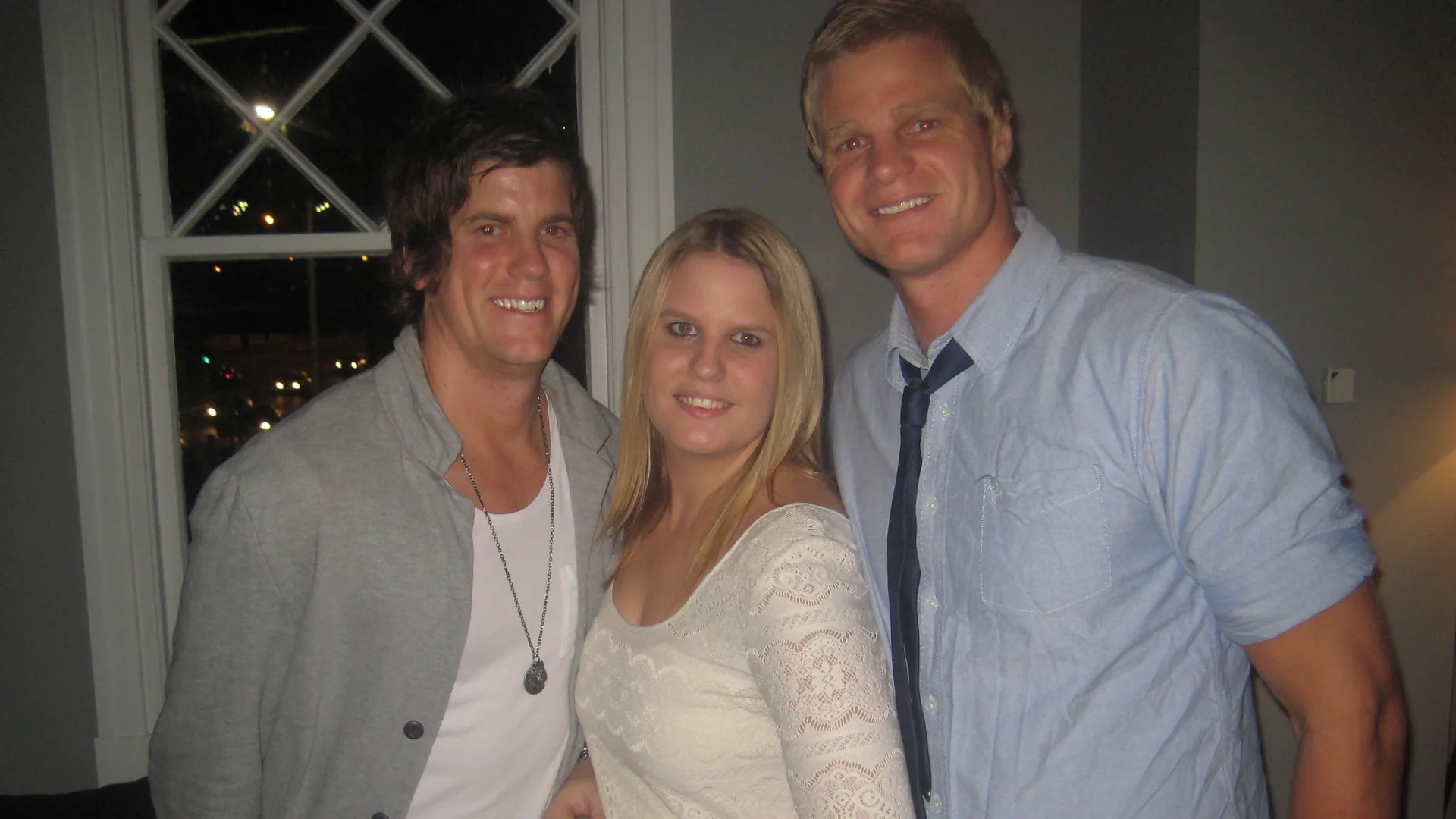
In Maddie Riewoldt’s honour
You might know Nick Riewoldt from his AFL career or from his Celebrity MasterChef win, but it’s his family’s legacy, born from the loss of his sister Maddie, that matters most to his heart.
Before her passing at 26, Maddie relied on hundreds of transfusions to stay alive during treatment.
“When my brother and I weren’t a match for a stem cell transplant, Maddie had to rely on an international donor,” Nick says. “That is the reality for so many … Raising awareness and taking action is critical.”
According to Fiona, Maddie’s journey showed the family just how little was really known about the disease and how limited the options for treatment were.
“It was incredibly confronting to realise doctors are doing their best with therapies that haven’t changed in decades,” she adds. “Research is the only way that changes.
It’s how we move from managing symptoms to finding better treatments and, ultimately, cures.”
Are you struggling with something similar?
Going through something similar? Whether it’s someone you love or a personal battle, you don’t have to always be strong, Fiona tells New Idea, who understands how isolating a diagnosis can be.
“There were days when I felt completely undone, and that’s OK,” she adds. “Try to take it one day at a time. Lean on the people who offer help, even if it feels uncomfortable.
No family should have to navigate it alone. Hold onto the small moments of light, laughter, the little signs of hope, the family rituals. Those moments carry you further than you think they will.”



How to help save a life
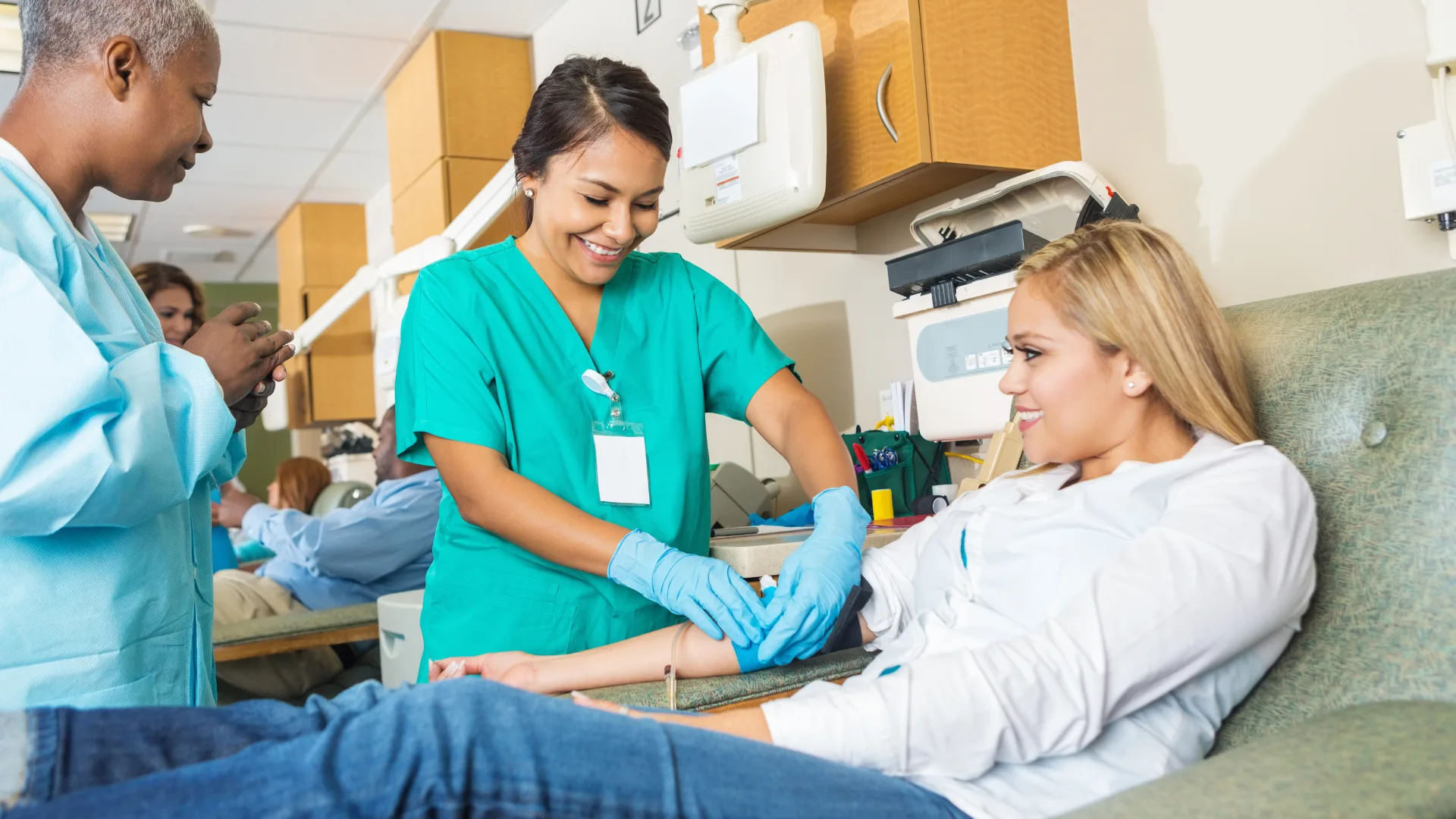
One in three Australians will need a donation of blood in their lifetime, but only one in 30 donates.
In fact, a new blood donor is needed every five minutes, according to Maddie Riewoldt’s Vision.
As the mother of Maddie Riewoldt, who passed away in 2015 from aplastic anaemia, Fiona knows how life-changing a donation can be for a person diagnosed.
“For someone living with a syndrome, a blood or bone marrow donation isn’t just generous,” she says. “It can quite literally mean the difference between life and death.
We know first-hand how precious that time is. Becoming a blood donor or joining the stem cell donor registry is such a simple act, but its impact can echo through an entire family forever.”
To learn more about blood donations, visit blood.gov.au. To join the Stem Cell Donor Registry, visit redcross.org.au.
Visit mrv.org.au for stem cell information and support.
When is National Bone Marrow Failure Syndrome Awareness Week?
National Bone Marrow Failure Syndrome Awareness Week in 2026 spans from March 2nd to the 8th, highlighting the crucial need for further investment into medical research and life-changing donations.

