

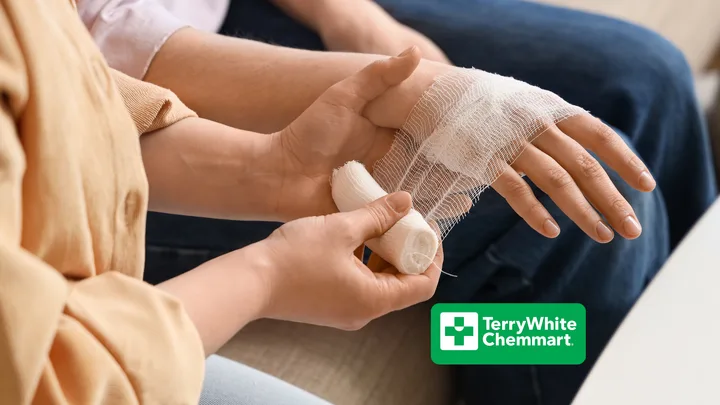
Most of us treat our first-aid kits like a forgotten time capsule – tucked under the bathroom sink or in the laundry cupboard, quietly collecting dust until someone nicks a finger.
One in five Aussies don’t realise that first-aid supplies even carry an expiration date, studies show, let alone remember to check them. And to be honest with you, I am one of the many who didn’t know.
I, of course, know that medication expires, but I was quickly humbled to know the bandages in my bathroom cabinet were likely no good.
In fact, a third of the treatments sitting in Australian cupboards right now are completely expired, according to data from Griffith University.
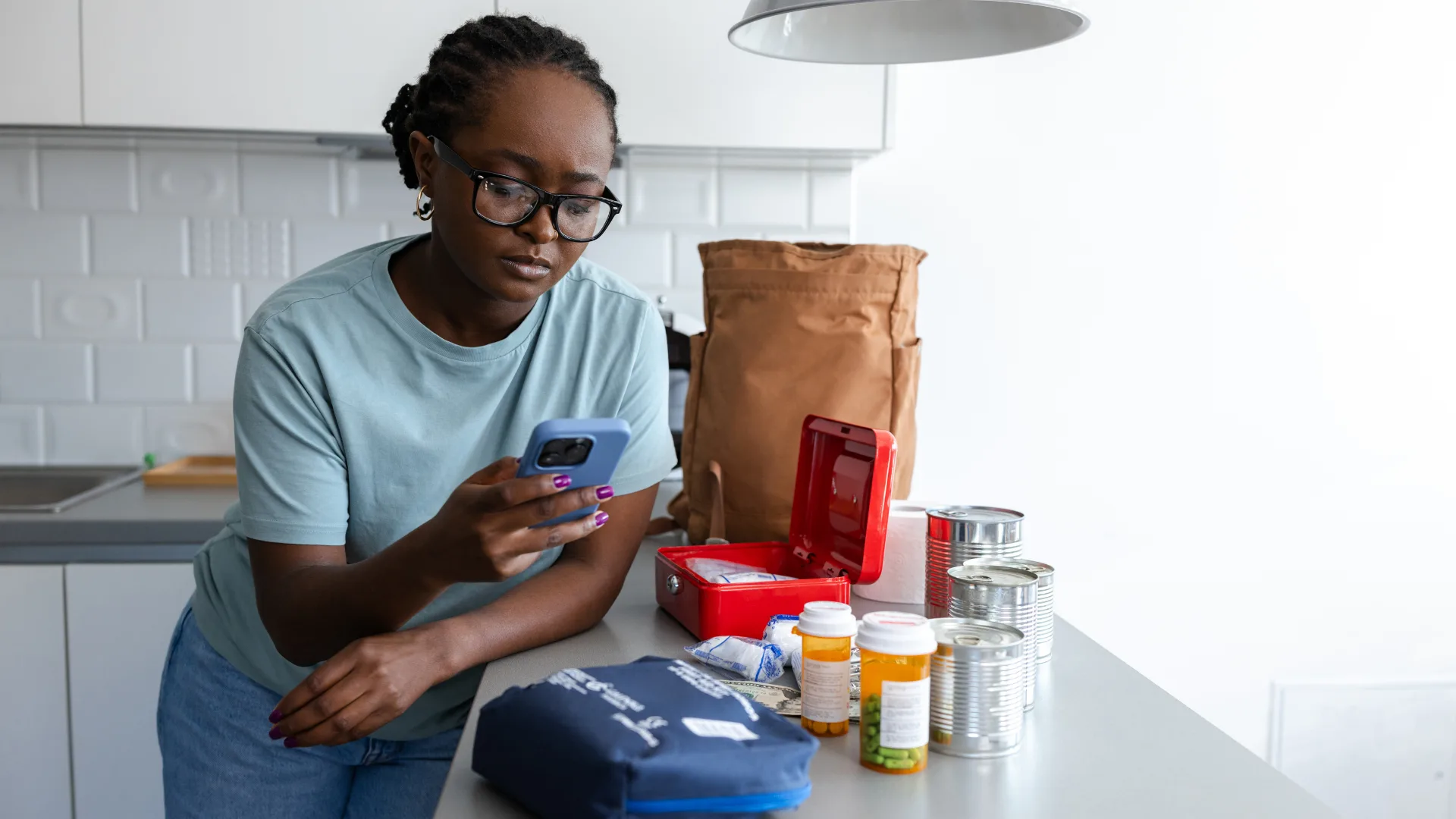
Do a ‘rule of three’ audit on your kit
Think your five-year-old kit is “good enough”? Think again. When you reach for an old kit during an emergency, the risk isn’t just a band-aid that’s lost its stickiness. It’s the hidden breakdown of sterile barriers and active ingredients.
To keep your home safe without wasting hours, run your kit through a quick audit:
- Check the sterile seals:
When liquid antiseptics, saline washes, or eye drops pass their expiry dates, their internal preservatives degrade. Instead of flushing a wound, an expired bottle can introduce harmful bacteria directly into broken skin. If the seal is compromised or past date, toss it. - Test the elasticity:
Pull on your compression and crepe bandages. Over time, heat and humidity degrade the latex and elastic fibers. A stretched-out bandage won’t hold sufficient pressure on a sprained joint or bleeding cut. - Clear the active meds:
Life-saving treatments like EpiPens, burn gels, and antiseptic creams lose chemical potency over time. Reaching for an expired EpiPen during an allergic reaction means relying on a degraded dose when seconds count.
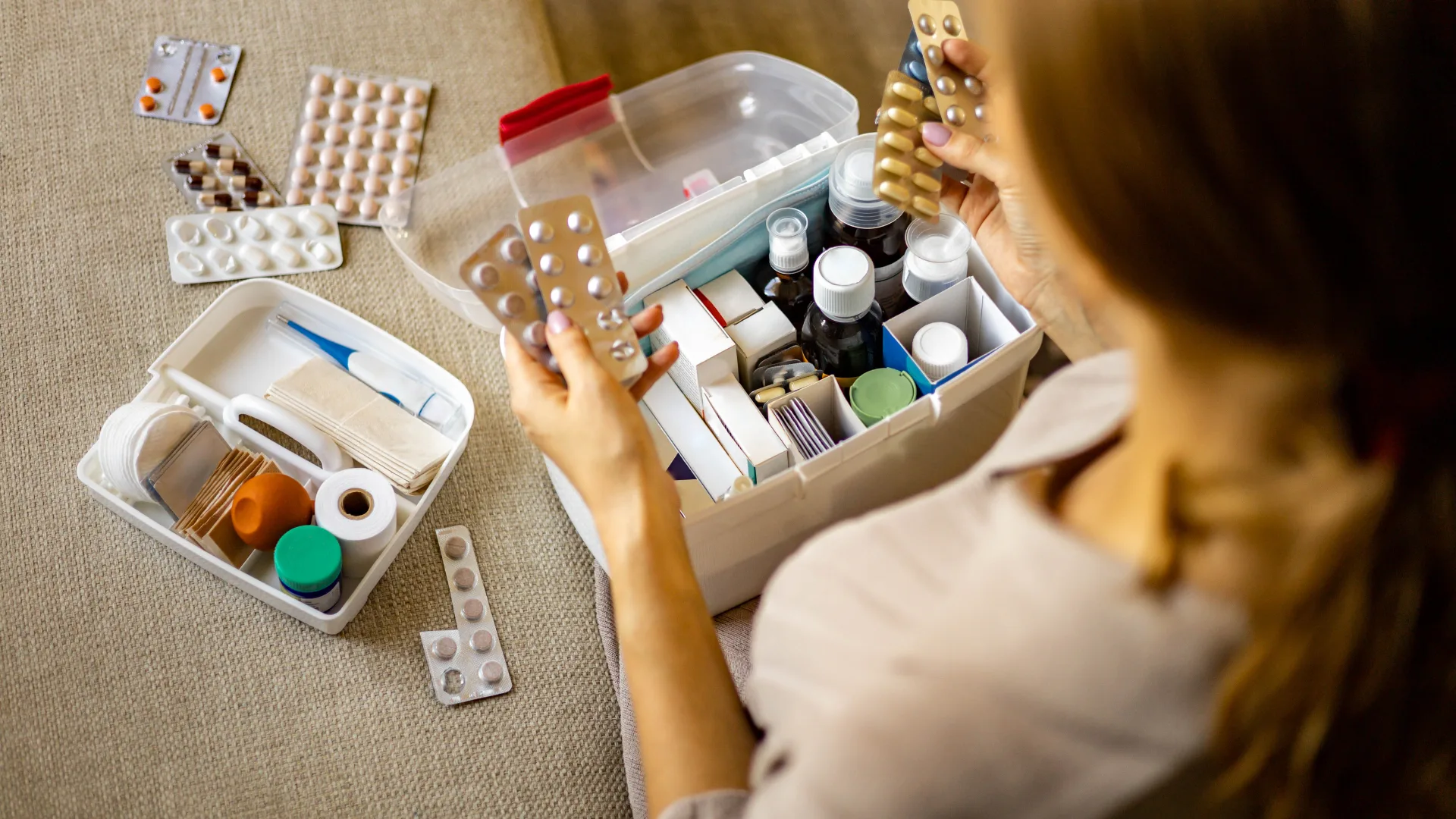
How to safely clear the clutter
Never flush old pills down the toilet (which leaches active chemicals directly into local waterways) or throw medicated creams into household rubbish where pets can reach them.
Instead, bag up your expired items and drop them off at your nearest pharmacy counter. Most pharmacies will safely process them through the national Return Unwanted Medicines (RUM) scheme – at zero cost to you!
Once the clutter is cleared, it’s time to stock up on the essentials so that the next time someone’s in need of wound care, you’re all sorted.
But let’s be honest – wound care at home isn’t always the easiest task, even when your tool kit is up to date. So, to help take the confusion out of the DIY, we sat down with TerryWhite Chemmart Pharmacist James Yoo.
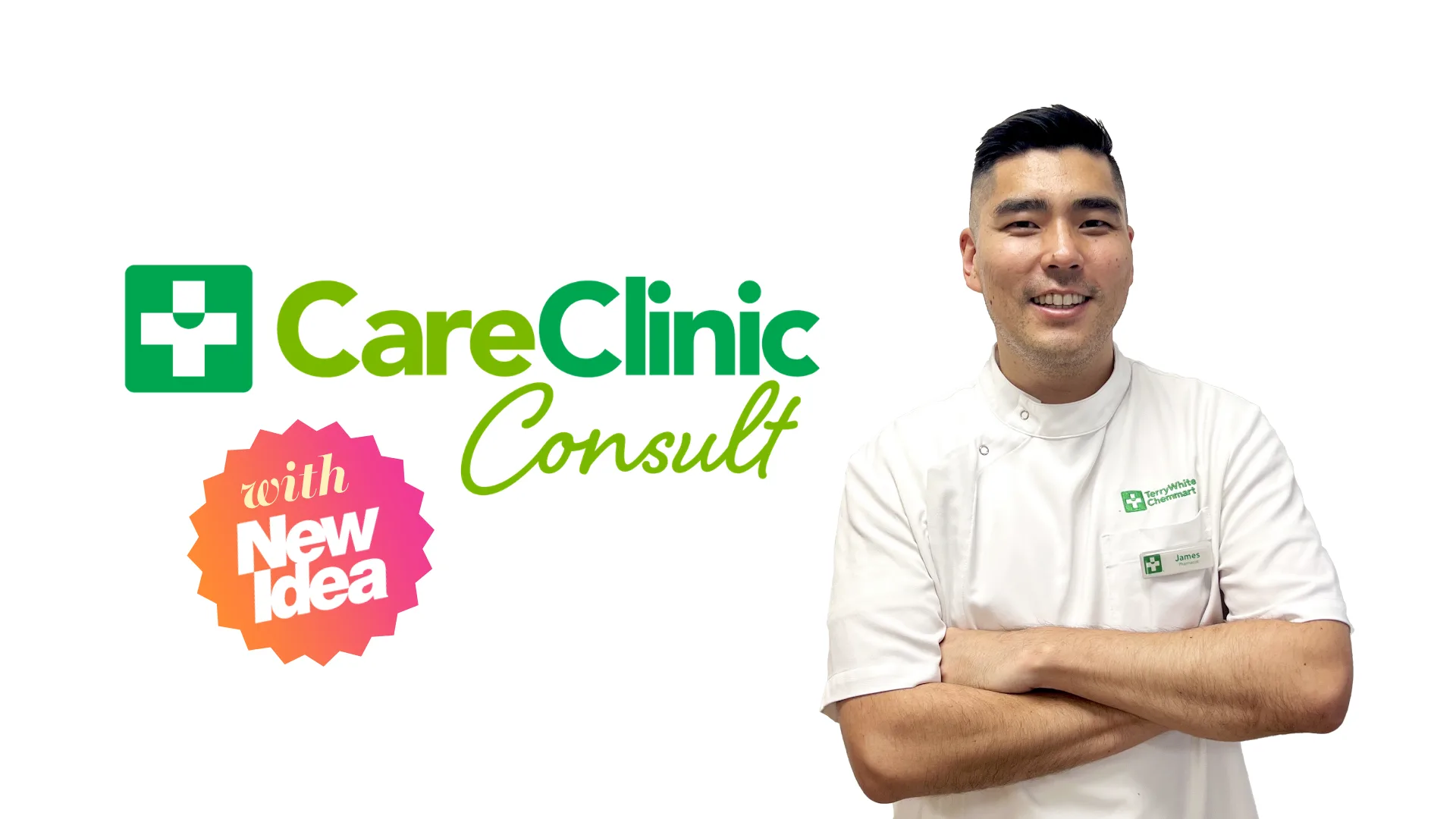


Healing cuts and grazes without the guesswork, with TerryWhite Chemmart Pharmacist James Yoo.
I always just grab a band-aid from the cupboard when I get a cut or graze. Why should I make wound care a priority?
It’s a common approach, but a little extra attention in those first 24 to 72 hours can make a huge difference. Every year, over 420,000 Australians live with chronic wounds, and many of these started as small, acute injuries that weren’t managed quite right from the start. Taking the time to handle a cut, burn, or graze properly from day one can mean the difference between healing in just a few days versus weeks, while also significantly lowering your risk of infection or lasting scarring.
So what should I be doing (or avoiding) at home to help wounds heal?
It’s easy to reach for “old school” remedies, but some common habits can actually delay healing. For most minor cuts and grazes, the simplest first step is rinsing the wound under cool, running tap water – there’s usually no need for antiseptics like alcohol on everyday injuries, as they can sting and irritate the healing tissue. Antiseptics such as iodine do have their place for certain wounds, so if you’re unsure, it’s worth checking with your pharmacist. For burns, never use ice, butter, or toothpaste, as these can cause further irritation. Instead, run the area under cool (not cold) running water for 20 minutes. Also, resist the urge to pick at scabs or pop blisters – they act as your body’s natural barrier against bacteria. Always seek medical advice for any serious wounds.


With so many options for dressings, how do I know which is the right one for my injury?
It can definitely feel overwhelming! As a general rule, a moist wound environment heals much faster than a dry, scabbed one, which is why a simple, non-stick dressing is almost always a better choice than leaving a standard adhesive plaster on for days. If you’re ever unsure about what your specific wound needs, it’s always worth popping in to see us. We can take a look at the depth and location of the wound and help you choose the dressing that will actually support, rather than hinder, your healing process.
What else can you do if I come in with a wound?
We’re here to take the stress out of your recovery by acting as your go-to for hands-on care. Beyond just selecting the right supplies, select TerryWhite Chemmart pharmacies can assess your injury in a private consult room, check for early signs of infection, and provide tailored advice on pain relief. We can even book you in for follow-up dressing changes, saving you a trip to the GP for minor maintenance. While we’re equipped to handle most everyday injuries, if we determine your wound is deep, won’t stop bleeding, or shows signs of infection, we will direct you to the correct urgent or specialist care.
For more information, go to terrywhitechemmart.com.au

For almost 125 years, New Idea has been Australia’s most trusted source for celebrity news, royal updates, and real-life stories. We don’t just share the news – we live it, verify it, and stand by it. Read more about us, our history, and our contributors here.

