
Congratulations, you’re about to become a grandparent!
Welcoming a new addition to the family is a wonderful occasion filled with love, joy, and priceless newborn cuddles.
So, the last thing you want is to cut celebrations short because of a preventable illness. While not every grandparent will need every vaccine listed here, checking that your vaccinations are up to date can help protect you and your precious new arrival.

To help you get your ducks in a row, we’ve broken down what every grandparent needs to do, plus the illnesses and vaccines to protect yourself and your loved ones from:
Check your records: Ask your GP or pharmacist whether you’re due for any vaccinations.
Plan ahead: If you need a booster, aim to have it at least two weeks before close contact.
Stay home if sick: Even if vaccinated, avoid visiting if you have respiratory symptoms.
Wash your hands: Good hygiene helps keep those tiny newborns healthy.
Vaccination recommendations vary according to your age, health and individual circumstances. Speak to your GP or pharmacist about which vaccines are right for you.
Shingles
Shingles is a painful rash caused by the same virus that causes chickenpox. Anyone who has had chickenpox can develop shingles, with the risk increasing as you get older, research shows.
While you can’t catch shingles from someone else, a person with shingles can pass the virus to someone who hasn’t had chickenpox, causing them to develop chickenpox.
This can be particularly serious for babies. A shingles vaccine can reduce your risk, so as a grandparent, it’s important to speak to your GP or pharmacist about whether you’re eligible.



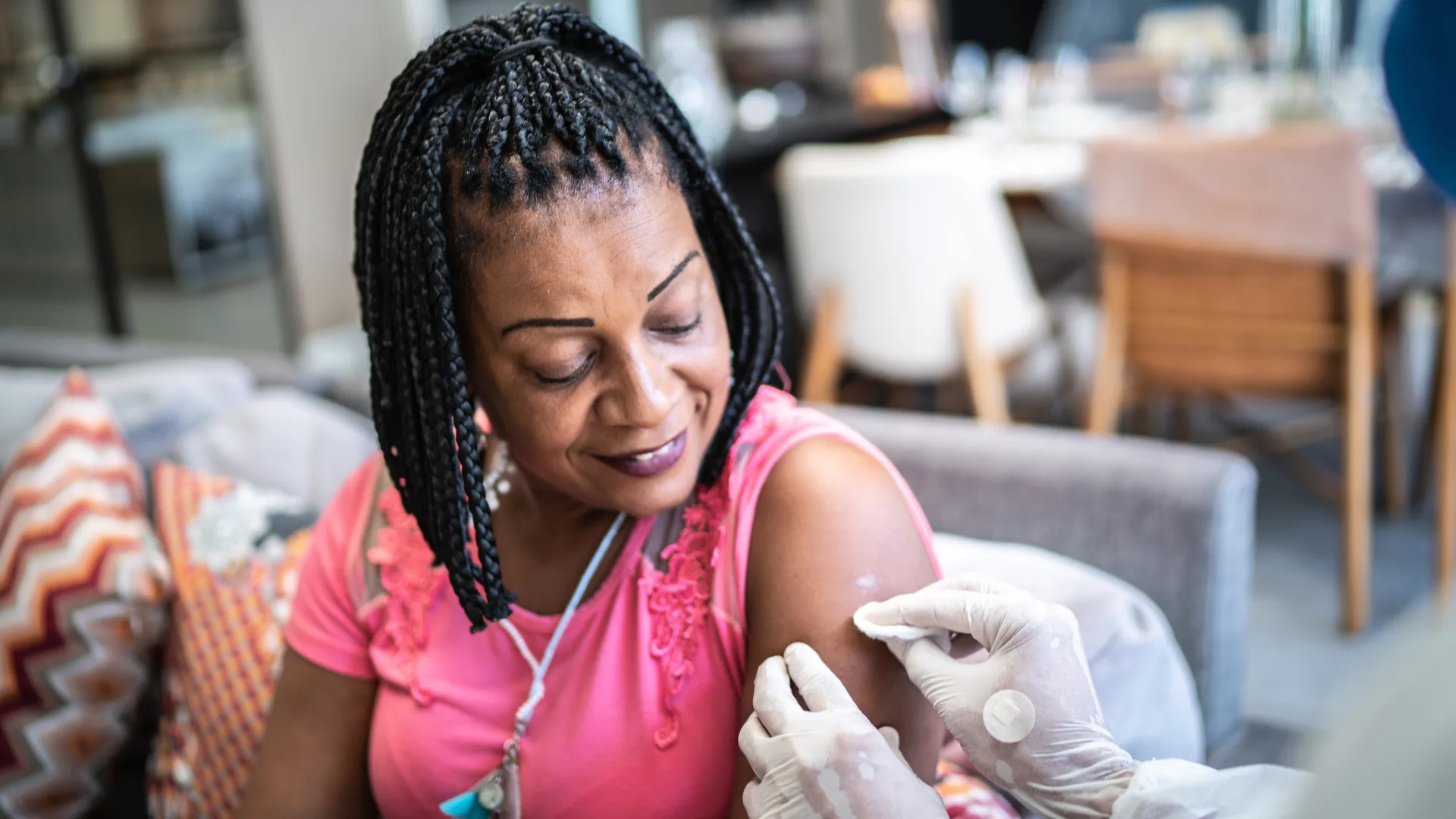
Whooping Cough (Pertussis)
Also known as the ‘100-day’ cough or pertussis, whooping cough is a highly contagious bacterial infection that can cause severe coughing. It gets its nickname from the ‘whooping’ sound some people make when breathing in after a coughing fit.
It can be particularly dangerous for young babies, who may develop serious complications or need hospital care. Adults can also spread it before realising they’re even sick.
If you’ll be in close contact with a baby under six months, check when you last had a pertussis-containing vaccine. A booster may be recommended if it’s been more than 10 years.

RSV (Respiratory syncytial virus)
RSV is a common respiratory virus that can cause mild cold-like symptoms but can be much more serious for babies and older adults. It’s also a common cause of hospitalisation in young infants.
While an RSV vaccine isn’t needed for every grandparent, it is recommended for certain older adults and people with some medical risk factors.
Protection for newborns can also begin during pregnancy, with an RSV vaccine recommended during each pregnancy from 28 weeks.
Flu (Influenza)
Influenza can cause serious illness and complications, particularly in young children and people at higher risk. The flu vaccine is updated each year to target the strains expected to circulate, so an annual jab is recommended.
Flu spreads easily through respiratory droplets when an infected person coughs, sneezes or talks, and can also spread via contaminated hands and surfaces.
You can even spread it before symptoms appear! So, if you’re feeling unwell, postpone those cuddles until you’re better.

Protecting the newest addition to the family, with TerryWhite Chemmart Pharmacist Ali Elfiky.
Why is whooping cough such a concern for newborn babies?
While whooping cough often presents as a persistent, lingering cough in adults, it poses a severe, life-threatening risk to newborn babies. It is highly contagious and often leads to hospitalisation. Because newborns can’t receive their own immunisation against whooping cough until they are six weeks old, they rely entirely on the people around them for protection.
I’ve had all my routine vaccinations – do I always need a booster before seeing a newborn?
Adult immunity against whooping cough wanes quite substantially within ten years, so friends and family can be completely unprotected without realising. Because adults often experience milder symptoms that get brushed off as a simple cold, they can unknowingly pass the infection on to a vulnerable newborn.
Who should get vaccinated and when?
Anyone who will be in close, regular contact with a newborn needs to be up to date. This includes expectant mothers, who are recommended to receive the vaccination during each pregnancy to pass antibodies directly to the baby, alongside partners, grandparents, and regular caregivers. If it has been more than ten years since your last booster, getting vaccinated well ahead of time ensures your immune system is fully primed.
I’m not sure when my last booster was. Can my Pharmacist help?
Absolutely. Just pop into your local TerryWhite Chemmart and we can help you check your immunisation records. If you are due for your booster, we can administer the dTpa vaccine – which covers whooping cough, diphtheria, and tetanus – right on the spot in the CareClinic. It’s a quick, simple step that can help keep the youngest members of your family safe.
For more information, go to terrywhitechemmart.com.au