
When Prince Harry stepped back from royal life in 2020, he insisted he wasn’t walking away from his family. He and Meghan wanted independence, privacy and the freedom to raise their children on their own terms, but Harry repeatedly made it clear that reconciliation remained his ultimate hope.
Six years later, however, that hope appears further away than ever, and I can’t help wondering whether the greatest tragedy of Harry’s story isn’t that the Royal Family rejected him, but that the choices he made to protect himself have gradually taken him further from the very people he was trying so desperately to hold onto.
The past few months have crystallised that uncomfortable reality. Fresh from another bruising legal defeat in his battle against Associated Newspapers, Harry has found himself at the centre of renewed scrutiny over his relationship with Buckingham Palace following reports surrounding accommodation during his latest visit to Britain. Those setbacks come on the back of his unsuccessful fight to restore automatic police protection in the UK, a case he insisted was fundamentally about keeping Meghan and their children safe whenever they returned.
Viewed separately, they look like a run of unfortunate events. Together, however, they tell a far more revealing story about a prince whose determination to fight for security, justice and accountability may have inadvertently cost him the one thing he seemed most desperate to preserve: easy access to his family and the comfort of knowing Britain would always feel like home.
Harry’s isolation now rests on three distinct but interconnected pressure points. The first is ideological. Since leaving Britain, he has built much of his public identity around challenging the press, which he believes invaded his privacy, contributed to the death of his mother, and threatened the safety of his own family.
His memoir, television interviews, documentaries, and legal action have all formed part of the same campaign, making every courtroom defeat feel like far more than the loss of another case. Royal commentator Phil Dampier believes Harry has reached a dangerous turning point.
“Harry has staked everything on his battles with the press and to get security, and now he has lost, but he won’t accept the result,” Phil tells me.
“He really needs to take a long, hard look at himself because he is in danger of self-destructing. I genuinely fear for his mental health because he seems more detached from reality than ever. By branding the judge’s ruling a ‘whitewash’, despite failing to produce the evidence the court required, he seems to have lost the plot completely.”
Phil believes Harry’s determination, which initially won him considerable public sympathy, has gradually become self-defeating. “Buoyed up by previous victories over the press, he has overreached himself,” he says.
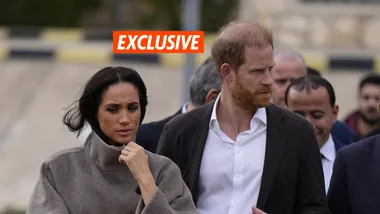
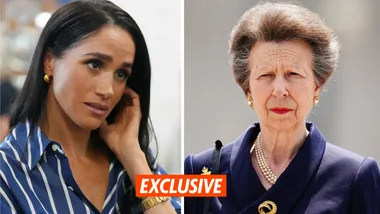
Royal author Richard Fitzwilliams believes the consequences stretch well beyond the courtroom. “Prince Harry has become a liability,” Richard tells me.
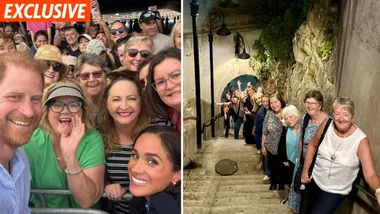
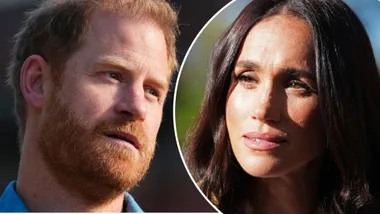
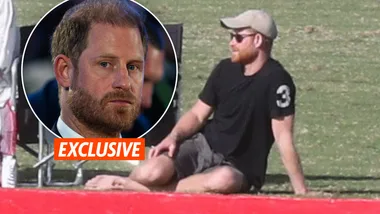
“He and Meghan stepped down as senior working royals and subsequently caused huge trouble for the institution, branding it racist and callous to a shocked world. That has not been forgotten, not only by William, who won’t speak to him, but by King Charles and Queen Camilla, whom Harry branded ‘dangerous’ in his memoir.”
Whether you agree or not, they raise the same uncomfortable question. Harry has spent years fighting what he believed was the battle of his life, but if that battle is now slipping away, what happens to the identity he has built around it?
The second pressure point is more subtle, but perhaps even more emotionally significant. Reports surrounding Harry’s accommodation during his recent visit to Britain may ultimately be remembered less for where he did or didn’t stay than for what they appeared to symbolise. Royal residences have always represented family, continuity and belonging, yet the image that emerged was of Harry returning to his homeland as someone who now appears to negotiate access rather than simply coming home.
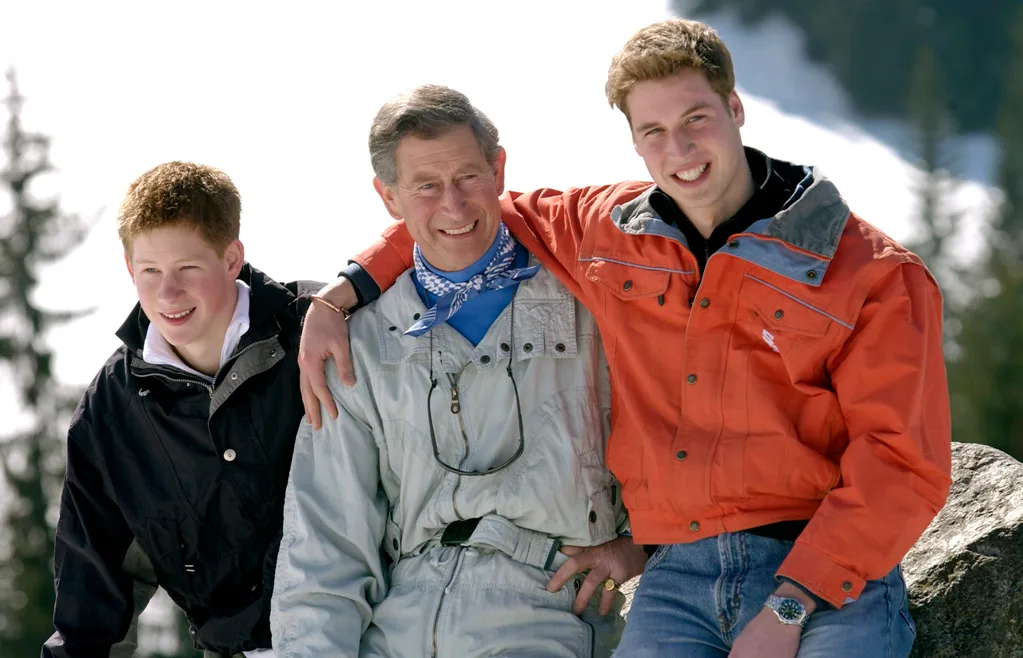
Phil believes the accommodation issue reflected a much bigger shift in Harry’s relationship with the Palace.
“He dithered over whether to bring his family to London and stay at Buckingham Palace, and in the end King Charles’ patience snapped,” he says.
“Harry is now seen as an outsider, and offers to stay at royal residences will now dry up.”
Richard agrees that the episode illustrates how dramatically Harry’s position has changed. “The royals intensely distrust him,” he says. “The mess at the start of the current visit over security and accommodation illustrates that clearly enough.”
That, to me, is the most poignant aspect of Harry’s annus horribilis so far. His greatest loss may not be another court case or another royal title. It may simply be the realisation that he is no longer instinctively treated as someone who belongs at the very heart of the family he once called home.
The final layer of Harry’s isolation is, to my mind, the most psychologically complex because it has nothing to do with judges or palace officials. Instead, it speaks to the strange position he now occupies in the world. Harry and Meghan have undoubtedly built a successful life in California. They have financial independence, global influence, and the freedom to champion causes that matter to them without seeking permission from Buckingham Palace.
Yet despite those achievements, Harry appears caught between two identities. He is no longer a working royal, but neither can he escape the role that shaped his first 35 years. Wherever he goes, he is still viewed through the prism of the institution he left behind.
Richard believes that uncertainty has been compounded by the Sussexes’ attempts to carve out a new role on the world stage. “Everything has to be publicised,” he says. “This has given them a unique worldwide brand, but they have failed as Hollywood A-listers and their projects are mostly duds.”
He is equally sceptical about the couple’s international engagements, describing them as an attempt to recreate royal life outside the institution. “Their scheme, in my view, began with a ‘faux-royal’ visit and has gone nowhere,” he says.
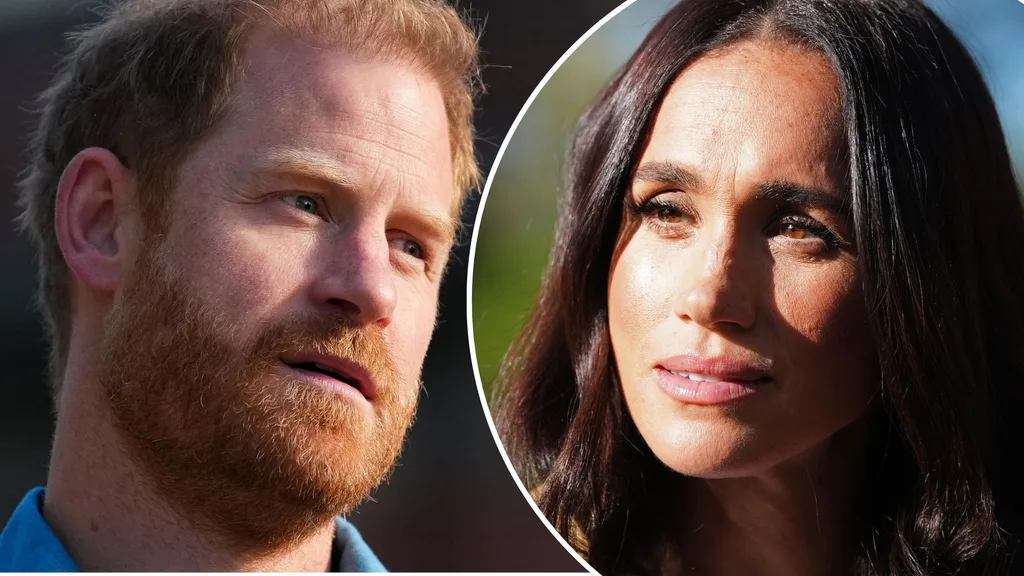
Harry has undoubtedly built a global profile independent of the monarchy, but that profile still relies heavily on the royal status he was trying to leave behind. His overseas visits inevitably invite comparisons with official royal tours, leaving him suspended between two worlds. He is no longer fully inside the institution, yet he has never been able to create an identity that exists entirely beyond it.
That is why I think the real issue is no longer anger but trust. Harry has often spoken about wanting reconciliation, yet almost every strategy he has pursued over the past six years has relied on public pressure rather than private diplomacy.
The memoir, the documentaries, the television interviews, and the legal battles may each have been motivated by a genuine desire for accountability, but together they have created an environment in which rebuilding trust becomes extraordinarily difficult. Phil believes Harry has also been poorly advised throughout much of that journey.
“For the last three or four years, he has been listening to lawyers, PR people and woke celebrity friends in America who have given him appalling advice,” he says.
“He was fighting a battle about stories from more than twenty years ago in a British court about British media, not some Hollywood showbiz reputational dispute where the only winners are the highly paid lawyers on all sides.”
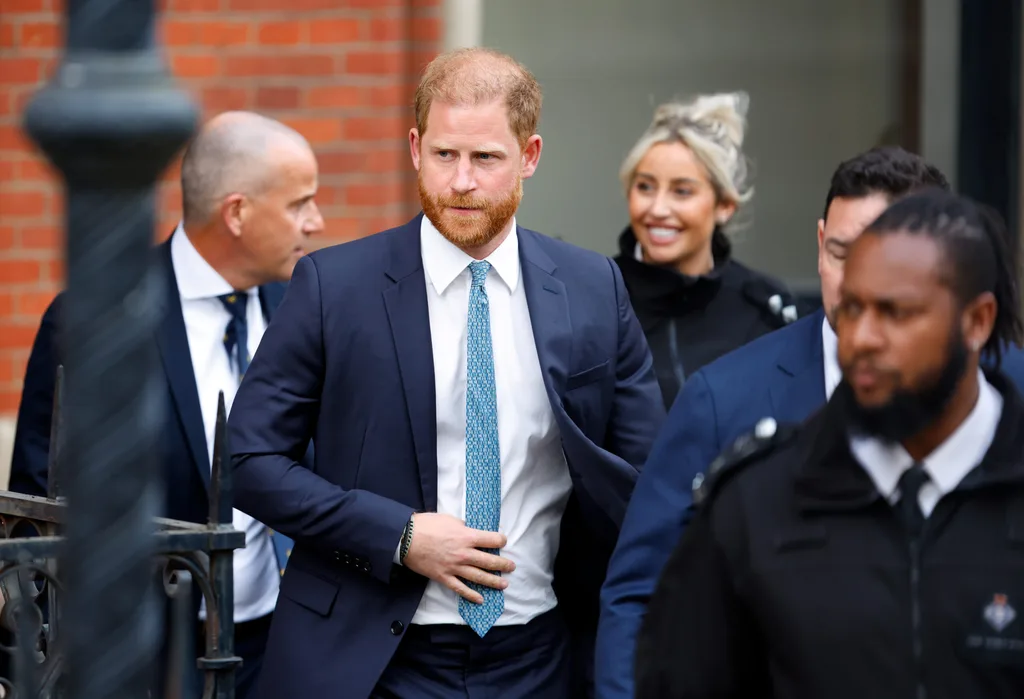
Richard reaches a similar conclusion, arguing that Harry underestimated the consequences of leaving royal life. “They knew what they were giving up when they stepped down,” he says.
“Automatic police protection is extremely rare, and he lost his legal challenges. A family breach can be reconciled if circumstances change. This one could not be more public.”
Those comments also help explain why Prince William’s position appears to have hardened. Harry still seems to approach the situation emotionally, as a younger brother hoping time will eventually heal old wounds. William, however, is preparing to become King, and every decision he now makes is filtered through the long-term interests of the monarchy rather than the emotions of family life.
Phil believes that the divide may already be impossible to bridge. “Whatever happens with the King, and I’m sure, as a caring father, Charles wants reconciliation before it’s too late, William will never forgive his brother, and I don’t think he will ever allow him back into his life,” he says. “He has enough on his plate and doesn’t need any psycho-drama from Harry.”
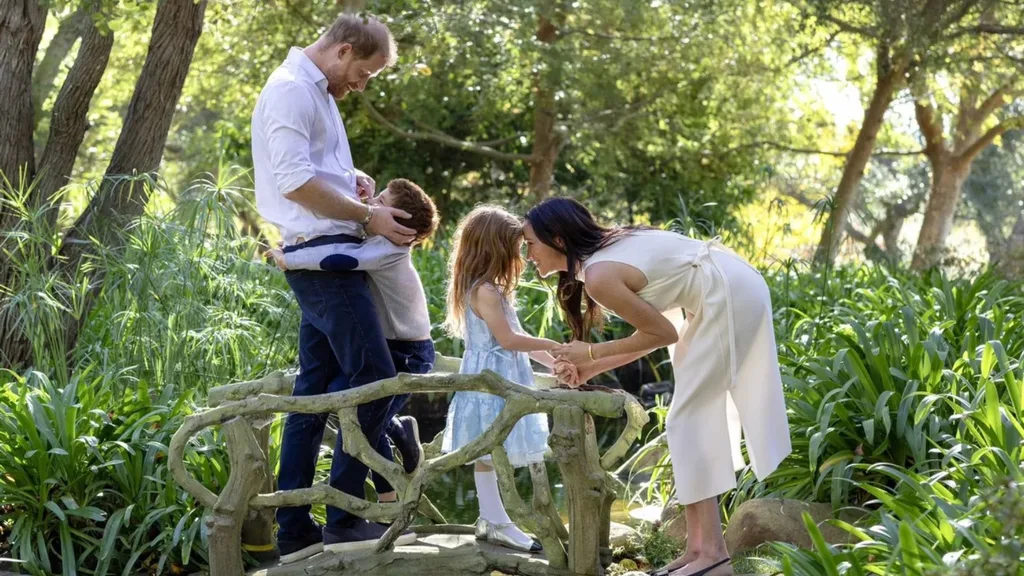
That, ultimately, is why I think Harry’s annus horribilis is about far more than another courtroom defeat or another disagreement with Buckingham Palace. It is the story of a man who has spent six years fighting for what he believed was right, only to discover that the victories he sought have come at an extraordinarily high personal cost. In pursuing security, accountability, and independence, he appears to have drifted further away from the family whose acceptance still seems to matter most to him.
Phil believes the next move now rests with Harry. “The situation is getting worse and worse, and only Harry can stop it,” he says. “Like an alcoholic having to admit to a problem before wanting to deal with it, Harry needs to take that first step.”
Whether that moment comes remains to be seen, but I keep returning to the same conclusion. Harry’s greatest tragedy is not that he left the Royal Family. It is that, in trying to protect the people he loves and force change from an institution he believed had failed him, he may have unintentionally created the very exile he was hoping to avoid. He has secured the freedom he fought so hard to achieve, but freedom is not the same as belonging, and no legal victory can restore what only trust and time have the power to rebuild.
Never miss a story! Sign up to New Idea’s FREE newsletter for royal news and exclusives here.