

From counting steps and monitoring sleep to tracking your heart rate, wearable technology has transformed the humble wristwatch into a mini health hub.
But with devices ranging from simple fitness bands to sophisticated smart watches and sleekly fashionable rings, how much of all that data is useful? And is it actually worth the investment?
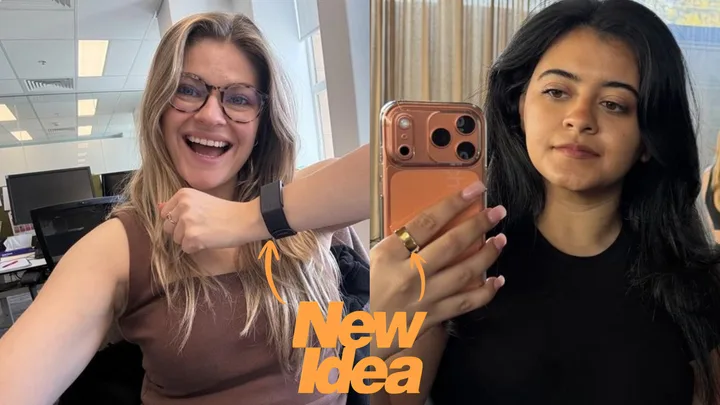
As New Idea‘s health editor, I knew I had to find out for myself, but it wasn’t just me who was curious!
I’d been wearing the OURA 4 ring for months, but I wanted a wider scope of the benefits of wearable technology. Enter Senior Content Producer Celia Whitley, who was eager to put the Amazfit Helio Strap to the test.
Together, we were able to experience and analyse the benefit of a fitness wearable from both ends of the market – a wrist strap with a relatively affordable price tag, and a ‘luxe’ ring with a high price to match.
But before we dive into the value of a wearable, it’s important to first understand what we were getting ourselves into. So, what do they actually do?

What can health wearables track?
With so many devices on the market to choose from, it’s important to understand what you’re aiming to get out of a wearable.
While they all seem to fall under the category of health and fitness, their core strengths and services can vary based on the brand, the model, and the intention of the device.
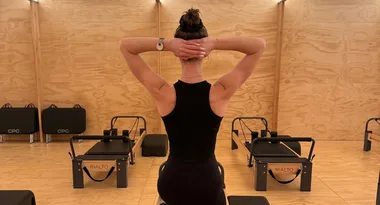
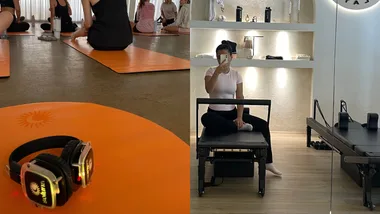
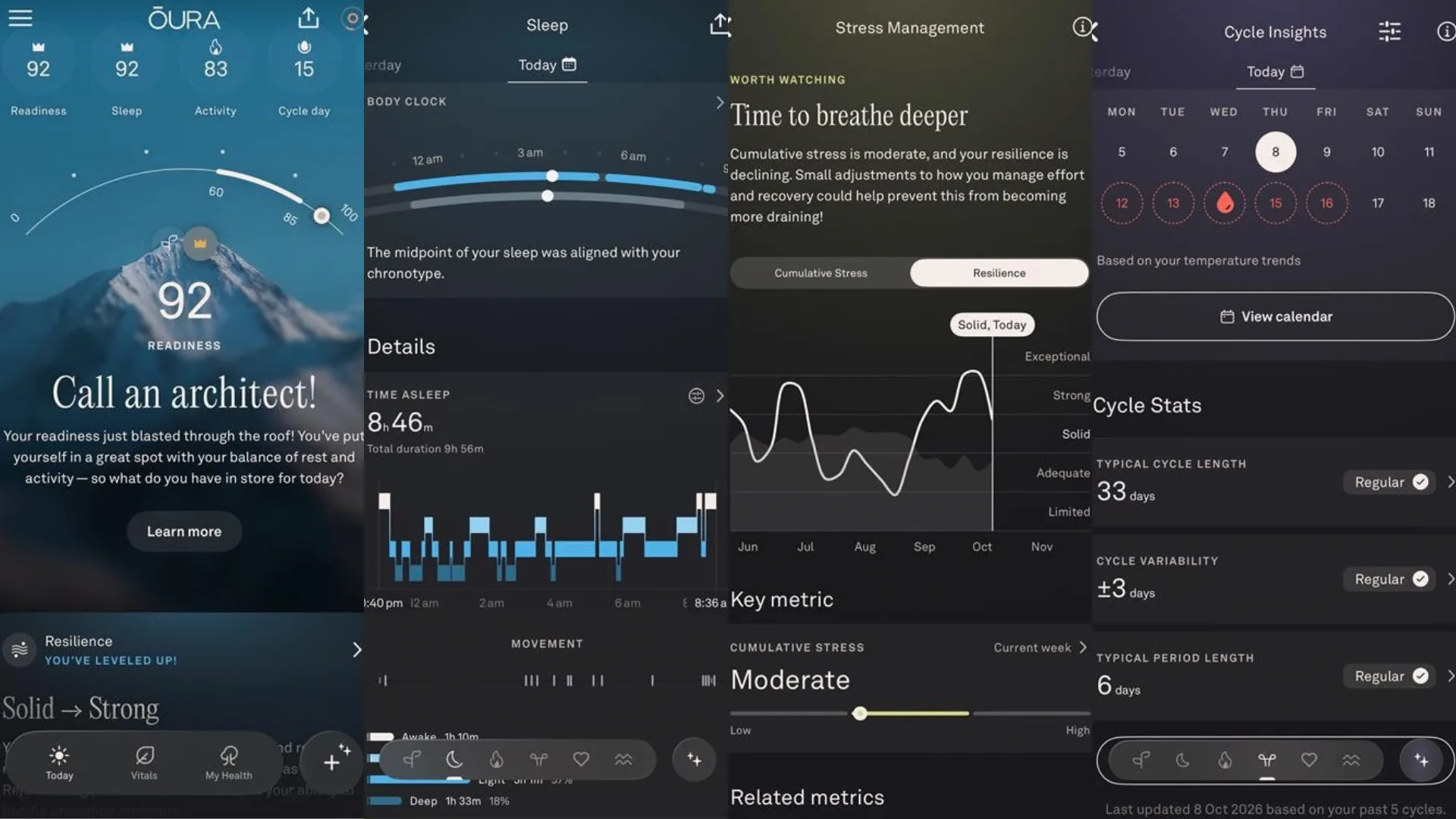
For instance, Celia’s Amazfit Helio Strap seemed to shine most when she was tracking her workouts. The highlight of my experience using the OURA 4 was the insight into my sleep and resting heart rate patterns.
Here’s everything health wearables can actually track:
- Steps: A snapshot of how much you’re moving your body throughout the day. Use as a guide, rather than a number to hit.
- Heart rate: Shows how fast your heart is beating, usual resting rate, and how your body responds to exercise.
- Active minutes: Tracks time spent doing activities that elevate your heart rate, giving a broader picture of your movement.
- Sleep: Estimates how long and how well you sleep, helping you spot patterns in your night routine.
- Calories: Estimates how much energy you burn throughout the day but treat the figure as a rough guide.
- Blood oxygen: Measures the percentage of oxygen in your blood, although it should not be used to diagnose a health problem.

Can we really trust the data?
The truth is that there isn’t a solid ‘yes’ or ‘no’ response to this question. Wearable technology can be good at tracking some measures – particularly steps and heart rate – but the accuracy varies considerably between devices, activities and individuals.



Instead of treating your wearable’s data like a health bible, use the device to spot patterns and significant changes that are worth consulting a doctor about.
One thing that particularly caught my eye when checking on my sleep patterns was when there would be noticeable changes.
For instance, my resting heart rate was consecutively higher than usual for a significant number of days. On top of that, I was constantly waking up around 3-4am in the morning.
While the app itself isn’t enough to diagnose me or determine what was making all these changes, I took the initiative to make some lifestyle changes that helped my body return to its usual state.
In saying that, it’s wise to remember that lifestyle changes alone might not be the solution, and to always seek out help if you’re concerned.
A sudden change in your usual heart rate, for example, may be worth discussing with your GP – just don’t panic based on one notification!
Use the data as a way of keeping an eye on health trends, and leave the diagnoses for the medical professionals.
Will the technology make you healthier?
As mentioned, depending on the model, your wearable can monitor heart rate, exercise intensity, sleep, workouts and even send alerts when you’ve been sitting for too long.
That can be particularly useful as we get older and may feel less inclined to move consistently. In Celia and I’s cases, we both found the access to insights on our health was incredibly motivating.
For Celia, it emboldened her to continue her fitness journey in the gym. For me, it allowed me to put my stress into perspective and see how it was manifesting in other aspects of my life such as sleep.
I believe the real benefit of wearable technology isn’t about hitting a number, but how it holds you accountable. Sometimes, a gentle reminder to get up and move might just be all the nudge we need to make a positive impact on our health.
Can too much access be bad for you?
In a world now saturated with viral ‘health hacks’ and trends, wellness fatigue has become a common subject of concern in my conversations with experts and media alike.
Wellness fatigue is the burnout that comes from feeling like you’re never doing enough for your wellbeing – despite doing everything.
For some people, seeing their activity on a screen can be motivating. For others, however, it can turn wellness into a numbers game, setting unnecessary pressure on yourself to hit your ‘goals’.
In the wrong state of mind, missing your daily step count or seeing a poor sleep score can feel almost like a ‘failure’. That’s why it’s crucial to use your wearable as a guide and not as a judge!
If the data is making you anxious rather than helping you feel informed and motivated, turn off some notifications or take the device off altogether.
Remember to incorporate rest days into your routine, take slower walks if needed, and remind yourself that nights of poor sleep are all part of real life.
Wellness fatigue can also mean you’re left feeling overwhelmed by the amount of data at your fingertips. In this instance, it’s important to set boundaries when using the technology.
At the end of the day, a device is only useful if it’s genuinely adding good to your life.
Celia’s thoughts on the Amazfit Helio Strap
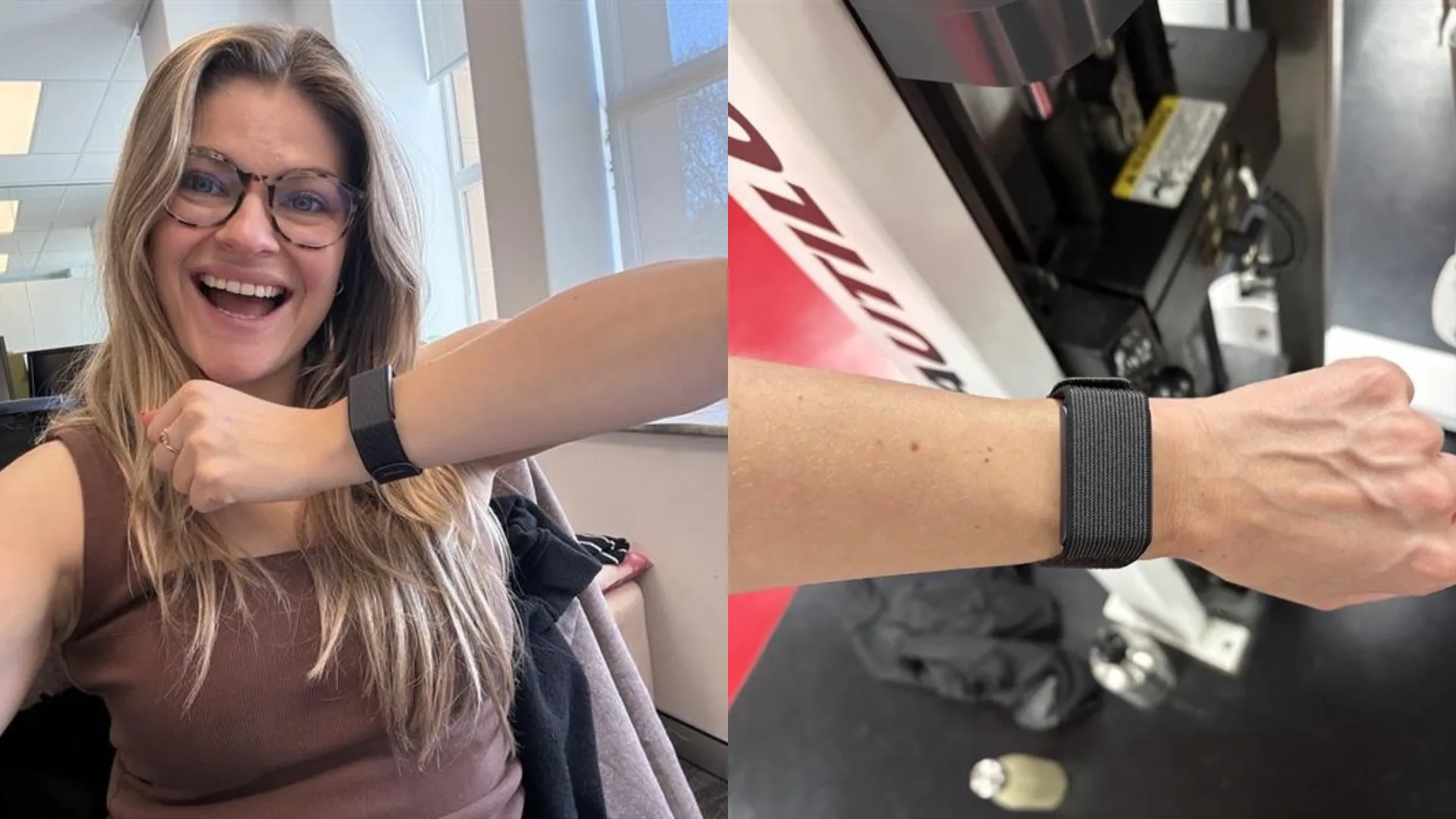
Celia’s rating: 8.5 out of 10
Celia’s verdict: The Amazfit Helio Strap has made me become a more health-conscious person – and I love it. I had never tracked my workouts before, and this product has been making me want to go to the gym even more so I can analyse my post-workout insights. The strap has 27 sports modes, which is great for variety. I even put it on for my pickleball games! I love how light it is to wear and how comfortable it is to sleep with.
Pros
- Long battery life (up to 10 days) with 24/7 advanced health tracking
- 27 Sports Modes and Post-Workout Insights
- Its own app with no subscription fees
Cons
- I have noticed the sleep tracker is not 100 per cent accurate
- A little bit on the bulkier side
Belad’s thoughts on the OURA 4 ring
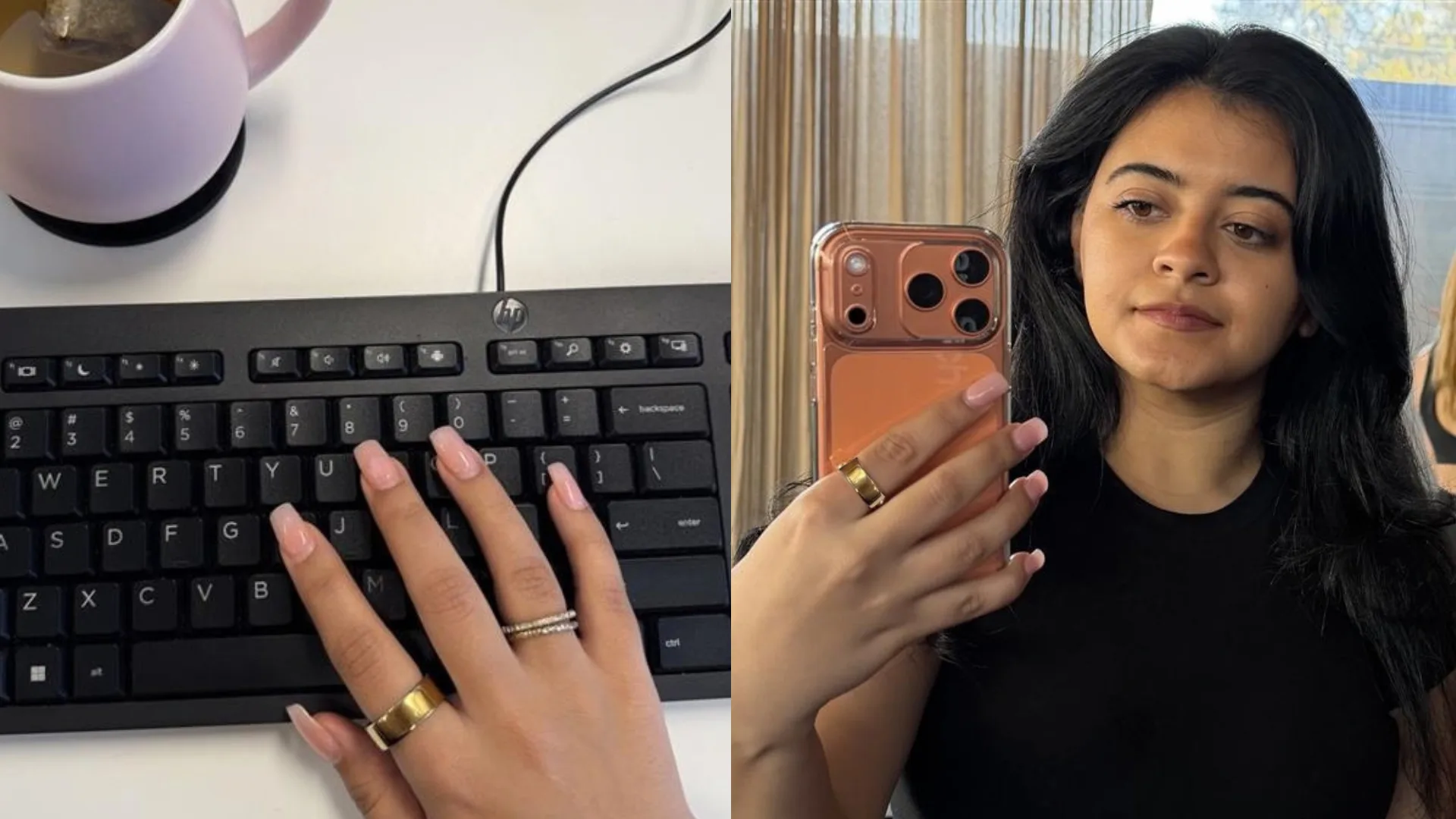
Belad’s rating: 9 out of 10
Belad’s verdict: My OURA tracker has been life-changing for my health journey in 2026. The daily insights into my sleep, stress, menstrual cycle and overall health have taught me so much about my body’s patterns and behaviours. Living with PMOS, it’s also been informative when adjusting my routine to accommodate stress signals when my body’s in need of recovery. I don’t wear jewellery on my wrist often, so I appreciate the sleek ring design as it blends in with my usual ring stack.
Pros
- Industry-leading app with 24/7 health tracking
- Long battery life (five to eight days)
- Water resistant up to 100m
Cons
- More costly than most competitors
- Monthly app subscription required to access full data
Our overall thoughts on wearable technology
After each wearing our device for a considerable amount of time, it became clear to us that there is certainly merit for wearable technology in today’s health landscape. The access can even be life-changing in the right hands!
But making sure you have the best-suited device for the correct purpose is just as important. Wearables are worth it if they help you understand your habits and motivate you to move.
The best device is the one that supports your health, rather than turning it into another set of numbers to worry about. At the end of the day, health isn’t a score!
To help refine your search, here are the four devices we’ve got our eye on – whatever your budget may be.
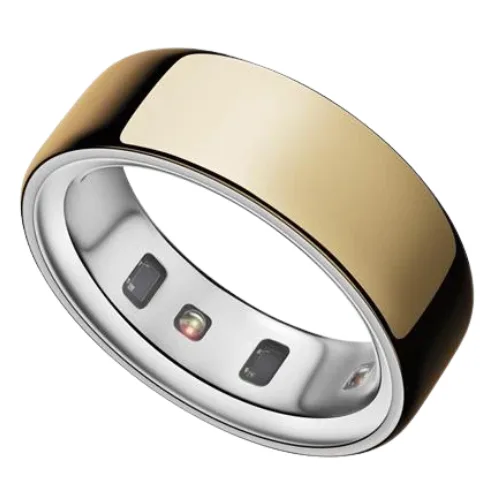
Oura Ring 4
$359
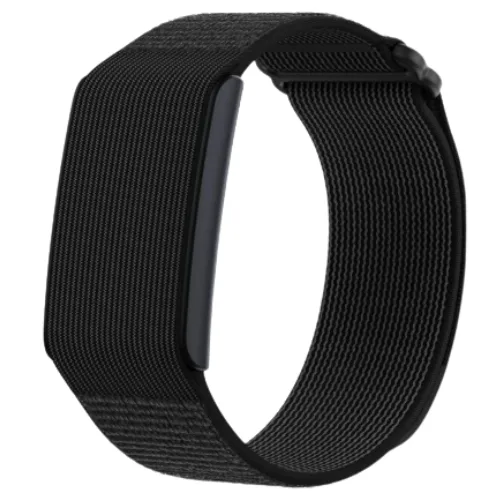
Amazfit Helio Strap
$169.59
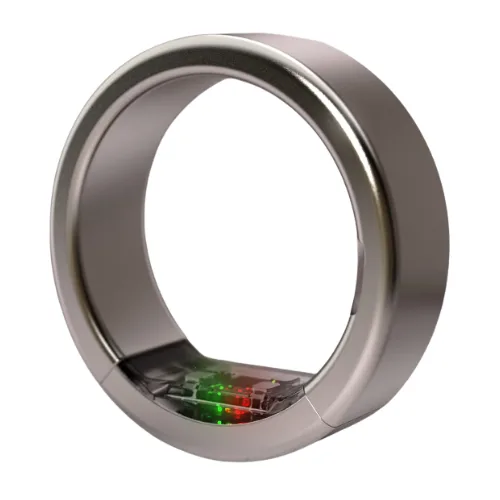
Ultrahuman Ring PRO
$769
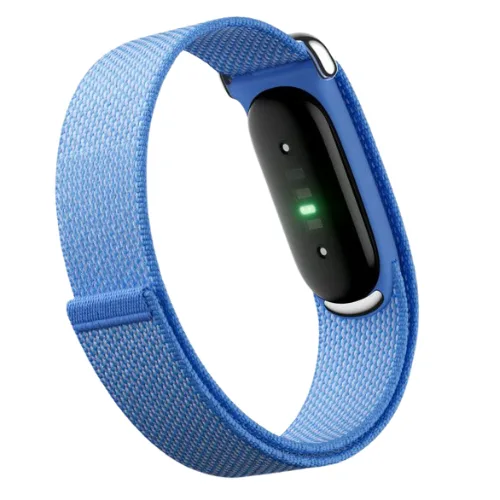
Google Fitbit Air
$199

