


I’ve long associated strength training with ‘gym bros’ and an intimidating wellness culture, but as it turns out, it’s important for us women, especially as we age.
As we grow older, our relationship with weight (and losing it) will often come across several hurdles, such as perimenopause, menopause, other hormonal and chronic conditions, and of course, the great beyond.
That’s where strength training comes in. Physical activity involving weights has been proven to improve your sleep and boost your self-esteem, though it’s especially known to assist with sustainable weight management, according to the Australian Fitness Academy.
But it’s important to note that while it can help, strength training is only one piece of the puzzle. From fluctuating hormones, interfering medications, to your biology, we discuss it all with one TerryWhite Chemmart expert.
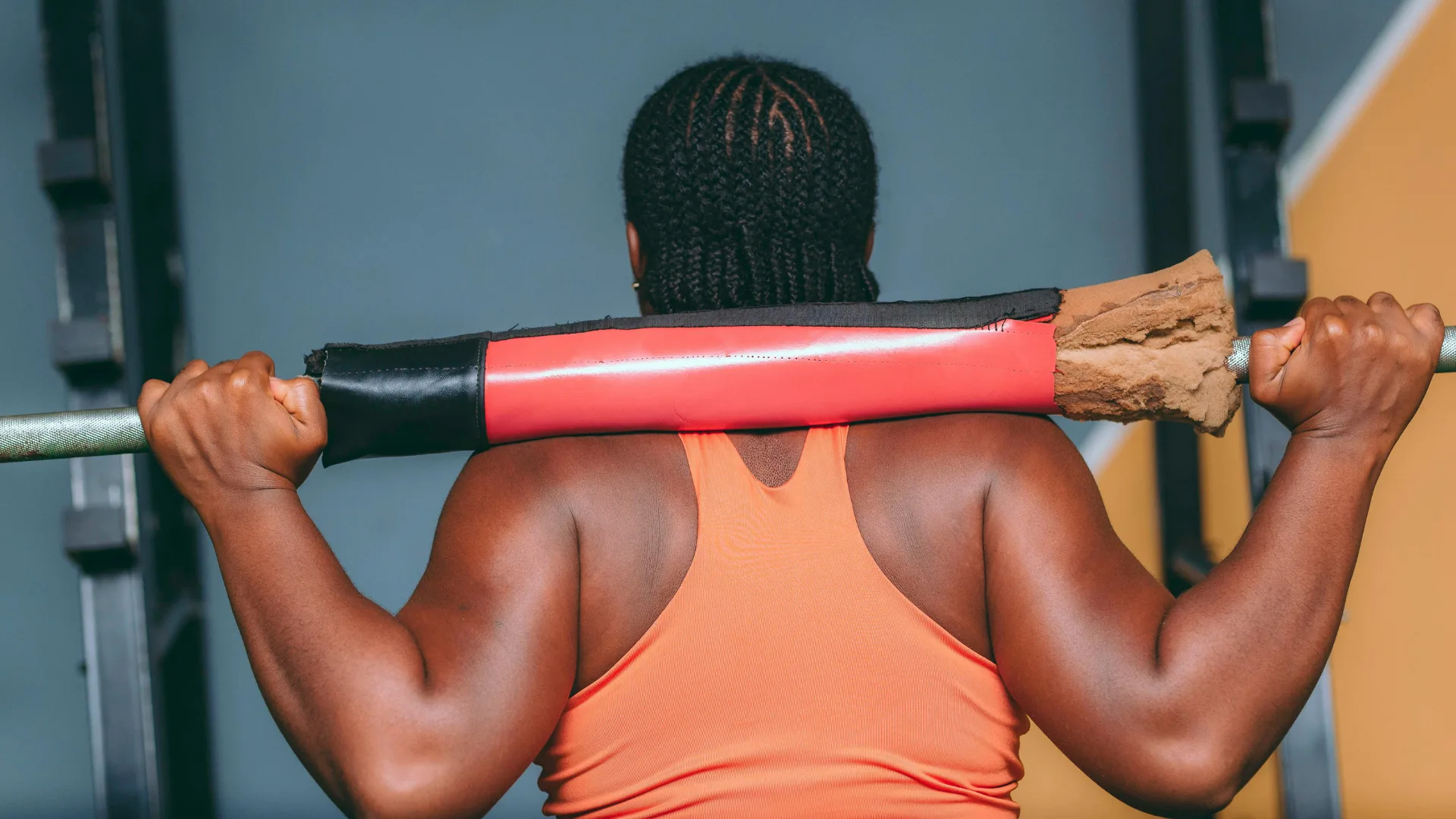
Strength training supports your weight management in more ways than one
Strength training is important at every stage of life, but can be especially vital for women’s longevity in their midlife and beyond.
Around age 30, women’s muscle mass begins to decline gradually at a rate of about half a per cent per year.
By age 50, that annual rate more than doubles, and after 60 it’s about three per cent loss per year, according to Stanford University.
Yes, you can lose unhealthy weight with strength training, but with consistency, you’re also able to manage symptoms of diabetes, heart disease, arthritis, osteoporosis and depression, research shows.
And as you grow older, it can also keep you on top of age-related issues such as difficulties with posture, balance, mobility and flexibility.
Strength training has even been proven to help people with diabetes by improving the body’s ability to use insulin and process glucose.
As your strength grows, your body is able to regulate its blood sugar levels more effectively, according to Diabetes Australia.
Your body fat-to-muscle ratio also decreases, which reduces the amount of insulin you need to help store energy in fat cells.




All these factors, together, can positively contribute to more sustainable weight management.

Start your journey safely, and equipped with the right information
Before getting started with any weight training, it’s important to make sure you’re well prepared and keeping safety in mind at all times.
If you’ve got any physical injuries, a chronic illness or condition, or are on any strong medications, then I’d suggest consulting your GP first to determine the best decision for you and your health.
They can then help you make informed decisions based on your overall health and give you tailored advice. A pharmacist would also be helpful in this scenario!
If you’re not sure where to go from there, don’t fret. It’s completely okay to feel a bit apprehensive or scared – the decision to make the jump is often easier than actually jumping!
Booking a personal trainer or joining classes at your local leisure centre can help you stay consistent and supported.
That way, you’ve someone around who knows what they’re doing and can help correct your form during exercises, encourage you, and know when to take a break to avoid overexertion and reduce the risk of injury.
Correcting your form can also increase the effects of your exercises and maximise muscle growth.



Not all bodies respond the same, so customised support is essential
Everybody is different, so it’s important to build a routine that’s right for you.
A personal trainer is also a fantastic investment for this very reason – they can help build a weight training routine tailored to your specific needs and abilities.
It’s recommended to do two to three sessions of low or moderate intensity exercises a week, according to national guidelines, with at least one day off in between to allow yourself proper recovery.
The American Diabetes Association suggests eight to 10 weight exercises per session to work all the major muscle groups of the upper and lower body.
But here’s the frustrating reality many women face: you can lift the weights, show up consistently, and eat well, yet your energy levels won’t budge, and you struggle to lose any weight.
During midlife, weight management isn’t just a matter of effort; it’s a complex metabolic puzzle where hormones, prescription medications, and changing biology can stall your progress.
It might feel confusing, and like you’re doing something wrong, even when you’re doing everything right. But it doesn’t have to feel so scary or shameful, and you don’t have to stay in a pit of frustration.
When doing “everything right” still leaves you stuck at a plateau, the missing piece isn’t more discipline; it’s looking under the hood at your overall health picture.
To understand why your body might be resisting change and how a holistic, clinical approach can unblock your progress, we sat down with TerryWhite Chemmart Pharmacist Rachael Weston.

How to ditch fad diets and lose weight sustainably, with TerryWhite Chemmart Pharmacist Rachael Weston
I feel like I’ve tried every diet under the sun with no lasting success. Why is keeping weight off so hard?
If you feel like you’re constantly fighting an uphill battle, you aren’t alone. Long-term weight management is more complex than simply ‘eating less and moving more’. Our biology, metabolism, and hormones actively work against us when we try to cut calories drastically, which is why yo-yo dieting so often leads to burnout rather than lasting results. Sustainable weight management isn’t about chasing quick fixes or extreme fads; it’s about shifting toward realistic habits and working with your body.
How can a pharmacist help when I feel like I’ve hit a plateau?
We can help you look beyond just the number on the scale, reviewing things like your current medications (some can impact weight or metabolism), discussing strategies like incorporating meal-replacement shakes to help manage portions and satiety, and helping you set trackable, achievable goals.
I hear a lot in the media about medical weight loss. Is that something I should be asking about?
The conversation has definitely shifted, however clinical treatments aren’t a magic bullet – they still require a foundation of proper nutrition and lifestyle support to be truly effective. Our Weight Care Program, free through the TerryWhite Chemmart app when you have an eligible prescription, includes personalised content, reminders and tracking tools. If you don’t have a prescription, our telehealth service offers same-day access to a doctor who can assess your health, recommend treatments, and provide a medical weight-loss prescription if eligible.
I’m ready to make some changes. Where to start?
Start with sustainable, small shifts. Whether it’s figuring out how to balance nutrition, exploring the right products for you, or getting set up with our digital support tools, we’re here to help you build a plan you can stick with for the long haul. We’re always here ready for a chat.
For more information, go to terrywhitechemmart.com.au