

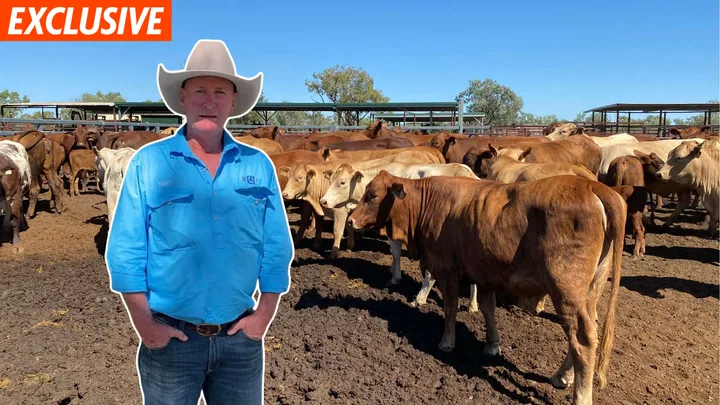
Across 214,000 hectares in western Queensland at Coolullah Station, a group of dedicated people is ensuring that millions of Aussies have access to premium-quality beef.
Home to up to 200,000 cattle and equal in size to Mauritius, the station is focused on balancing sustainability, preserving the land and animal welfare.
New Idea was invited on behalf of Australian Good Meat to see it all firsthand.
The station has been operated by the North Australian Pastoral Company (NAPCo) since 1992, which maintains more than 6 million hectares across Queensland and the Northern Territory.
With more than 30 years of experience as a pastoral manager under his belt, Marty Doyle said there is a “misconception” that agricultural practices might not focus on the environment.
However, at NAPCo, that couldn’t be further from the truth.
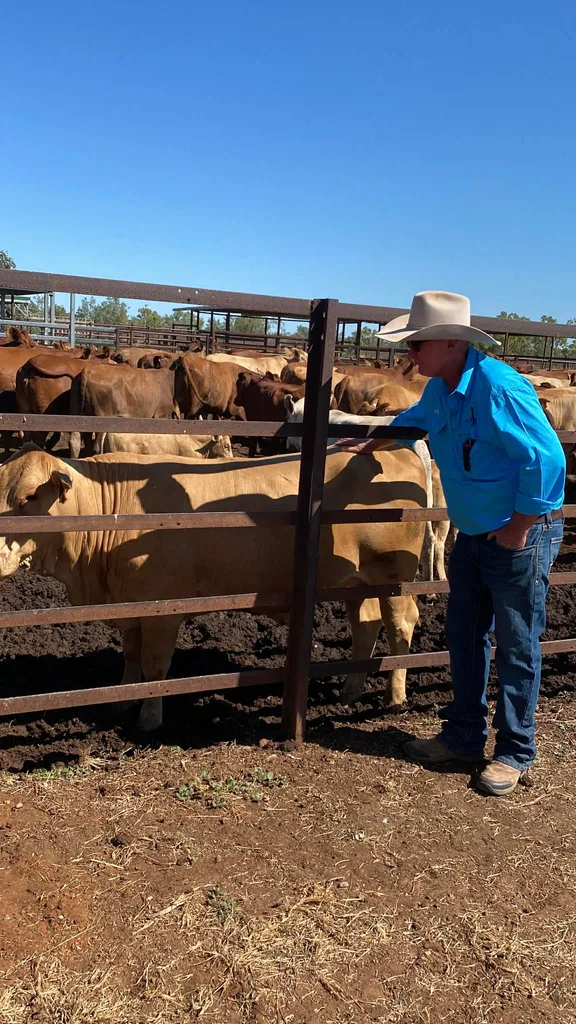
“There’s not much that we’ve changed in this landscape,” he explained to New Idea, and only areas for roads and access points were cleared.
“So, it’s just a natural system that we manage, so we just look after the country so there’s grass there so the grass can look after our cows basically.
“It’s a really diverse property… a lot of hills, a lot of big rivers and stuff, so we’re actually blessed to have lots of natural watering points.”


NAPCo’s Natural Capital Manager, Emma Baker, said it was about leaving the land in a better condition than when they started.
Between 1981 and 2013, NAPCo reduced its emissions by 43 per cent through its genetics program, and the company aims to keep that momentum going.




Emma explained that this is achieved through prioritising the need to care for the cattle and planting legumes, which reduce emissions.
From birth, the calves are moved around to reduce their impact on the land and ensure they are also healthier.
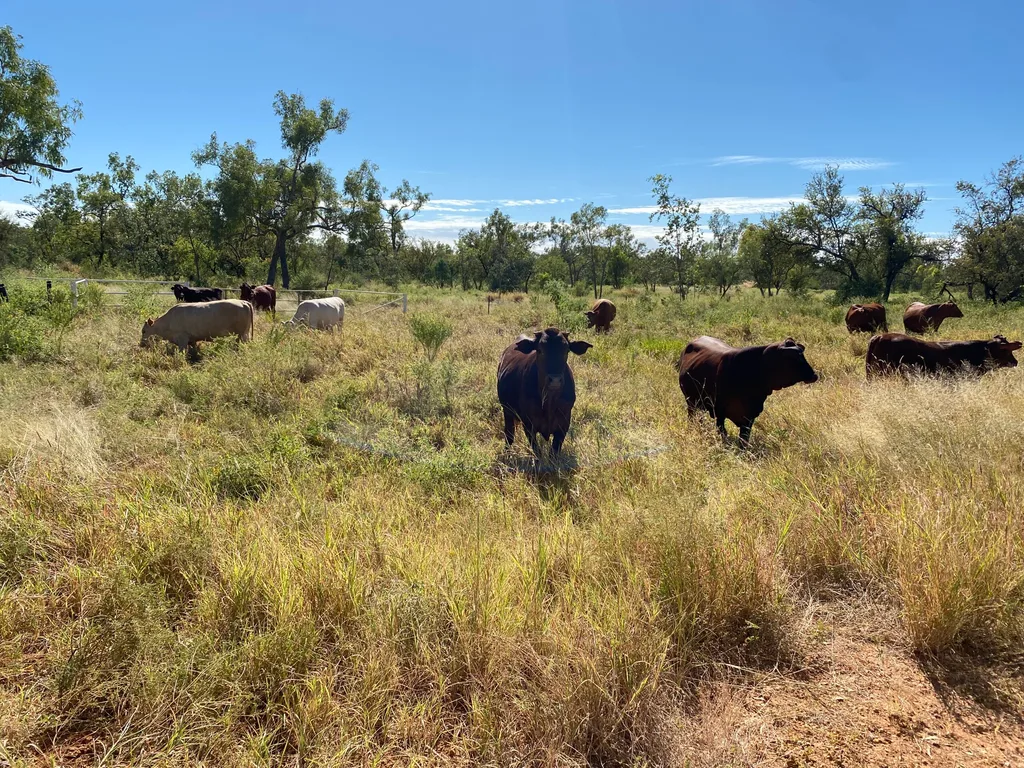
This “whole of life” approach means that they are bred with a focus on a better quality of life, which translates into a higher quality of meat.
This led to the creation of Five Founders Beef, which became Australia’s first-ever certified carbon-neutral beef.
“We’re looking after their animal welfare and well-being, and we feel that that allows us to create a good quality product because the animals live a healthier, calmer life,” she explained.
At NAPCo, looking at the bigger picture also involves monitoring sites to conserve threatened species through its partnership with the Australian Wildlife Conservancy (AWC).
More than 60 monitoring sites have been established in Queensland alone, with species, including the Plains-wanderer, being discovered there for the first time.
“So if we didn’t work in places like pastoral leases, we’d just be missing out on trying to help so many threatened species,” the AWC’s Senior Ecologist, Dr Rebecca Diete, explained.

