


Junda Khoo’s laksa bomb became a phenomenon when he showcased it to millions of people as a guest judge on MasterChef Australia in 2025. And it taught him a very important lesson.
With four restaurants in Sydney and another three in Melbourne under his belt, the chef, who is passionate about showcasing Malaysian cuisine, is always looking for ways to simplify his dishes.
Speaking exclusively with New Idea, he told us you don’t need the theatre of “17 ingredients and tweezers”, and people don’t need to strive for something that’s “restaurant-perfect”.
It’s all about nailing the fundamentals.
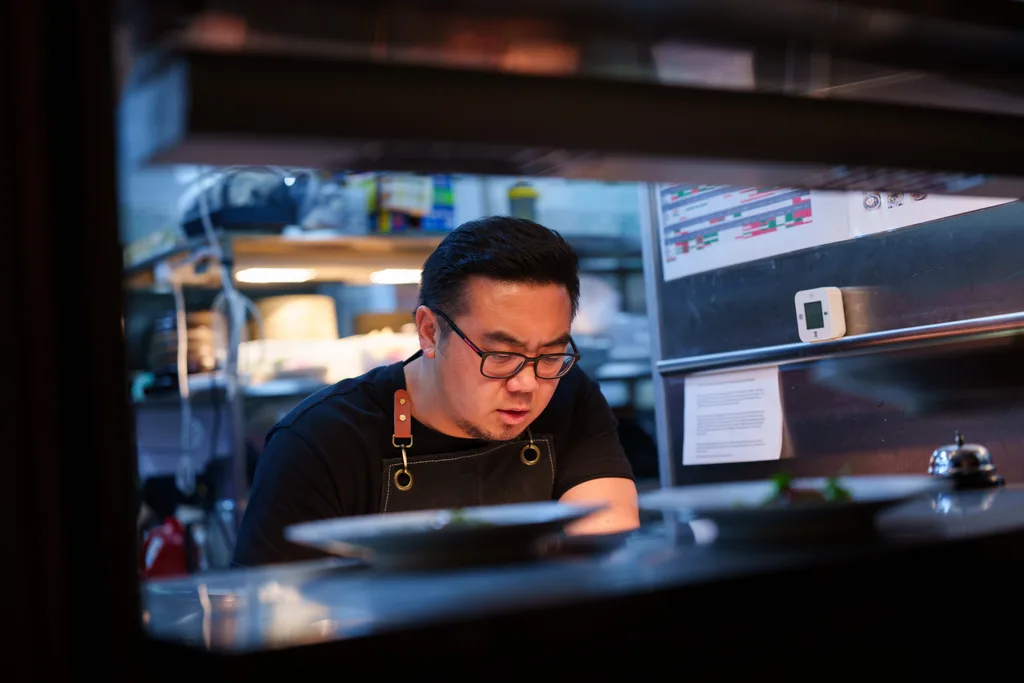
“Most great home cooking is about getting a few things right: seasoning properly, controlling heat, and understanding texture. Even something like fried rice- people overthink sauces when the real secret is dry rice and a hot pan,” he tells us.
And he advises home cooks not to be afraid of using appliances to do the heavy lifting, and he recommends one you’re most likely to own – the humble rice cooker.
Having moved to Sydney from Malaysia at 16, he tells us he fondly remembers his grandmother using a rice cooker as a hot pot for a steamboat.
Traditionally, a steamboat is heated at the dinner table while raw ingredients such as meat and vegetables simmer away in a flavoursome stock.
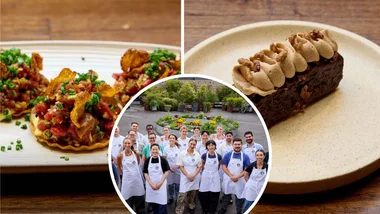


So forget just rice, he says you should be using the “gentle steam oven” for:
- Soups
- Claypot-style rice
- Cakes
- Poached chicken
- One-pot noodles
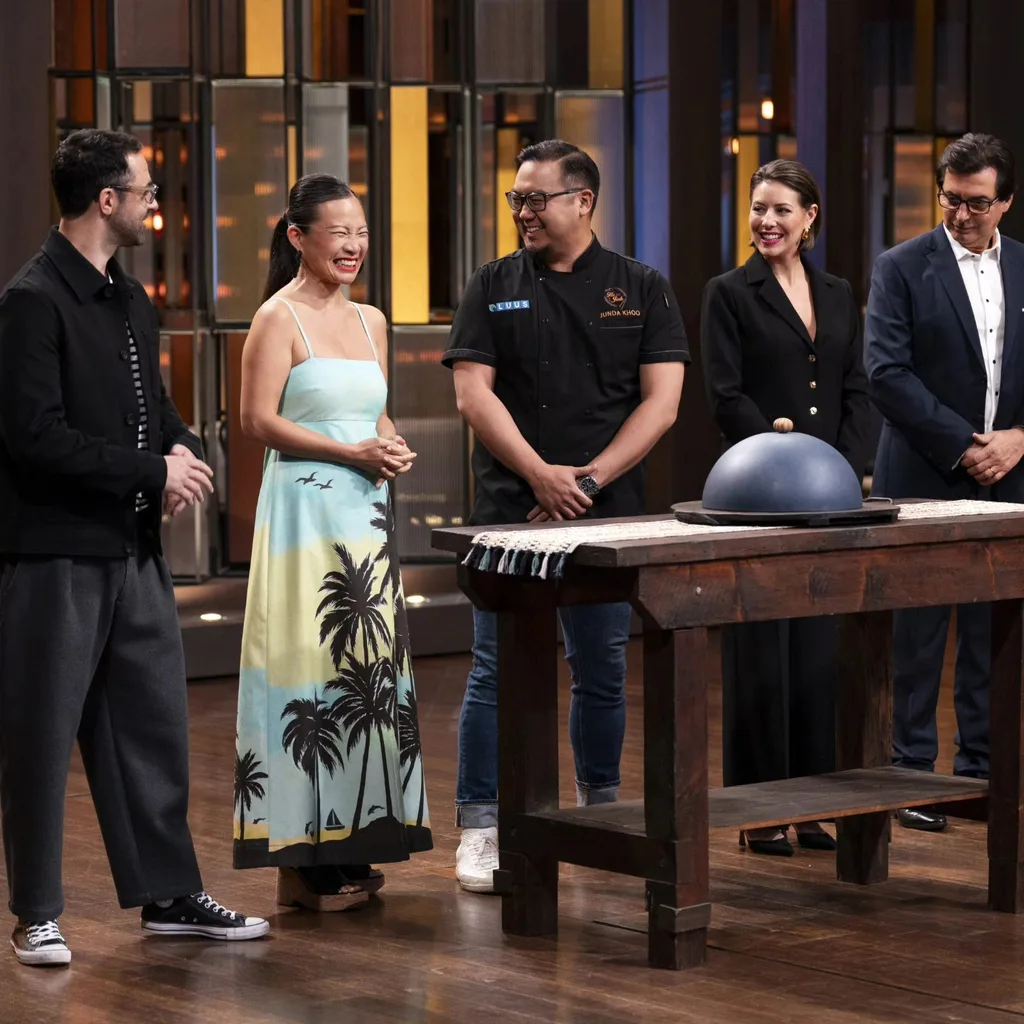
Taking the hassle out of food was what initially inspired him to create his beloved laksa bomb so people could enjoy the dish’s many elements in a single bite.



Since it amassed a cult following, he explains that he isn’t interested in “chasing viral dishes”, and he always wants to make food that’s accessible.
“The laksa bomb worked because it solved a real problem-people want big flavour without spending two days making stock and rempah from scratch,” he continues.
“I think now I’m even more conscious of making food approachable. If a dish is too complicated for someone to actually cook at home, then what’s the point? Good food should fit into real life.”
While it was a privilege to share it on the beloved show, he said there wasn’t enough of a chance to capture the complexities and nuances in Malaysian cuisine.
He says it goes beyond the spices and richness it’s known for, and requires “restraint and balance”, and it’s multifaceted.
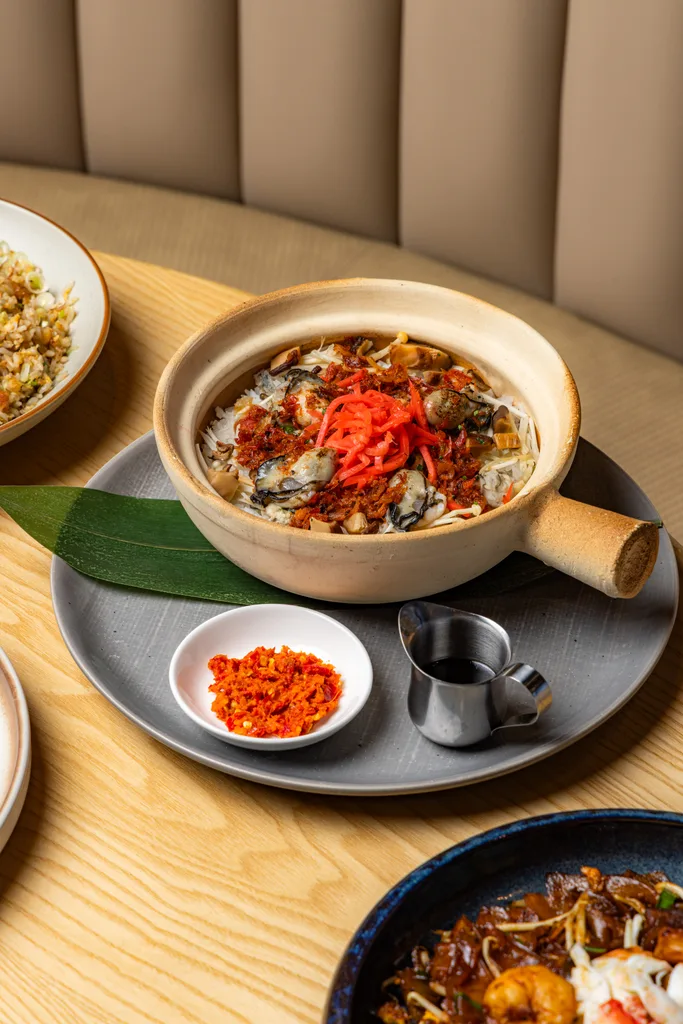
“Malaysian food is incredibly regional and personal,” he continues.
“Two families can cook the same curry completely differently, and both are ‘correct’. Also, people still underestimate how technical it is. A good sambal or curry paste takes real skill and patience. The flavours might feel comforting and casual, but there’s serious craft behind it.”
He says the show only scratched the surface, because the cuisine is a multicultural melting pot.

