


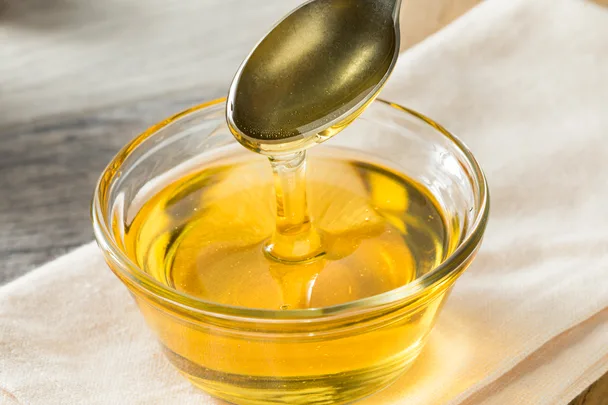
You may have stumbled upon some recipes calling for agave syrup and found yourself struggling to remember which aisle of the supermarket it can be found in. You’re forgiven for even wondering “what is agave syrup?” as it’s not a common ingredient in Australia yet! With its use on the rise though, let’s look at where agave syrup comes from, the health benefits of it and possible agave syrup substitutes.
What is agave syrup?
Agave syrup, also sometimes called agave nectar, is a liquid sweetener. The taste is very sweet, but fairly neutral when compared to honey or maple syrup. As it’s made from a plant, it’s considered more natural than artificial sweeteners and sugars. Agave syrup is made from the sap of several species of agave plants native to Mexico and surrounding areas, including the blue agave which is most commonly known for its use in the production of tequila. Agave syrup is made of the juice from the core, or piña, of the agave, that is then carefully heated and refined until it is a light-yellow coloured liquid sweetener. There is also a dark agave syrup variety that is made by ‘toasting’ the juice for longer to give it a more intense taste, similar to white sugar and brown sugar. Agave syrup has been used in Mexico and other Latin American countries for centuries and was originally used for medicinal purposes to cure skin aggravations and heal wounds. Today it is mainly used as a sweetener in foods and beverages, and has also become more mainstream worldwide with the trend towards more natural ingredients.
Related stories

Native ad body.
Sponsored by %%sponsor_name%%

Native ad body.
Sponsored by %%sponsor_name%%




Native ad body.
Sponsored by %%sponsor_name%%




Native ad body.
Sponsored by %%sponsor_name%%
