
The Odonata Foundation is leading the way to help Australia’s vulnerable species thrive.
Over the next 10 years, the not-for-profit organisation is focused on recovering nine Australian species that have been listed as vulnerable, critically endangered, or presumed extinct on the
mainland.
New Idea was lucky enough to see it all first-hand and visit the Mt Rothwell sanctuary.
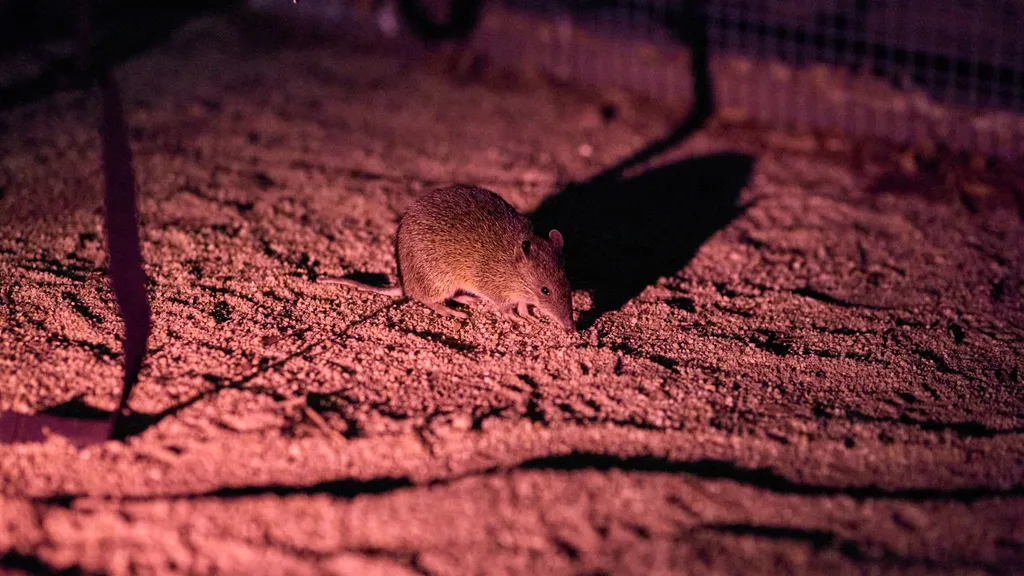
Located 50 kilometres west of Melbourne, the predator-free sanctuary protects species such as eastern barred bandicoots, which were once declared as extinct.
Now, they survive in reintroduced populations, with Odonata’s sanctuary network supporting about 80 per cent of the species’ mainland population.
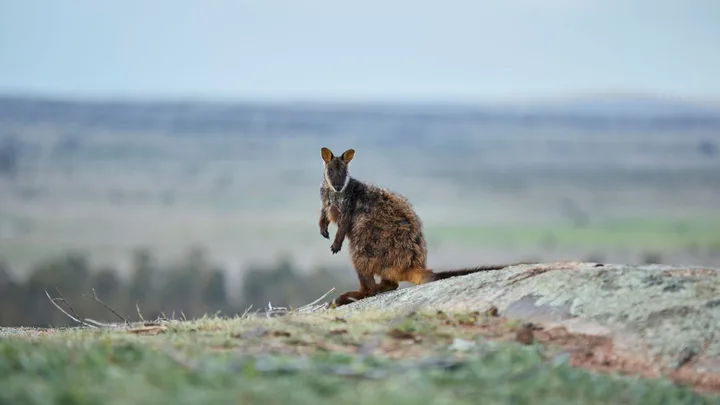
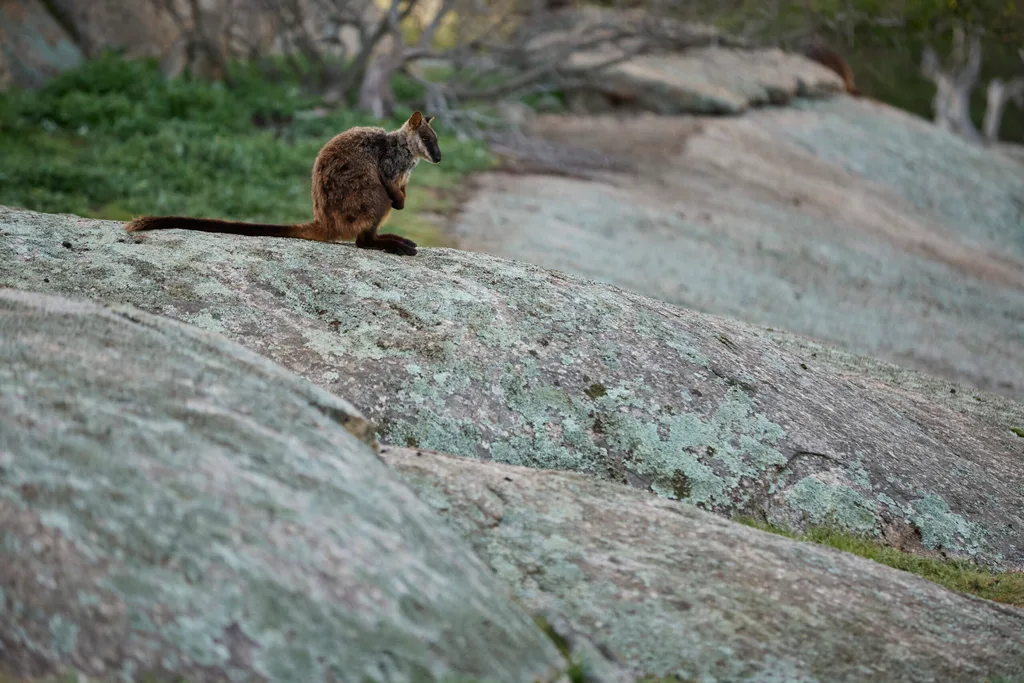
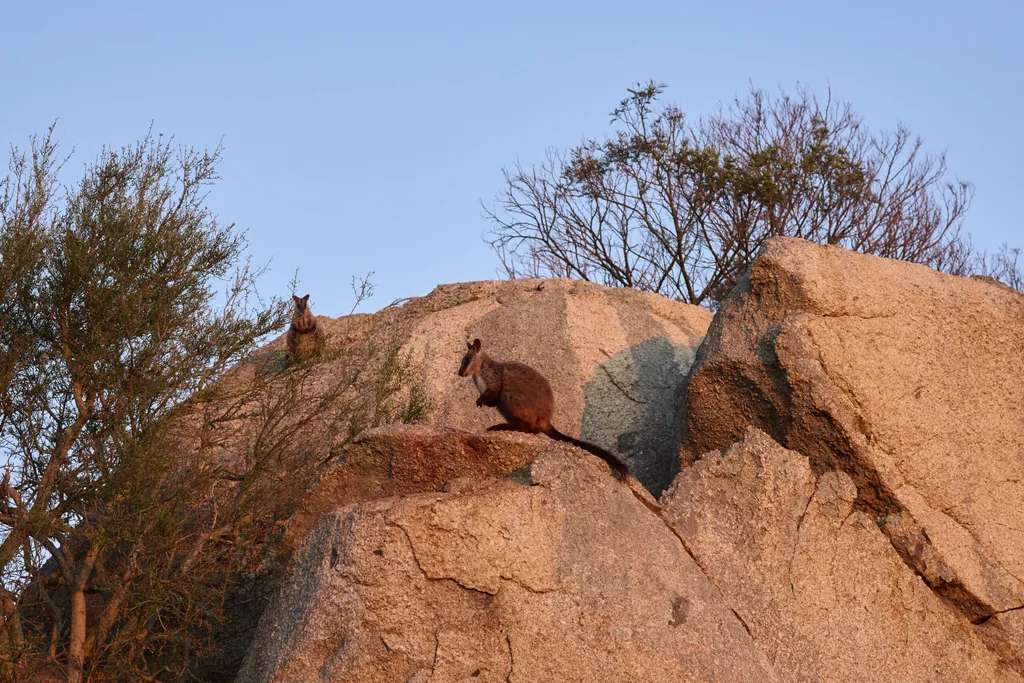
The Mt Rothwell sanctuary, located roughly 40 minutes from Geelong, also protects species such as the southern brush-tailed rock wallaby and eastern quoll.
Odonata’s CEO Steph Swan said Australia has the highest mammal extinction rates globally, and it’s more important than ever to preserve and strengthen our animal populations.
“Once a species is lost, we lose it and the important ecosystem services they provide, forever,” she exclusively told New Idea.
Their focused species also benefit our ecosystems in different ways, including improving soil health, aiding seed dispersal, and controlling pests.


One key way they achieve this is through their scientific 500-in-5 species recovery model. Put simply, once an animal population is established with a minimum of 500 animals across five specific sites, the population is secure.
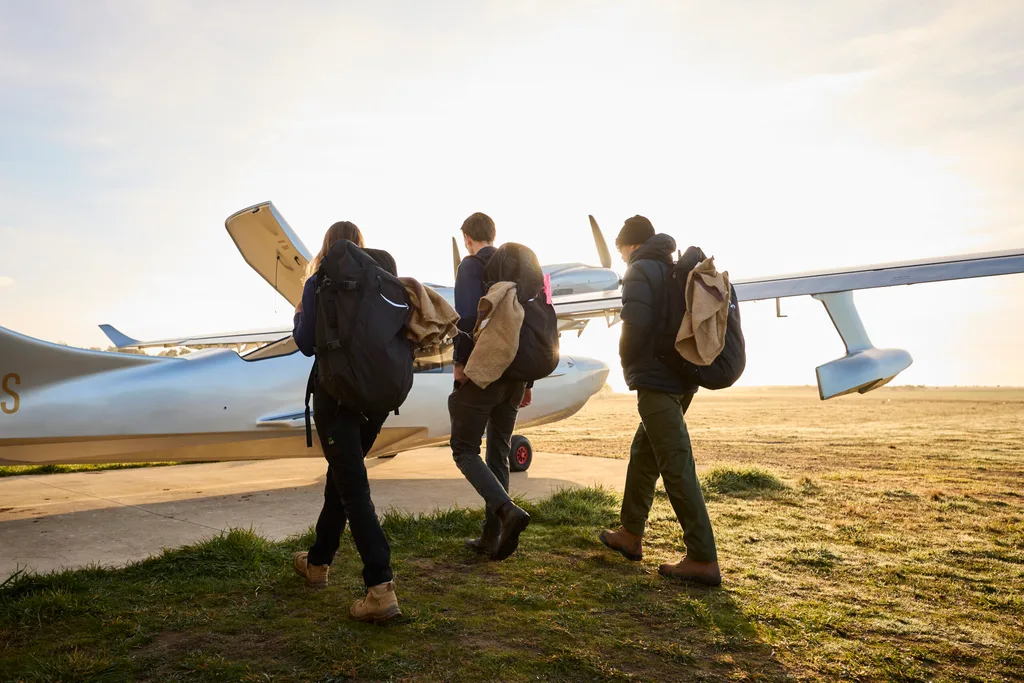
Recently, the foundation relocated six brush-tailed rock-wallabies to the ACT, which travelled by charter flight.
“There are less than 100 southern brush-tailed rock-wallabies in the wild so our work, supported by Amazon and our recovery partners, is absolutely critical,” the foundation’s Species Program Manager, Dale Crisp, told New Idea.
She explained that native species are moved to eradicate rabbits, and as a way to recover populations.
Looking into the future
Amazon Australia is investing $2.5 million into the three-year project through its Right Now Climate Fund.
This is the first Australian project being funded by the $100 million global initiative, which focuses on climate resilience and nature conservation projects.
The fund’s Global Lead, Jasmine Hyman, said the sanctuary’s initiative stood out.
“What sets them apart is their scientific approach—combining genetic resilience and recovery methods with climate data—and their commitment to working with First Nations communities,” she explained to New Idea.
“We chose this project because it proves something powerful: with the right combination of science, passion, and funding, we can reverse the path to extinction.”
Several sanctuaries and protected reserves across the country provide safe habitats where species can recover, thrive, and remain protected from external threats.
It also means populations can be established and protected from flood and fire-prone areas, and away from other locations pressured by the climate.
“For an organisation of our size, this has been the single largest private sector partnership in our history,” Steph said. “Our hope is that it invites others to understand and invest in conservation in similar ways.”
Along with having a dedicated team, more than 40 volunteers also check the premises.
Another important aspect of the foundation’s operations is its school and site visits, which allow it to highlight the impact of its work.
Not only that, but visitors also have the chance to see the species thriving.
“Joining one of our spotlighting tours gives people the opportunity to see threatened and near-extinct species in their natural habitat,” Dale said.
“There is a certain magic of seeing an eastern barred bandicoot, eastern bettong or quoll in a semi-wild environment, it’s the Aussie version of going on safari and embeds a passion for conservation in future generations.”

Related stories
Native ad body.
Native ad body.

Native ad body.