

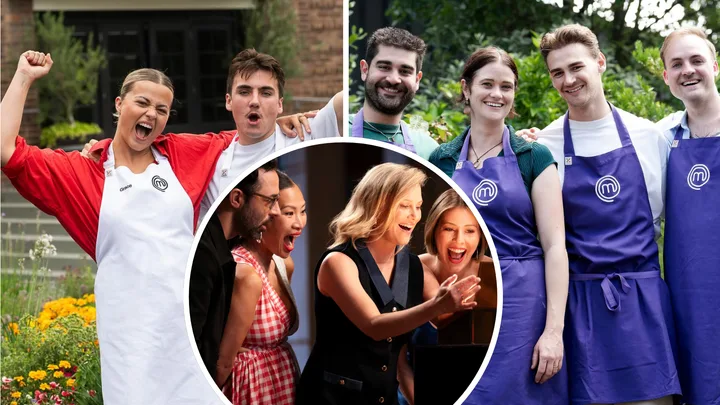
I was 12 years old when the first season of MasterChef Australia came out, and I have been a fan ever since.
Justine Schofield’s heartbreaking elimination was one of my earliest memories of the show, as was Julie Goodwin’s audition.
That, and Alvin Quah’s Opera Cake disaster in season two, where he said his looked like “it was hit by a bus”. That’s always stuck with me.
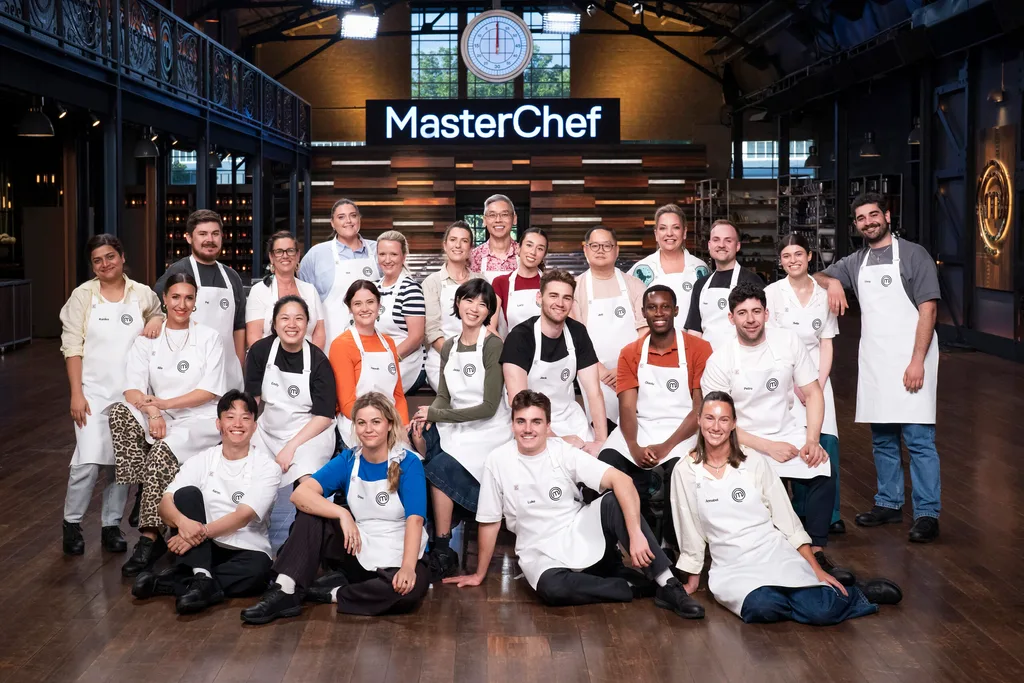
While I have watched the seasons unfold, I have become invested in everyone’s stories. Food became the universal language and equaliser, and every culture and everyone’s personal and professional journeys were celebrated.
Back in the day, I loved seeing the “where are they now” updates appear on the screen after each elimination, which was aired long after the season was filmed.
Seventeen years on, and everyone still comes to the competition in the hopes of getting a stepping stone for their careers, and finding themselves along the way.
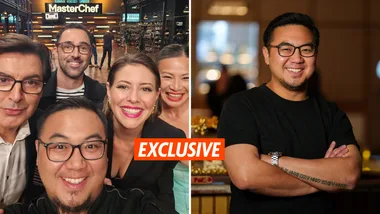
It’s fair to say that a lot has happened since season one – many legends have gone on to be household names, and each year, the dishes and challenges become more complex.
Who can forget Reynold Poernomo’s dish Down the Rabbit Hole, his Golden Snitch, or his White Noise dessert, which Gordon Ramsay couldn’t get enough of?
Each year, the contestants have drastically upskilled, and their appliances have also had major upgrades over the years. Hibachi, entremet, oil, and granita have all become part of the show’s vocabulary.
And who can forget the word umami?
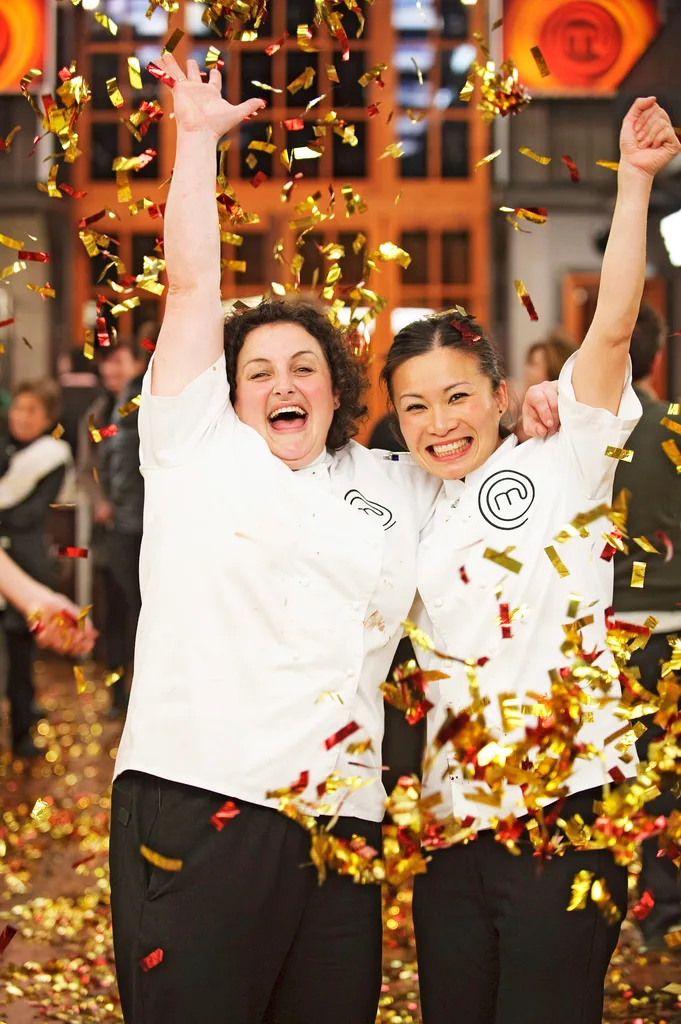
It’s been great to see the show evolve. However, as a long-time fan, I feel like the show wasn’t as approachable for home cooks, and the bar was set far too high.
Don’t get me wrong – hopeful contestants have come in meeting the standards, and of course, the show is going to evolve with each season.
I know that it’s also a reflection of the food industry, the theatre of food and the calibre of restaurants.
It’s also a reflection of how contestants can go in any direction after they’ve been on the show, whether it be content creation, pastry, opening a restaurant, fine dining, or even establishing a cooking school.
And I’m not alone in thinking this – I spoke with 2025 winner Laura Sharrad, and she told me that people have approached her worrying that they won’t be able to apply, because the show was too “cheffy”.
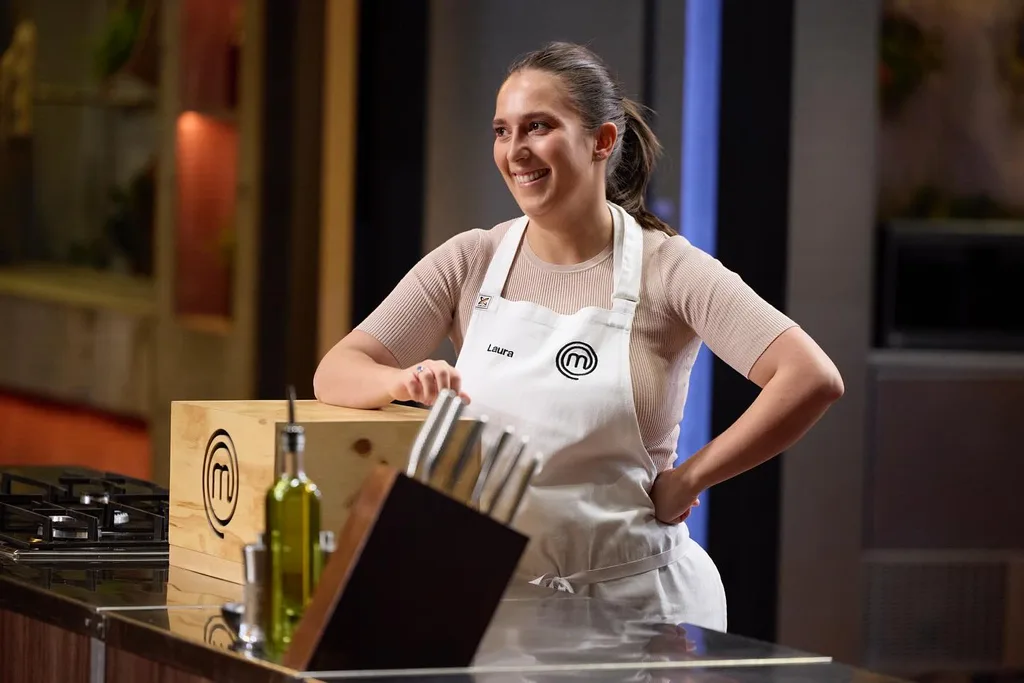
This year, I’ve loved that home cooking is celebrated more and that it doesn’t diminish the contestants’ advanced skills, and Laura agrees.
It was great to watch the Top 40 compete for an apron, and I loved that the show went back to its roots with the Family Feast Challenge.
It was also great to see Justine return to the kitchen and celebrate how far she’s come since 2009, in another nod to its traditional success.
Don’t get me wrong, the 2026 contestants aren’t short on talent and certainly produce technical dishes, but they don’t feel as out of reach as before.


Share this post