

NEED TO KNOW
- Stalking affects an estimated 2.7 million Australians, including 1 in 5 women.
- It often escalates from obsession or relationship breakdowns, and can become violent in about 1 in 5 cases.
- Experts urge early reporting, recognising warning signs, and keeping records to stay safe.
A leading expert has called the number of Australians who have experienced stalking “extraordinary”.
One in five Australian women aged 15 or older have been stalked, according to the Australian Bureau of Statistics.
An estimated 2.7 million Australians have experienced stalking overall.
“Stalking can infiltrate every part of the victim’s life,” Professor Troy McEwan tells New Idea.
“Everything they do is impacted by that person who could be watching or waiting for them at any time.”
A professor of clinical and forensic psychology at Swinburne University, McEwan works with stalkers to understand and stop their behaviour.
“I fell into this field by accident,” she says.
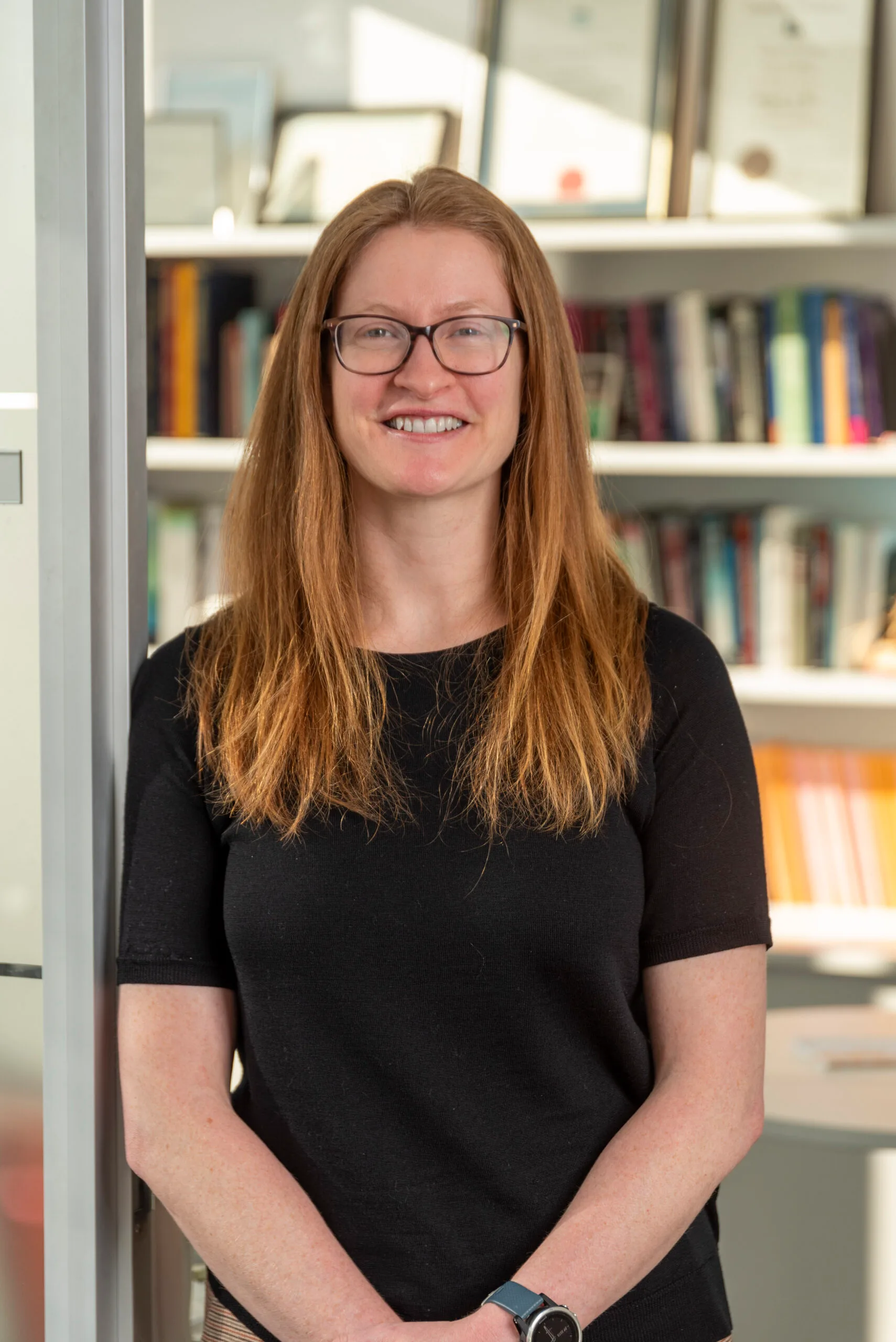
“When I started my doctoral studies, stalking was a new field and I found it fascinating.”
“I wanted to contribute to building knowledge that was clearly needed.”
“Twenty years later, I’m still working to improve understanding and responses to stalking.”
Most victims of stalking are not celebrities but ordinary people who find themselves being followed, messaged, sent unwanted gifts and harassed at home or work.
“One of the times people get stalked is at the end of an intimate relationship,” McEwan says.
“Everyone has break-ups, but some people feel worthless and disrespected, and those emotions get stuck.”
“In some cases, they believe, ‘you hurt me so I’ll hurt you.’”



“I’ve worked with people who have stalked for 20 years.”
McEwan’s job is to help people recognise stalking is not a helpful way to manage their emotions.
“There is intense emotional arousal, and understanding those drivers helps change behaviour,” she says.
“Or to think about consequences, like police charges. Most people who stalk do stop.
“They have to change how they think and feel so the behaviour no longer continues.”
Stalking is not always the result of a break-up, either.
In more than half of cases, stalkers are strangers or distant acquaintances.
“One group of stalkers seeks a relationship and intimacy with their target,” she says.

“The other group is vengeful and wants to get back at someone they believe has hurt them.”
This was the case for Celeste Manno, 23, who was stalked by former colleague Luay Sako for 18 months.
He became obsessed after she showed him kindness when he was fired.
When she refused his advances, his messages became increasingly vulgar.
Celeste obtained a restraining order, which Sako breached.
The situation escalated after he saw a photo of her with a new boyfriend on social media in November 2020.
In around one in five cases, stalking becomes threatening and violent.
Tragically, Sako was one of those cases.
On November 16, 2020, he smashed Celeste’s bedroom window with a hammer and stabbed her to death.
Sako avoided a life sentence and was jailed for 36 years.

“It’s outrageous that the court granted him mercy when he showed Celeste none,” her mother Aggie Di Mauro said.
She has been campaigning for change ever since.
“Without monitoring someone like this, you cannot prevent this from happening again,” she said.
Perth GP Dr Anna Chaney also experienced violence after three years of stalking by a former patient, Christopher Healey.
In September 2023, Healey attacked her with an axe at her clinic.
Her life was saved by bystanders.
He later pleaded guilty to stalking and attempted murder and was jailed for 23 years.
If you fear harm, McEwan says it is important to report stalking to police.
“Use the word ‘stalking’ and say you are scared,” she says.
“Take a friend with you for support. If you are not satisfied with the response, ask to speak to a senior officer.”
“Be assertive. Keep records of all contact and incidents. Save calls, texts and emails, and keep a detailed log to present to police.”

Related stories

Native ad body.

Native ad body.




Native ad body.