

 Supplied/Nine
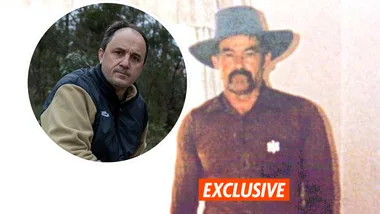
Robyn Barnes is still haunted by the thought of how her little brother Alan died on his 17th birthday, after being tortured for days by a group of allegedly prominent Adelaide men.
“The last time I saw him there was a big smile on his face and he was heading out the door. He was so full of beans, full of life. He was just a very happy-go-lucky boy. He loved life and he was looking forward to the future,” she says.
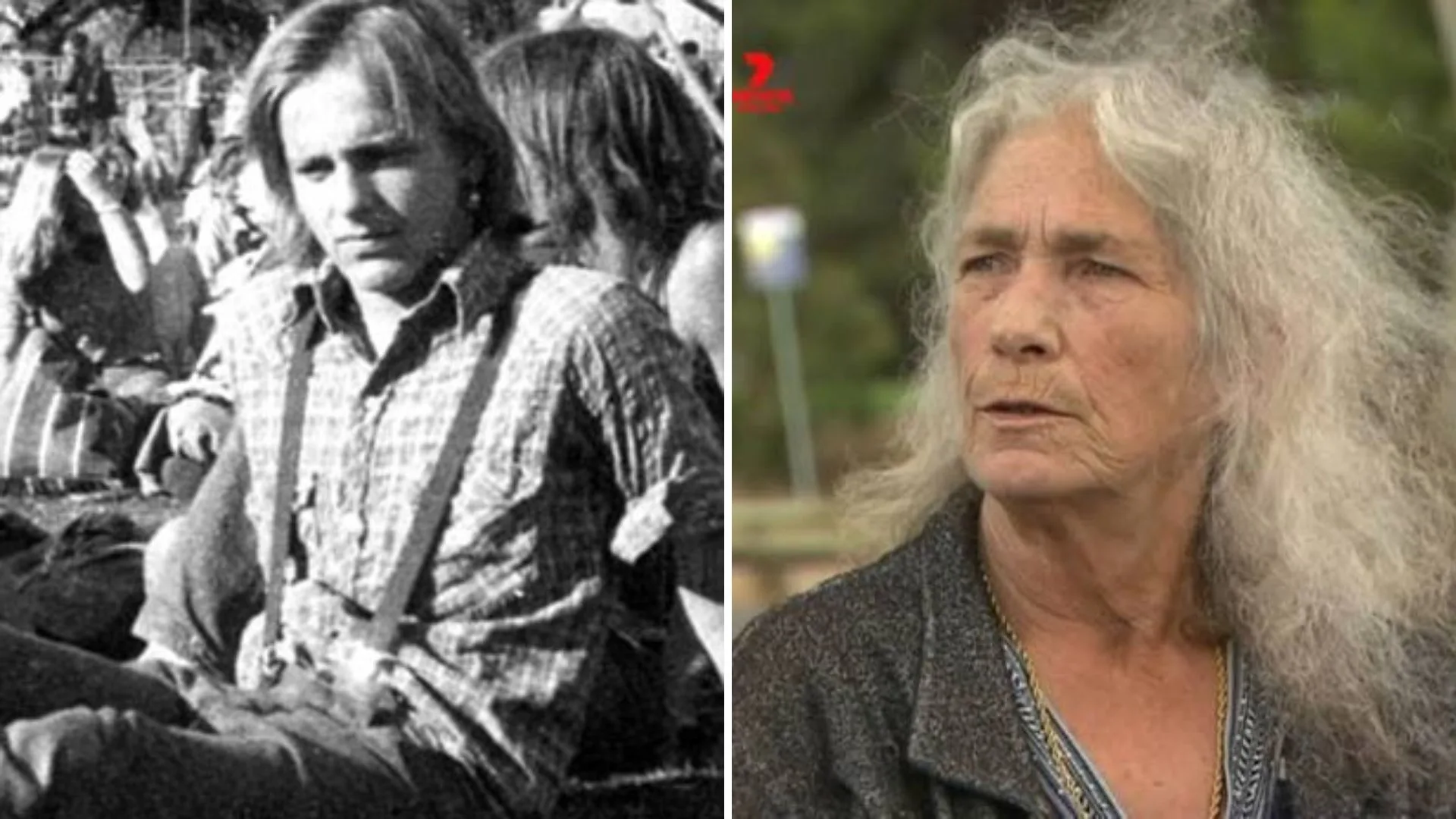
Nobody has ever faced justice for the death of her brother but Robyn spoke to Seven News after child killer Bevan Spencer Von Einem, 79, died in prison in December 2025.
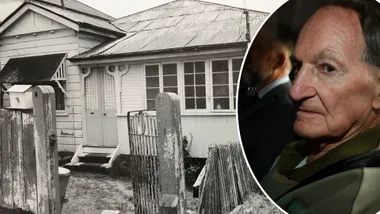
He was the suspected ringleader of a secret gang involved in the abduction and murder of five young Adelaide men between 1979 and 1983 and his death made Robyn and the other victims’ families even more determined for justice.

The names of the other men in the gang, known as The Family, have been suppressed.
Now Robyn and the other families hope a new campaign calling for the lifting of suppression orders relating to the murders, will finally unmask Von Einem’s accomplices.
They are seeking 500,000 signatures to a public petition to lift suppression orders on the names of the allegedly rich and powerful men long-suspected to be involved in the horrendous crimes.
“We’re never going to see justice as we know it. This is the next best thing we can do for these boys,” Robyn told ABC News.
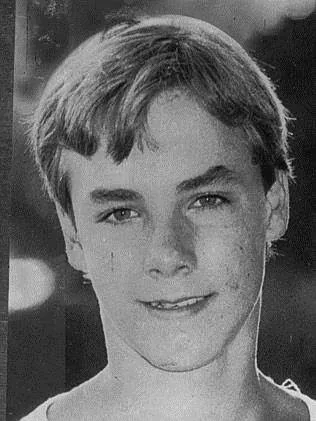
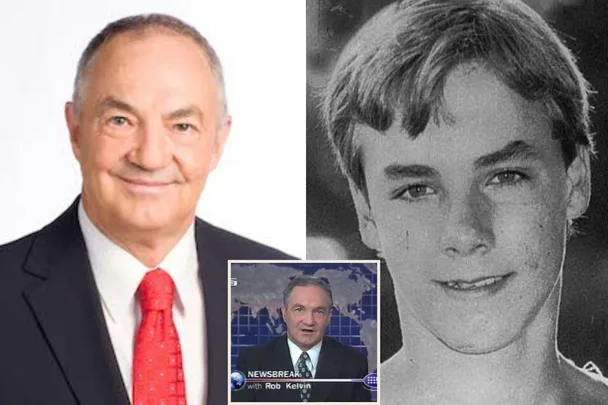
Von Einem was only ever convicted of killing Adelaide newsreader Rob Kelvin’s 15-year-old son Richard.
Richard was the last known victim of The Family after disappearing in June, 1983. His body was found five weeks later.
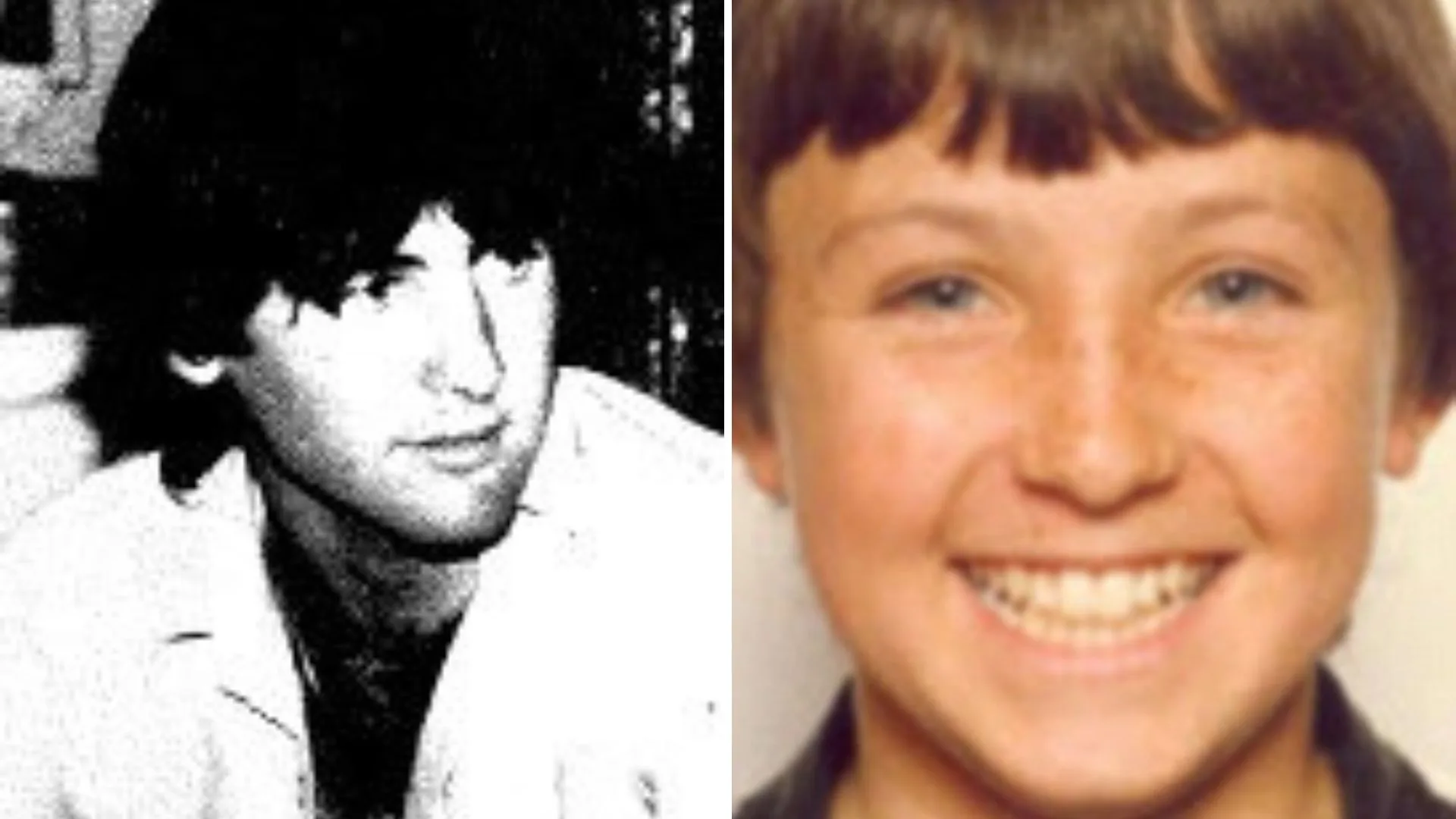
Alan was the first victim, in June 1979. His body was found under the South Para Bridge at Williamstown. The dissected body of Neil Muir, 25, was found near Osborne two months later.
Peter Stogneff, 14, disappeared in August 1981, and his remains were found 10 months later at Middle Beach, while the body of Mark Langley, 18, was found at Summertown in March, 1982.

Robyn can’t fathom why the other men suspected of being involved in the murders remain what she calls “a protected species” almost five decades later.
“He was killed on his birthday. Body washed and thrown over the bridge like a piece of rubbish,” she says, adding that she has always hoped a DNA breakthrough could lead to justice for Alan and the other lost boys.
“That does give me hope. For us the fight is still not over, we have these suppression orders we need lifted. We need help, we really do, this is the last thing we can do for these boys,” she says.
One detective who worked on the case believes there could be “dozens more victims” and while the South Australian Government does not object to the suppression orders being lifted, the police are still opposed to the move.
“There are a number of valid factors why they should remain in place, but of primary concern is the potential to prejudice the administration of justice and the need to preserve evidence in the investigations,” Commissioner Williams said in a statement.
“The suppression orders further support the confidentiality of witnesses who have provided information to police. Whilst SAPOL understands the rationale of those behind the current petition, it is highly likely the lifting of the suppression orders would diminish any hope of victims’ families receiving the justice they deserve.”

