

NEED TO KNOW
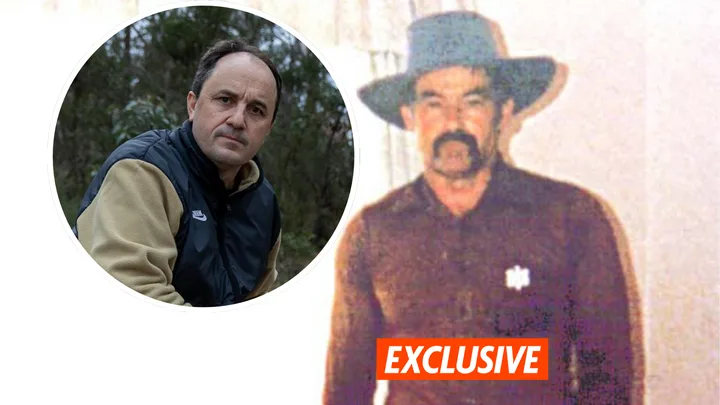
- Ivan Milat is a profilic serial killer who was convinced of the murders of seven people.
- Commonly known as the Backpacker Murderer, a new inquiry is revisiting his cases.
- Jeremy Buckingham is looking into unsolved cases in the rural community of Bellingen.
The fate of hundreds of missing and murdered women is being thrown into the spotlight with a new inquiry, which could reveal the crimes of prolific Australian serial killer Ivan Milat were more far-reaching than ever imagined.
The inquiry is the result of questions being asked by Jeremy Buckingham, an Australian politician, who was surprised when he discovered just how many unsolved female homicides there were in his rural town.
“I thought it was strange that there were three cases in my little community of Bellingen. I started researching to see if it was an anomaly in my region,” he tells New Idea.
“I found that in New South Wales there was a particularly large number of unsolved [female] homicides and unexplained missing persons cases.”
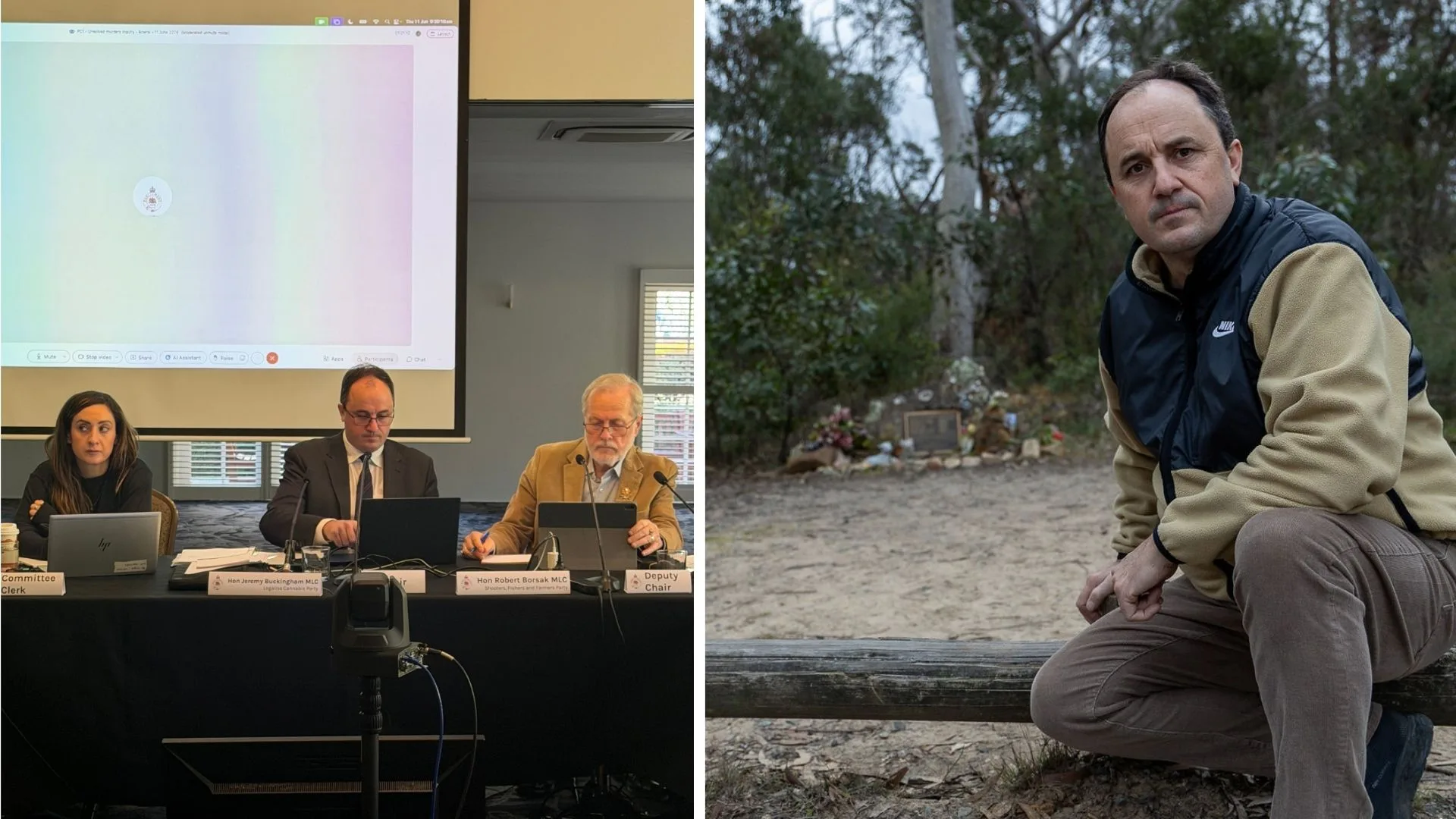
The cases dated back to 1965 and, after discovering there were 67 unsolved female homicides and many hundreds of women who went missing in suspicious circumstances, Jeremy demanded answers.
“It was clear there was a horrendous issue that needed proper investigation,” he says.
“The cohort were vulnerable people on the margins of society – poor, Aboriginal, hippies and travellers, but, regardless of their background, the police should have been applying the law. It was alarming and heartbreaking.”


The NSW parliamentary inquiry that Jeremy is now chairing had its first hearing in June.
Its focus is on unsolved murders and long-term missing persons cases in New South Wales between 1965 and 2010 and, after hundreds of submissions from families and friends of the missing women, it has now extended its submission date to October 30, 2026.
“What we’re learning is that there were either a couple of hundred murderers that got away with it or there were some prolific serial killers who got away with it,” Jeremy says.
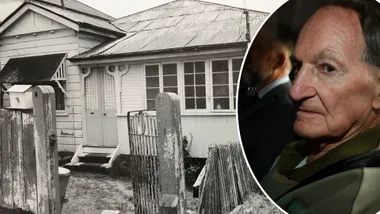
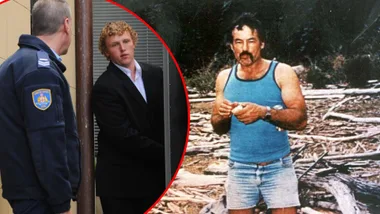
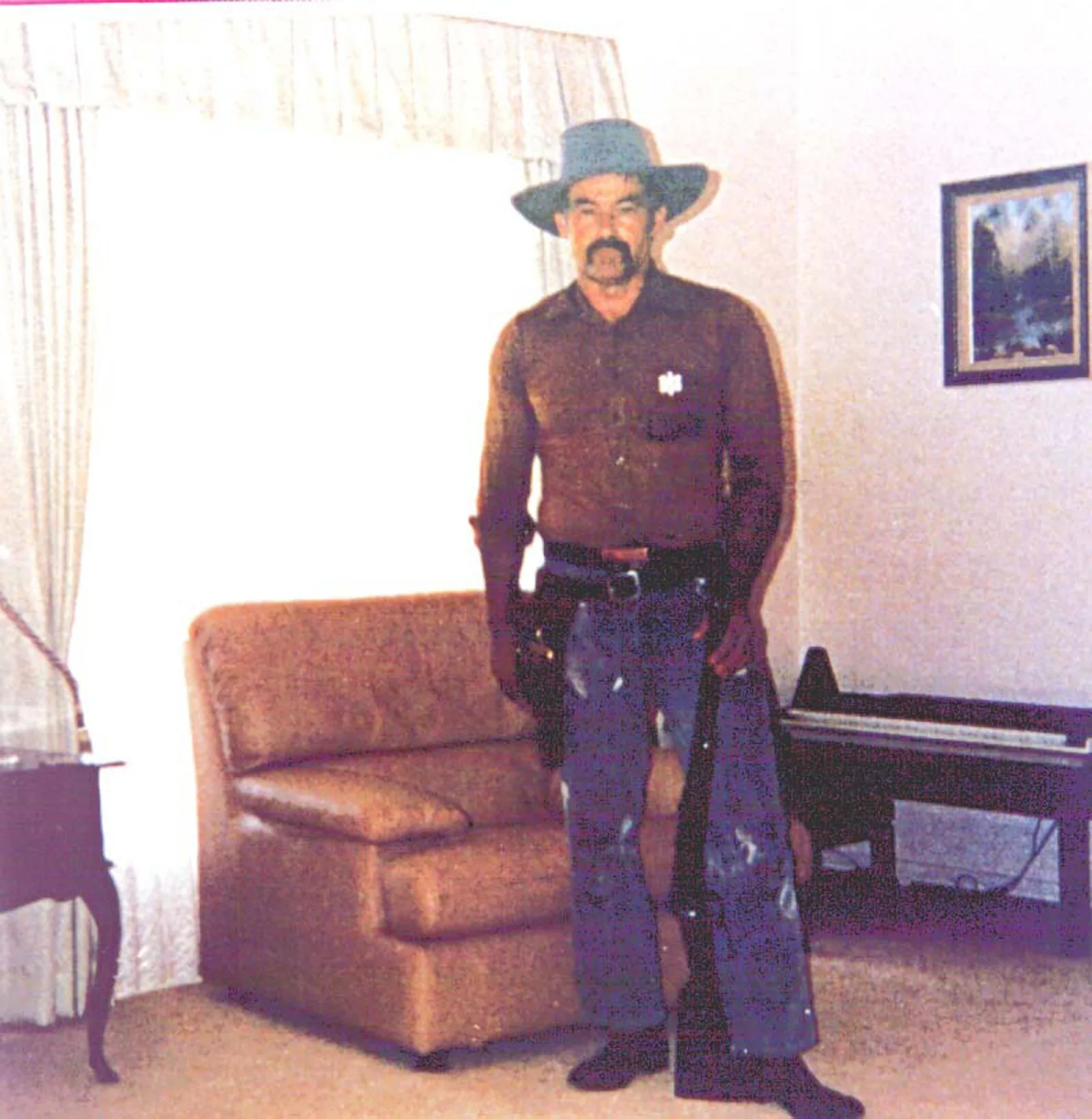
“We know there were serial killers [operating]. Experts have identified clear clusters in particular areas with similar victimology.”
Ivan Milat, the ‘Backpacker Murderer’, who was convicted of at least seven killings between 1989 and 1992, is a known serial killer from the time, and Jeremy says the inquiry has thrown up some serious questions around how many victims he actually had.
“We’ve heard it’s highly likely [Milat] also killed Keren Rowland in 1971, which was 20 years before his Belanglo State Forest murders,” Jeremy says.
“There is evidence that once someone has developed the proclivity for that kind of violence they keep doing it … [Milat] may well have kept murdering people for decades.”
Jeremy says where Milat was, who he spent time with and where he worked is not clear, and the inquiry is asking police for a timeline which they can overlay with where all the women who went missing were.
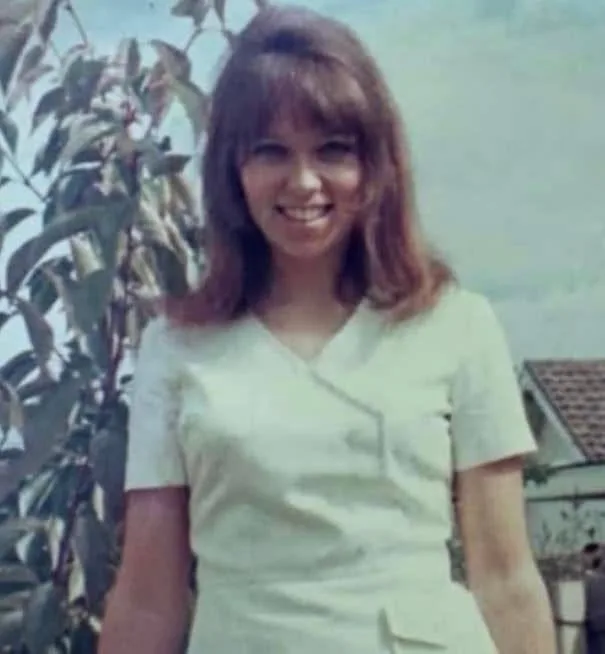
“We know he was working in the Belmont area of Newcastle when 10 women disappeared over an 18-month period,” Jeremy says.
While no immediate resolution is likely for the families, the process is about being heard, says Jeremy.
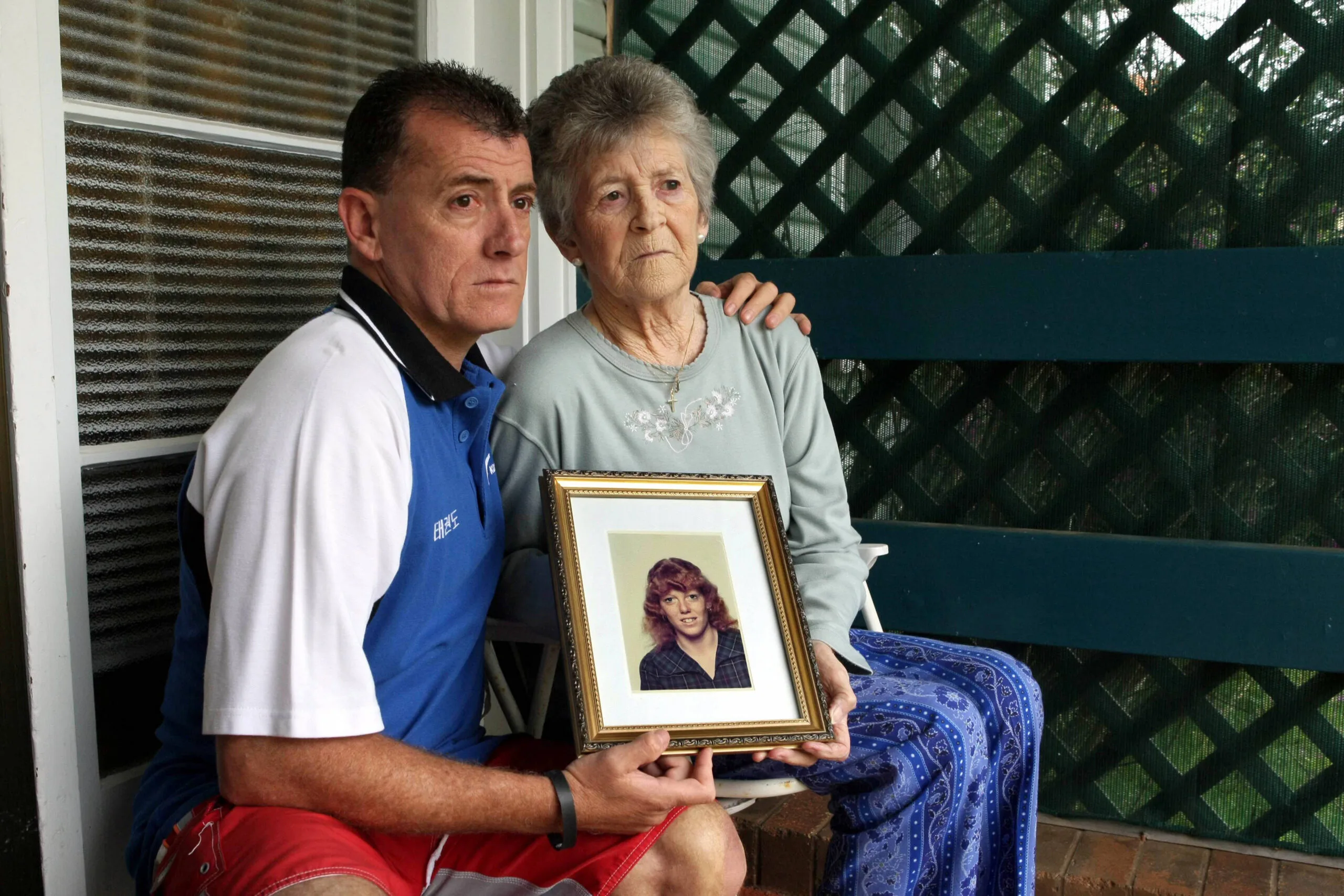
Kevin Docherty, whose twin Kay Docherty disappeared from Warilla in 1979 and has been found to be another potential victim of Milat, wrote in his submission that his family had spent decades searching for answers.
“I promised my mum, who died in my arms, that I would continue the search for her daughter, my twin sister,” he said.
“The families have been overwhelmingly thankful,” Jeremy says. “It’s an opportunity for them to put [their story] on the public record and for truth telling.”
“I hope that the inquiry gives us a better picture of what happened and why so we can do better in future […] Violence, especially when it’s not resolved, has a societal impact.”
Milat, 74, who died in jail in 2019, will not face justice for any further murders, but Jeremy believes the inquiry also has an important part to play in building an understanding of his activities and crimes.
“I’m of the view, as are some senior police, that Milat was responsible for scores of other murders,” he adds.
“We need to find out why he was not pursued for them at the time.”
Submissions to the inquiry can be made online at parliament.nsw.gov.au and are open until October 30, 2026.
For more news, save New Idea as your Preferred Source on Google here.

