

NEED TO KNOW
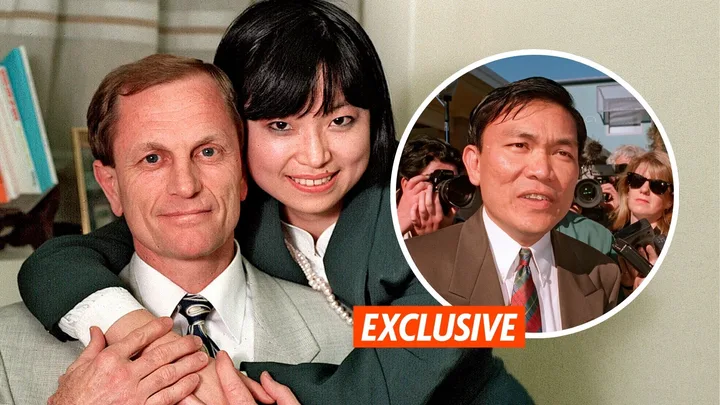
- Cabramatta MP John Newman was shot dead outside his Sydney home in 1994.
- Phuong Ngo was convicted of masterminding the assassination and is serving a life sentence, but has always maintained his innocence.
- A new book by journalist Debbie Whitmont argues fresh evidence raises serious questions about the investigation and conviction.
It was Monday, September 5, 1994. Cabramatta MP John Newman attended a Labor Party meeting at Cabravale Diggers Club in Sydney’s south-west, where he discussed the area’s crime problems.
The tough suburb of Cabramatta had become Australia’s homicide and heroin capital, and many, including Newman, blamed the Asian population.
“Asian gangs don’t fear our laws,” he’d told reporters. “But there’s one thing they do fear, and that’s deportation. Send them back to the jungles… that’s where they belong.”
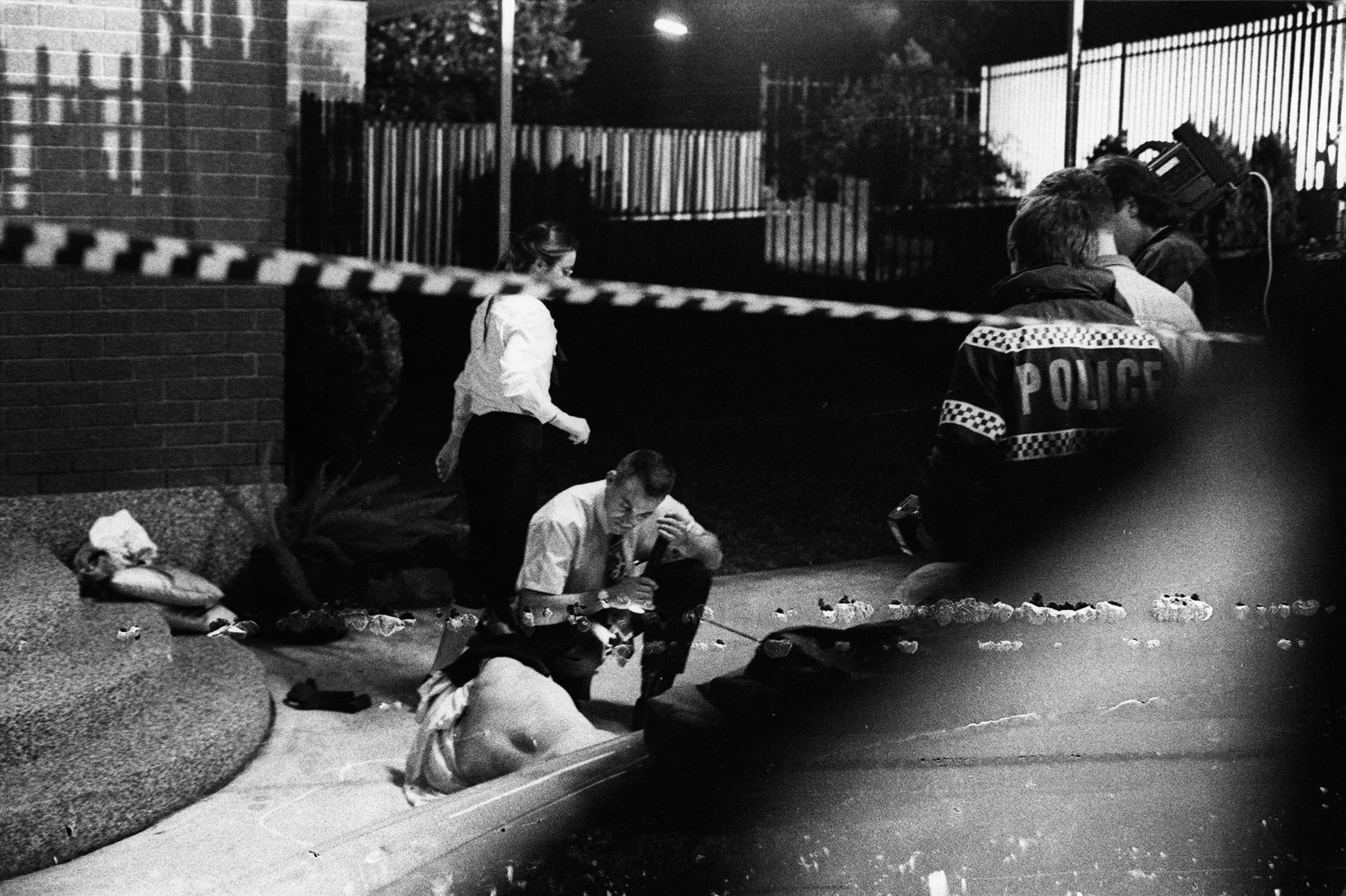
When the meeting ended at 9.15pm, Newman drove home, parked under his carport and covered his Ford Fairlane. His fiancée, Lucy Wang, stepped outside to help. Seconds later, Newman was dead – shot in his driveway by a gunman who has never been identified.
Vietnamese-born Phuong Ngo, 68, was found guilty of masterminding the assassination to take Newman’s seat. He has always maintained his innocence, but has been sentenced to life imprisonment, without the possibility of parole.
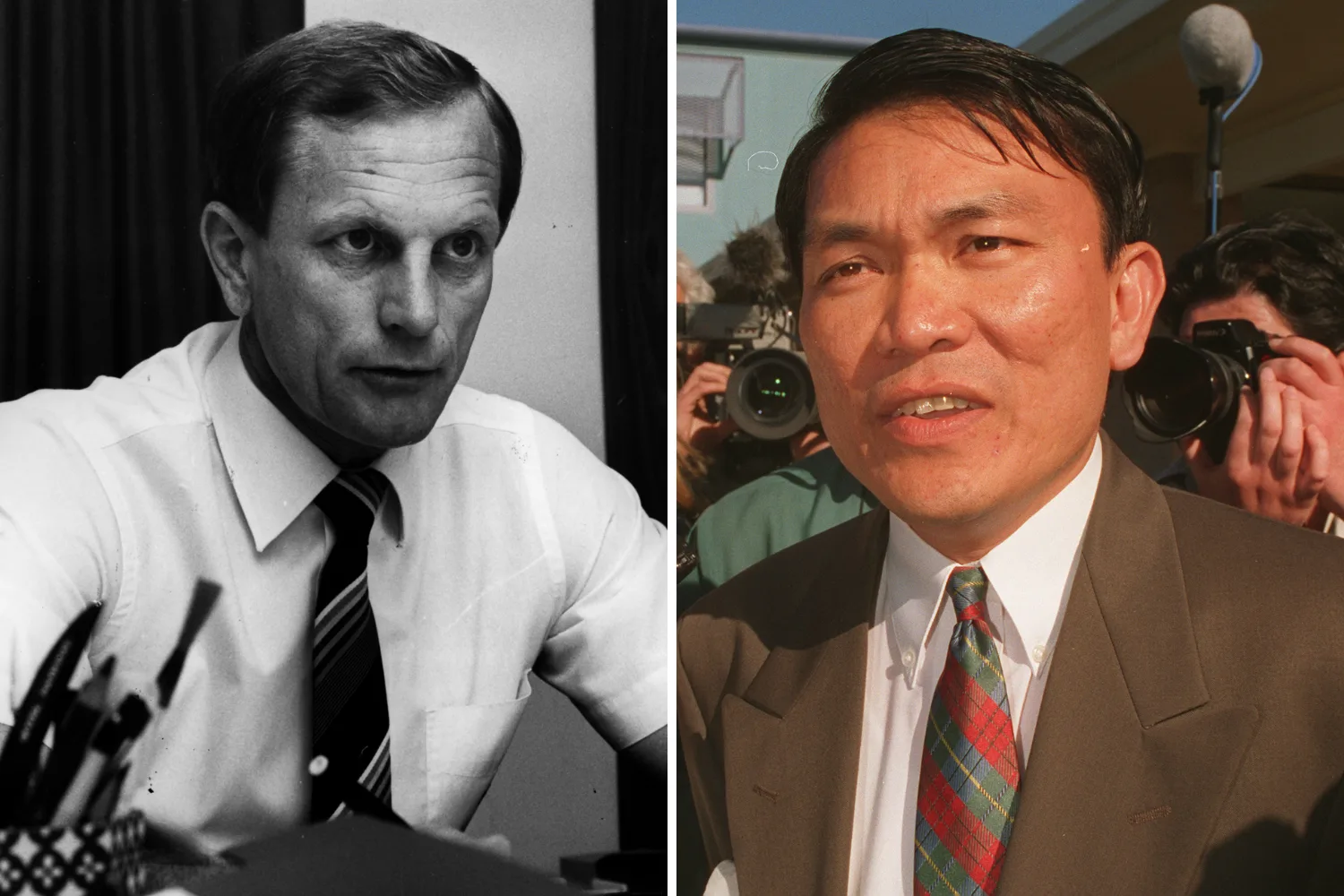
The ambitious businessman was a prominent figure in the Vietnamese community. Within years of arriving in Sydney as a refugee, he became deputy mayor of Fairfield City Council and set his sights on higher office.
In 1991, he unsuccessfully challenged Newman for the seat of Cabramatta. There was no love lost between the two men, but did Ngo really try to fast-track his political rise by organising Newman’s murder?
A new book examining the crime, the evidence – and the political landscape of the time – suggests Ngo may have been the victim of a serious miscarriage of justice.
Journalist Debbie Whitmont investigated the Newman murder in 2008. Now, in The Man Who Couldn’t Wait (Allen & Unwin), she argues new evidence reveals flaws in the legal process that led to Ngo’s conviction.
“I can’t tell you Ngo is innocent, but I can say there is something very wrong with this case,” she says.

Ngo was charged with Newman’s murder in March 1998 and convicted in 2001. No forensic evidence or eyewitness testimony placed him at the scene, but Debbie says there is evidence supporting his innocence.
She interviewed Labor heavyweights, including Graham Richardson, who told her that at the time of Newman’s murder, the Labor Party was preparing to force him out because he had become a liability.
“Newman was not the sort of person they wanted in Parliament representing them anymore,” says Debbie.
Party figures have since confirmed Ngo was offered Newman’s seat on the day of the murder. He declined, preferring an upper house position. If so, Debbie asks, why would he kill Newman?
She argues NSW Police and the NSW Crime Commission were under pressure to solve the case and that, while Ngo was “not perfect”, he became an easy target.
“Much of what happened during the trials is subject to secrecy and suppression orders. The major witnesses against Ngo have never been identified and gave evidence with undertakings they would not be prosecuted,” she says.
A pistol recovered from a nearby river four years after the shooting helped convict Ngo. However, experts could not confirm it was the murder weapon. Two men accused of being the gunman and getaway driver were acquitted.

Ngo accepts he is likely to die in prison, but hopes to return to Vietnam through a prison transfer.
“Ngo had been a model prisoner but was sent to the high-security Supermax prison and kept in isolation for 14 years. Authorities claimed he was leading a white supremacist gang – but, as Ngo said, how could he be Asian and lead white supremacists?” Debbie says.
“Ngo wanted the story of the investigation and his conviction exposed, and believes he was sent to Supermax to be silenced. If that is true, it is shocking.
“He told me his greatest fear was dying in prison and having his story disappear. His story needs to be told…”

