

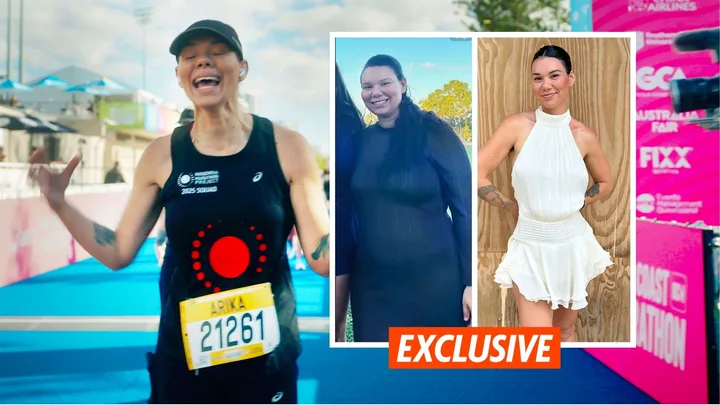
Struggling with her health, Arika Appleby felt too depressed to even walk to her nearest postbox.
Weighing 108kg, the Townsville radio host admits she had closed herself off from the world.
“I was at rock bottom,” Arika tells New Idea.
Over the past five years, Arika, a proud First Nations woman and member of the Judjala, Juru and Juku Badhun peoples, had applied for the Indigenous Marathon Project (IMP) four times.
It’s a program that trains Aboriginal and Torres Strait Islanders aged 18-30 to run the New York City Marathon while developing leadership skills and creating positive change in their communities.
A mum of two, she desperately wanted to change for her children, and applying for the fifth time, she was determined to finally complete the marathon.
“Exercise wasn’t part of my life at all. I was taking heart tablets and had moved back in with my parents after a relationship breakdown. I basically had to restart my life,” she says.
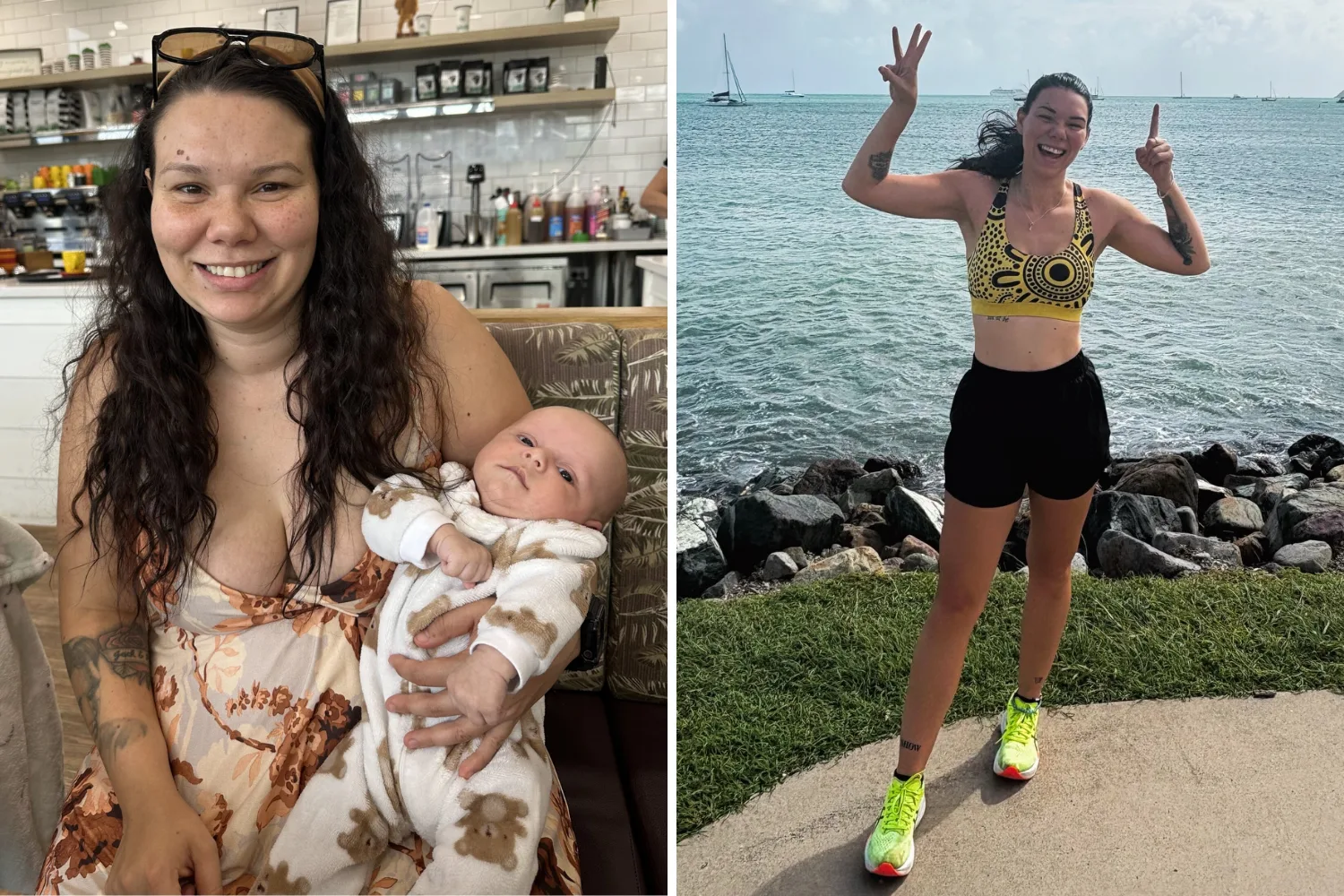
After failing to make the squad, last year was the final year Arika, then aged 30, would be eligible.
“I don’t like being told I can’t do something,” she says with a laugh.
“Every time I got knocked back, it made me want it even more. I needed something life-altering because what I was doing before wasn’t working.”
Determined not to waste her final shot, this time, Arika began training before applications even opened.
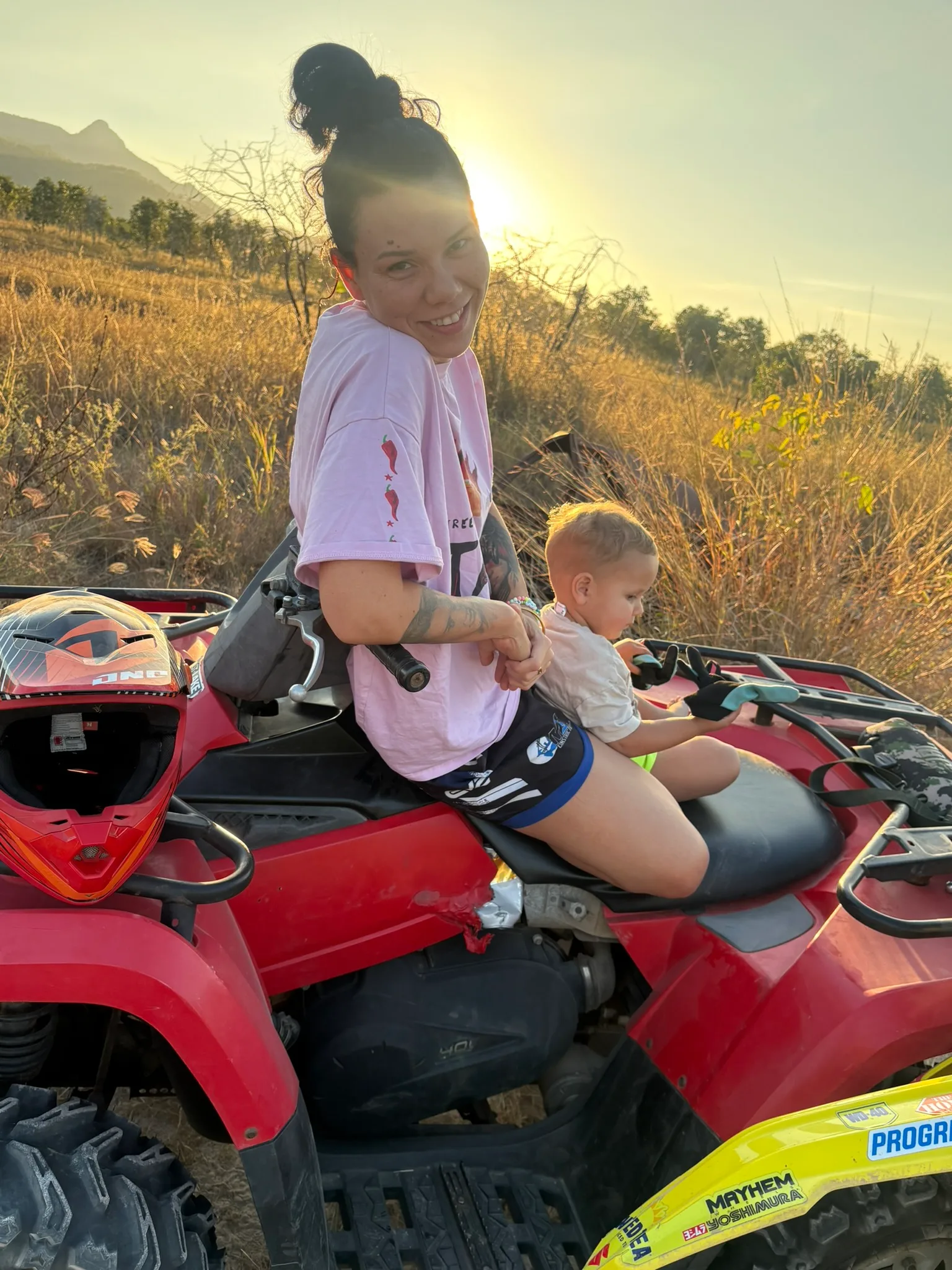

She started slowly, combining walking and running before building her confidence and endurance.
“After the first week, I thought, ‘I don’t care how slow I go, I just don’t want to stop,’” she says.
Some days, she trained while pushing her children in a pram.
Other sessions happened late at night after her kids had gone to sleep.
Hours spent alone on the road gave Arika time to process emotions she had carried for years.
During one 21km training run, she reached breaking point.
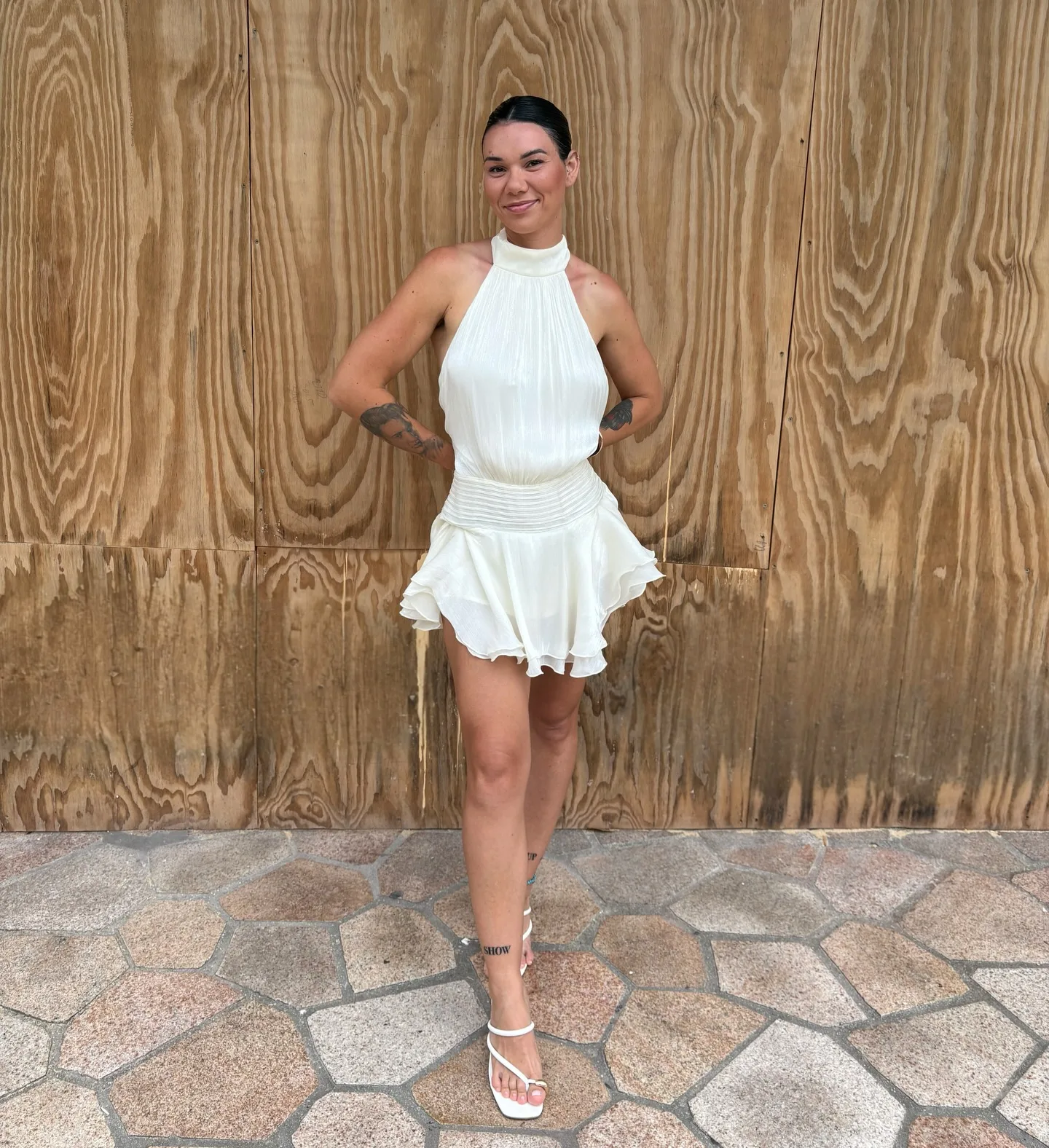
“I collapsed on the side of the road and just began crying,” she recalls.
“I was physically exhausted, but I was mentally exhausted too. Running forced me to sit with myself and work through things I’d been carrying for a long time.”
It was healing.
Then came the news she’d been waiting years to hear – Arika was eventually selected as one of the IMP’s 12 runners.
By the time she arrived at her first training camp in Canberra, she had lost 32kg.
But for Arika, the transformation was never about weight.
“I did it for my mental health because I wasn’t in a good place,” she says.


“Losing weight was just a bonus.”
In camp, the focus is on far more than running, teaching participants about leadership, nutrition and how to inspire healthier communities.
One of the hardest parts of the experience was being away from her children.
“But I knew I was doing it for my kids. If I’m not right, then I can’t be right for anybody else.”
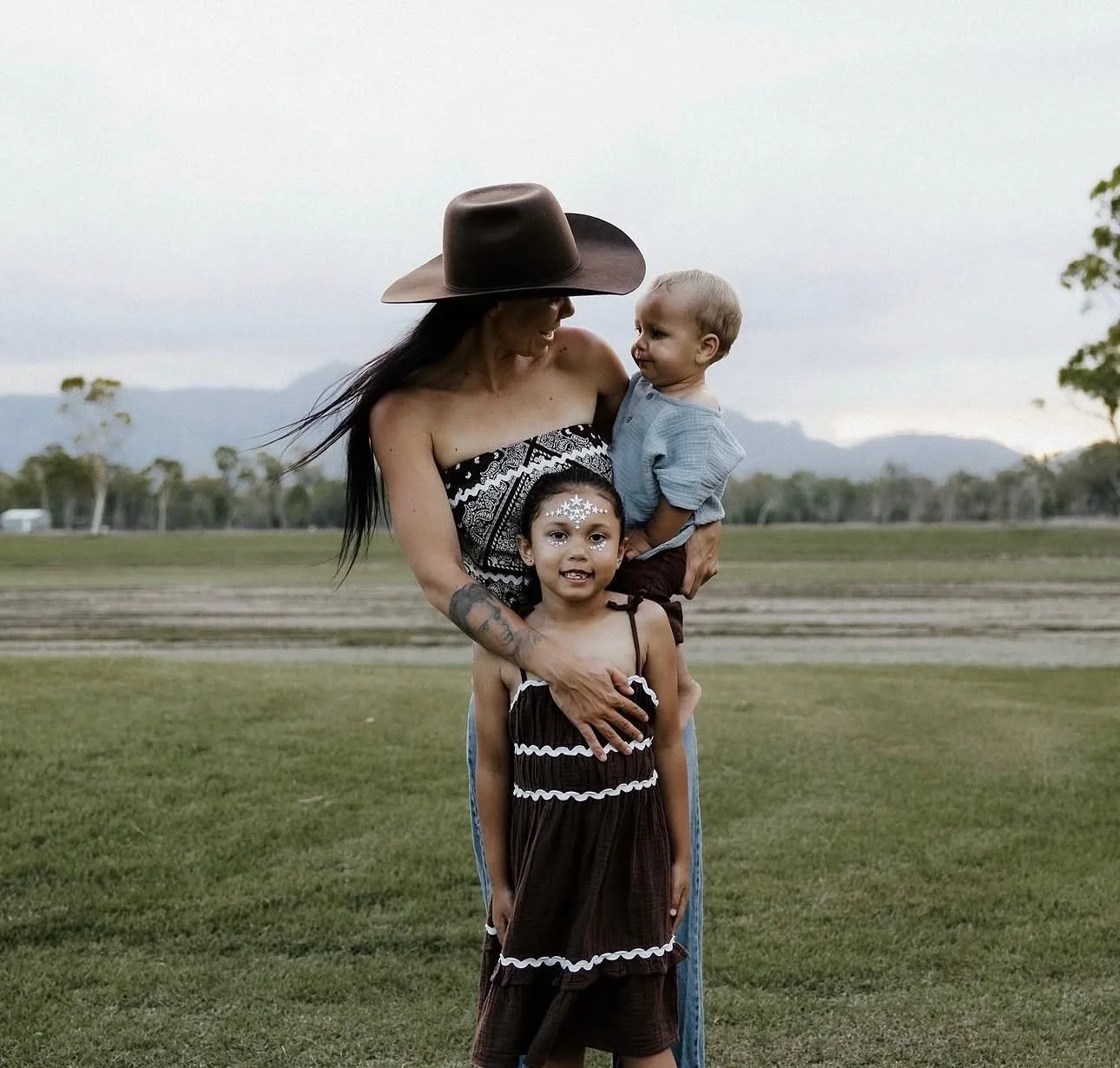
By the time it was race day in New York, Arika had lost 48kg and weighed 60kg.
On November 2, 2025, the woman who once struggled to motivate herself to leave the house completed the 42.2km course in just over four-and-a-half hours.
“When I finally crossed the finish line, I didn’t want it to end,” she says of her incredible achievement.
Arika’s remarkable journey is now featured in The Long Run, a Channel Nine documentary following participants through the IMP as they prepare to complete their first marathon with only six months of training.
Back home, Arika, now 31, continues to inspire others.
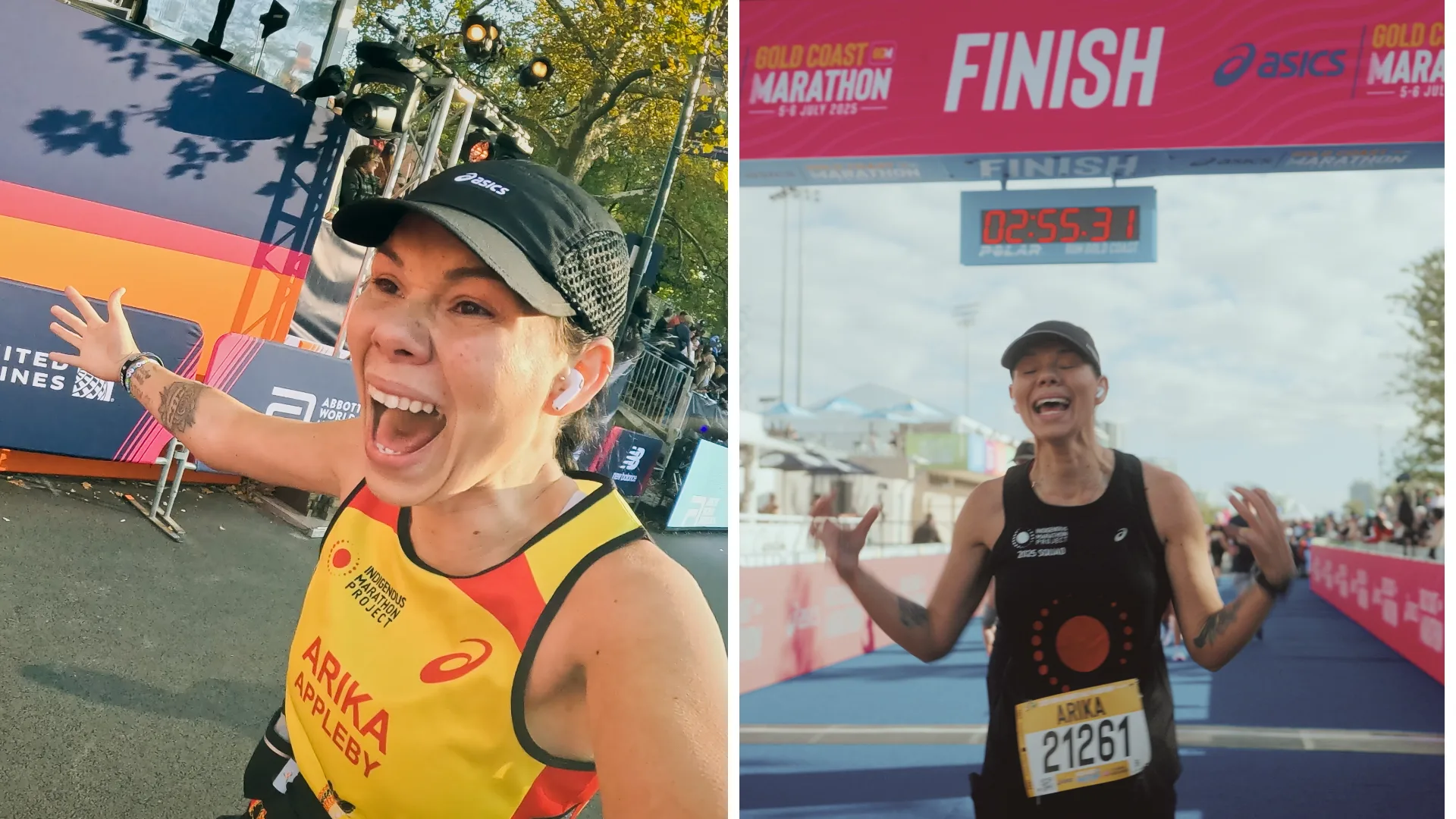
She has also launched her own running group, Let’s Go Running, helping everyday Aussies train for marathons and half-marathons.
With her newfound confidence, she’s even plucked up the courage to step onto the stage at the Melbourne Comedy Festival to perform stand-up comedy for the first time.
“I’ve found myself again,” says Arika thoughtfully.
“If my story helps even one person believe they can change their life too, then it’s all been worth it.”
The Long Run premieres on Channel Nine on June 28.

