


It’s no secret that we all need good sleep (myself included), but what actually happens once we close our eyes?
Some nights you’ll find you can sleep like a log. Others, you wake up feeling as though you’ve been tossing and turning all night long.
That’s because getting enough rest isn’t as simple as getting enough hours. From light to deep sleep and REM, your body moves through a clever cycle of different stages, each with its own important role helping you rest.
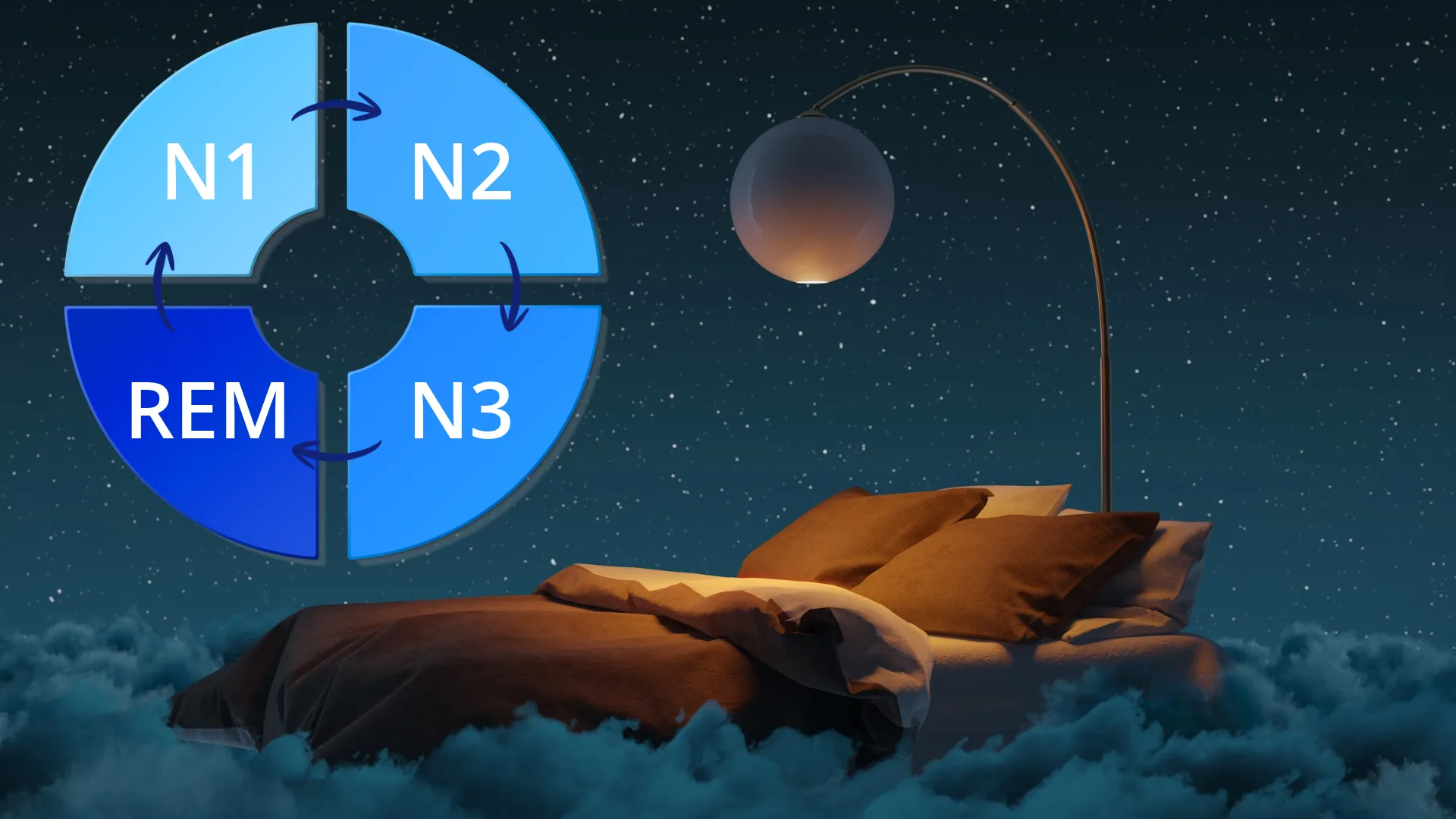
First, let’s decode the four stages of your sleep cycle
Your body cycles through the different stages several times while you sleep. Most adults go through roughly four to six cycles, research shows.
A typical cycle can last from about 80 to 100 minutes, although it can vary from person to person and throughout the night.
Light Sleep: N1 and N2
This is the first part of your journey, as your body winds down and moves away from being awake. There are two stages of light sleep, N1 and N2, both non-REM stages.
In the first (N1), you’re drifting between wakefulness and sleep, which is why you might feel like you’ve barely nodded off before suddenly waking again.
In the second (N2), your heart rate and breathing slow down, your muscles relax, and your body temperature drops as you settle in for the night. It’s perfectly normal to spend a good portion of your night here.
Deep Sleep: N3
Deep sleep (also known as slow-wave sleep or N3) is the most restorative stage of non-REM sleep, when your heart rate and breathing slow right down and your muscles are deeply relaxed.
It’s harder to wake someone during this stage, and it’s particularly important for physical restoration and recovery.
On average, your body tends to get more deep sleep during the first part of the night, which is one reason why a disrupted bedtime can leave you feeling less than refreshed the next day.
This can change naturally from night to night, however, and is not always predictable.



REM Sleep: Rapid Eye Movement
Your brain becomes much more active during REM, while most of your skeletal muscles temporarily switch off. Your eyes also dart around beneath your eyelids, hence the acronym REM, which is short for ‘rapid eye movement’.
This is when dreams tend to be at their most vivid, although dreaming can also happen during the other stages. This stage is thought to play an important role in learning, memory, and emotional processing, studies show.
How much sleep do you really need?
For most healthy adults, the general recommendation is seven to nine hours of sleep a night, though there’s no perfect number for everyone.
Quality matters as well, as eight hours of broken, restless sleep can feel very different to eight hours of solid shut-eye.
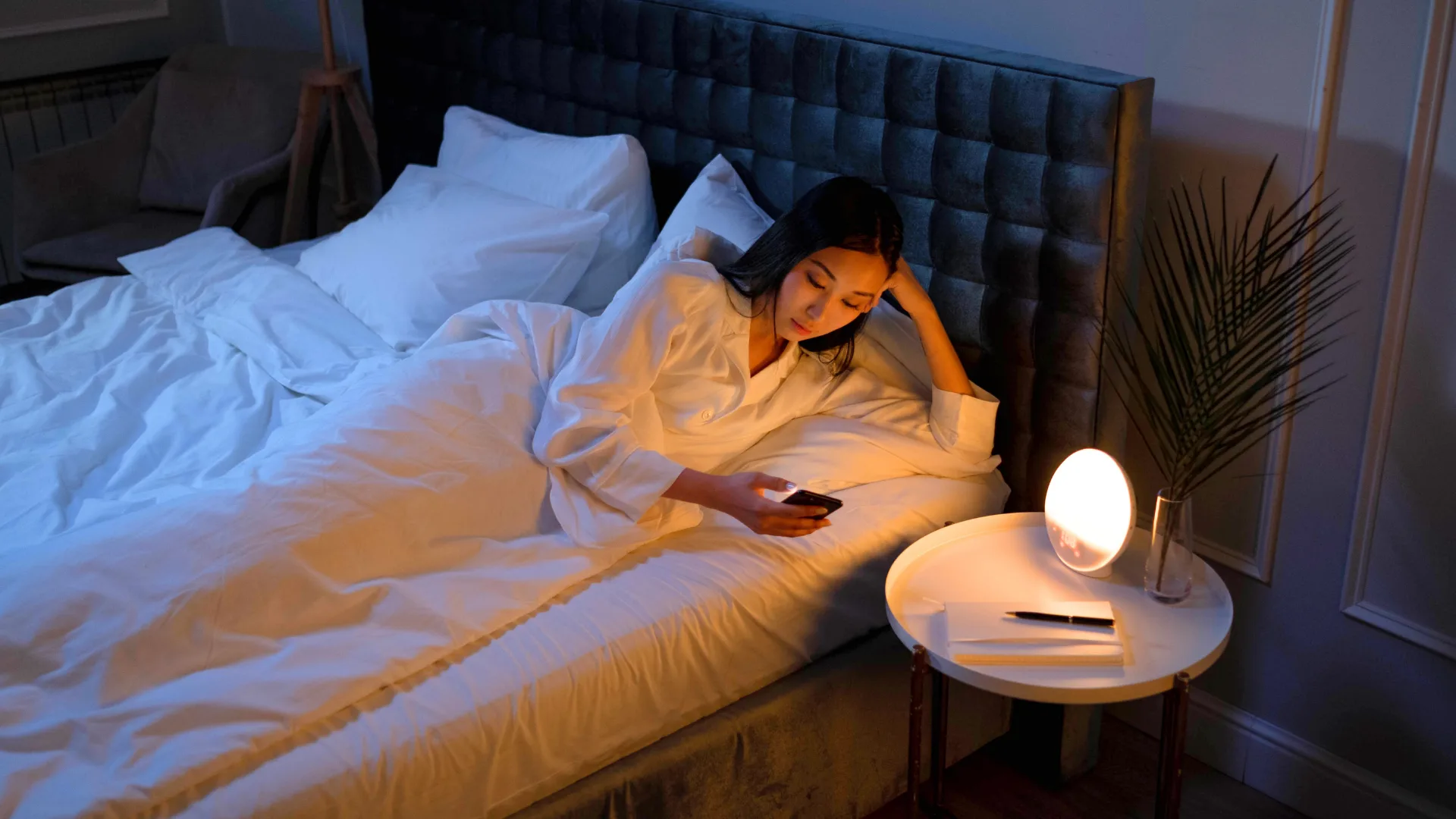
The Sleep Health Foundation’s 2026 Aussie Sleep Snapshot found half of participants reported not resting well three or more nights a week, due to various lifestyle factors and work contributing to stress.
Consult your GP or a health professional if you’re struggling to adapt to a healthy sleep routine.
The five ways you can achieve restful nights this week
1. Create a snooze sanctuary
A bedroom is a calm space for snoozes and intimacy, not a second lounge room. Reduce noise, light, digital distractions and even wandering pets to create a haven designed to help you relax and unwind.
2. Wind down with intention
Introduce a calming routine 30 minutes to an hour before bed to help your body settle into the night. Swap late-night scrolling for a spot of reading under soft light, take a bath or shower, do some simple stretches and let yourself gently drift off.
3. Track your evenings
Investing in a wearable device that monitors sleep patterns can help identify potential disruptions, such as changes to your heart rate. By tracking these habits over time, you’ll gain a better understanding of your rest style and be able to make informed changes to help improve its quality.
4. Choose suitable equipment
Finding the right pillow and mattress can have a massive impact on a good night’s rest. While the investment can be costly, a good set-up can go a long way towards improving your comfort, wellbeing and the quality of your shut-eye for years to come.
5. Avoid late meals
Consuming food and alcohol too close to bedtime can negatively impact sleep quality. To give your body time to digest, aim to eat dinner at least three hours before turning in. It’s also a good idea to minimise alcohol consumption in the evening, or avoid it altogether.
Editor’s Picks: Wellness support for better night rituals
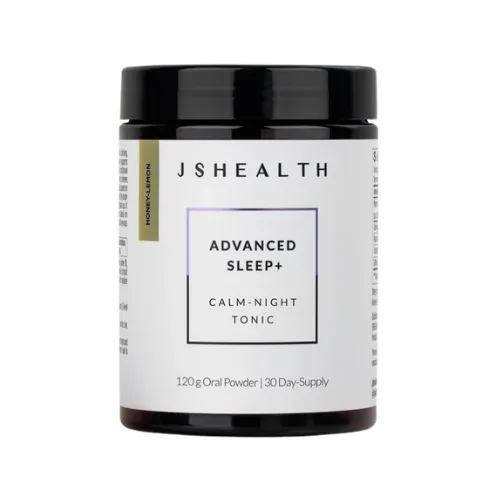
JSHealth Advanced Sleep+ Powder
$44.99 at Jshealthvitamins
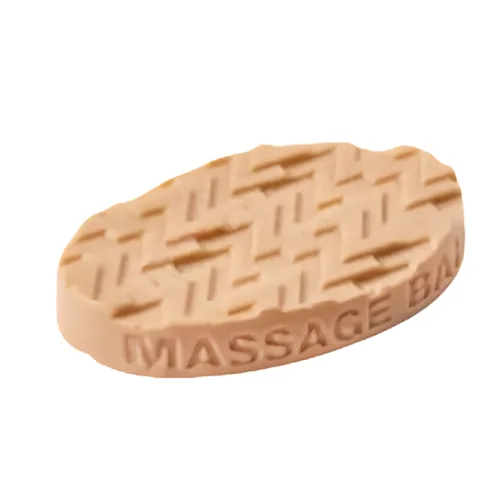
Lush Deep Sleep Massage Bar
$21 at Lush
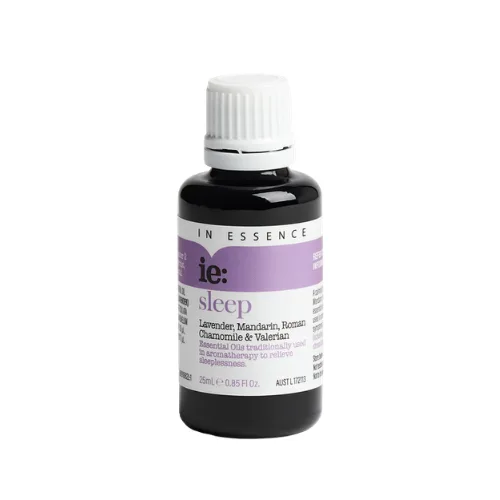
In Essence Sleep Essential Oil Blend 25ml
$42.45 at Myer
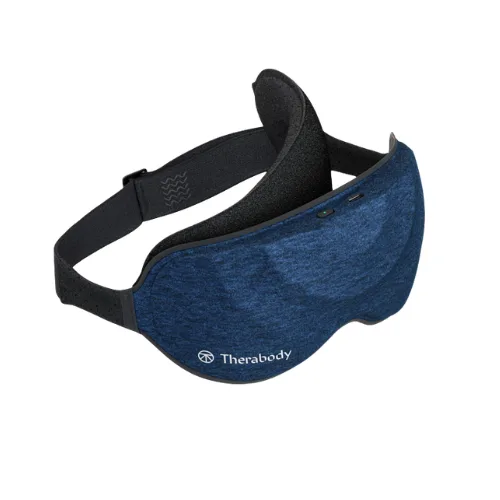
Therabody SleepMask
$119 at Theiconic
Rest with Fantastic Furniture
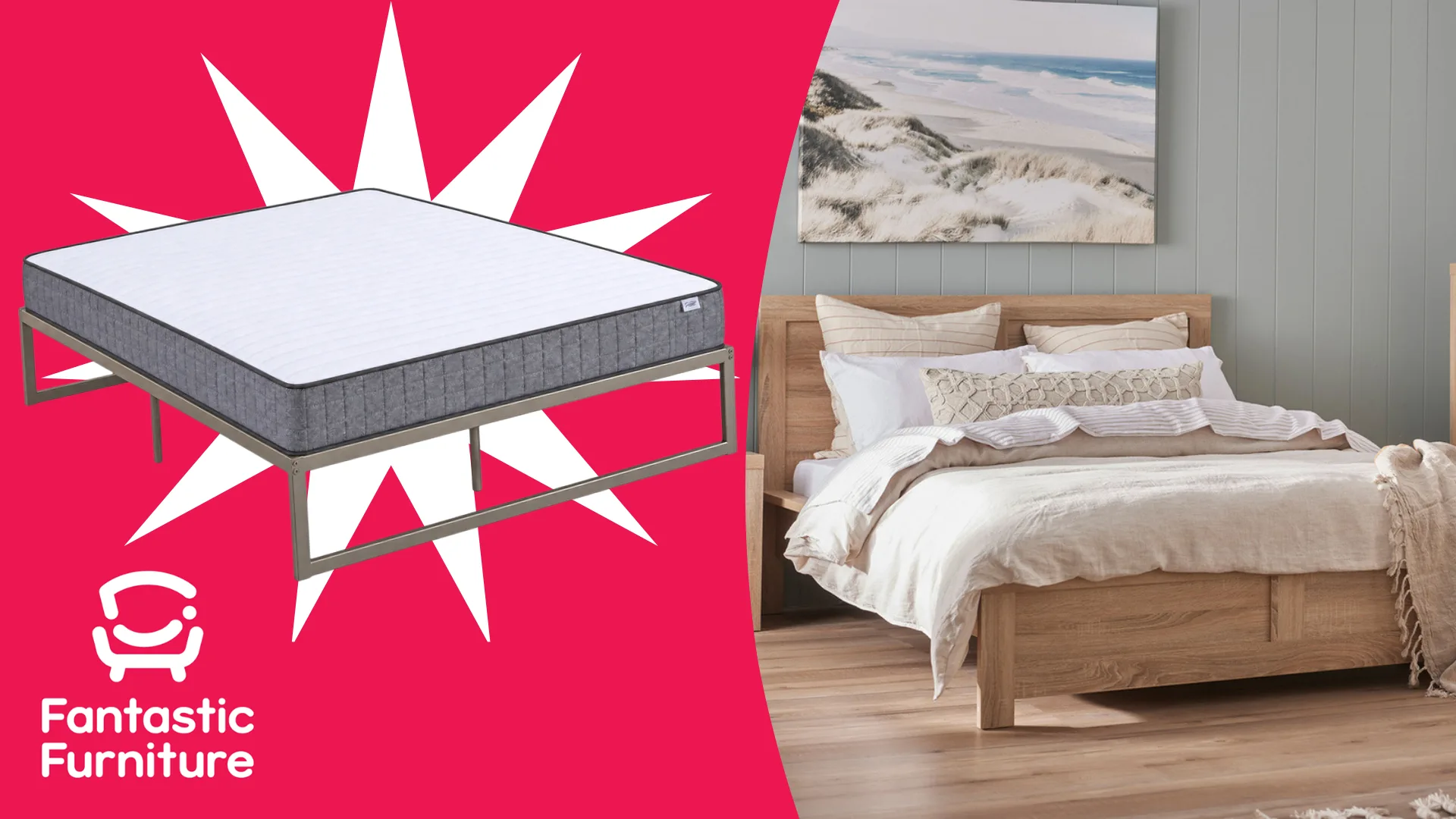
The Sleeptight Queen Mattress from Fantastic Furniture features a supportive Bonnell coil system for everyday comfort.
It’s available in Single, King Single, Double and Queen sizes. Pair it with the Havana Queen Oak Bed Frame for the perfect bedroom setup… and a good night’s rest.
Available at fantasticfurniture.com.au

