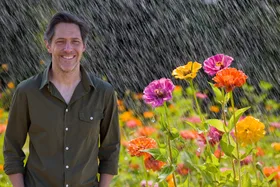

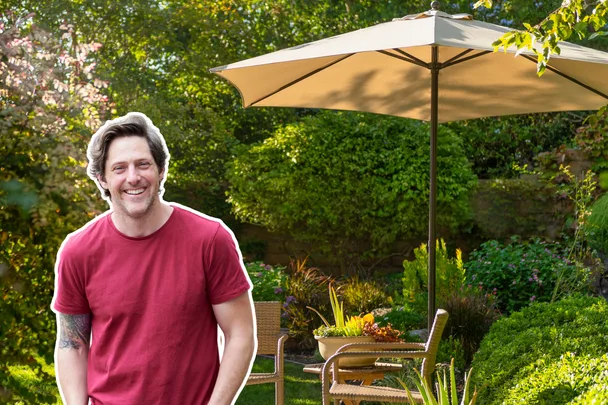
I’ve always loved a shady garden – there’s something calming about it. The softer light and cooler air create a sense of retreat.
But shade can feel tricky, especially in a small yard.
Editor’s picks for the best hammocks
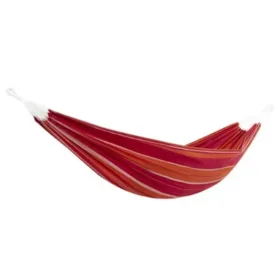
Vivere Double Brazilian Style Hammock – Mimosa
$99 at Harveynorman
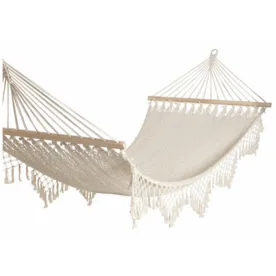
Milkcan Products White Zimi Macrame Cotton Hammock
$129.95 at Templeandwebster
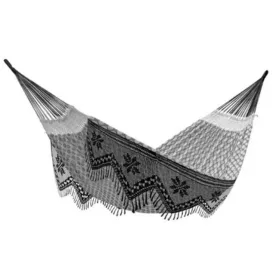
Vivere Authentic Brazilian Luxury Hammock – Luxo
$149 at Amazon
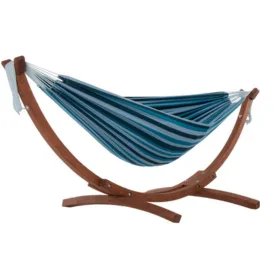
Double Cotton Hammock with Stand
$484.95 at Templeandwebster
What are the best trees for a shady yard?
Deciduous Trees
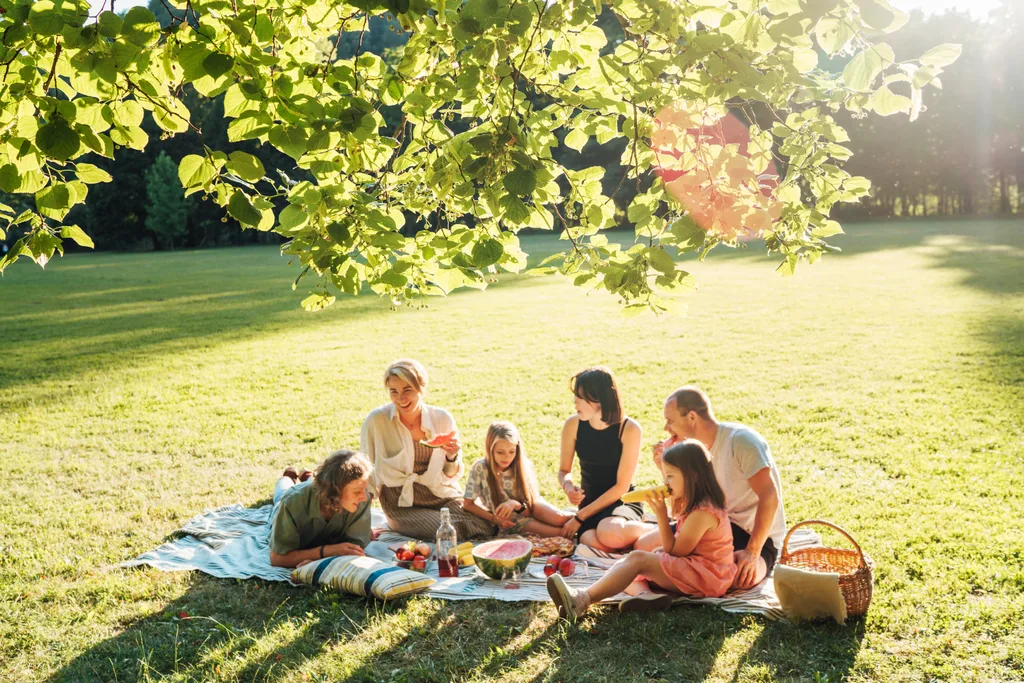
The key is choosing the right trees, ones that create dappled cover in summer, then step aside in winter to let that low sun stream back in, and for this, deciduous trees are your best friend.
If you’re working with a compact space, look for small to medium trees with elegant structure rather than towering giants. You want presence without swallowing the garden whole.
In a shady yard, it’s all about balance, structure and softness, shade and light. With the right small deciduous trees, you can create a garden that feels cool in summer, yet open and sunlit in winter – the best of both worlds.
Forest Pansy
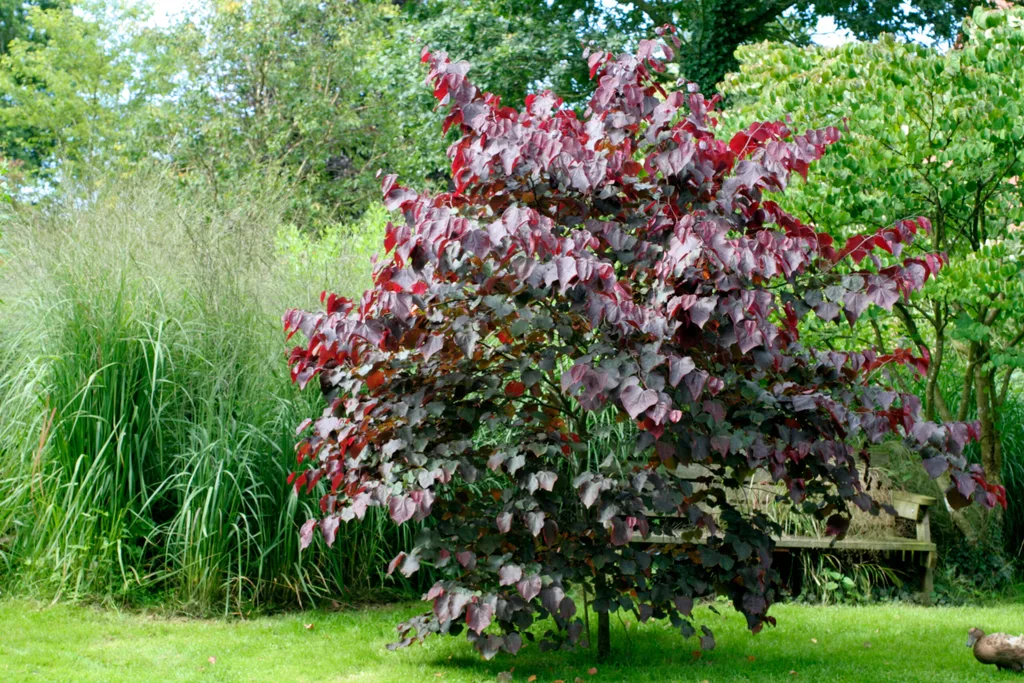
One of my favourites is the forest pansy (Cercis canadensis).
In spring, it bursts into tiny pink-purple flowers along bare branches before the foliage appears. Then come those heart-shaped leaves in rich burgundy.
In summer, it casts soft, filtered shade, and in autumn the foliage turns amber before falling to reveal sculptural zigzag branching through winter.

It grows to around four to five metres high, so perfect for smaller yards. Plant it in well-drained soil in sun to part shade. Enrich with compost, mulch well, and water regularly while it establishes.
Crepe Myrtle
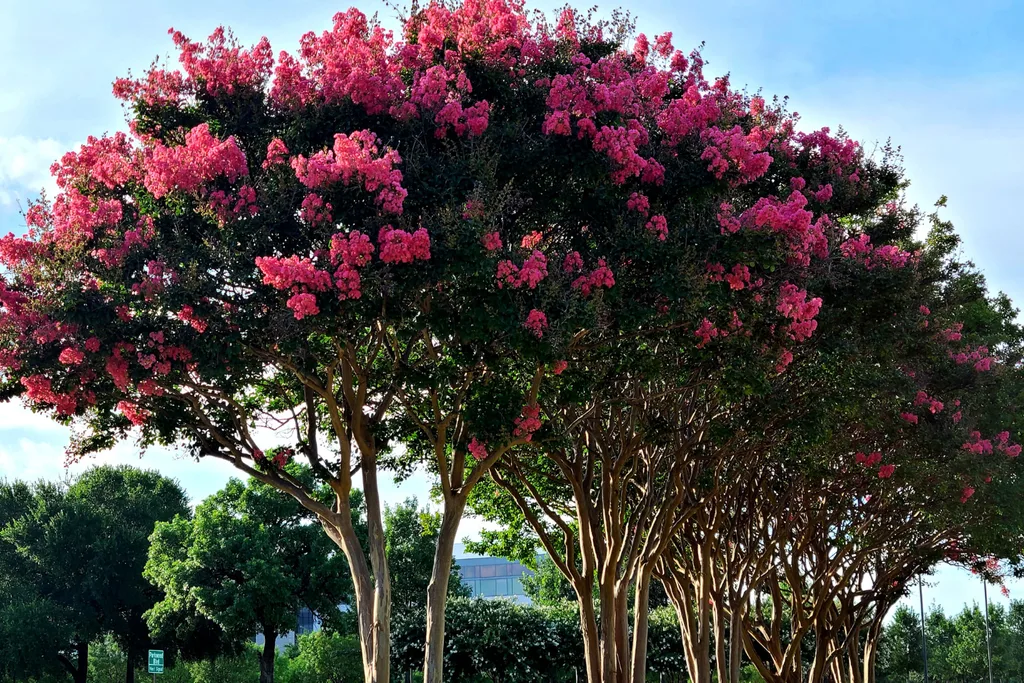
For summer drama, crepe myrtle (Lagerstroemia indica) is hard to beat. One of the best small deciduous trees for Australian gardens, it produces generous clusters of crinkled flowers in white, pink, red or purple just when shade is most needed.
In autumn, the leaves turn brilliant orange and red before dropping to reveal beautiful, mottled bark in winter.
Many varieties stay between three and five metres tall, with compact forms ideal for courtyards. Crepe myrtles love full sun and well-drained soil. Once established, they’re drought-tolerant, though deep watering in dry spells keeps them at their best. Light pruning in late winter encourages strong growth and flowering.
Japanese Maples
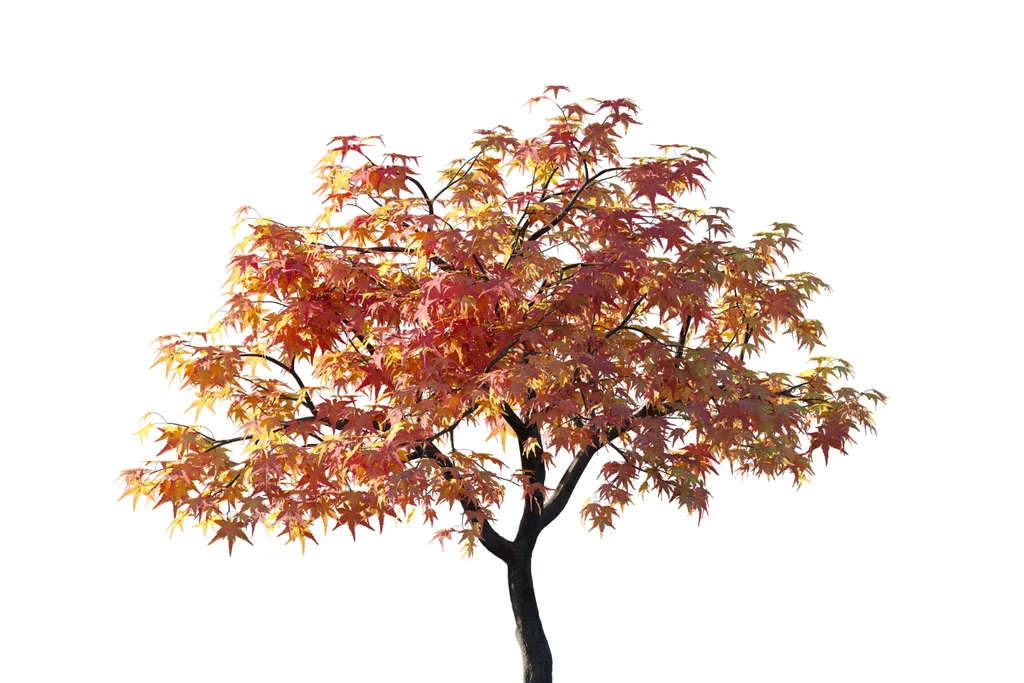
Then there are Japanese maples (Acer palmatum), possibly the ultimate small garden tree. Delicate leaves, graceful branching and extraordinary autumn colour, from fiery red to glowing orange.
In summer, they create gentle, lacy shade. In winter, once the leaves have dropped, their fine branch structure allows precious sunlight to warm the yard.
Many varieties stay under four metres, and some suit large pots. They thrive in sheltered, wind-protected spots with morning sun and avoid the harsh afternoon heat. Plant in rich, free-draining soil, keep watering consistently, and mulch to protect shallow roots.