


I’ve always believed that good gardening starts below the surface.
You can plant the best trees, the healthiest seedlings, and water them faithfully – but if the soil isn’t right, the garden will never quite thrive.
That’s why soil testing is one of the most valuable things a gardener can do.
It’s like reading the story of your garden before you even start planting.
At its simplest, soil testing tells you three important things – the pH of your soil, its nutrient levels and sometimes its structure or texture.
Together, these factors determine how well plants can grow.
Editor’s Picks: Gardening books to read in 2026
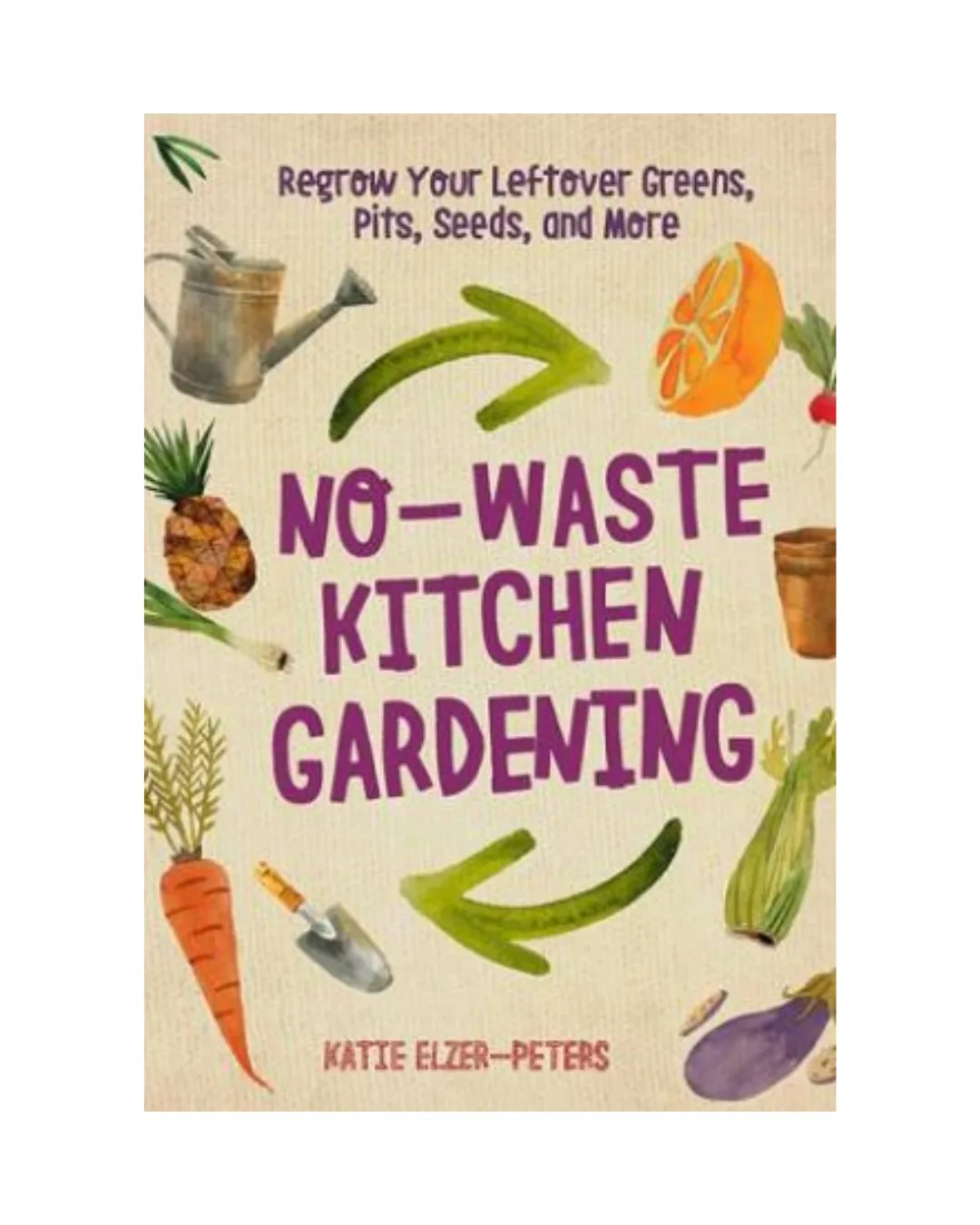
N o-Waste Kitchen Gardening by Katie Elzer-Peters
$35 at Qbd
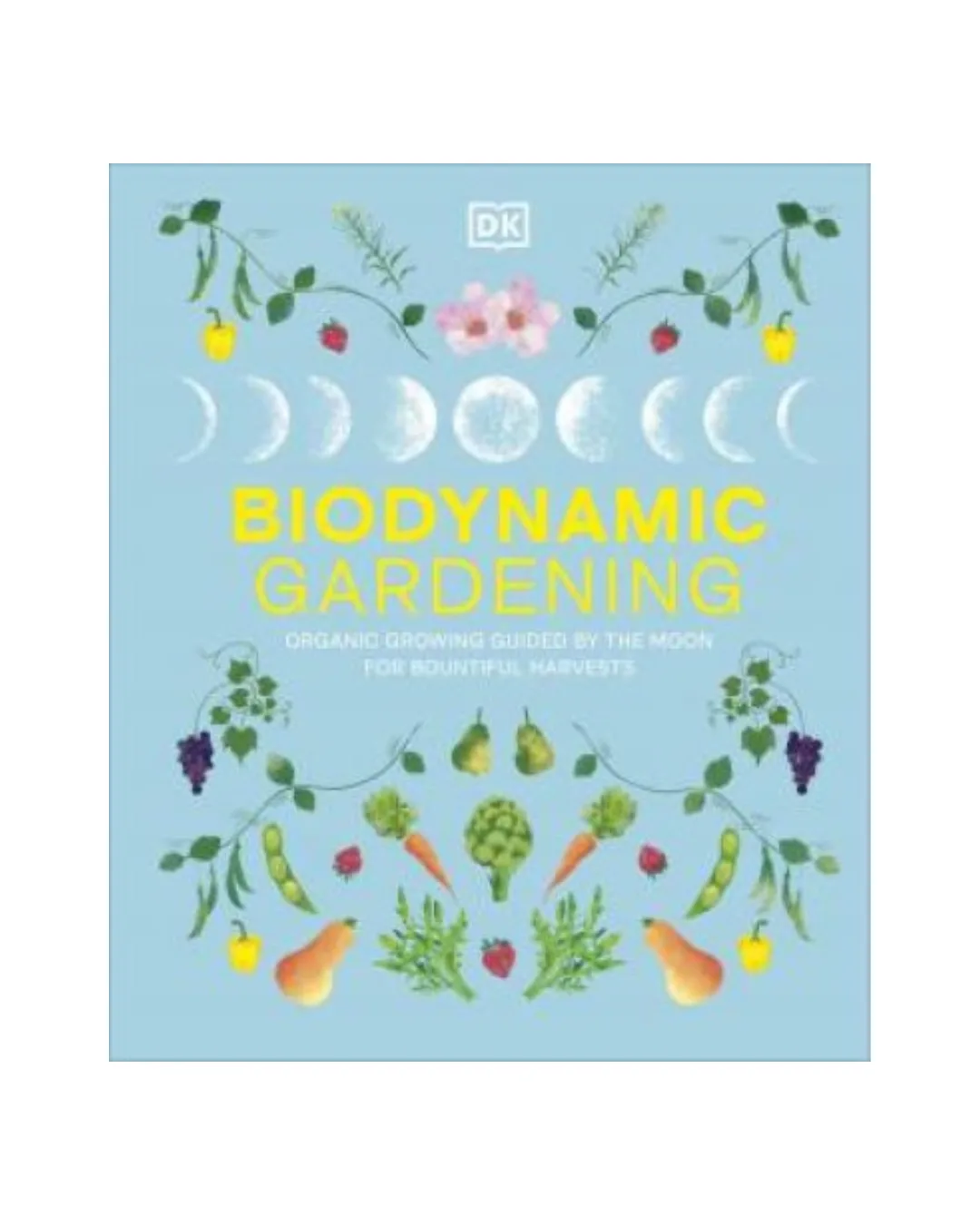
Biodynamic Gardening by DK
$42.99 at Qbd
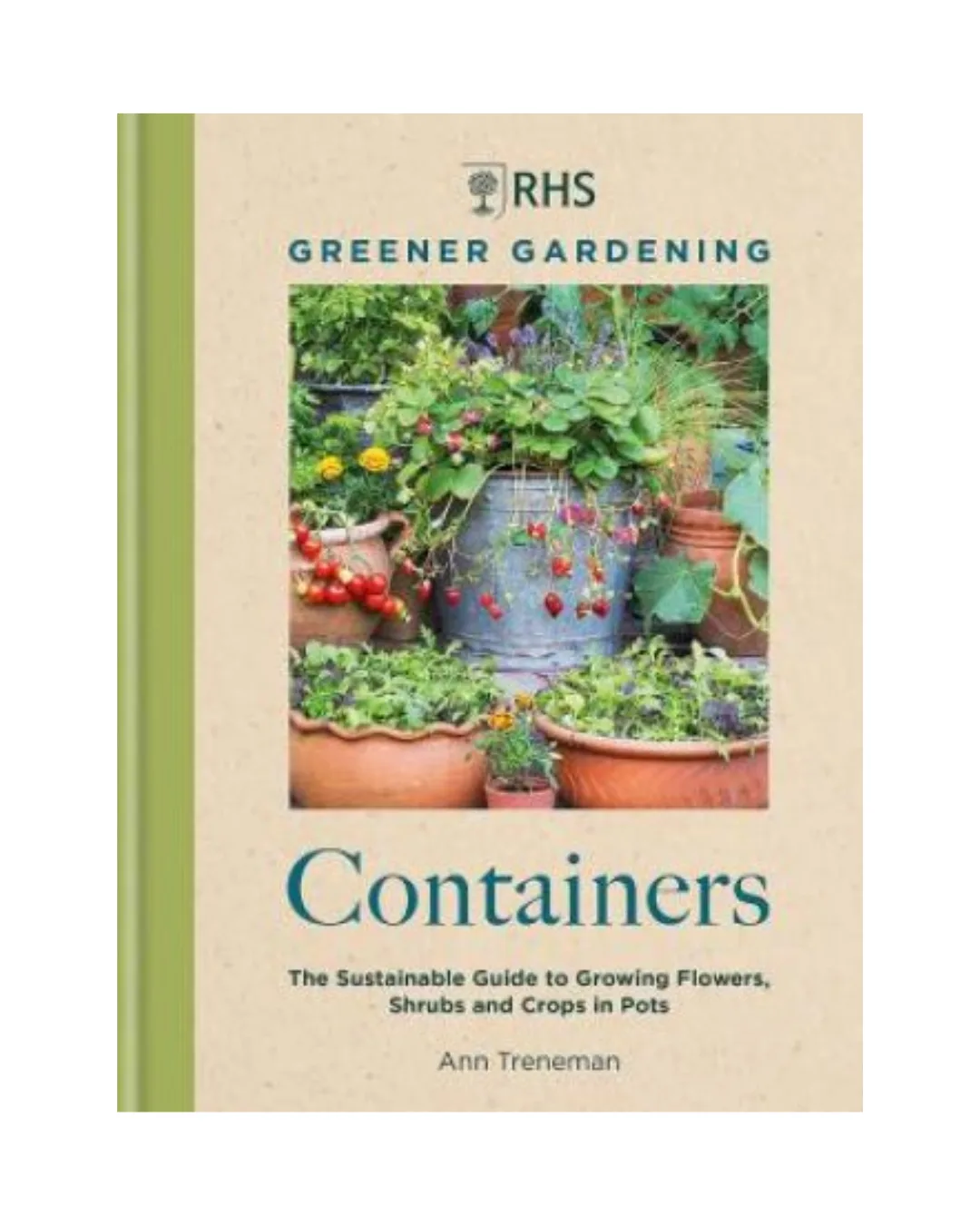
RHS Greener gardening: Containers by Ann Treneman & RHS
$45 at Qbd
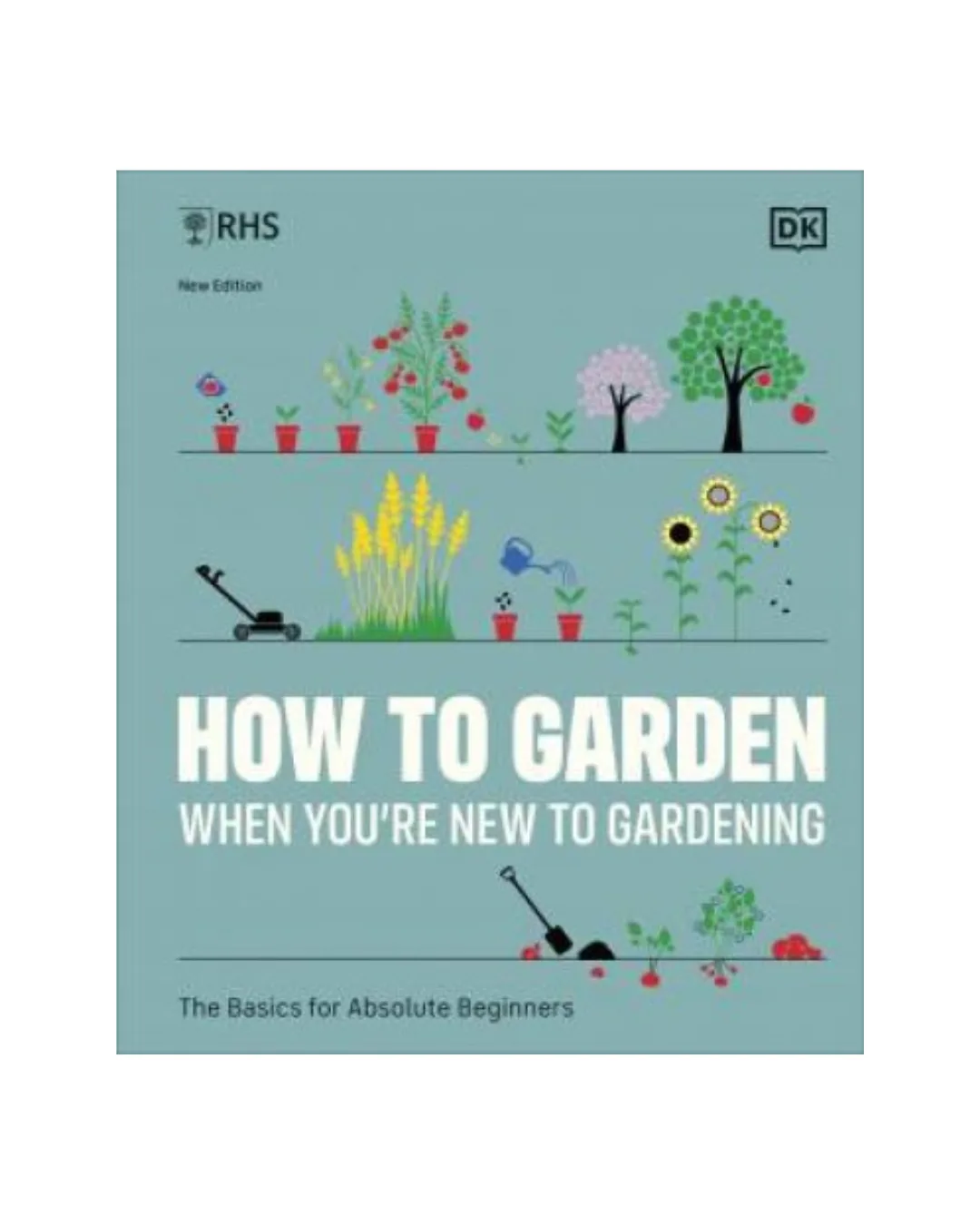
RHS How To Garden by DK & RHS
$42.99 at Qbd
Get your hands dirty with DIY
The easiest way for home gardeners to test soil is with a DIY soil test kit, available from most garden centres or hardware stores.
They’re simple to use and provide a quick snapshot of what’s happening underground.
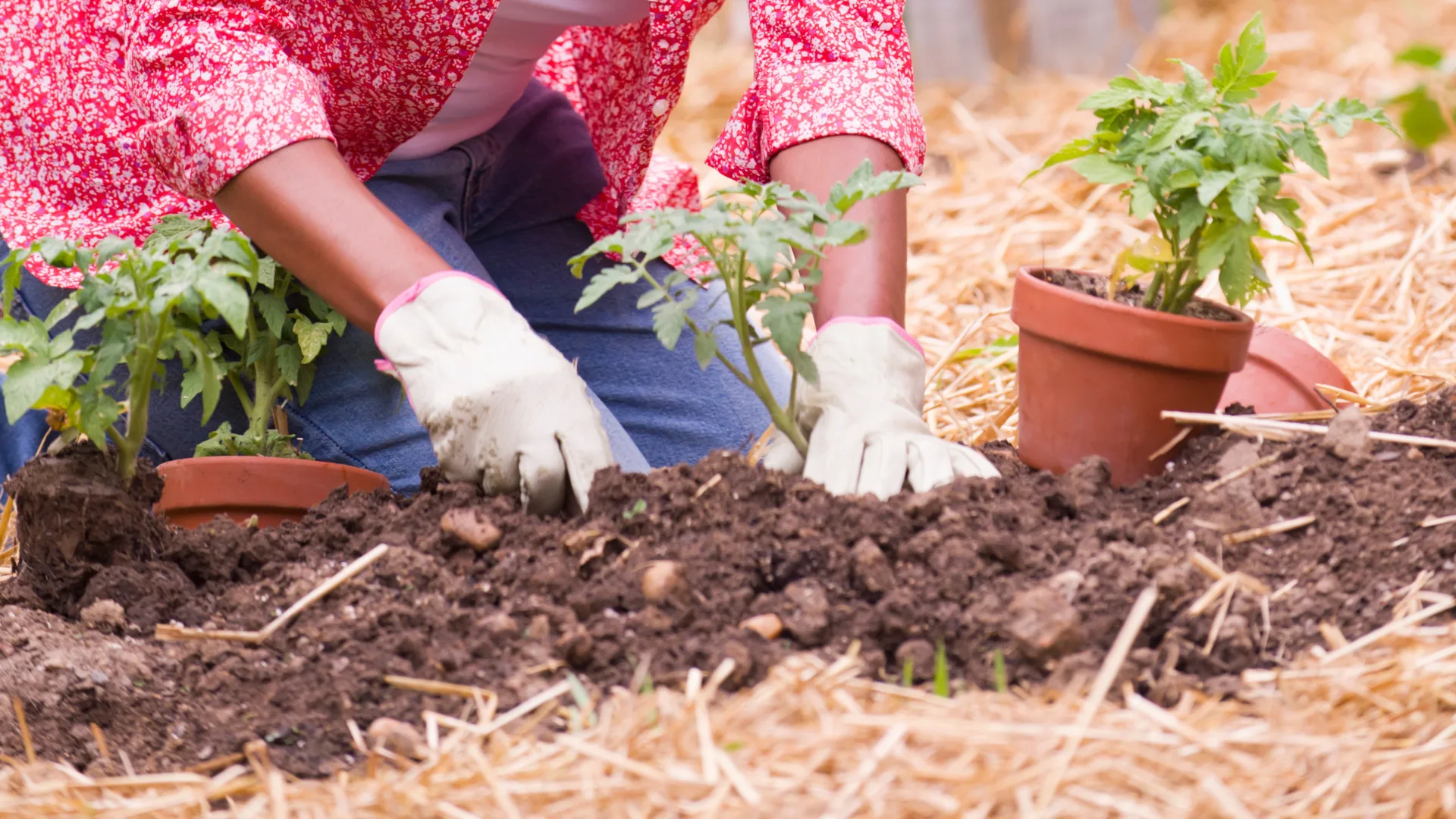
To get an accurate result, take small samples of soil from several spots across your garden bed – around 10 to 15 cm deep is ideal.
Mix those samples together in a clean container to create a combined sample.
This helps give a true reading of the whole area rather than just one patch.

It’s all about the balance
Most home kits test soil pH, which measures how acidic or alkaline your dirt is.
The scale starts at zero and runs up to 14, with seven being neutral.
Most plants prefer soil that sits slightly acidic to neutral, usually between pH six and seven.
If the pH sits too far outside that range, they can struggle to absorb nutrients even if it’s present in the soil.
When you test pH with a kit, you’ll usually mix soil with a solution and compare the resulting colour against a chart.
Nutrient levels matter
Many kits also test the three key plant nutrients – nitrogen, phosphorus and potassium.
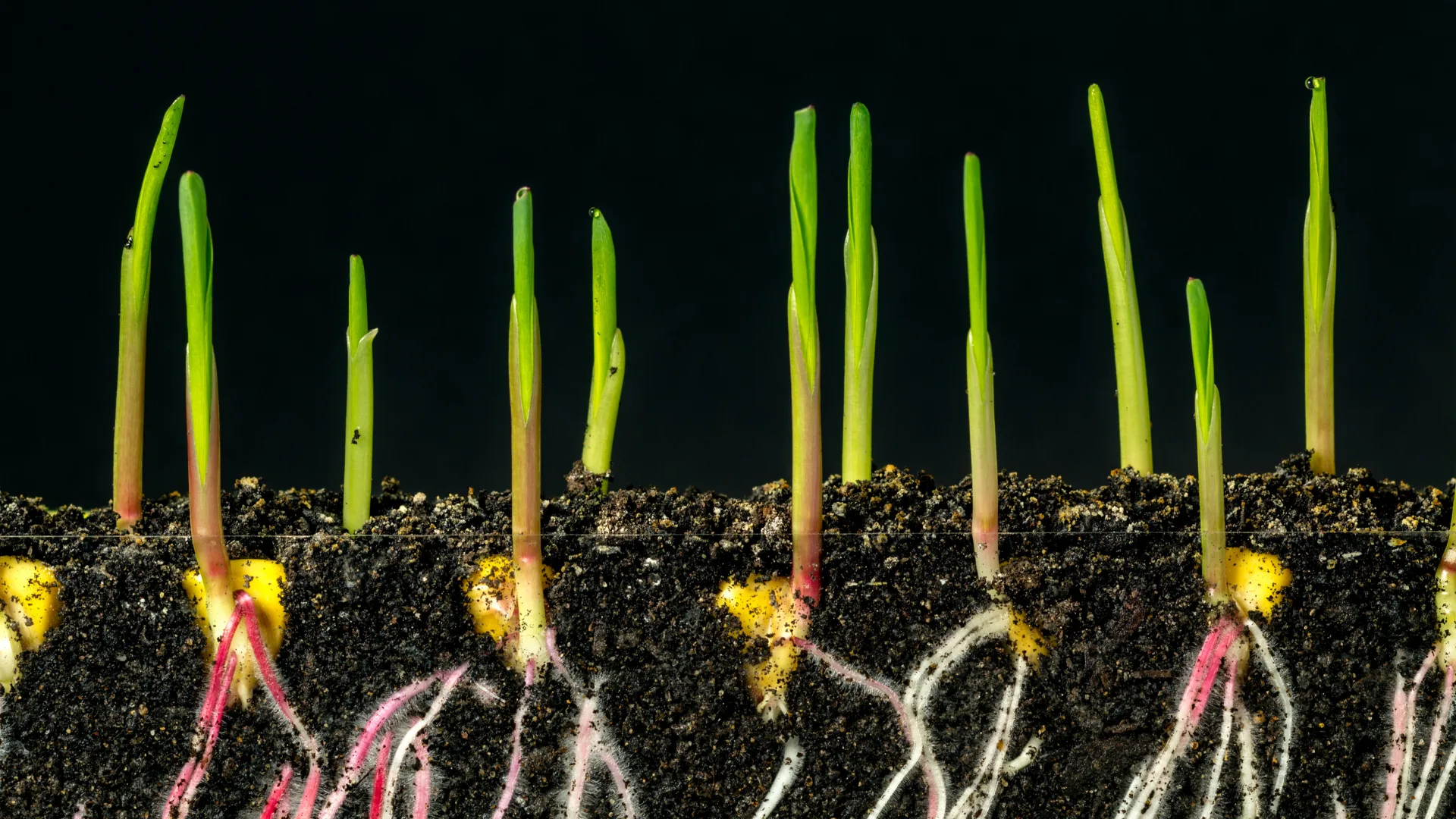
Nitrogen supports leafy green growth, phosphorus is essential for root development and flowering, and potassium helps with overall plant health and resilience.
Results usually show if nutrient levels are low, medium or high.
Consider a soil texture test
Another useful check you can do at home is a simple soil texture test. This helps you understand how much sand, silt and clay your dirt contains.
One simple method is the jar test – fill a clear jar about halfway with soil, add water, shake it vigorously, and leave it to settle.
Over several hours the soil should separate into layers. Sand settles first at the bottom, silt forms a middle layer and clay sits on top.



The proportions reveal whether your soil is sandy, clay-heavy or more balanced.
Texture matters because it influences drainage, nutrient retention and root growth.
Sandy soils drain quickly but struggle to hold nutrients, while clay varieties hold moisture but can become dense and compacted.

