


Q: Is MSG illegal in Australia?
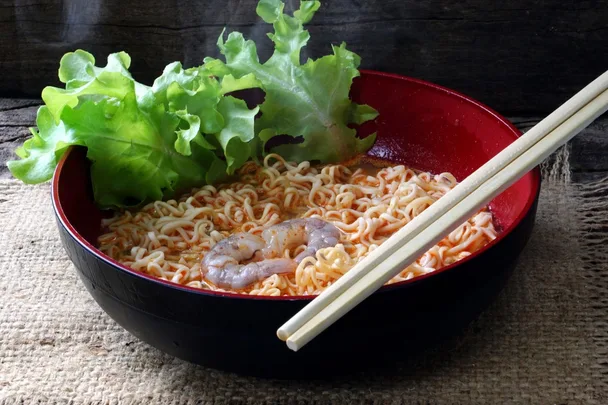
A: MSG is not illegal in Australia. Its name was originally tarnished in the 1990s as it was regularly added to food in Chinese restaurants to improve the flavour. By the late 1990s, it was phased out but many people realise but the food additive still exists in some of your favourite foods today.
What is MSG?
Monosodium glutamate more commonly known as MSG is a food additive. It is derived from the amino acid, glutamic acid.

Effect of MSG
There is no conclusive evidence on the impact and effect of MSG. Studies have reported that anywhere from two per cent to 36 per cent of the population are sensitive to MSG. Whilst it is not understood why some people react to MSG the symptoms of sensitivity include:- Headaches- Sleep apnea- Unquenchable thirst- Bloating- Diarrhea- Fatigue- Joint Pain- Migraine- Nausea- Rapid heartbeat- Sweating
Can you ask for no MSG?
If you want to avoid MSG double-check the labels before you purchase a product. In Australia, the FSANZ standards require that MSG be marked as the following on nutritional labels as ‘Flavour enhancer (MSG)’ or ‘Flavour enhancer (621)’. If a product contains Flavour enhancer 622, 623, 624 or 625, then the product contains another glutamate additive.The line gets a bit blurry when you are at restaurants but if asked the chef will be able to explain whether a flavour enhancer has been added.
Related stories

Native ad body.
Sponsored by %%sponsor_name%%

Native ad body.
Sponsored by %%sponsor_name%%




Native ad body.
Sponsored by %%sponsor_name%%



Native ad body.
Sponsored by %%sponsor_name%%
