

NEED TO KNOW
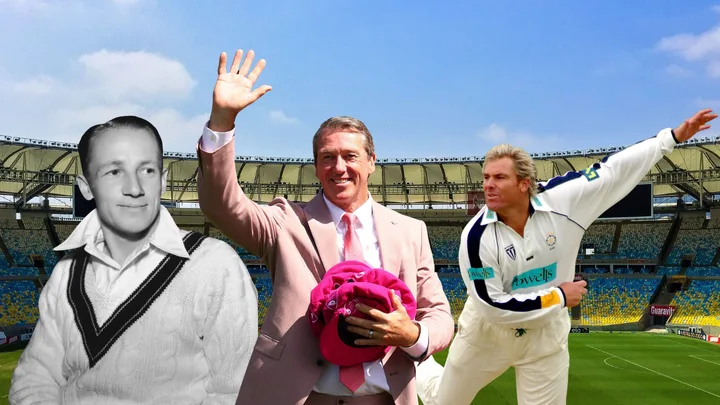
- Shane Warne is regarded as Australia’s greatest bowler of all time.
- Keith Miller is considered to be Australia’s best all-rounder in cricket.
- Sixty-six former Australian cricket players have been inducted into the Australian Cricket Hall of Fame.
The season for cricket is officially here, so while you’re watching (or hearing about) the scores, you might be wondering – who’s Australia’s most famous cricketer?
For more than 100 years, many Aussie players have made their mark on the sport.
We’ve rounded up all the stats and knowledge you need to know.
See more below.
Who is Australia’s best cricket player?
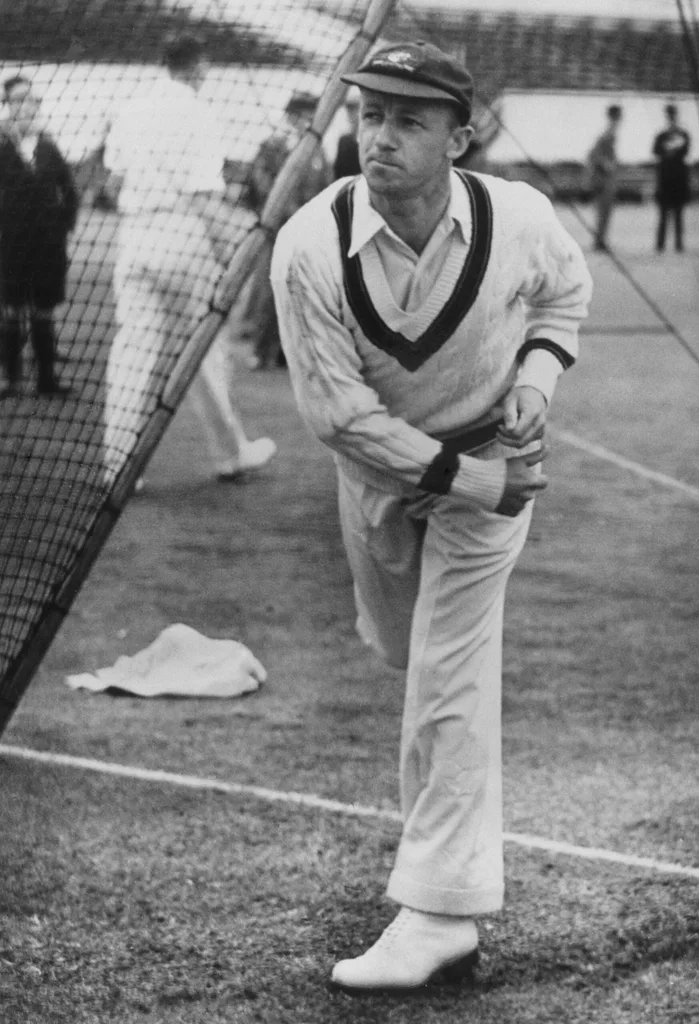
Sir Donald Bradman AC is regarded as the greatest cricketer of the 20th century and Australia’s finest batsman.
After his retirement, the Bowral local continued in the sport as an administrator, selector, and cricketing statesman.
When he was 21, he broke the world batting record for the highest score in first-class cricket, with a score of 452.
To this day, he posthumously holds the highest batting average.
Who is Australia’s best all-rounder of all time?
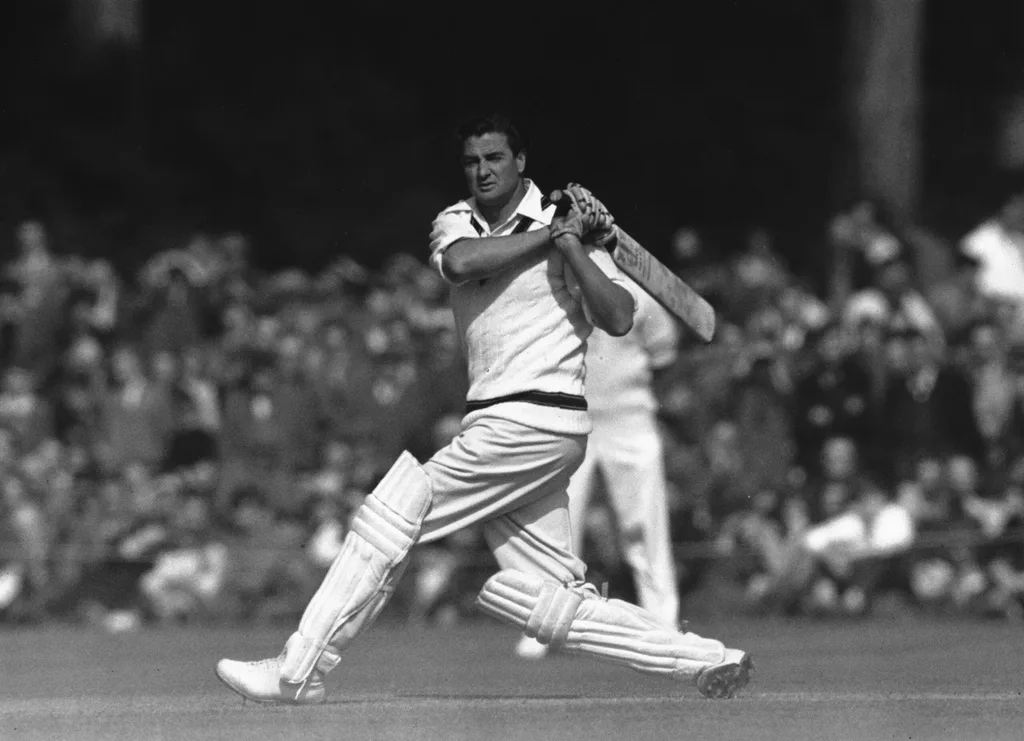
The late cricketer Keith Miller is considered to be Australia’s best all-rounder of all time.
Throughout his career, he was a standout bowler and batsman, achieving 170 Test wickets and 497 first-class wickets.

He also reached 2,958 Test runs and 14,183 runs in first-class cricket.
Miller was also a fighter pilot in the Second World War.
Who is in the Australian Cricket Hall of Fame?
In order to be eligible to be a part of the Australian Cricket Hall of Fame, inductees have to be retired from international cricket for a minimum of five years.
At the time of publication, there are 66 former players inducted into the Australian Cricket Hall of Fame.


See them all below by year:
- 1996: Fred Spofforth, John Blackham, Victor Trumper, Clarrie Grimmett, Bill Ponsford, Sir Donald Bradman, Bill O’Reilly, Keith Miller, Ray Lindwall and Dennis Lille
- 2000: Warwick Armstrong, Neil Harvey and Allan Border
- 2001: Bill Woodfull and Arthur Morris
- 2002: Stan McCabe and Greg Chappell
- 2003: Lindsay Hassett and Ian Chappell
- 2004: Hugh Trumble and Alan Davidson
- 2005: Clem Hill and Rod Marsh
- 2006: Monty Noble and Bob Simpson
- 2007: Charles Macartney and Richie Benaud
- 2008: George Giffen and Ian Healy
- 2009: Steve Waugh
- 2010: Bill Lawry and Graham McKenzie
- 2011: Mark Taylor and Doug Walters
2012: Shane Warne - 2013: Charlie Turner and Glenn McGrath
- 2014: Mark Waugh and Belinda Clark
- 2015: Adam Gilchrist and Jack Ryder
- 2016: Jeff Thomson and Wally Grout
- 2017: David Boon, Matthew Hayden and Betty Wilson
- 2018: Norm O’Neill, Ricky Ponting and Karen Rolton
- 2019: Cathryn Fitzpatrick, Dean Jones and Billy Murdoch
- 2020: Sharon Tredrea and Craig McDermott
- 2021: Johnny Mullagh, Merv Hughes and Lisa Sthalekar
- 2022: Justin Langer and Raelee Thompson
- 2023: Marg Jennings and Ian Redpath
- 2024: Michael Hussey and Lyn Larsen
- 2025: Michael Clarke, Christina Matthews and Michael Bevan
Who was the most accurate Aussie bowler?

Glenn McGrath is considered Australia’s most accurate bowler, known for his fast-medium technique with his right arm.
Up until December 19, he was Australia’s second-highest wicket-taker in Test cricket, before he was surpassed by Nathan Lyon, who achieved 564 wickets at 30.06.
Before this, McGrath had a record of 563 at 21.64.
He also co-founded the McGrath Foundation with his then-wife Jane McGrath, after her experience with breast cancer. Sadly, she passed away in 2008.
Who is the greatest Australian bowler of all time?
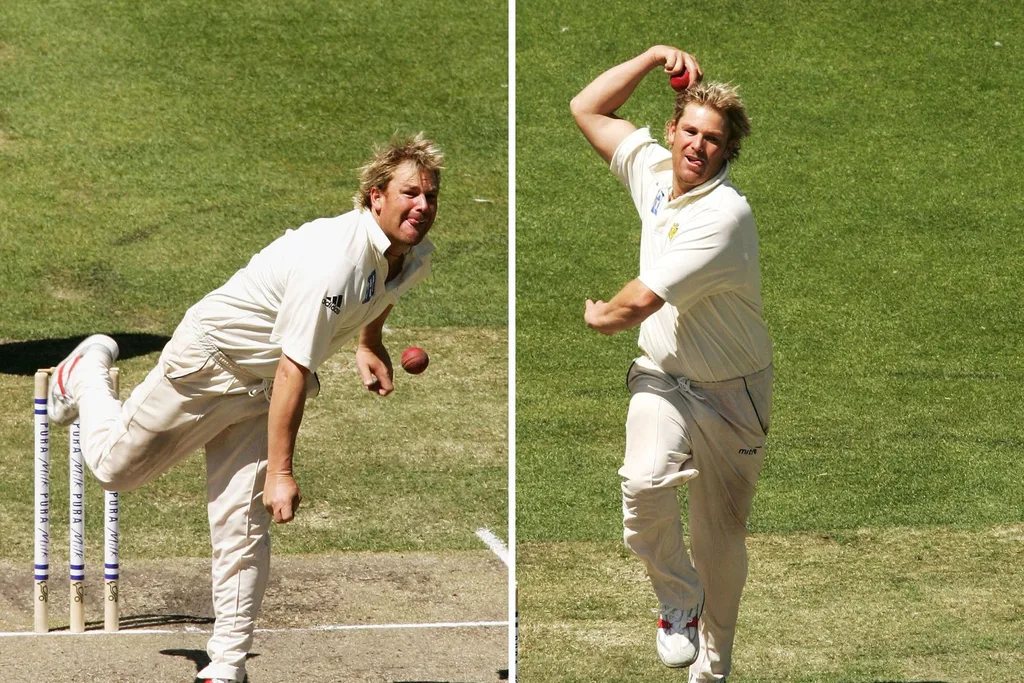
Many cricketers are considered legendary bowlers, but if we are looking at the stats, Shane Warne is Australia’s greatest bowler.
Throughout his career, the late sportsman racked up 708 wickets with a 25.41 rating.
In a piece for GQ Australia, The 100 Greatest Cricketers author Geoff Armstrong said he revived “spin bowling”. He is also known for his Ball of the Century, which he bowled in the Ashes against England in 1993.
“The delivery drifted significantly when he released it, pitching well outside leg stump, before sharply spinning past the front of the bat, clipping the top of Off Stump,” he wrote at the time.

