

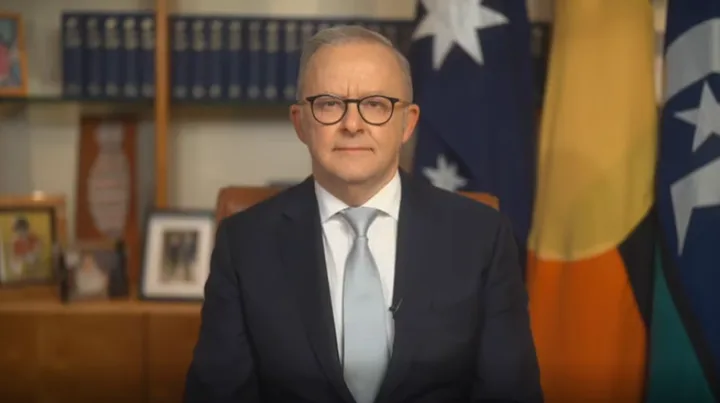
With families feeling the pinch at the petrol pump, Prime Minister Anthony Albanese has stepped in to address the nation.
Speaking on Wednesday night, the PM spoke directly to Australians about the fuel crisis and what the government is doing to help.
“The war in the Middle East has caused the biggest spike in petrol and diesel prices in history,” he said.
“Australia is not an active participant in this war. But all Australians are paying higher prices because of it.”
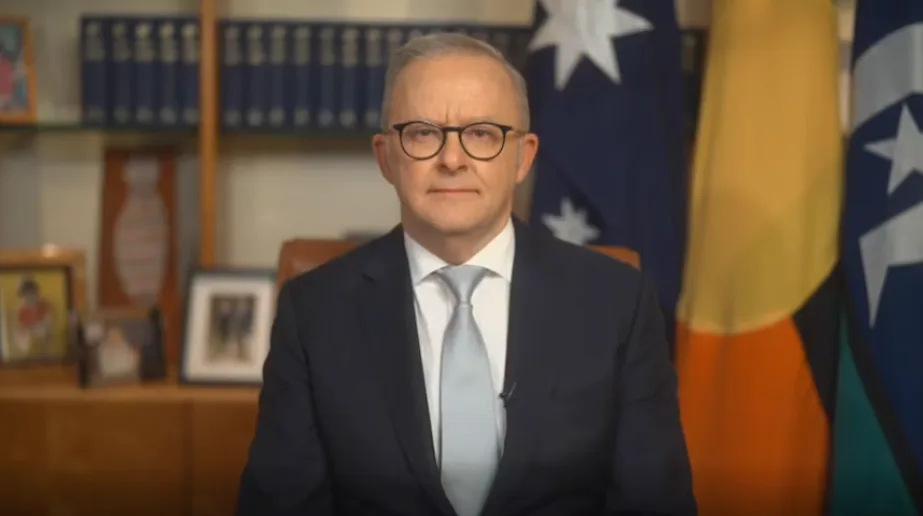
Albanese confirmed the government has cut the fuel excise in half, slashing 26 cents from every litre of petrol and diesel — with those savings already flowing through to servos across the country.
The heavy vehicle road user charge has also been cut to zero for truckies. Both measures will remain in place for the next three months.
Albanese also flagged plans to boost local fuel production and keep more of it onshore.
“We are working to bring the price of fuel down. To make more fuel here and to keep it onshore,” he said, signalling a longer-term push for greater energy self-sufficiency.
The PM urged Australians not to panic-buy.
“If you’re hitting the road, don’t take more fuel than you need, just fill up like you normally would,” he said, asking drivers who can use public transport to do so in order to preserve reserves for farmers, miners, tradies and essential workers.
“The months ahead may not be easy,” Albanese acknowledged.
“No government can promise to eliminate the pressures that this war is causing. I can promise we will do everything we can to protect Australia from the worst of it.”



Australians are already seeing some relief at the bowser, with fuel prices in the country’s biggest cities beginning to fall this week as retailers pass on the excise cut.
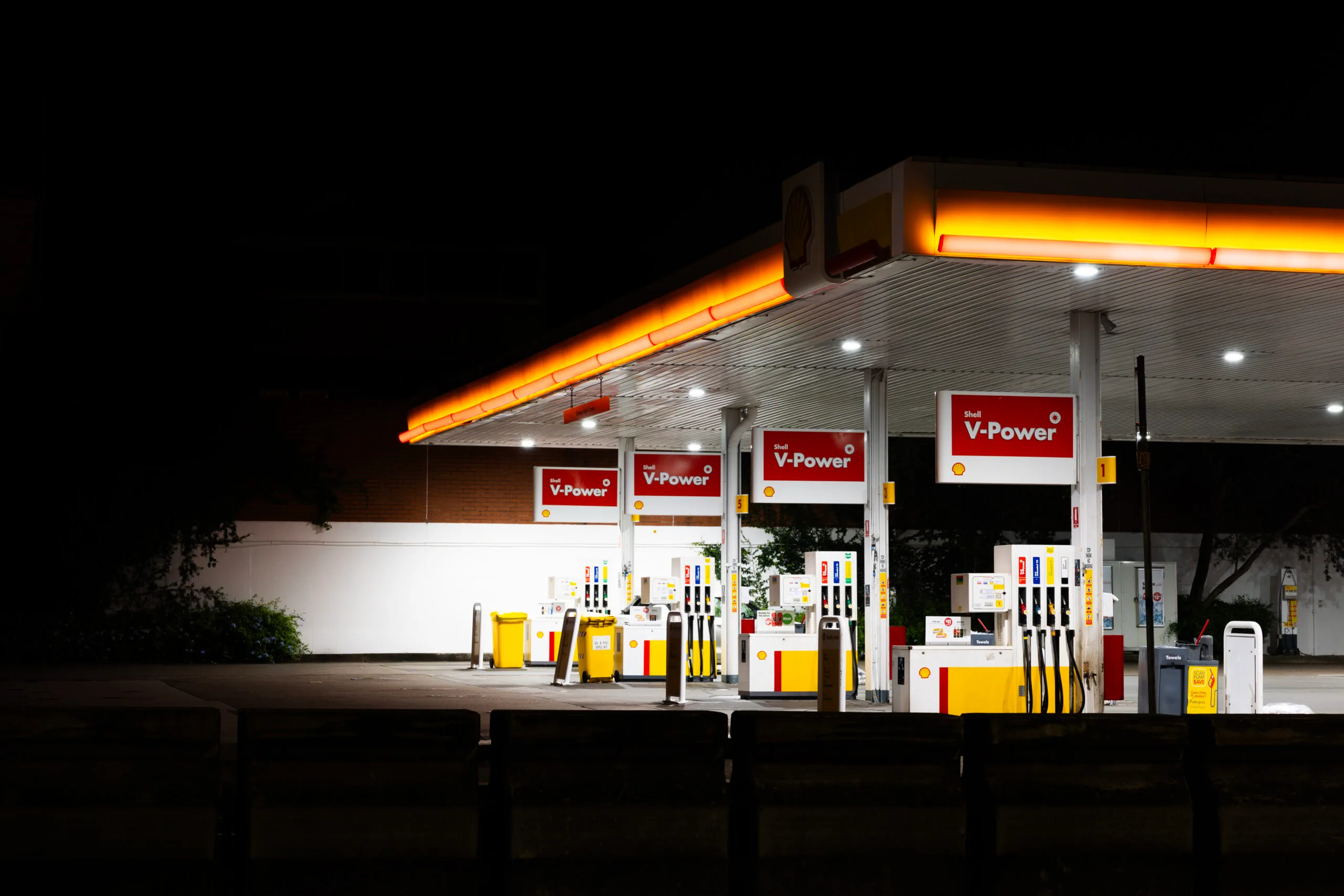
Why is petrol so expensive in Australia right now?
The short answer is the war in the Middle East.
Crude oil has surged to around $115 a barrel, up from roughly $65 before the conflict broke out and disrupted the Strait of Hormuz, a critical shipping lane that handles a huge slice of the world’s oil trade.
With oil more expensive and harder to transport, costs flow directly to the pump.
And with more Australians rushing to fill up — some even hoarding petrol — demand is pushing prices even higher, particularly in rural areas.
What is the fuel excise cut?
The fuel excise is a flat government tax added to every litre of petrol and diesel sold in Australia — currently sitting at 52.6¢ a litre.
This week, the Albanese government announced a temporary halving of that tax, cutting 26¢ a litre for the next three months in a bid to ease cost-of-living pressures on Australian households and businesses.
While some retailers have already begun passing the savings on, others are expected to follow once they have worked through existing fuel stocks purchased at the higher price.
So if your local servo hasn’t dropped its prices yet, sit tight and relief should be on the way soon.
Are petrol prices falling in Australia?
Yes. According to The Age, Adelaide led the nation with the sharpest fall in Fuel prices today, dropping 25¢ a litre to $2.34.
Melbourne fell 16¢ to $2.43, Sydney dropped 13¢ to $2.44, Brisbane fell 15¢, and Hobart recorded an 18¢ drop.
Perth saw the smallest decline of 7¢, settling at $2.44 a litre.
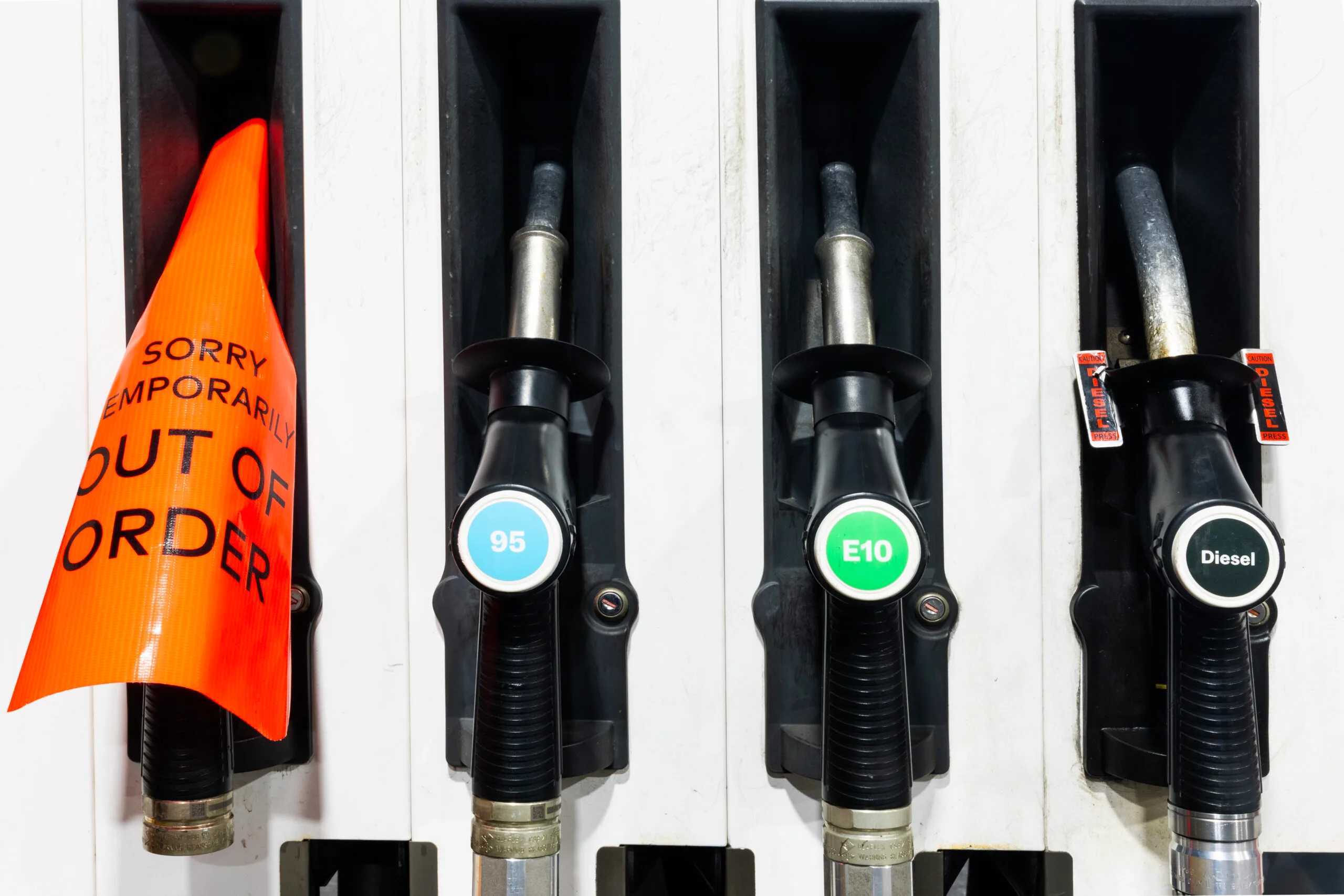
Will Australian petrol prices keep going down?
With the Middle East conflict still creating uncertainty around global oil supply, prices could remain volatile.
Experts suggest keeping an eye on your local pricing cycle and filling up when prices hit their low point.
Apps like NSW Fuel Check and Servo Saver in Victoria can help you track prices.
What about diesel prices in Australia?
Good news for tradies and truckies as the excise cut applies to diesel as well as petrol, so relief is on the way across the board.
Will Australia run out of fuel?
Energy Minister Chris Bowen has moved to ease concerns, releasing 20 per cent of the nation’s fuel reserves to help maintain supply.
There is no current suggestion of a fuel shortage in Australia. However, with the country relying heavily on imports, any further escalation of conflict in the Middle East could have a direct impact on local supply — and your hip pocket.

