


I’m a lover of pets. I have two dogs, a cat, a bearded dragon, a pond in the front garden and four fish tanks in the house, so keeping all the animals safe is high on my priority list – even out in the garden.
I’m also a plant lover, so getting the two to coexist takes a little bit of planning as some plants can be toxic to pets, particularly dogs and cats, and some of them might surprise you.
Scroll down to find out about which garden plants to avoid, and how to protect your pets from the pesky poisons.
Editor’s Picks: Garden protection for pets
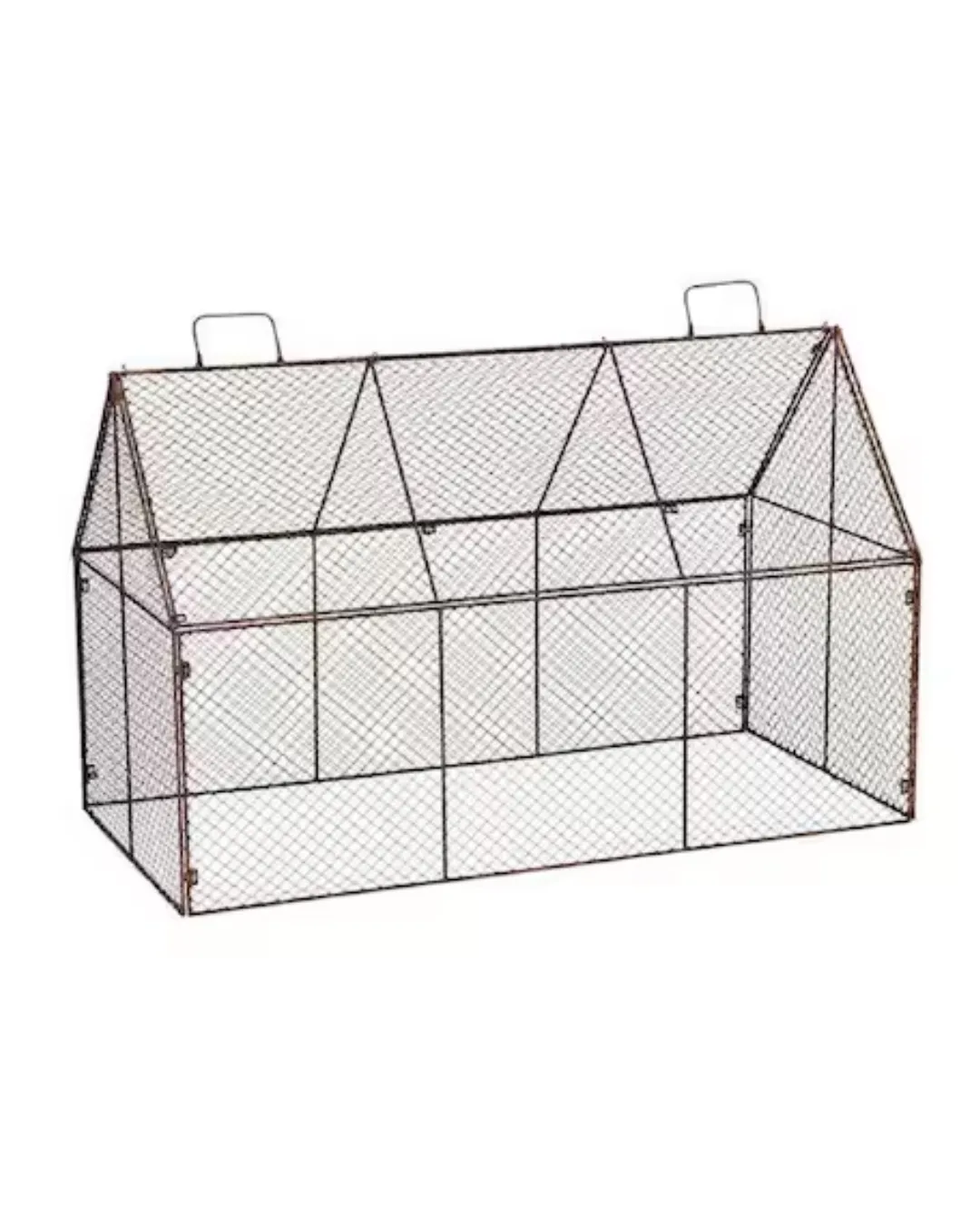
Wire Mesh Garden Cage
$242.10 at Woolworths
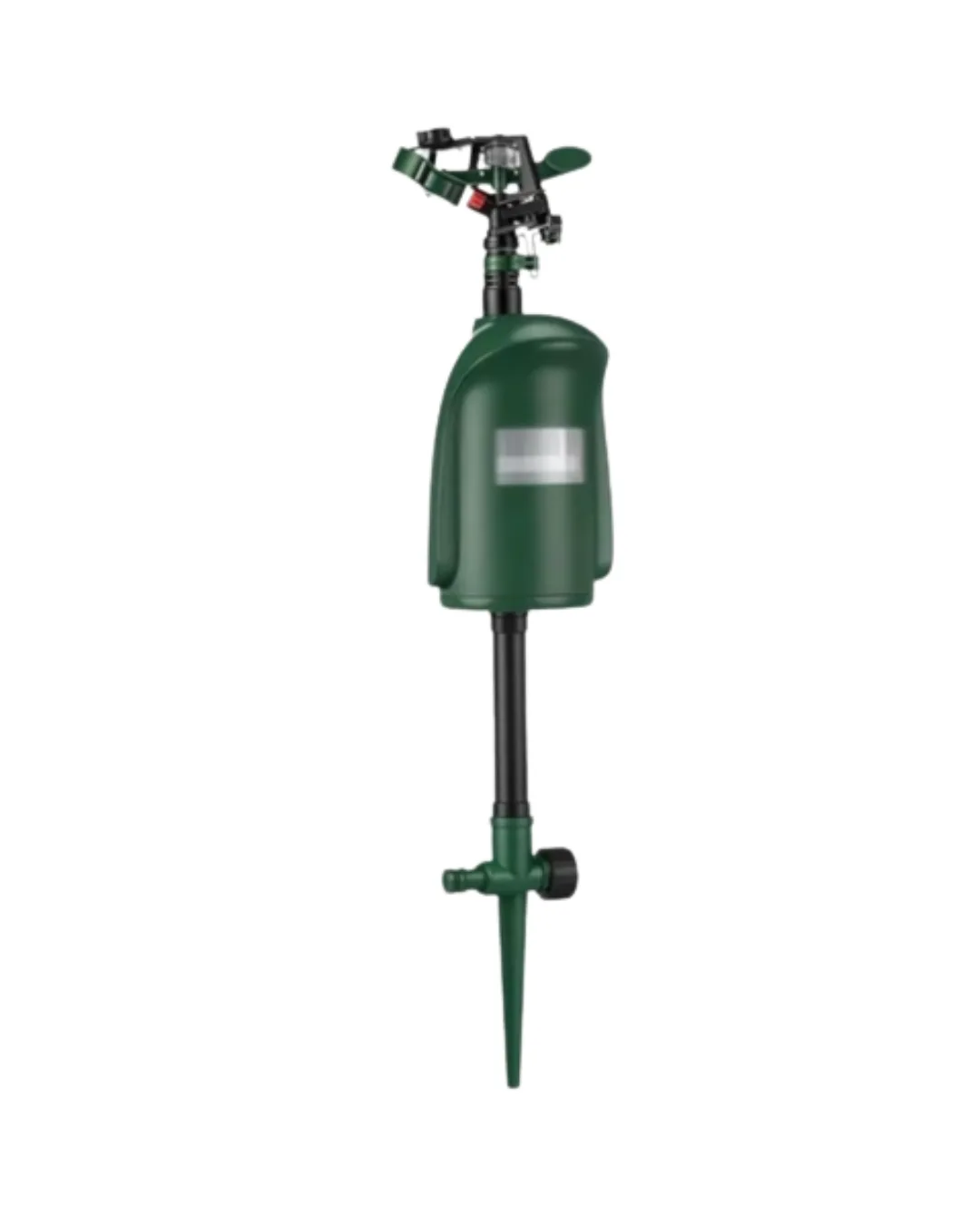
Motion Sprinkler Animal Deterrent
$56.99 at Dicksmith
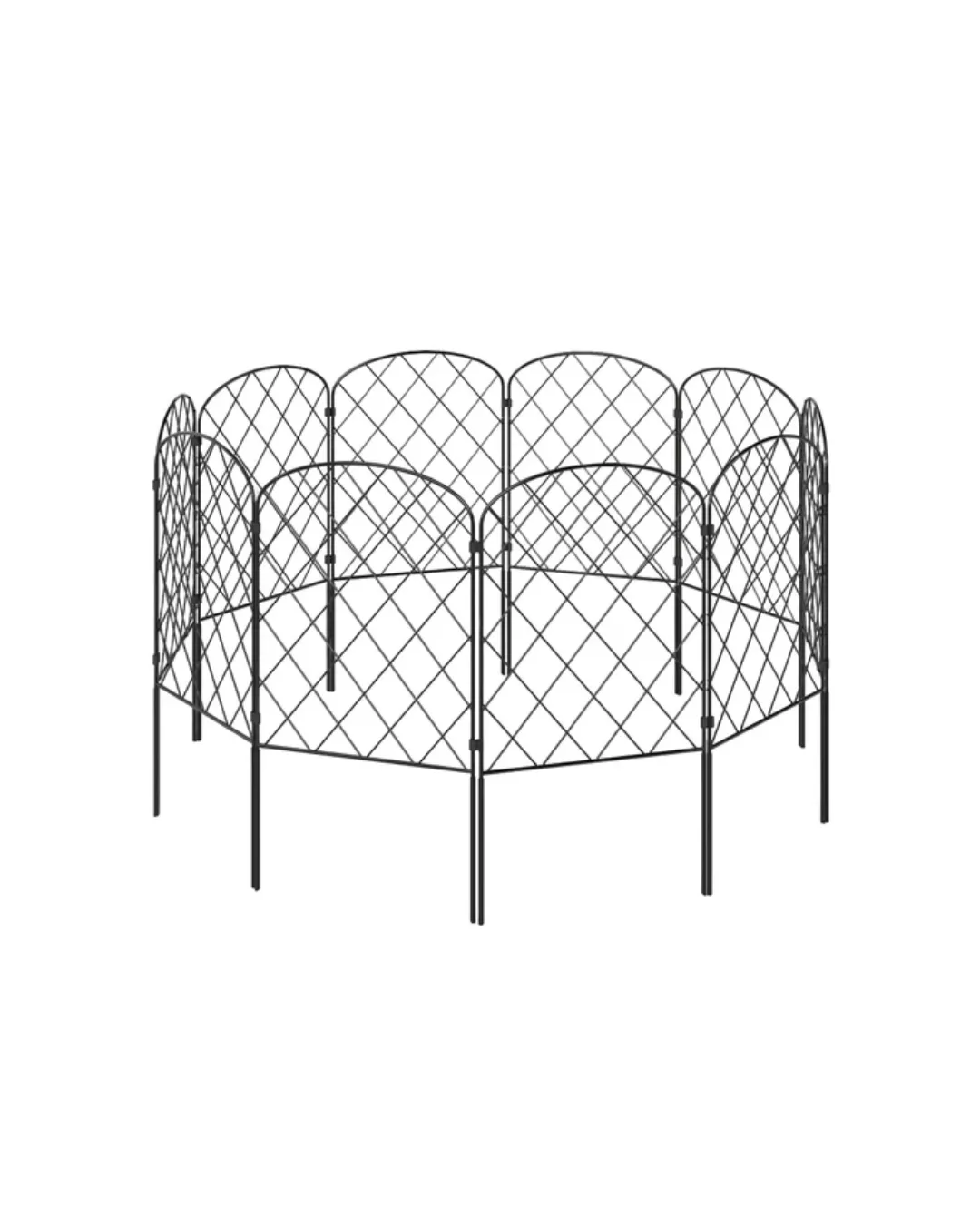
Animal Garden Barrier (10 pack)
$63.99 at Kogan
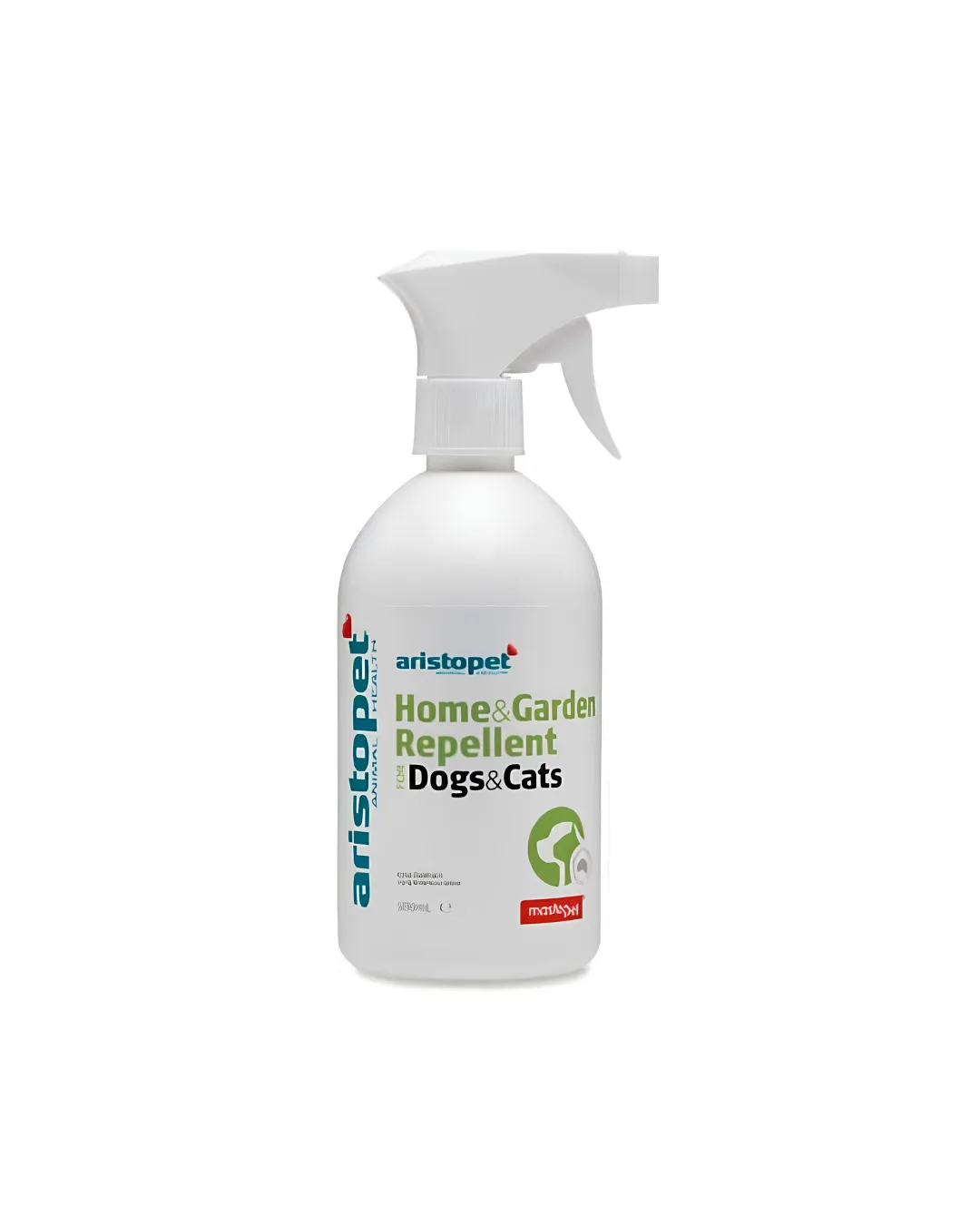
Home & Garden Repellent Pet Spray – 500mL
$64.95 at Kogan
1. Lillies
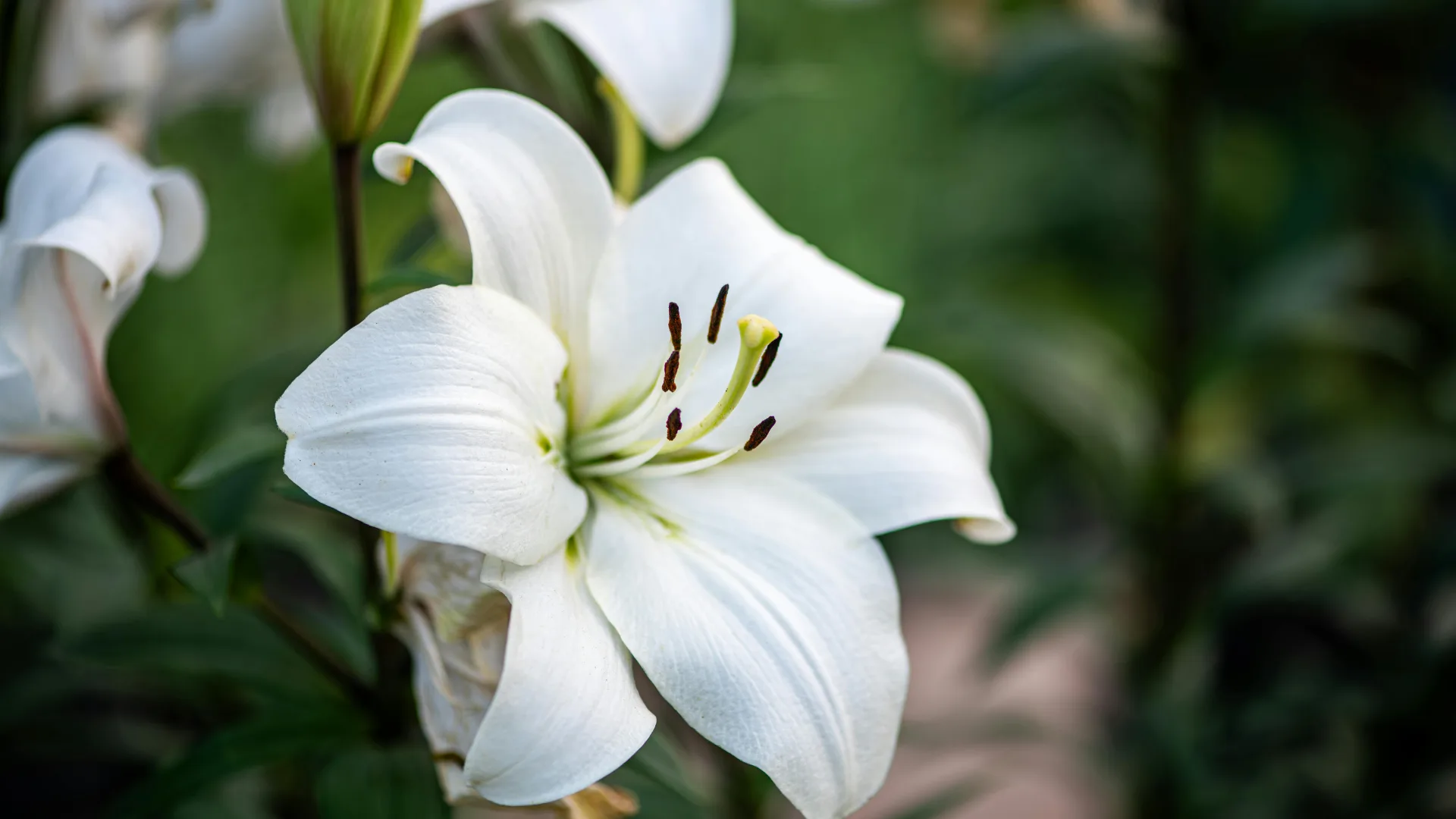
One of the most common is lilies – and this is a serious one, especially for cats.
Even a small amount, whether it’s pollen, leaves or water from a vase, can cause severe kidney damage.
They’re undeniably elegant, but if you’ve got cats, they’re best avoided altogether.
2. Azaleas & Rhododendrons
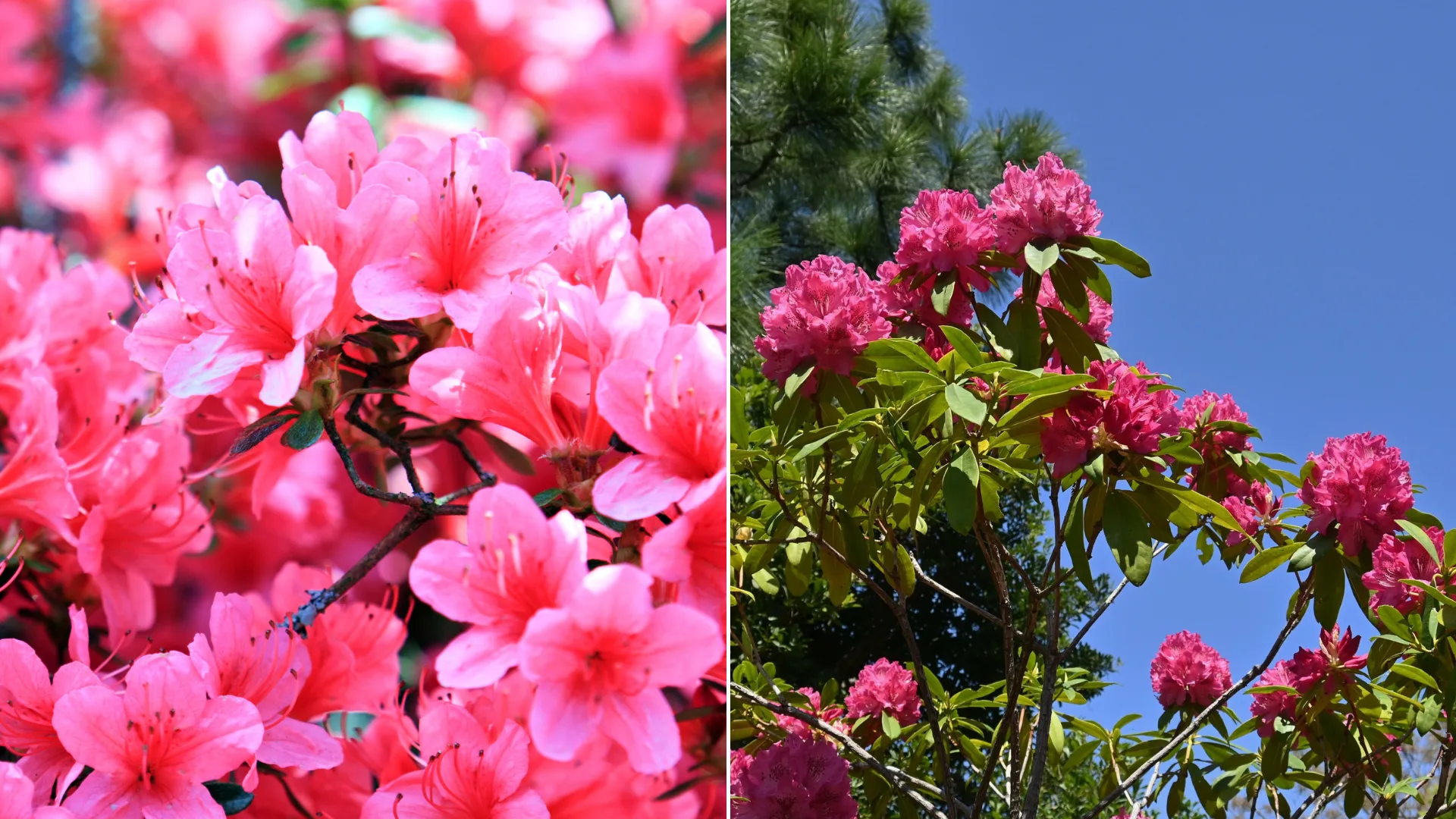
Azaleas and rhododendrons are another favourite in many gardens, loved for their bright, showy flowers.
But they contain toxins that can affect a pet’s digestive system and, in more serious cases, their heart.
Even nibbling a few leaves can cause vomiting, drooling or lethargy.
3. Oleander
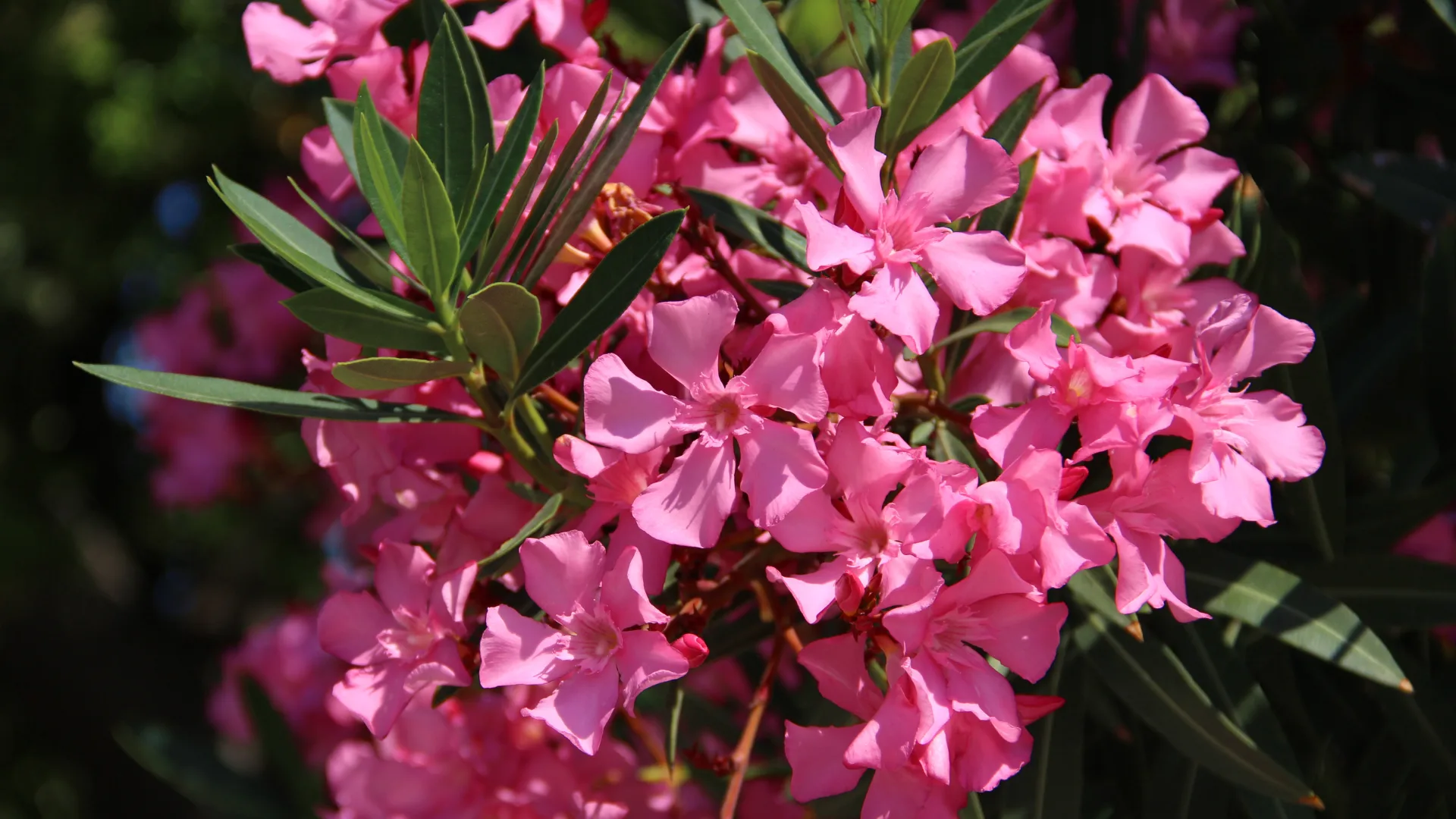
Then there’s oleander, often used as a hardy screening plant. It’s incredibly tough, thrives in harsh conditions… and every part of it is toxic.
Leaves, flowers, stems – even the smoke from burning the prunings can be harmful.
It’s one of those plants that looks innocent but really demands caution.
4. Sago Palm
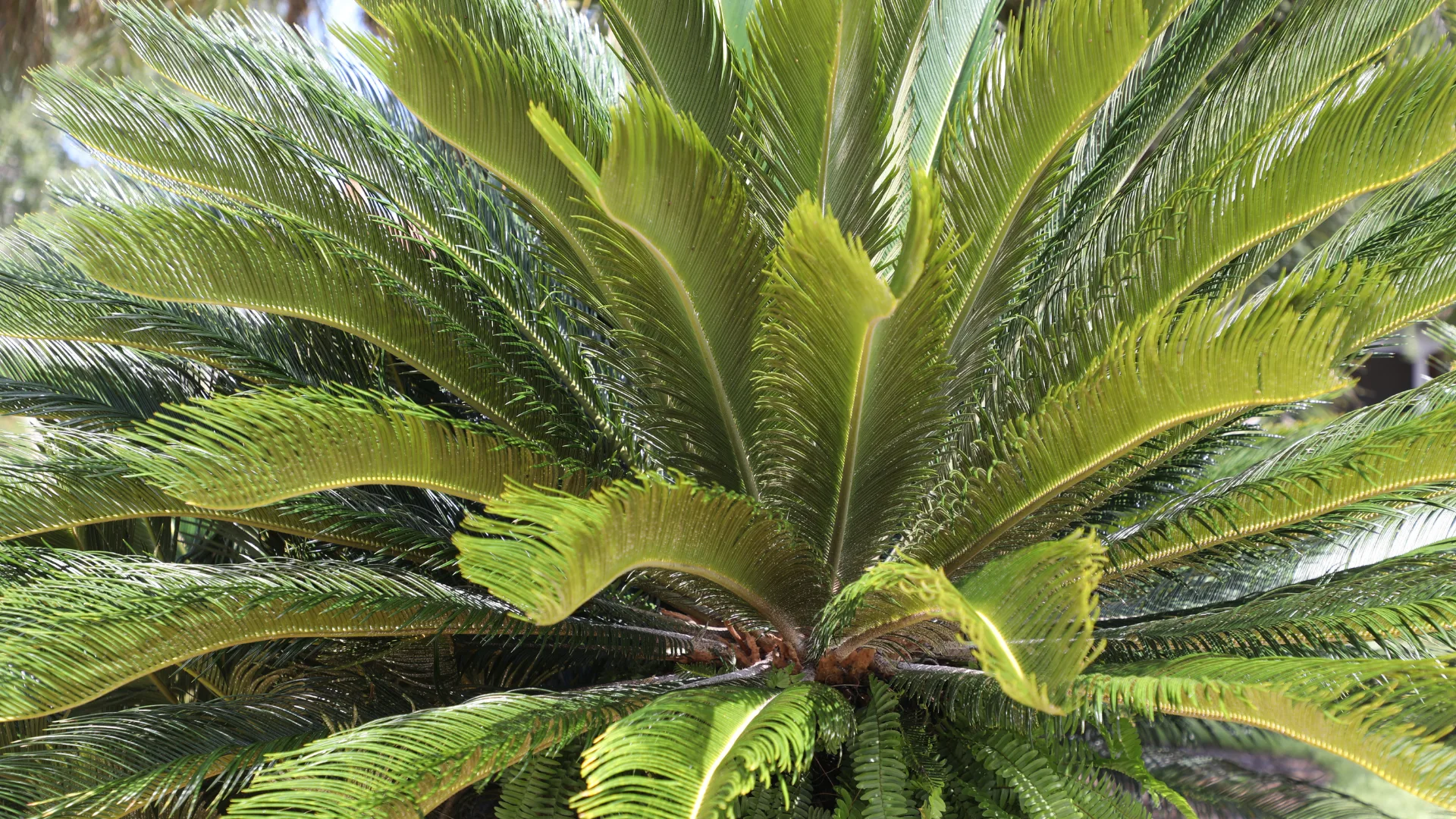
Sago palm is another one to watch out for, especially in architectural landscaped gardens.
It has a strong look, but it’s highly toxic if ingested.
The seeds are particularly dangerous and can cause severe liver damage in pets.
5. Daffodils & Tulips
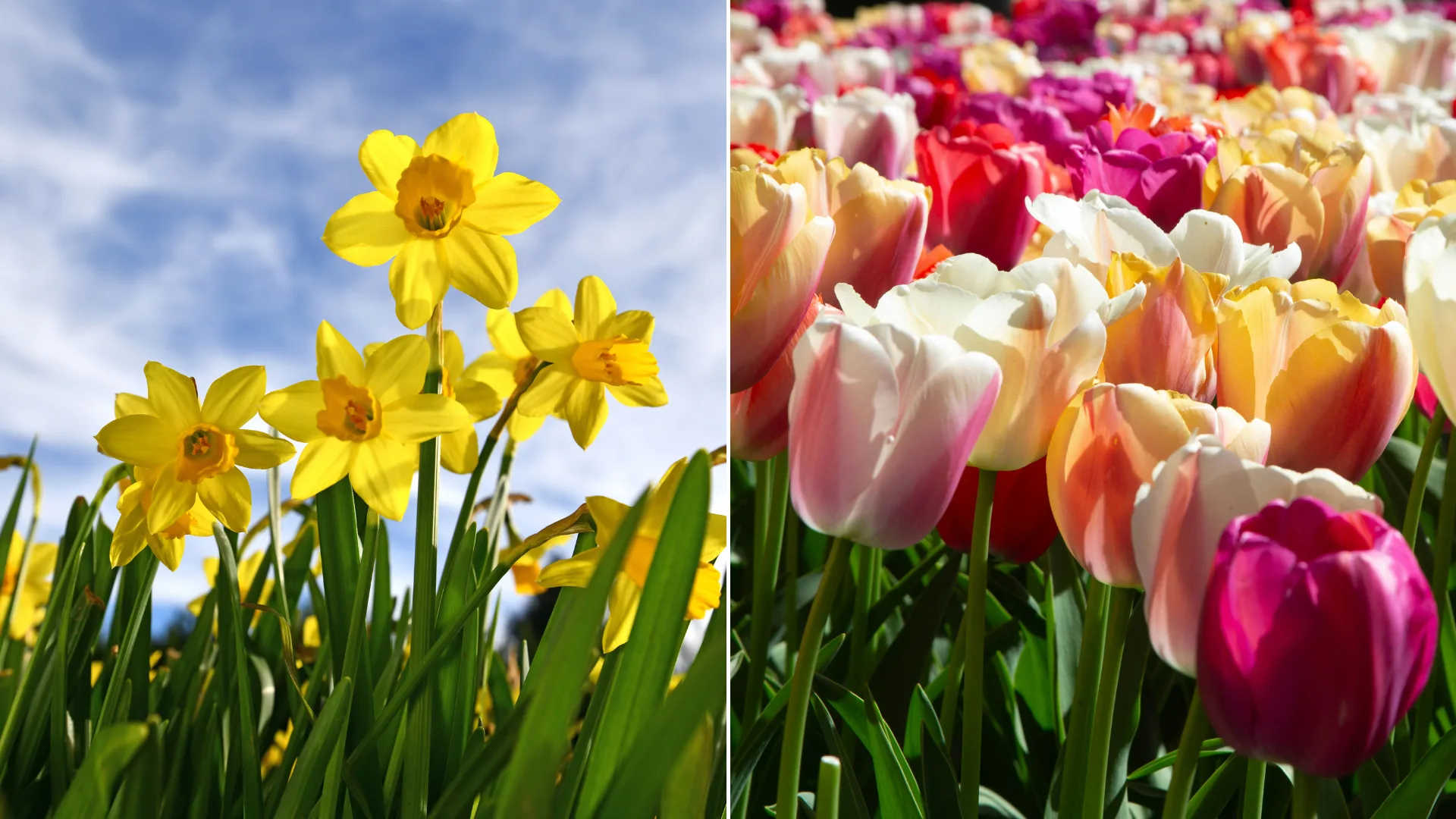
Closer to the ground, you’ll often find daffodils and tulips, especially in cooler climates.
These bulbs contain compounds that can irritate a pet’s mouth and stomach if dug up and chewed.
Dogs, in particular, love to dig – and bulbs can be an unexpected risk sitting just below the surface.
6. Hydrangeas & Ivy
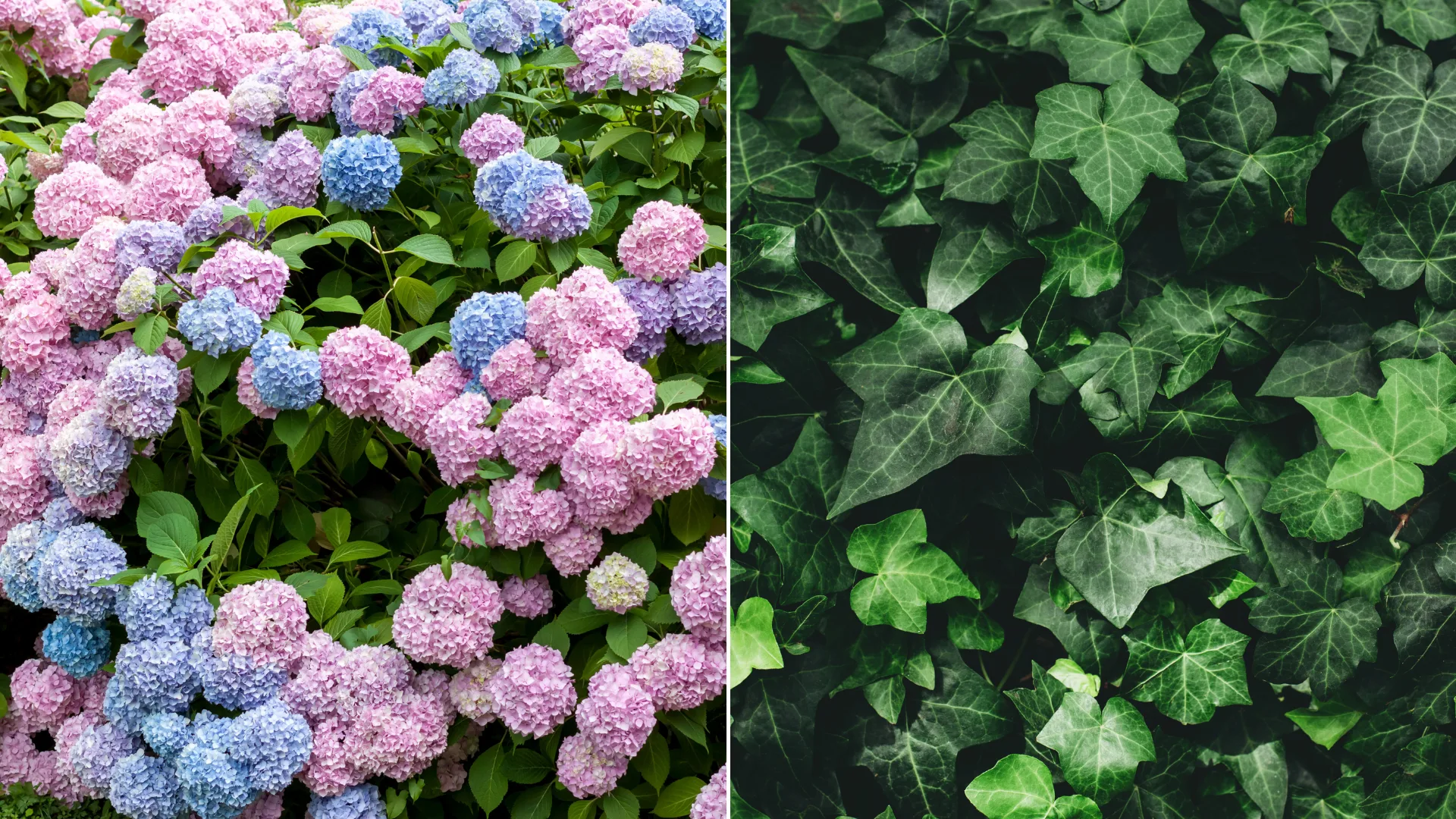
Even some everyday favourites like hydrangeas and ivy can cause mild to moderate reactions if eaten.
Usually it’s irritation, vomiting or discomfort – not always life-threatening, but still, something you’d rather avoid.



How can I protect my pets from poisonous plants?
It’s not about stripping your garden back to nothing, it’s about awareness and placement. If you love a particular plant that may be toxic, think about where it sits.
Is it within easy reach? Is your pet likely to chew, dig or explore that area? And it’s also worth knowing your pet.
Some will ignore plants completely – others will sample everything like it’s a tasting menu.
If you’re ever unsure, keep an eye out for unusual behaviour like vomiting, drooling or a lack of energy, and don’t hesitate to contact your vet.
It’s always better to be cautious. A garden should feel like a sanctuary for everyone who uses it – humans and pets alike.
With a little thought and the right choices, you can still have a beautiful space that’s safe, relaxed and full of life in all the right ways.

