



Have you ever noticed tiny, moving bugs in your flour, or a box of cereal? Or perhaps you’ve noticed a sudden influx of tiny grey moths around your house, with no explanation as to how they got in.
Your home might be infested by pantry moths, without you realising. Learn how to get rid of them forever!
Pantry moths are regarded as common house pests all over the world, found on every continent except Antarctica. They are a global nuisance. In order to successfully fight your enemy, you must first get to know them and strategise from there.
If you suspect that there are uninvited inhabitants in your kitchen, read on for simple, effective fixes.

What are pantry moths?
Pantry moths, or Indian Meal Moths, are minute creatures measuring around 8-10mm as an adult. They feed on (and inhabit) dry food items like cereal and grains, flour, pasta, dried fruits, dried herbs, powdered milk, and nuts.
The name ‘Indian Meal Moth’ might mislead people into thinking that these bugs originated or are widespread in India. In reality, this species was named after the observation of it mainly feeding on cornmeal, also known as Indian-meal.
Where do pantry moths come from?
There are many paths for the pantry moth to invade your home. They can enter through openings such as doors, windows, vents, or even cables and plumbing lines that pass through the walls of your house.
They can also enter your kitchen through your recent grocery purchases. Pantry moths mostly target dry products such as grains and flour. Often these packets become contaminated during transportation to supermarkets and while sitting on the shelves. These items, which might not often be used, are left sitting undisturbed for months, providing a great habitat for the pantry moth larvae to hatch.
As a result, pantry moths could go unnoticed and might only catch your attention when you see an adult moth lurking around your kitchen, or a small silky cocoon in the corners of your pantry.

Are pantry moths harmful?
These moths are generally considered harmless and are not identified as carriers of any disease. But as small as they are, they are a big nuisance, as they can leave the contents of your cupboard contaminated and unsuitable for consumption.
How long do pantry moths live?
The pantry moth life cycle is completed between 27 to 305 days, beginning when a single female lays its eggs. The speed of development varies and depends on the environment the moths are in. Indian Meal Moth larvae thrive on dark and humid environments, contributing to their rapid development.

The life cycle of a pantry moth is made up of these stages:
Stage 1: Egg
Female pantry moths can lay up to 400 eggs at once directly on its food source. A cluster of eggs can go undetected due to its very small size (0.03–0.05 mm) and whitish-grey colour. After being laid, it takes 7 days for pantry moth eggs to hatch.
Stage 2: Larva
The larva stage of the pantry moth life cycle lasts 2-3 months. The larvae look kind of like tiny maggots. They eat the food items their eggs were laid in, leaving the food contaminated by the casings that they leave behind. The larva vary in colour and may be brown, green, or pinkish, depending on their main food source.
Stage 3: Pupa
Pantry moths move away from their food source in preparation for this stage. Pupation lasts from 15-20 days in hidden crevices, cracks, and spots within pantry shelves which makes it hard to find the main location of the infestation.
Stage 4: Adult
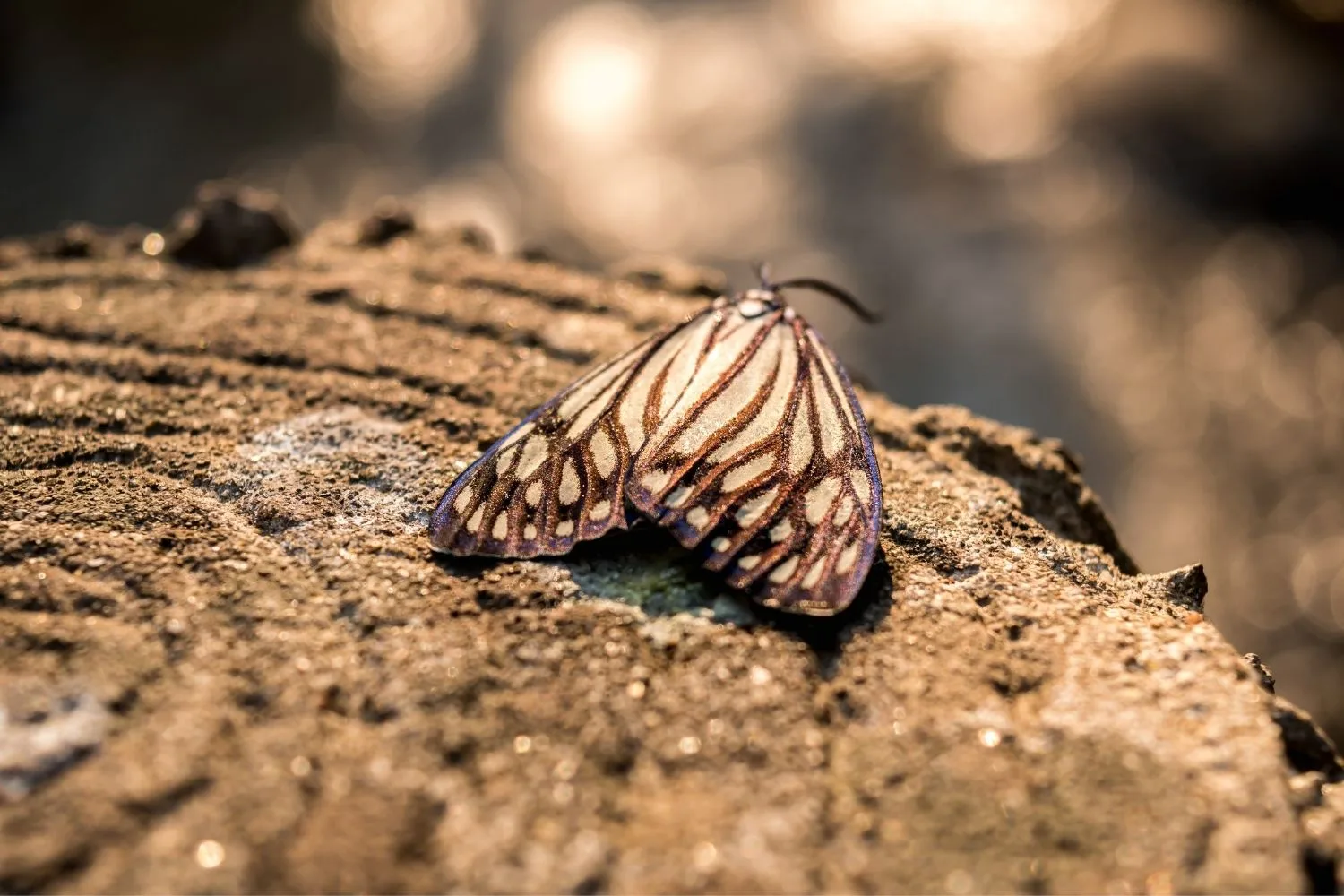
Reddish-brown adult pantry moths are attracted to lights and fly around in search of a potential mate. Adults do not eat since their mouths are not functional and their only goal is to reproduce and lay more eggs.
Since the previous stages of development are very discrete and well-concealed, homeowners usually only notice the presence of these bugs during this stage.

What are the tell-tale signs of infestation?
If you are on the lookout for pantry moths in your kitchen, you should check for clumps inside the packaging of grains, starches and flours. You would also notice webbing on the outside and inside of food packages, especially on its edges or corners if moths are around. Pantry moths also leave an unpleasant odour due to the secretions that they emit. If you have noticed at least one of these signs, it’s time for you to take your quest to defeat these pests more seriously.
How to get rid of pantry moths naturally
Getting rid of pantry moths is not an easy task, it is laborious, but you need to do it, and fast. The following are methods which could help you fight pantry moths and reclaim your territory.
Eliminate the main source of infestation.
First things first, you need to identify the source of the pantry moths. Empty your pantry, and go through every single package and container you have in there. Any item you find contaminated, bag it up and throw it out. Wash your containers in a sink of hot soapy water. Have the sink ready to go and once the contents are in the bin, put your container in the hot water for a thorough wash.

Clean your kitchen thoroughly.
This applies to all cupboards, drawers, and other spots where you store food, as these are the places the moths will want to pupate. Remove all shelf and drawer liners and wash all storage jars, containers, shelving and surrounding walls with an easy home remedy of water and vinegar cleaning mixture, to ensure that unhatched eggs are killed and adult moths are repelled.
Terrific home remedies for pantry moth defense are essential oils. Add a few drops of essential oil such as peppermint, citronella, tea tree or eucalyptus. Pure, high grade essential oils will work best.
To capture the last of the moths you may have missed, use a pantry moth trap, also called a pheromone trap that emits a smell that lures and keeps them stuck in place. You can pick these up in supermarkets and hardware stores.
Once you have thoroughly cleaned out your pantry, restock your food. Store dried foods properly. Use plastic storage such as plastic containers with strong seals, or glass jars to seal your dried items. Once purchased, tip the packets into your storage. Opened packets are best stored in jars and containers too.

1. Check packages before purchase
When you are shopping, take a moment to check that packaging hasn’t been nibbled at, and that no little webs are around. Clear bags are easy to check if you give them a jiggle. You will soon see creepy-crawlies if they are there.
2. Freeze dry goods before storing.
Freezing dry items will not only kill pantry moths but also other pests or insects that might be hidden in your new purchases. To do this, wrap these items in a sturdy plastic bag and put them in the freezer for 2-3 days prior to storing them.
3. Use bay leaves as natural repellents
Due to their pungent smell, bay leaves are effective in deterring pantry moths. Simply put fresh or dried bay leaves in strategic places within the pantry that might be prone to infestation. You can also hang a bouquet in the pantry so the scent can permeate the entire area.


