

NEED TO KNOW
- Fifteen victims were killed, and dozens more were hospitalised on December 14.
- At around 6.40pm, shots were fired as two gunmen targeted Jewish Hanukkah celebrations.
- The youngest victim was 10-year-old Matilda, with ages ranging up to 87.
If you or someone you know has been affected by any of the issues raised in this article, help is always available. Call Lifeline Australia on 13 11 14.
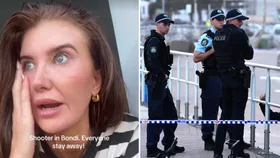
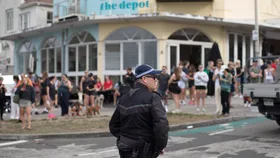
Shockwaves were sent around the world after the mass shooting on Bondi Beach on December 14.
Two gunmen opened fire on the Sydney beach at around 6.40pm that day, killing 15 victims and injuring many more, in what police described as a terror attack.
The shooting targeted Jewish patrons who were attending a Hanukkah event on the beach, with the youngest victim being 10-year-old Matilda.
January 22 has been declared a National Day of Mourning to remember the victims, and there are many ways you can observe the day.
Read on for how you can help in the wake of the tragedy.

How to observe the National Day of Mourning
The Australian government has encouraged people to show their solidarity with the Jewish community on the National Day of Mourning.
They have encouraged people to leave candles on their doorsteps or in their windows as a “symbol of remembrance” for those who were killed in the shooting.
There will also be a minute’s silence at 7.01pm AEDT to honour those impacted by the terrorist attack.
The government has also asked people to share a meal and spend time with “family and friends of all faiths and backgrounds” on the day.


Lastly, people are encouraged to undertake a “Mitzvah”, meaning any good deed or act of kindness, for the Bondi community.
“It is about taking practical action to help others, through simple everyday acts of kindness that together create a powerful wave of goodwill,” a government Facebook post reads.
“This can be as simple as checking in on a neighbour, volunteering time, offering support to local businesses, or donating to those in need.”
Actions of support
Directly after the tragedy, online support pages were set up to assist those affected by the terror attack.
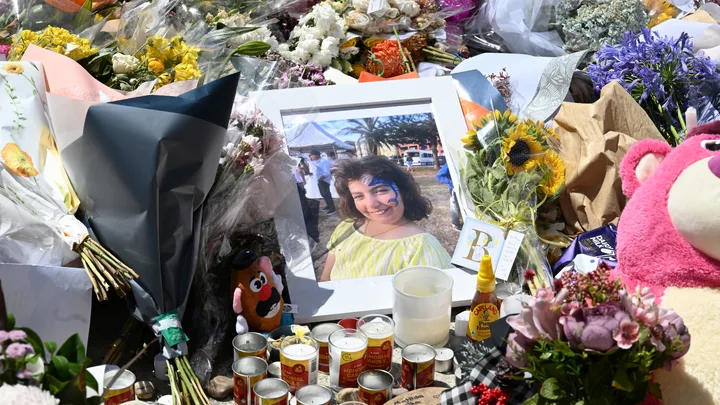
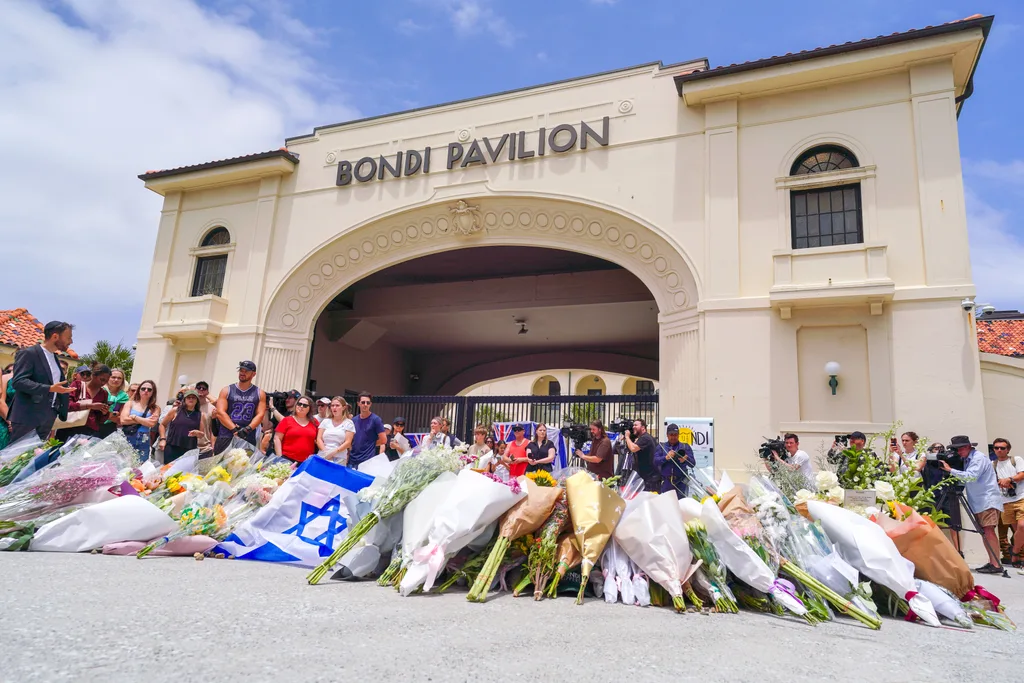
The NSW government has released an online condolence book and directed those who want to lay flowers to the memorial site at Bondi Pavilion.
Following the shooting, Wentworth MP Allegra Spender urged people to “reach out” to members of the Jewish community.
“One thing we can do as a country is support out Jewish community right now,” she said.
The Victim Support Scheme will also be providing counselling and assistance to those who have been affected by the shooting.
The CEO of Jewish House, Rabbi Mendel Kastel, has urged Australians to rally round and support the Jewish community during the difficult time.
“Putting arms around us is absolutely appreciated and necessary,” he told the ABC.
“I think those arms need to get wider and wider and more and more people step up … and say we are with the Jewish community.
“The messages of Hanukah, of bringing light, of bringing piece, of bringing togetherness, that needs to be done together. We can’t do it on our own.”

Fundraisers
There are still fundraisers active online to help the victims of the attack and their families.
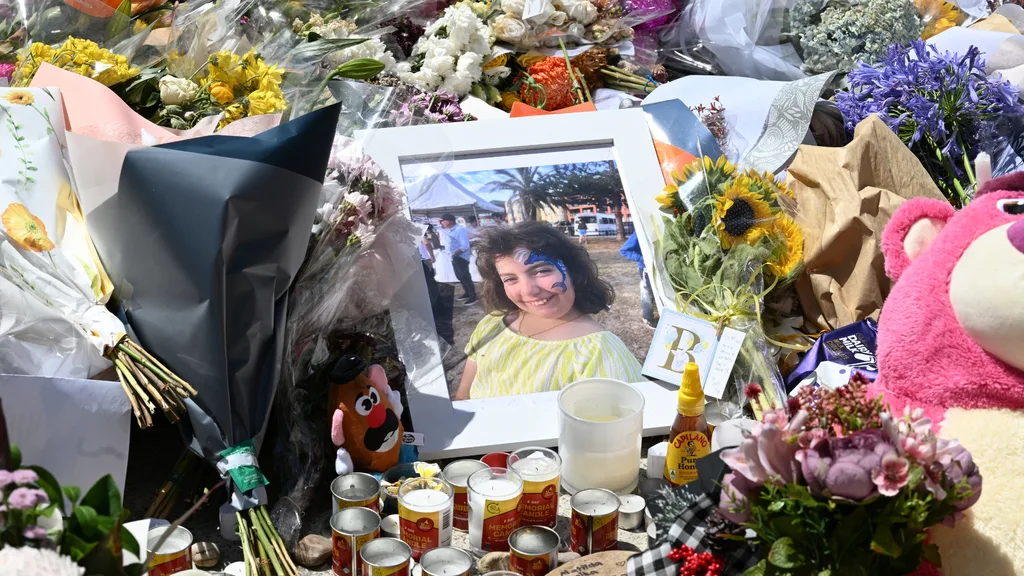
One GoFundMe page has been set up for 10-year-old Matilda, who was the youngest person killed in the shooting.
Matilda’s language teacher set up the fundraiser for the child’s family, and it has already garnered more than $1million in donations.
“We are deeply grateful to everyone who has supported Matilda’s family in this heartbreaking time. Your kindness brings light to the darkest moments,” the page reads.
Another fundraiser has also been set up in support of Ahmed al Ahmed, who disarmed a shooter at the scene.
More than $2.6million has already been raised for Ahmed, who has been released from hospital and is recovering after suffering two gunshot wounds.
There is also a GoFundMe page for Rabbi Eli Schlanger’s family, after he was one of the victims killed in the terror attack.
The full list of fundraisers is available to view here.
If you or someone you know has been affected by any of the issues raised in this article, help is always available. Call Lifeline Australia on 13 11 14.

