

NEED TO KNOW
- Amelia Earhart vanished on July 2, 1937, during her attempt to become the first woman to fly around the world.
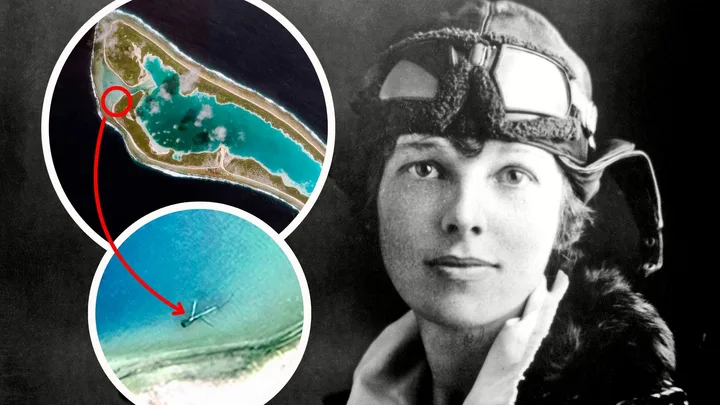
- A pilot spotted a 12-metre object on Nikumaroro Island via Google Earth – the same length as Earhart’s plane.
- Despite nearly 90 years of searches, no wreckage or remains have ever been conclusively found.
For nearly 90 years, the disappearance of aviation pioneer Amelia Earhart has baffled the world.
Now, a pilot believes he may have uncovered a crucial clue – not in the ocean, but on his computer screen.
Experienced pilot Justin Myers wasn’t actively searching for answers when he stumbled across something unusual on Google Earth.
But after watching a documentary about Earhart’s doomed final flight, he began scanning satellite images, putting himself in the shoes of the missing aviatrix and her navigator, Fred Noonan.
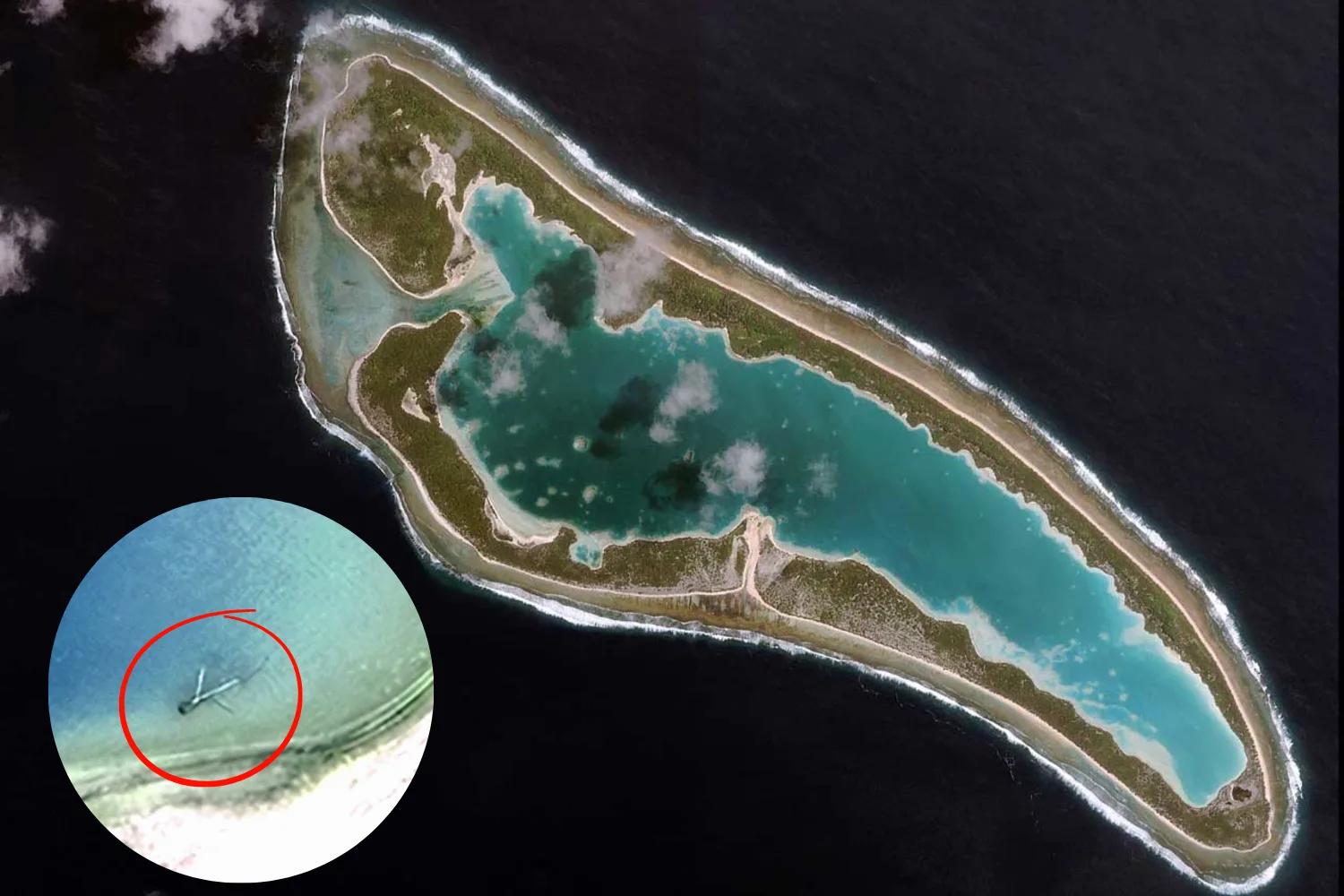
Focusing on Nikumaroro Island – a remote coral atoll east of Fiji long linked to the mystery – Justin noticed what he described as a “dark-coloured, perfectly straight object” lying beside a stretch of sand.

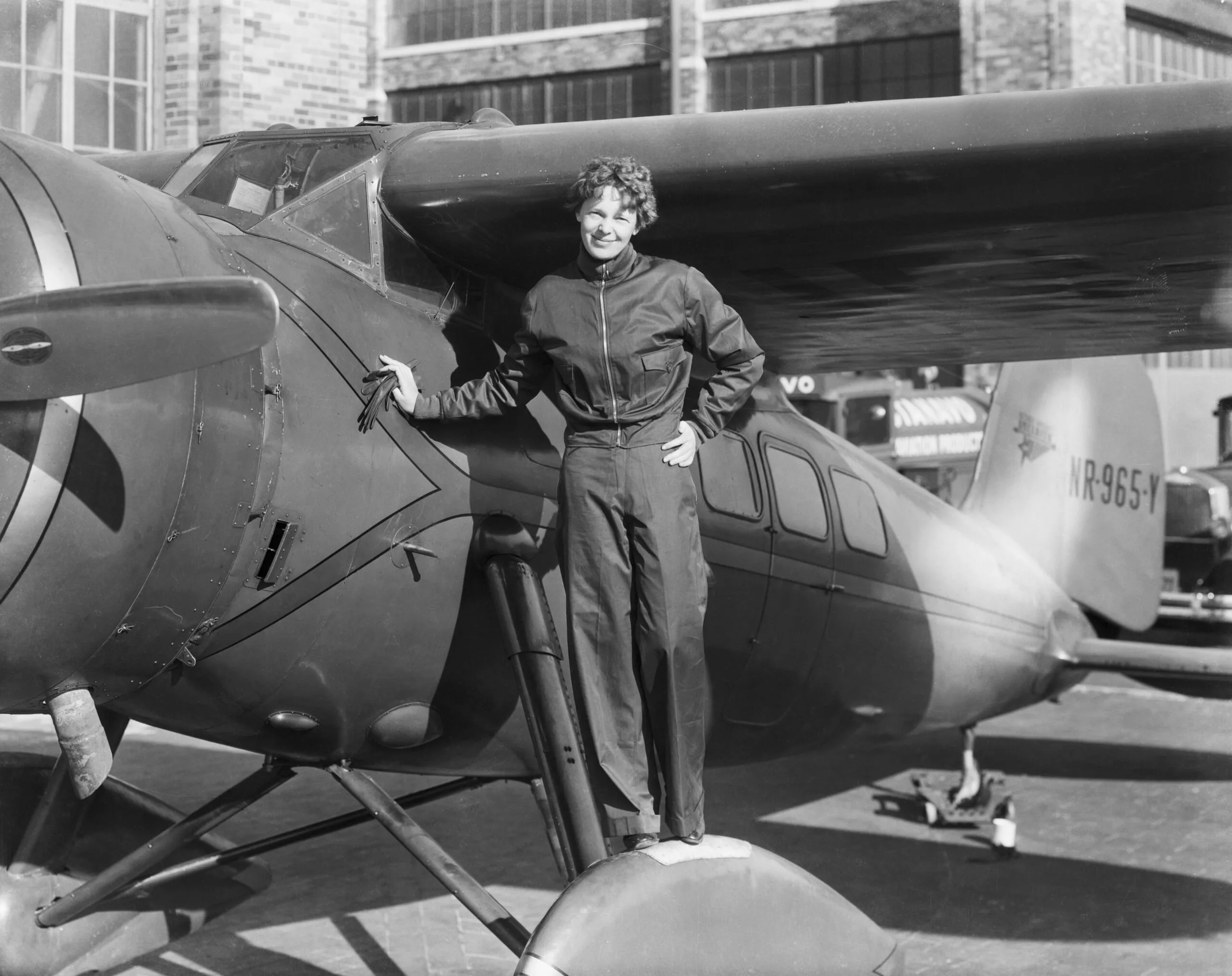
Measuring about 12 metres, the same length as Earhart’s plane, it appeared to be man-made.
“It looked like a section of aircraft fuselage,” he said, adding he also believed he could make out part of an engine and a wheel.
While the discovery is intriguing, Justin is cautious.
He has filed a report with investigators but admits there is no definitive proof.
“It would be very bold of me to say [it is Earhart’s plane],” he explained.



Still, the possible find has reignited global interest in Earhart’s extraordinary life – and her mysterious disappearance.
Born in 1897, Earhart became one of the most famous aviators in history when she became the first woman to fly solo across the Atlantic Ocean in 1932.
Known for her courage and determination, she pushed boundaries at a time when aviation was still in its infancy.
At 39, she set out on her most ambitious journey yet: to become the first woman to fly around the world.



On July 2, 1937, Earhart and Noonan took off from Lae, in what is now Papua New Guinea, bound for the tiny Howland Island.
It was the most dangerous leg of their journey, requiring a long flight over open ocean with limited fuel.
As they approached their destination, Earhart’s radio transmissions became increasingly desperate.
“We must be on you but cannot see you – but gas is running low,” she said in one of her final transmissions.
“Have been unable to reach you by radio.
We are flying at 1000 feet.”
Then, silence.
Despite a massive search effort that lasted 16 days, no trace of the pair or their aircraft was ever found.
Over the decades, several theories have emerged.
The most widely accepted is that the plane ran out of fuel and crashed into the ocean.
Another suggests Earhart made an emergency landing on Nikumaroro Island, where she may have become stranded as a castaway.

Expeditions to the island have uncovered fragments of metal and other artefacts, but none have ever been conclusively linked to Earhart’s aircraft.
Justin’s discovery adds fresh intrigue to that theory – but also highlights how elusive the truth remains.
Even with modern technology, from sonar scans to satellite imagery, the mystery continues to captivate both experts and everyday people determined to find answers.
As Justin himself admits, even he can’t be certain of what he’s found – but the possibility is enough to keep the search alive.
“All I am saying is that these objects look like unfound plane wreckage, which strangely looks and measures the same as her aircraft,” he said.

