

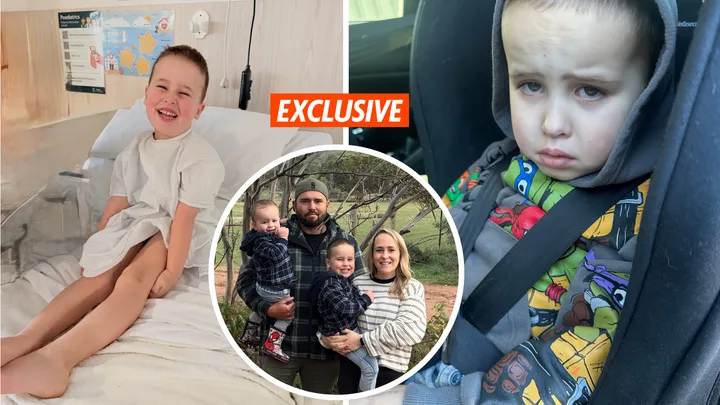
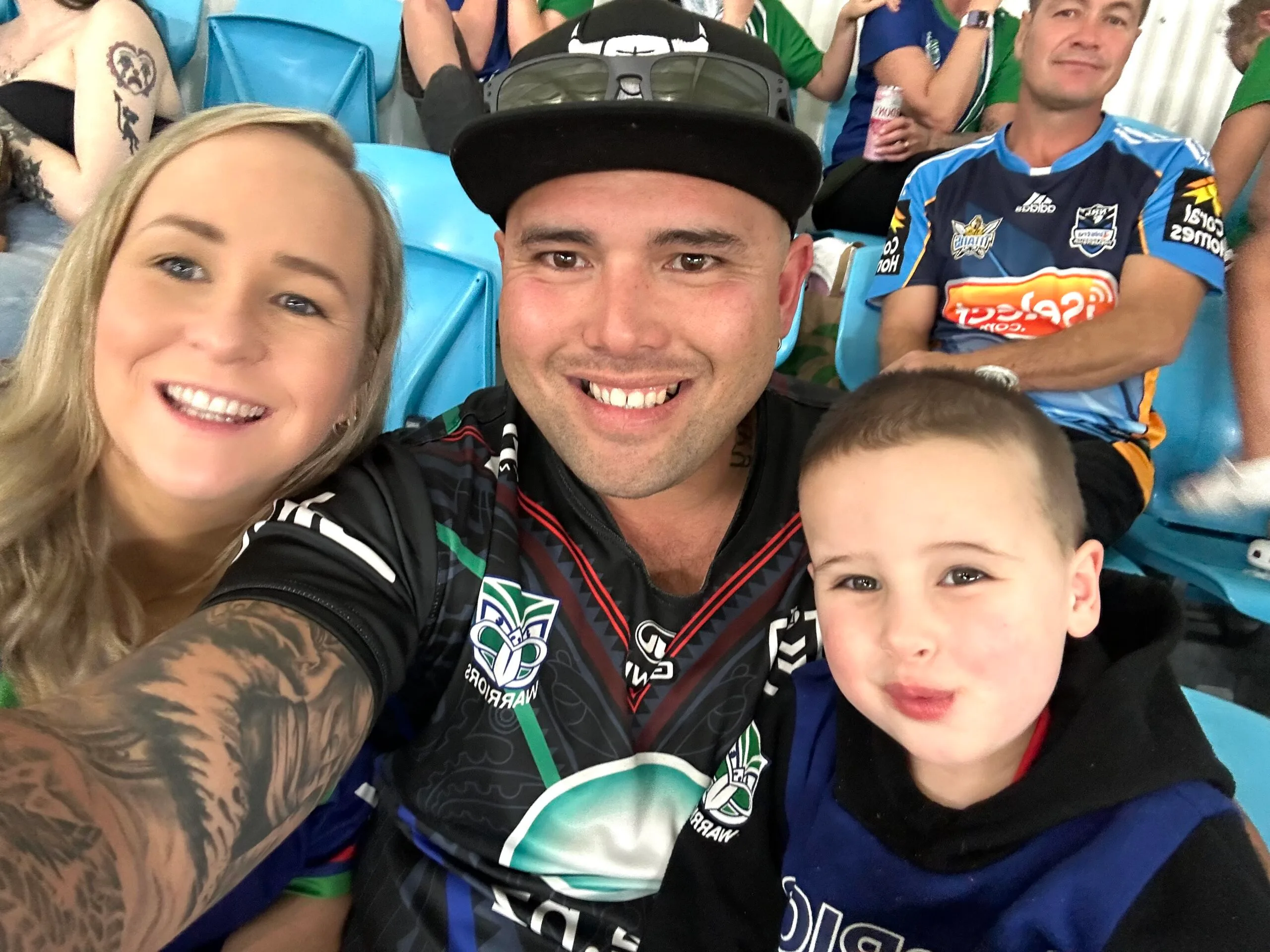
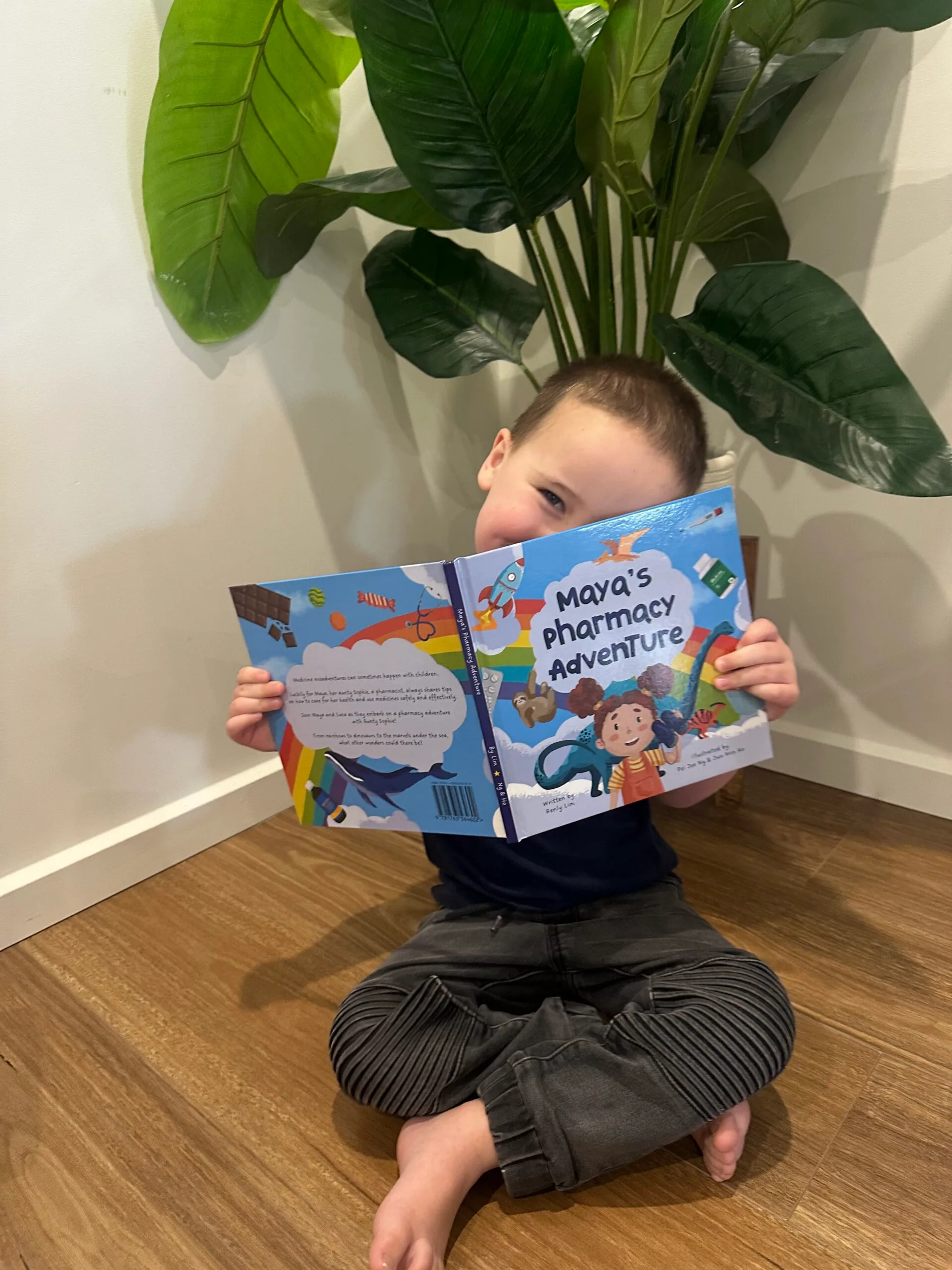
Michelle and Bojay Reedy’s little boy, Hudson, was an energetic, happy three-year-old who loved playing outside and being a big brother to baby Henry.
His only problem was sleep and he was frequently up for five hours in the night.
After coping with it for years, Michelle, 36, from Adelaide, took him to a paediatrician for a sleep study to find out the cause.
“The paediatrician said we’d get to the bottom of it, but she prescribed clonidine in the meantime,” Michelle tells New Idea.
The drug, which is widely used to help kids fall asleep, is commonly compounded and made into liquid form by a pharmacist, because the tablets are too strong for children.
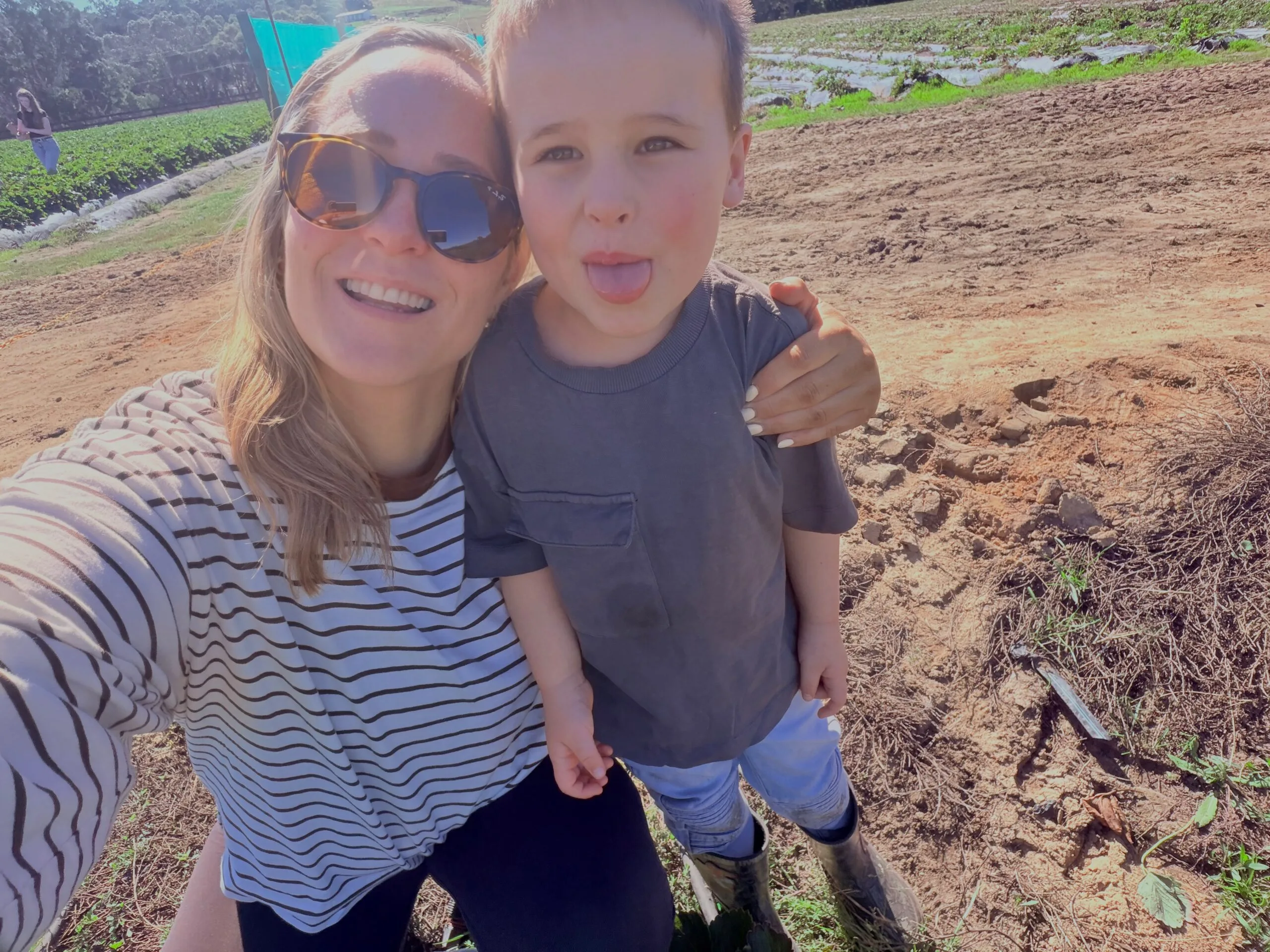
“Hudson was prescribed 1-2 ml once a night. It was meant to be 20 micrograms per ml,” Michelle says.
Giving Hudson his first dose in May 2025, she was surprised how it affected him.
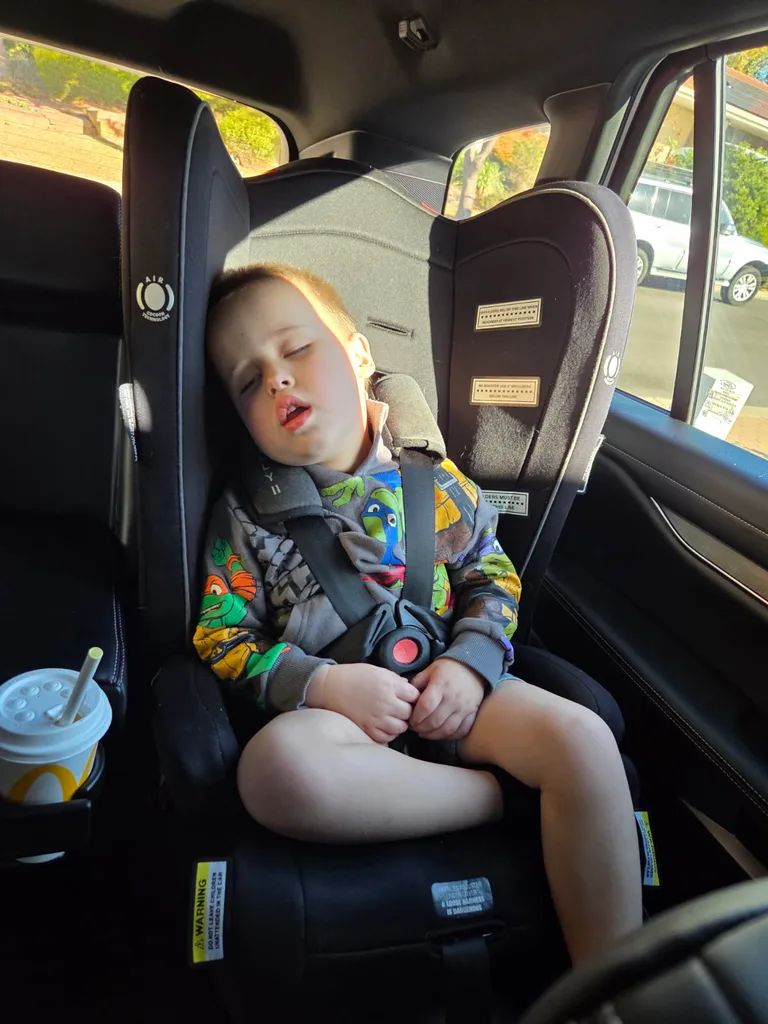
“He fell asleep in the shower within five or 10 minutes of taking it,” Michelle says.
“He was floppy and didn’t look right. When he woke up he was still really out of it and fell asleep over his breakfast.”
Taking him to Flinders Emergency Department the next day, a doctor checked his dosage, but it was well below the overdose limit, and it was suggested Hudson must just be receptive to it.
But as the days went on Michelle found herself getting more worried.
“He was a zombie, nothing like our child,” she says.
“I started thinking I’d rather have him never sleep again than him lose his personality.”
Before their next paediatrician review where she wanted to discuss this, Hudson needed a new bottle of clonidine and their life started to unravel.
“He started the new bottle on June 9 and he was still up three hours later, which was the first red flag,” Michelle says.
The next day Hudson was shaky and aggressive, flipping a table.
“I called the pharmacist and said ‘I’m worried the new medication isn’t correct,’” Michelle says.
Horrifyingly it was discovered the new bottle was correct, but the old bottle – which Hudson had taken for the past 46 nights – was wrongly mixed.
Instead of 20 micrograms per ml it was 200 micrograms.
He was receiving the medicine at a deadly 10 times the prescribed dose and quadruple the dose considered an overdose.
It was something a doctor later told Michelle could have caused a stroke and killed Hudson on any of the nights he took it.
Hudson needed urgent hospitalisation and a full weaning plan because, dropping the dosage dramatically like they unknowingly had, was causing terrifying withdrawal symptoms.
“It was so awful. I felt so guilty,” Michelle says, even though it wasn’t her fault.
“A senior consultant at the poison helpline said he didn’t know how Hudson had survived.”
The pharmacy took full responsibility for what had happened, but that didn’t make Hudson better.
The little boy endured months of withdrawals, losing speech, memory and developing aggression and anxiety.
“We were told he had regressed to the developmental age of a two-year-old,” Michelle says. “He needed so many therapies – speech, psychology.”
Incredibly, the insurance company argued they couldn’t agree on any settlement until they knew the full extent of Hudson’s injuries, which could be years away.
It meant the Reedys had to drain their savings.
“It’s not fair to Hudson. There was an error that my little boy might never recover from but if he had a chance [to recover] we needed the money to do it now,” Michelle says.
Alongside caring for Hudson, the insurance battle became her second fight and when, after she went to the media and they got a small payout, she decided to take it a step further.
“I am calling for Hudson’s Law in South Australia to ensure children harmed by preventable medical errors receive immediate access to therapy,” Michelle says.

“This would give them the best chance to recover and reclaim their development.”
Her petition has already got hundreds of signatures and Hudson’s story has caught the attention of MPs keen to get involved.
A recent MRI has thankfully shown Hudson doesn’t have any brain damage from his experience, but the Reedys are still living with the physical and emotional impact every day.
“Hudson is getting better, but whenever things happen I will always question is that normal or from the overdose?” Michelle says.
“It will always be with me. We have to heal as a family but the guilt is immense. I’m determined Hudson’s story will help other kids in some way.”

