

NEED TO KNOW
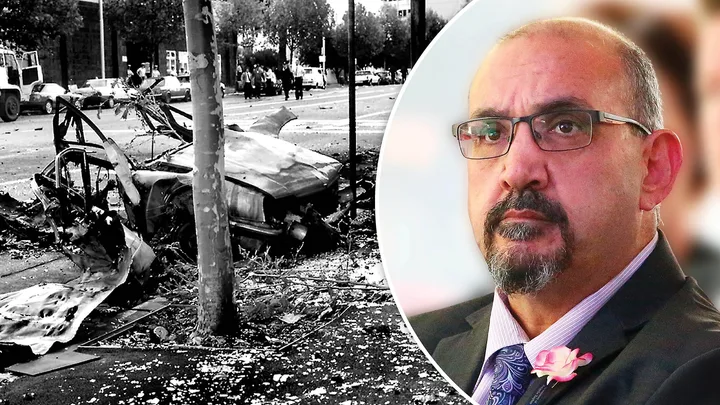
- 1986 Russell Street car bombing killed 1 and injured 21.
- Survivor Carl Donadio was blown 20 metres and badly wounded.
- Constable Angela Taylor, 21, later died from severe burns.
Carl Donadio hadn’t been working at Russell Street Police Station for very long when he returned to the building for lunch on March 27, 1986.
Heading towards the north entrance – the only route he knew – most likely saved his life.
That afternoon, an explosion would rock the Russell Street Police Headquarters, shattering glass in buildings a block away.
In what was later described as a “revenge attack” on Melbourne police, one person was killed, and 21 others were injured.
Carl was just crossing in front of the station when he suddenly felt himself being thrown 20 metres up the road.
“I landed on my back and my bum.”
I thought I’d been hit by a car,” Carl, 60, from Melbourne, tells New Idea exclusively.
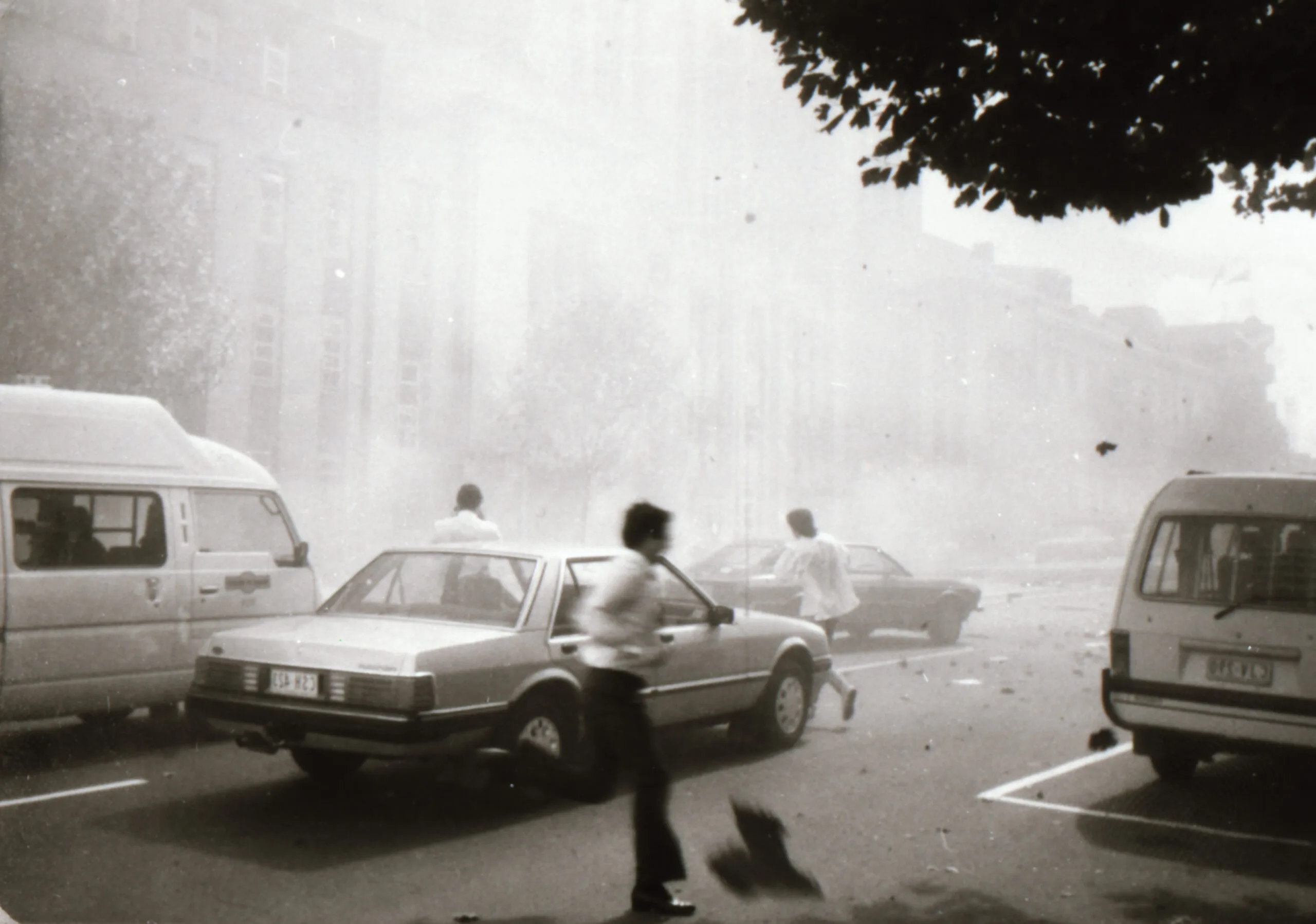
“Then there were the sounds of explosions and this black smoke.”
“My right leg was numb, and when I put my hand down, it went into my leg and touched the bone.”
“I thought s–t, I’m in a bit of trouble here.”
The blast came from a parked car that had been loaded with 50 to 60 sticks of gelignite.
It was enough to blow out the windows at the front of the building and trigger a series of petrol tank explosions in nearby vehicles.
The force of the explosion could be heard across the city, with smoke visible several blocks away.
Carl’s instinct – or adrenaline – kicked in, and he dragged himself the rest of the way to the station.
Once there, a policewoman laid him down, removed her bra and used it as a tourniquet on his leg.
“I couldn’t breathe out of one side.”
“I’d had a punctured lung before, so I knew what it was,” Carl says.
He describes the aftermath as surprisingly swift, with an ambulance racing him away from the warzone-like scene to the hospital.
Carl was one of 21 people injured that day in what turned out to be a car bombing outside the south entrance of Russell Street Police Station.
At the time, such an attack shocked the country.
While terrorism would later become a global concern after the events of 9/11, in 1986, Australians were largely unfamiliar with the idea of explosions or terrorist-style attacks happening on their own soil.
At 1pm in downtown Melbourne, the country received a sudden and frightening awakening.
Constable Angela Taylor, a 21-year-old officer who had graduated a few months ahead of Carl, had been crossing the street to buy lunch when a nearby car exploded, sending a huge fireball towards her.
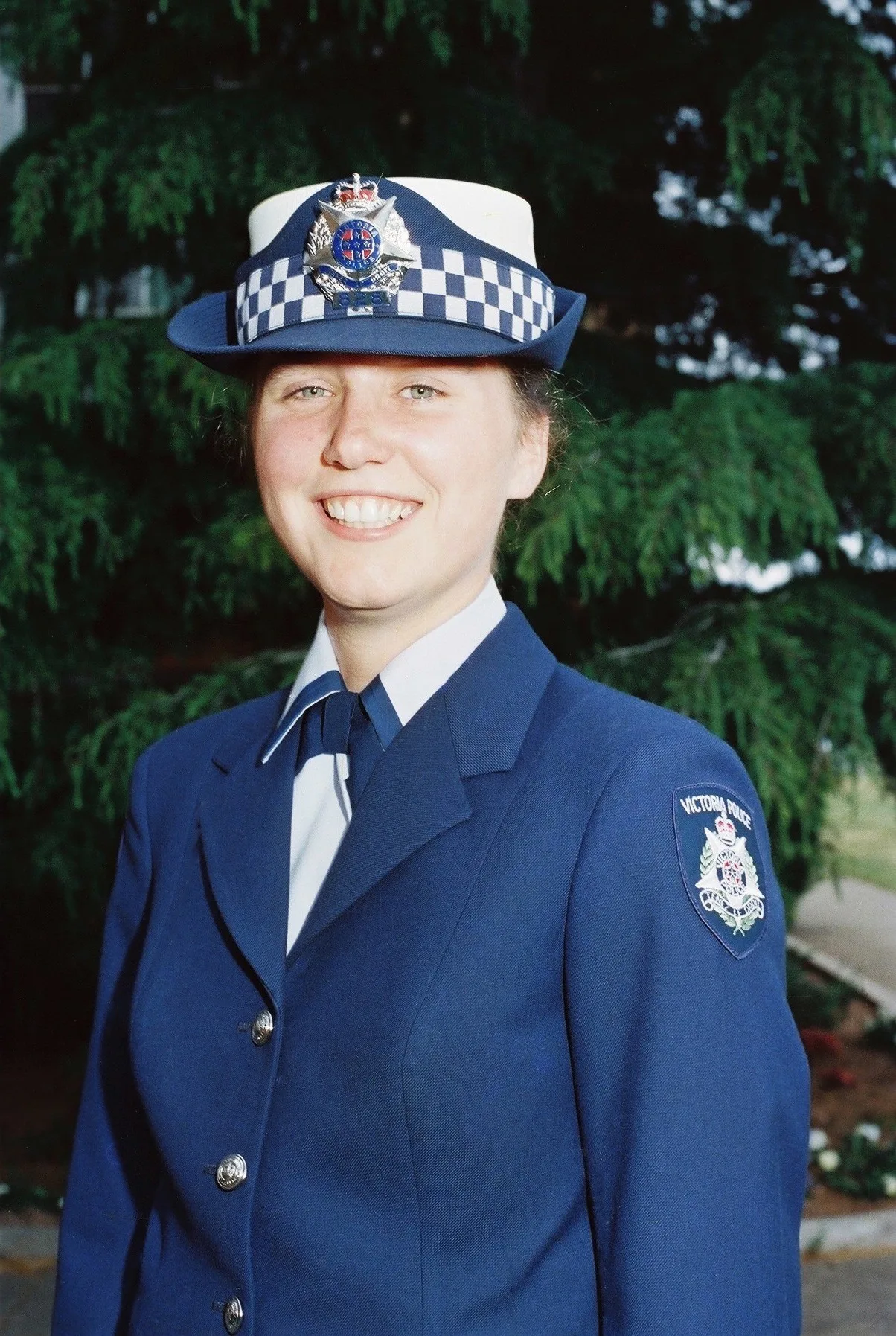
She survived the blast but suffered extensive burns and died 24 days later.
She was the first Australian policewoman to be killed in the line of duty.
“I remember Angela coming into the Royal Melbourne [Hospital] and catching a glimpse before the curtain was pulled,” Carl says.
He never saw her again, as he was whisked into surgery to repair his leg.
Carl had also suffered shrapnel wounds to his kidney and lung.
His foot, knee and buttock also required surgery.
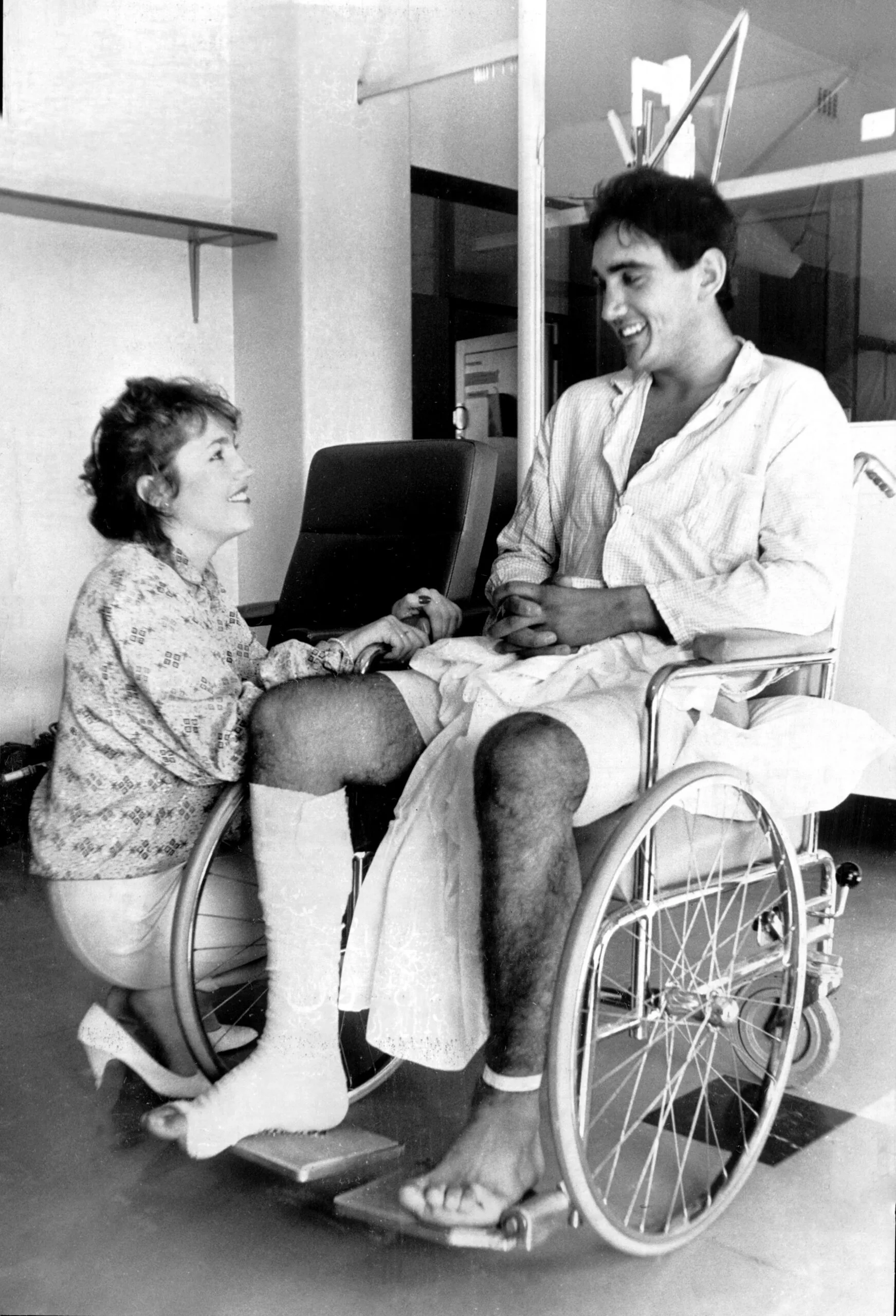
While Carl battled various infections during recovery, Angela died from her injuries less than a month after the attack.
“I was unlucky to be there but lucky to still be here,” he says.
“I was out of action for a while, but Angela lost her life, and her parents lost their daughter.”
I was determined to be at her funeral and, as you can imagine, that was very emotional.”
It took three months before Carl could return to light duties at work and another three before he resumed his traineeship.
“It was a different time, and there were no psychologists then,” he says, adding that he feels fortunate to have escaped the incident mentally unscathed.
Many other police officers did not, with their PTSD only being recognised in more recent years.
“People deal with things in their own way,” Carl says, adding that he simply “got on with things”.
He went on to spend another 14 years with the police before moving into security consulting.
With the 40-year anniversary of the bombing this month, Carl will be remembering Angela and what happened that day.
“Angela lost her life, and we should never, ever forget that,” he says.

