

Like any good first birthday party, there were balloons, cake and youngsters toddling about in the sunshine.
It was mid-2015 and Nina Clark and her young family were at Sydney’s Centennial Park to celebrate her friend, Charisse Orford’s son turning one.
Nina and Charisse were old university pals. Everyone thought the party was a normal, happy event. But unbeknown to Nina it would be the last time she’d see her friend.
“Charisse looked fine,” Nina, 45, tells New Idea. “But she was in hospital soon afterwards and she died three months later.
“I tried to visit and wish I had been able to, but she was very unwell.”
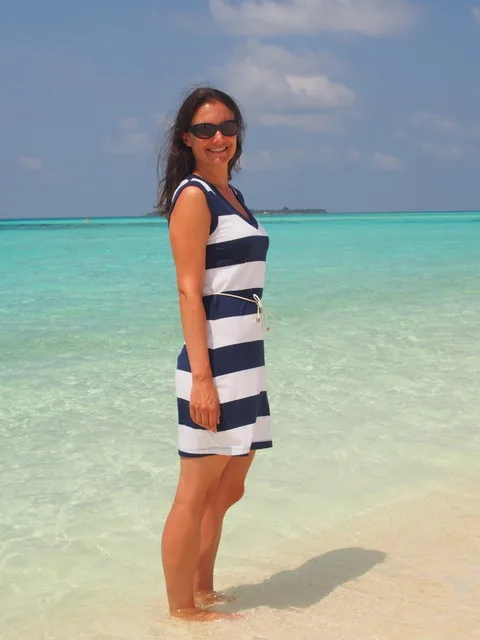
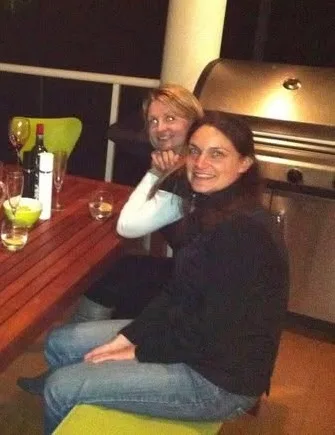
Charisse was diagnosed with stage 4 bowel cancer, discovered only when it spread to her liver and lungs. Her anaemia, which can be an early warning sign, was never fully investigated.
By the time the tumours in her bowel were found it was too late.
“She was 35,” Nina says. “At that time, bowel cancer was thought to be something much older people had and she was so young. I thought about her a lot in the years after that.”
In fact, Charisse was the first person Nina thought about when, after going to the toilet in August 2019, she noticed blood in the bowl.
“I knew something wasn’t right and it needed to be checked,” she says.
At 39, Nina wasn’t in the danger age range for the disease, but she immediately made an appointment with her GP for a colonoscopy.

The specialist initially told her it was most likely haemorrhoids, and they could keep an eye on it.
“I explained I’d lost a friend to bowel cancer because it was diagnosed too late,” Nina says.
“[The specialist] was silent for a while and then agreed, for my peace of mind.”
It was the sliding doors moment that likely saved Nina’s life. Her colonoscopy results revealed a cancerous polyp, or growth, in her bowel.
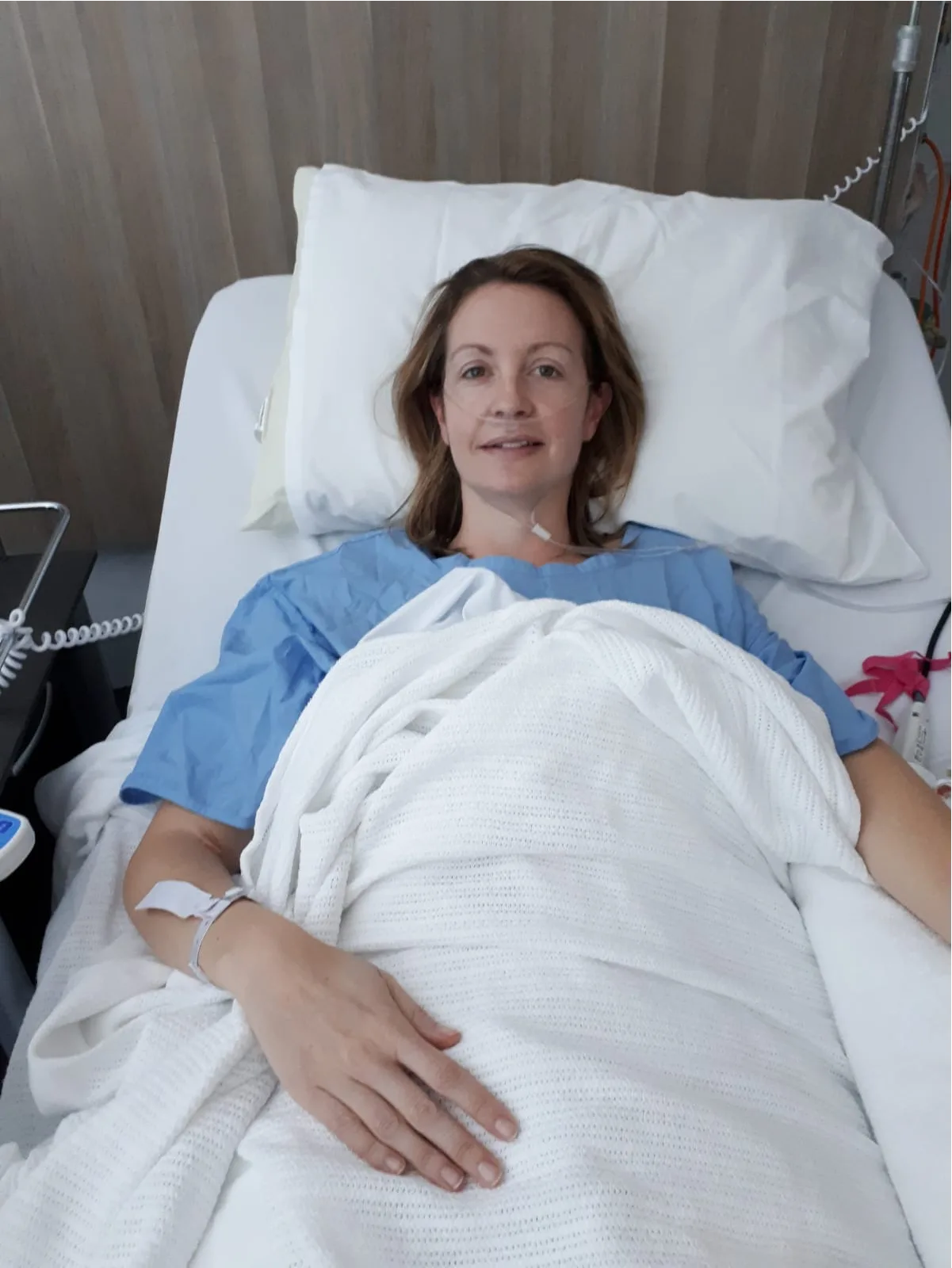
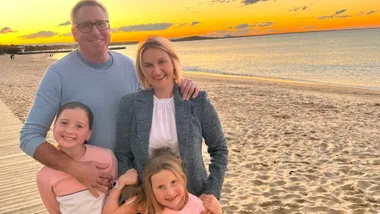
“It hits you like a train hearing that,” shares Nina, who is mum to sons Michael, 12, and Joshua, nine.
“It felt like history repeating itself and I thought I was going to have to write my will.
“My husband dropped the kids with a neighbour and came to the hospital. I needed a CT scan to see if it had spread. We didn’t sleep a lot that night.”
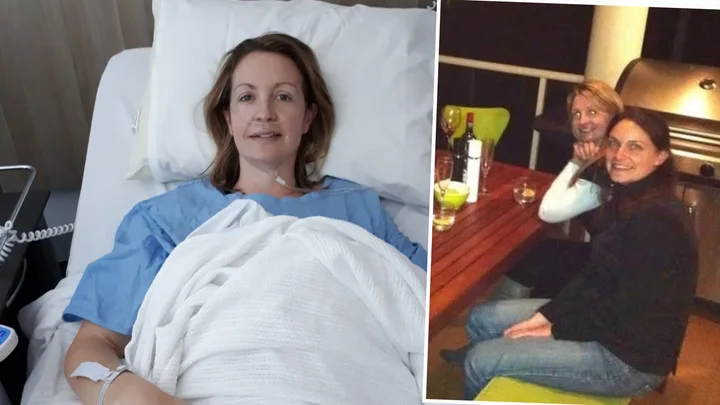
Luckily Nina’s cancer was contained. A week later she was admitted to the Sydney Adventist Hospital for robotic keyhole surgery to remove the affected section of her bowel.
“My lymph nodes were clear so I didn’t need chemotherapy,” Nina says.
“My doctors wanted to watch me very closely with regular blood tests and a CT scan every year. They were all amazing.”
That was five years ago. Nina is now officially cancer free, something she attributes largely to Charisse.
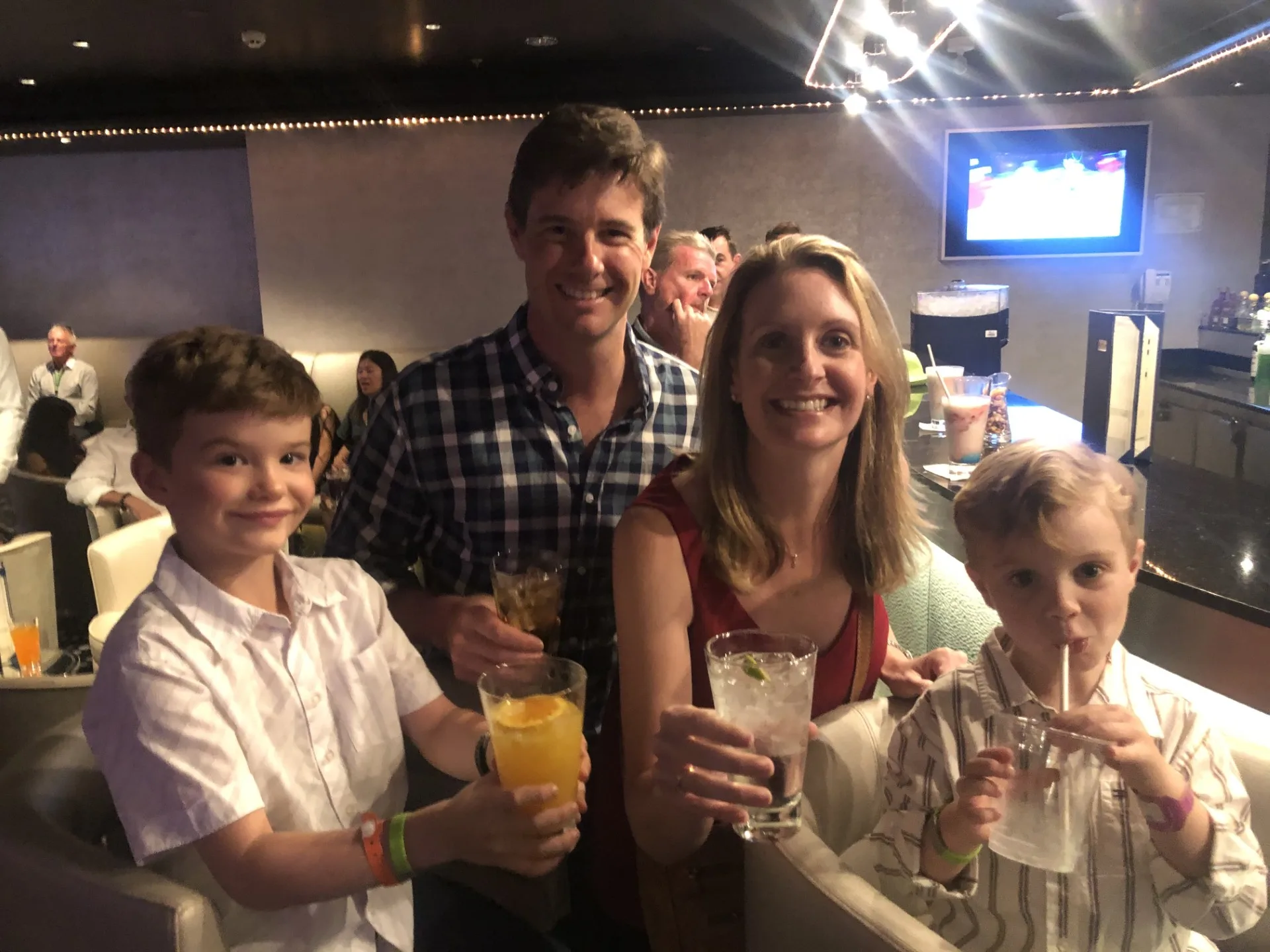
“I was chatting to her mum and husband recently and saying how Charisse is such a large part of my story,” Nina says.
“If I hadn’t had the colonoscopy when I did, I could have died.”
Strongly advocating for yourself is something Nina wants to drill into everyone.
Australia has the highest rate of early-onset bowel cancer in the world.
With more than 1700 people under 50 diagnosed each year, bowel cancer is no longer seen as an older person’s condition.
For more information about bowel cancer, including symptoms to look out for, visit bowelcanceraustralia.org

