


NEED TO KNOW
- Pamela Doyle, 83, has been delivering Meals on Wheels for 25 years.
- Rising fuel costs are forcing volunteers to adapt or reduce deliveries.
- Meals on Wheels provides not just food, but essential companionship to older Australians.
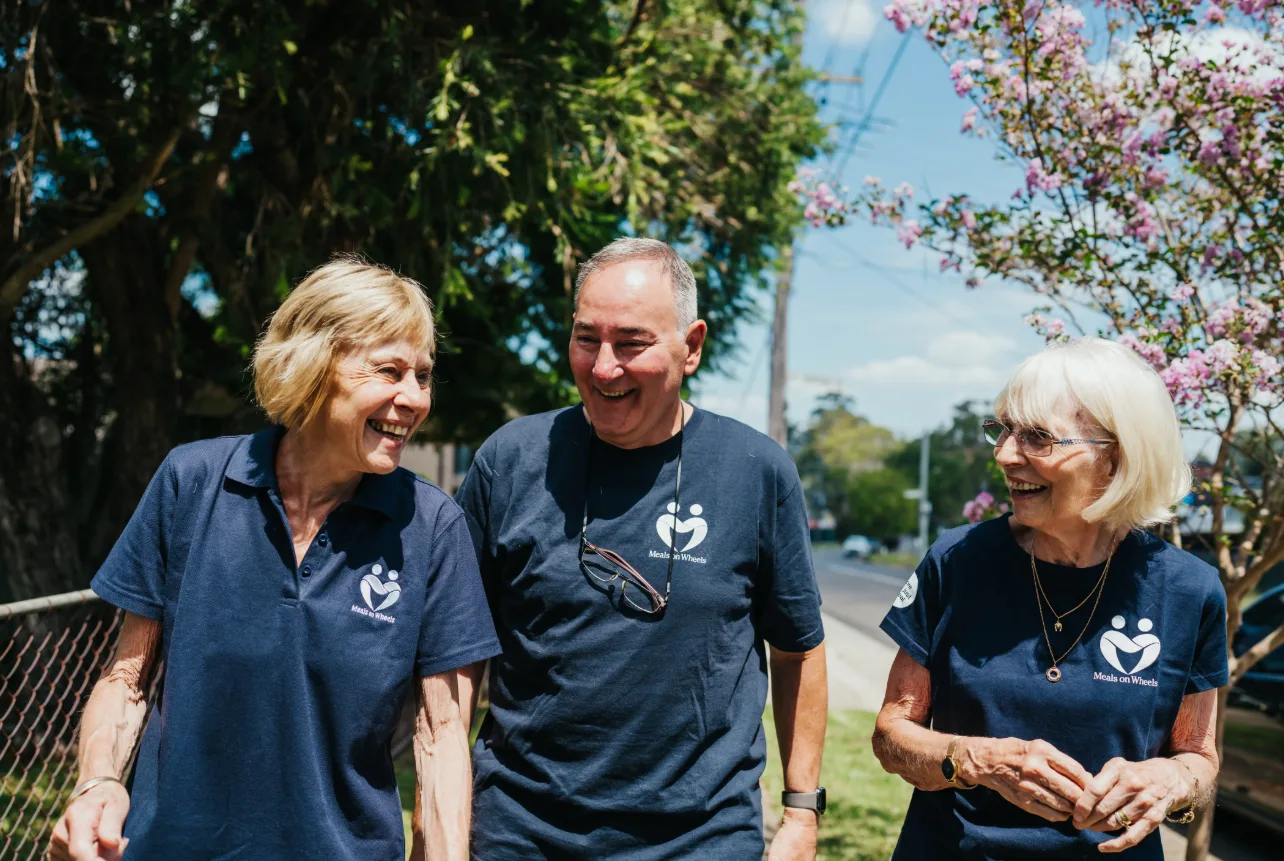
Pamela Doyle, 83, has been delivering meals to older Australians for 25 years.
She starts her mornings the same way every day – getting into her car, planning her route, and visiting clients who rely on Meals on Wheels not just for food, but for companionship.
“It gets me out of bed in the morning. It keeps me exercised,” she says.
“If I didn’t have Meals on Wheels, what would I do? I’d sit around the place and get slow.”
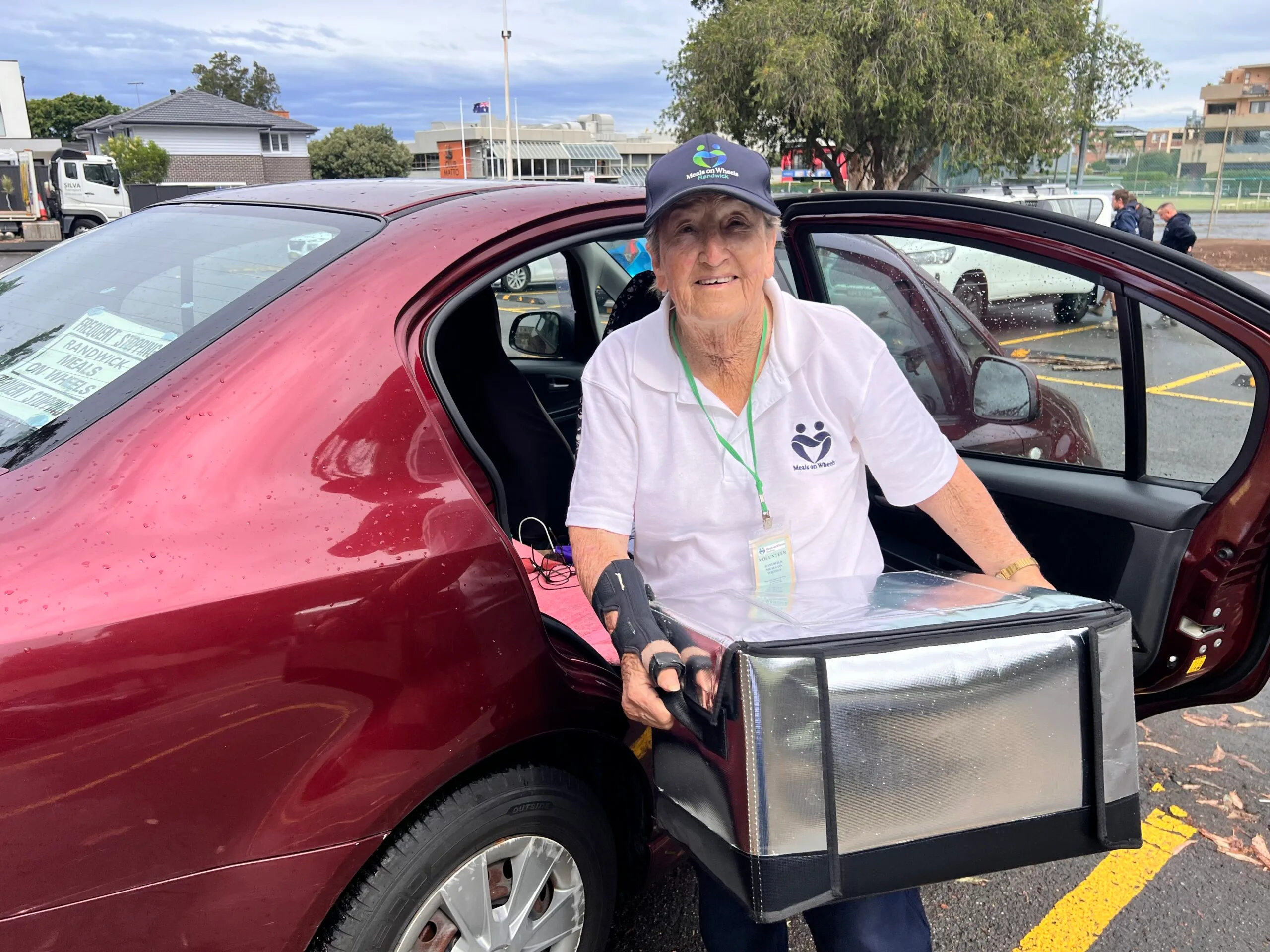
For Pamela, the role is deeply personal.
Many of her clients live alone, and she makes a point of speaking with each person, even if only for a few minutes.
“There are those that don’t have anybody to talk to at all,” she says.
“So with us, we try to talk to them, even if it’s only a few minutes – at least it gives them contact with people.”
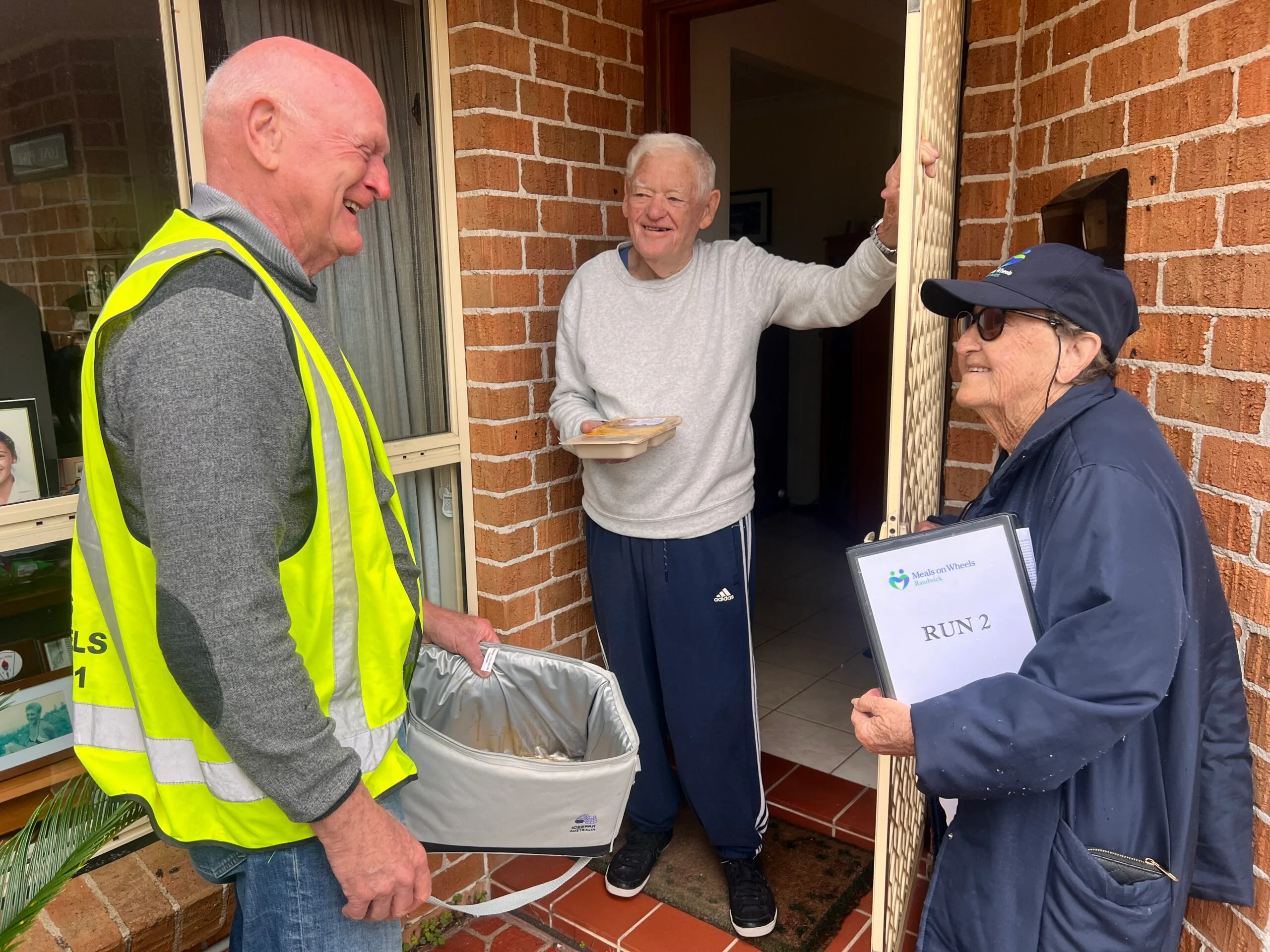
Now, rising fuel prices are making that simple act of kindness harder to sustain.
Across Australia, more than 35,000 volunteers deliver meals using their own vehicles.


Paul Sadler, chair of Meals on Wheels Australia, says the impact is being felt nationwide.
“The increased cost of fuel is placing pressure on them,” he explains.

“Many of our volunteers… donate not only their time, but their vehicle and the costs of running it.”
As Paul mentions, around half of volunteers already claim reimbursements, and more are considering cutting back.
“They’re telling us they might have to withdraw from delivering as frequently as they usually do,” he says.
In regional areas, where distances are longer and fuel access can be limited, he warns this “absolutely places the provision of the service at risk.”
For Pamela, the pressure shows in her weekly budget.
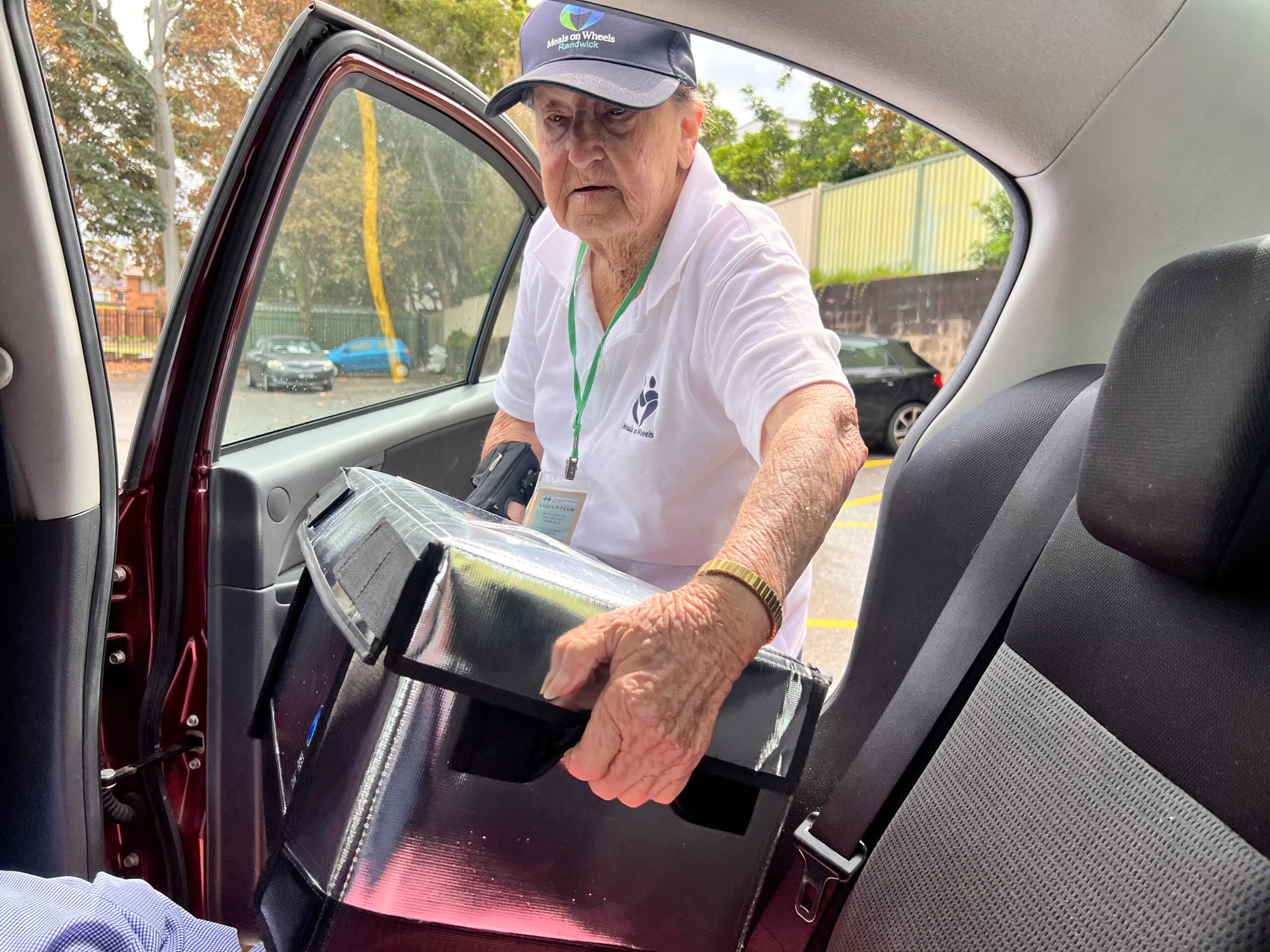
“My regular fill-up would be $62… the other day it was $76,” she says.
“When you’re on a pension, that’s quite a rise.”
She has adapted where she can.
“I let the car coast to red lights, and I take off at a slow manner… that way I’m saving petrol,” she says.
If costs rise further, she’s prepared to cut back on her own meals.
“I can always drop myself off a couple of meals, don’t buy as many meals as normal. And that way I can put more petrol into the car.”

Behind the scenes, Meals on Wheels has raised these concerns directly with the government.
While there is growing awareness – and questions being asked in Parliament – there has been no immediate commitment to financial relief, with further discussions ongoing.
Pamela believes that the real cost isn’t financial – it’s human.
When volunteers are stretched, delivery runs are combined and visits become shorter.

She feels that strain every day.
“When you’ve got to do a lot of visiting, you can’t always stop and talk,” she says.
“And it’s not nice if you go and give somebody a meal, say, ‘here’s your meal, bye.’”
Paul says that human contact is at the heart of Meals on Wheels, distinguishing it from commercial services.

“That human contact element is obviously being reduced if we reduce the number of days that we deliver,” he says.
Volunteers and the organisation are calling for increased government support.
Without intervention, services may have to scale back, leaving some clients without meals.
In the worst-case scenario, Paul warns, “people actually miss out on food being delivered entirely.”
For Pamela, the thought is unimaginable.
She has seen fellow volunteers strain under the rising costs.
“If it keeps on the way it’s going, they will stop,” she says.
Still, she keeps going – driven by the people behind every door.
“People have to eat,” she says.
“And if I can help them, then I will. That’s what matters.”

