

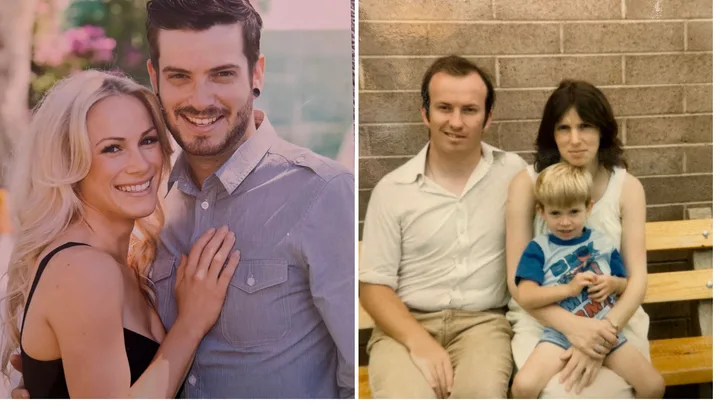
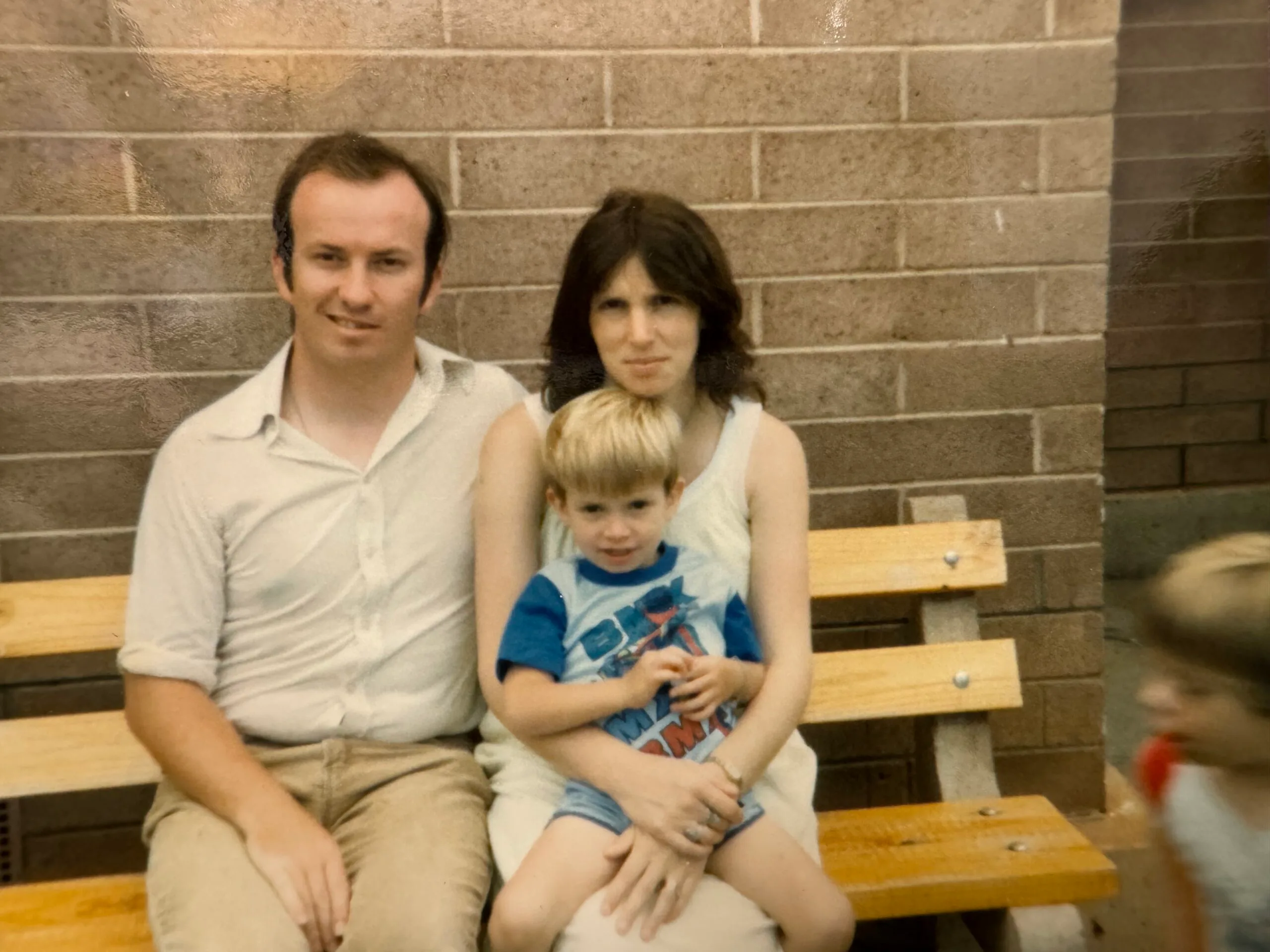
Tristan Stanley was 10 when his parents received a phone call from the hospital.
“Both of your boys have tested positive for hepatitis C”, they were told.
There was no apology, no real explanation. It was just stated as fact.
It was July 1990 and, around Australia, up to 20,000 people who received regular blood transfusions for conditions like haemophilia received the same devastating news.
Many were hearing the even worse news they’d contracted HIV through infected blood they’d been given in routine transfusions.
It erupted into the medical scandal that 30 years on Tristan is still fighting and, with a full senate inquiry due to report in July 2027, is only just facing official scrutiny and potential justice.
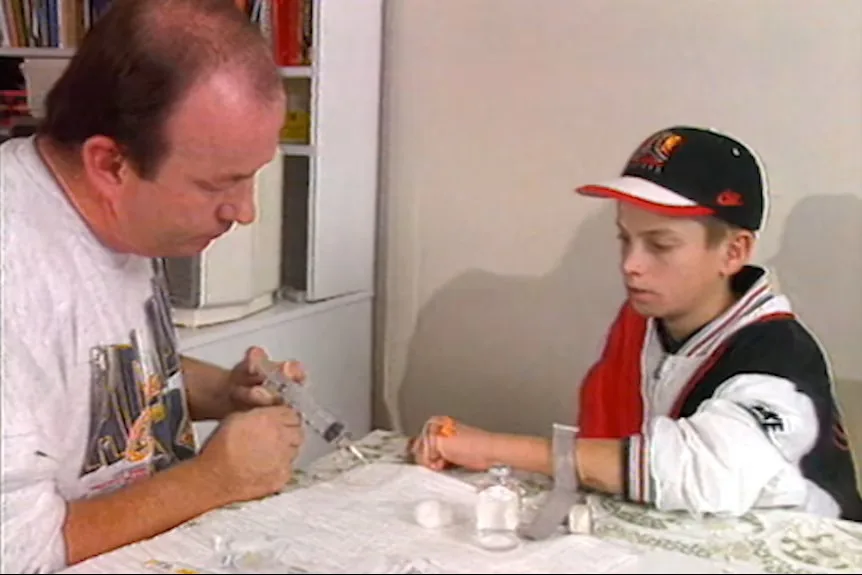
“I was diagnosed with haemophilia at about 18 months,” Tristan, now 45, from Adelaide, tells New Idea, explaining that his blood doesn’t naturally clot.
The condition puts sufferers at risk of serious internal bleeding and, without an injected blood product, Tristan’s life expectancy was low. But then, at age six, Tristan started feeling tired all the time, and his glands were swollen.
“The doctor put it down to ‘poor behaviour’ and ‘staying up all night ’, but when we got my medical notes from around then, it showed he believed I’d been exposed to hepatitis C. He never mentioned it to my parents,” Tristan says.
When he was diagnosed four years later, Tristan says it ruined his family’s life. Decades on, even after treatment to clear him of the virus, Tristan lives with its lifelong effects, including lost work opportunities and threat of future liver cancer.
It’s something Michelle Ball, from Redland Bay, QLD, has lived through with her husband, Greg.

“It was 1997, and Greg was 37 when he was diagnosed with hepatitis C from an infected blood transfusion. There was no apology, no compensation and no information,” Michelle, 62, says.
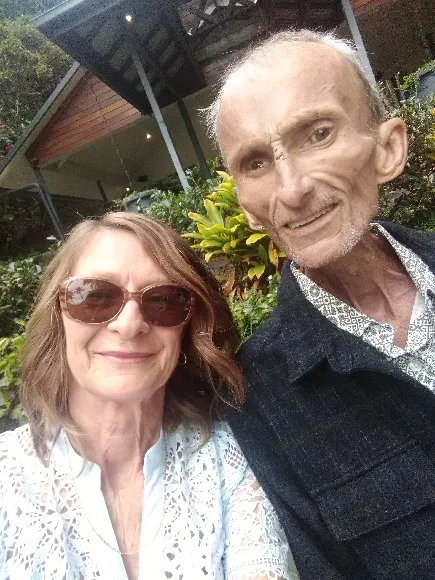
“We lost our business and our house because he couldn’t work. He was so unwell.”
Greg passed away from liver cancer in August 2024, a direct result of the hepatitis C. Since then, his family has been left to fend for themselves.
Unlike in the UK and other countries, which also saw tens of thousands affected by the infected blood products and developed compensation schemes, Australia has never held a meaningful inquiry.

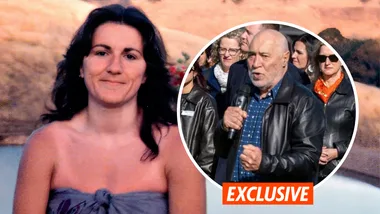
“In 2004 there was a four-day hearing [into the scandal]. Looking at it now, I’m shocked by how one-sided it was,” Tristan says.
It found financial compensation was “not in the best interests” of those infected. For years Tristan, and fellow sufferer Tony David, have spent every moment investigating the scandal and pushing for another inquiry.

Now, after all their hard work, it’s finally happening.
“It’s a huge team effort and I’m relieved and proud,” Tristan says.
“It’s an undeniable case. What happened is all there and very clear … there are awful stories which need to be told.”
Michelle agrees and just wishes Greg was here to see it.
“We deserve a proper senate inquiry; not one of four days,” she says. “We all deserve answers and I’d love to be able to leave my kids something after everything they’ve been through with their dad.”
Tristan’s story features on Australian Story, available on ABC TV and ABC iview.


Share this post