


A beautiful green lawn is one almost every gardener aspires to and when it goes wrong, it can be heartbreaking.
Getting on top of fixing grass issues before they become problems is the best plan of attack for a bowling green-like lawn.
The best tools to fix your lawn problems
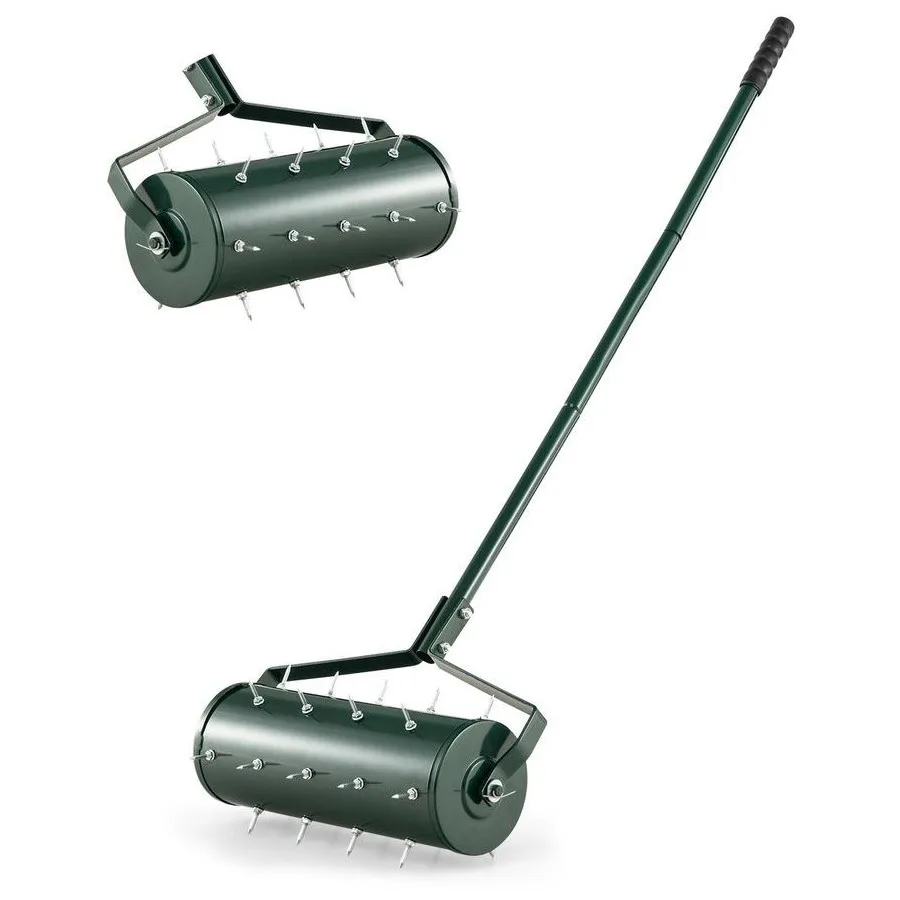
Costway Manual Rolling Lawn Aerator
$49.95 at Amazon
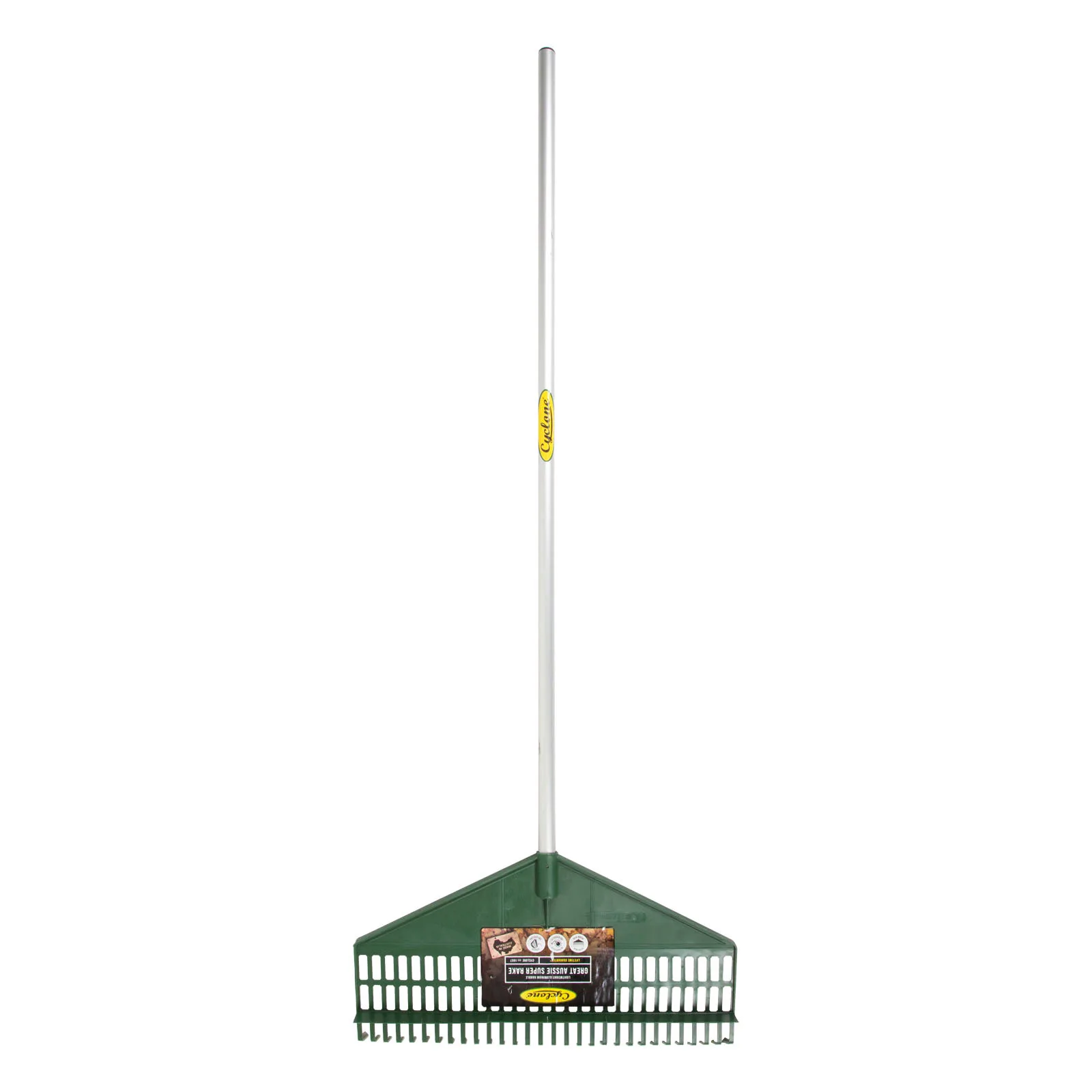
Cyclone Super Garden Rake
$24.50 at Bunnings
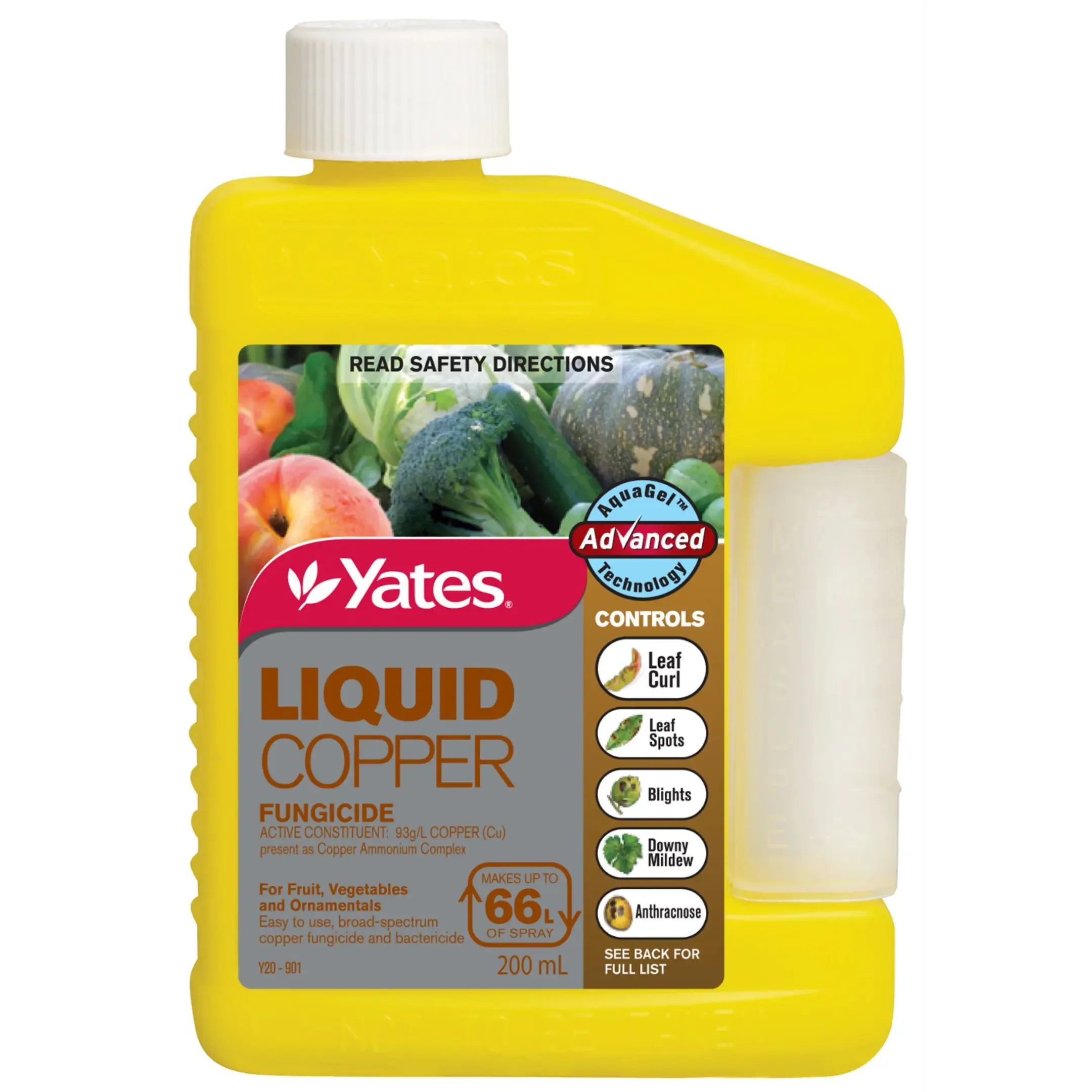
Yates Liquid Copper Fungicide
$25.70</strong> at Yates
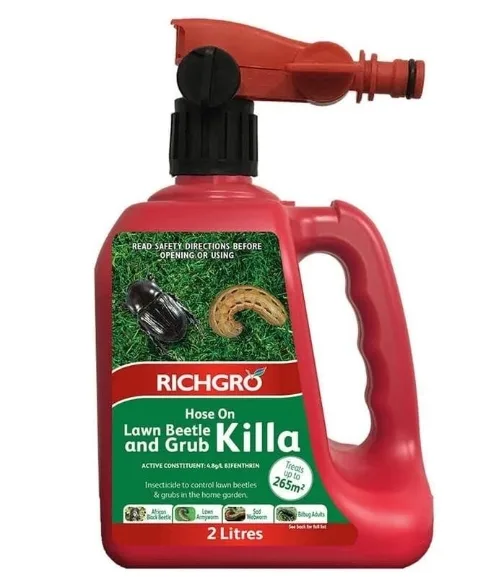
Richgro Lawn Beetle and Grub Killa 2 Litre
$21.00 at Amazon
Start by looking up
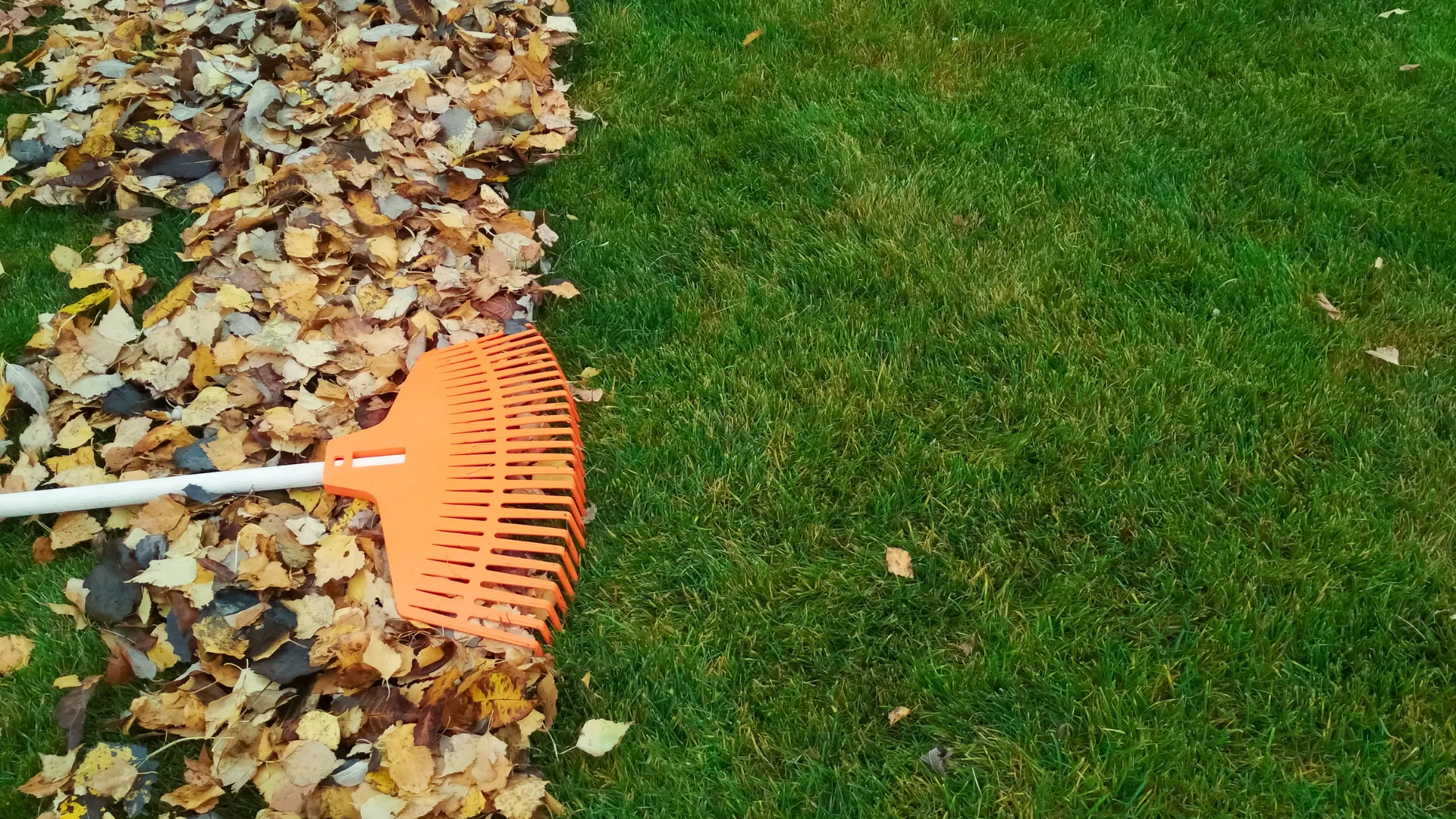



If your lawn doesn’t get six hours of direct sunlight it will become sparse, opening it up to various issues.
Prune tree canopy cover to allow as much light through as possible and keep up the raking to remove any leaf litter or other things that can shade the grass.
Mow weekly
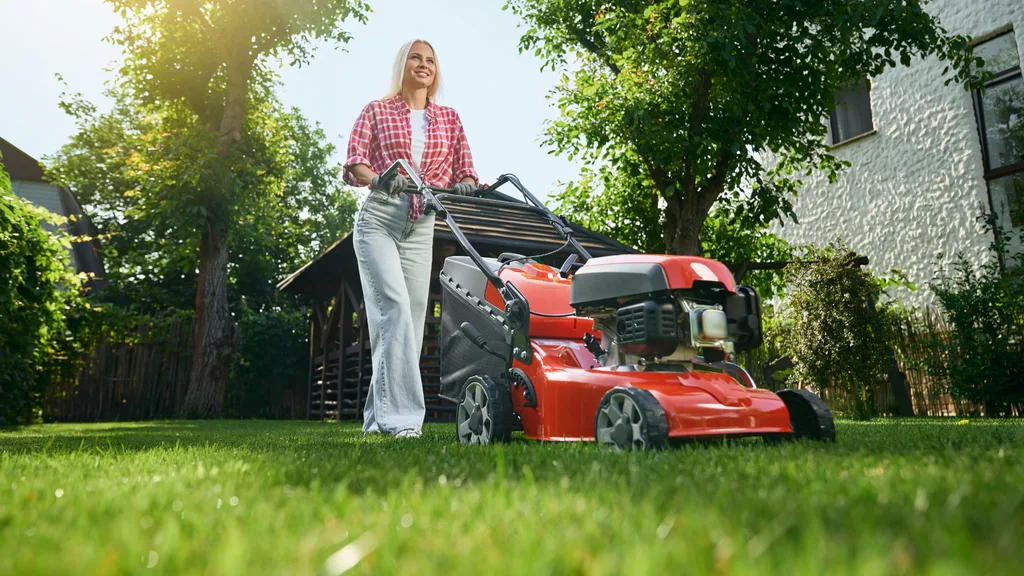
Taking up a regimen of mowing once a week will help build a strong dense lawn that grows flat rather than up – giving you a professional golf-course finish. Fixing your grass will be a breeze if you take preventative care!
A healthy lawn is a dense lawn that will outcompete most weeds, so fertilise at the beginning of each growing season (don’t waste your time and money in winter as your lawn isn’t growing then).
If weeds do find their way in, use a selective herbicide that targets weeds only.
Make sure to aerate
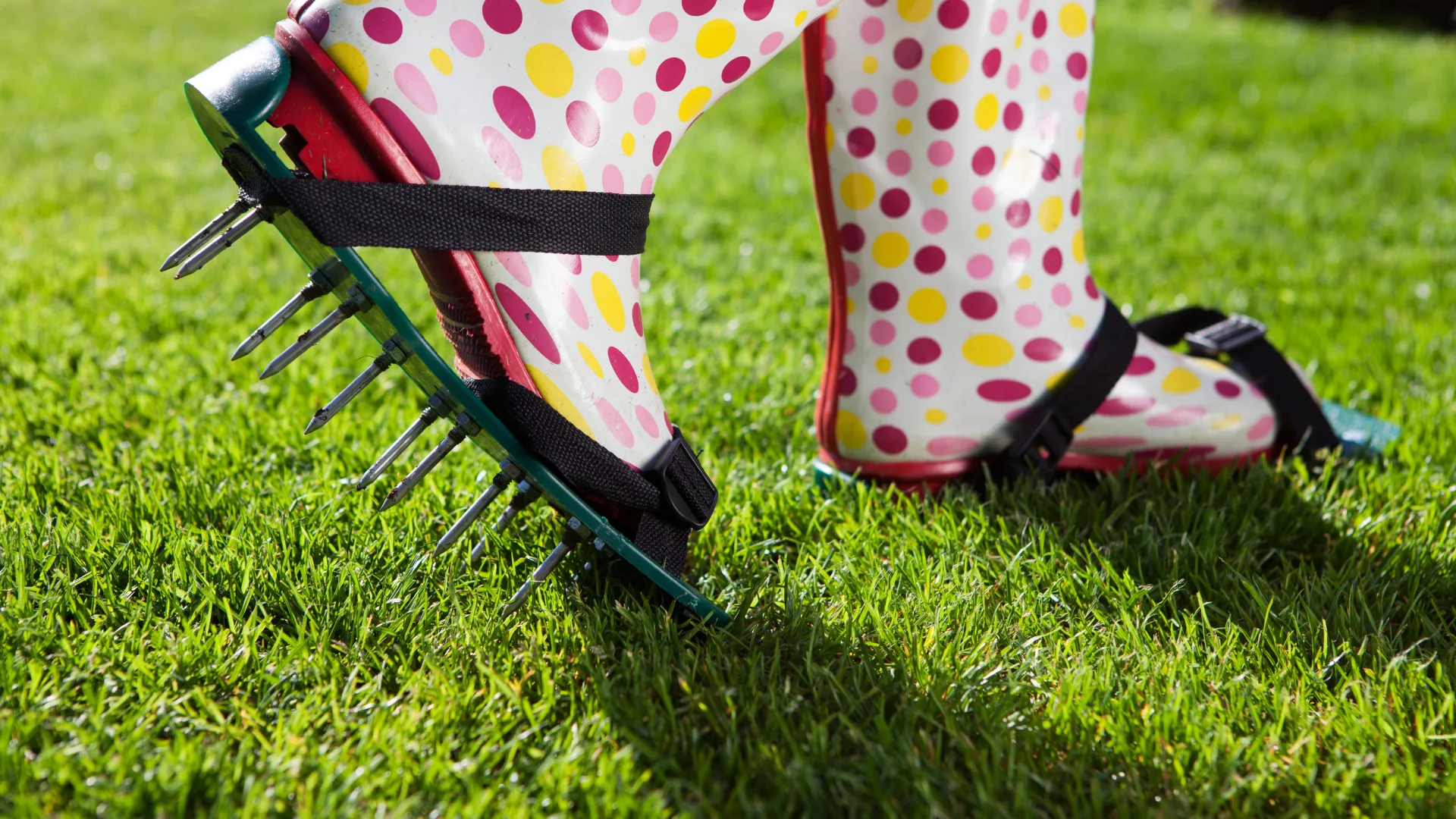
Poor drainage is a killer for every lawn variety – if the rain can’t get away, your lawn can go from green to brown very quickly.
If you have compacted soil as well, this can happen in an instant.
Luckily, both can be fixed by aeration, either hire a coring machine for larger lawns or use a garden fork plunged in the soil to fracture the subsurface and allow water to drain.
Once aerated, top dress your lawn with a coarse sand as this will prevent the new holes from collapsing and maintain good drainage.
Watch out for grubs
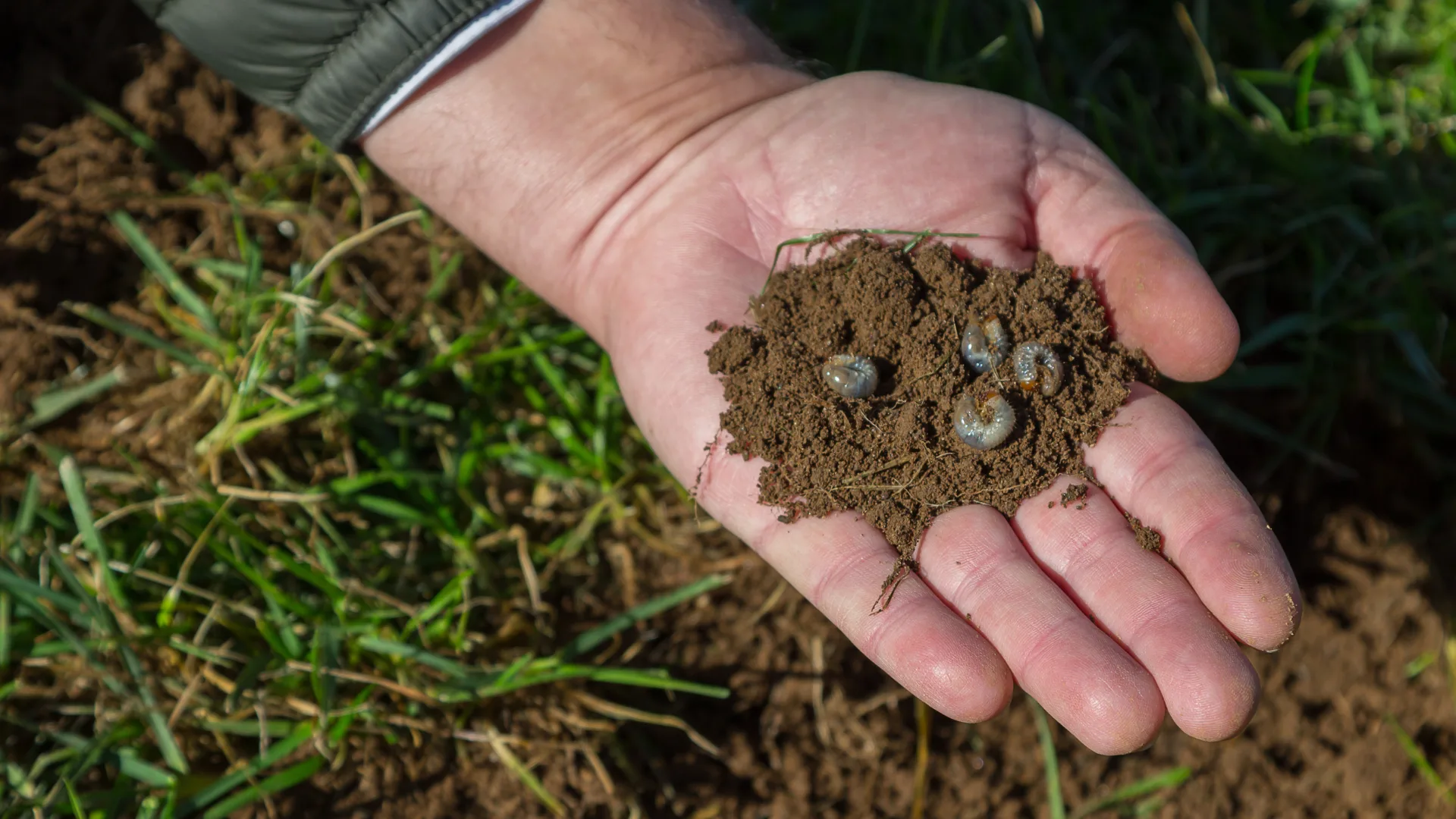
Lawn grubs can decimate turf and cause irreversible damage – you may see small brown spots that turn into larger dead circles as a giveaway of their presence.
The biggest issue is once you notice them, it’s often too late.
To check for grubs, pour a bucket of soapy water over the lawn – lawn grubs will quickly find their way to the surface within 30-60 seconds.
If you have grubs, act fast with a grub killer. If not, a preventative pesticide will protect your lawn for up to six months.
Fight fungus
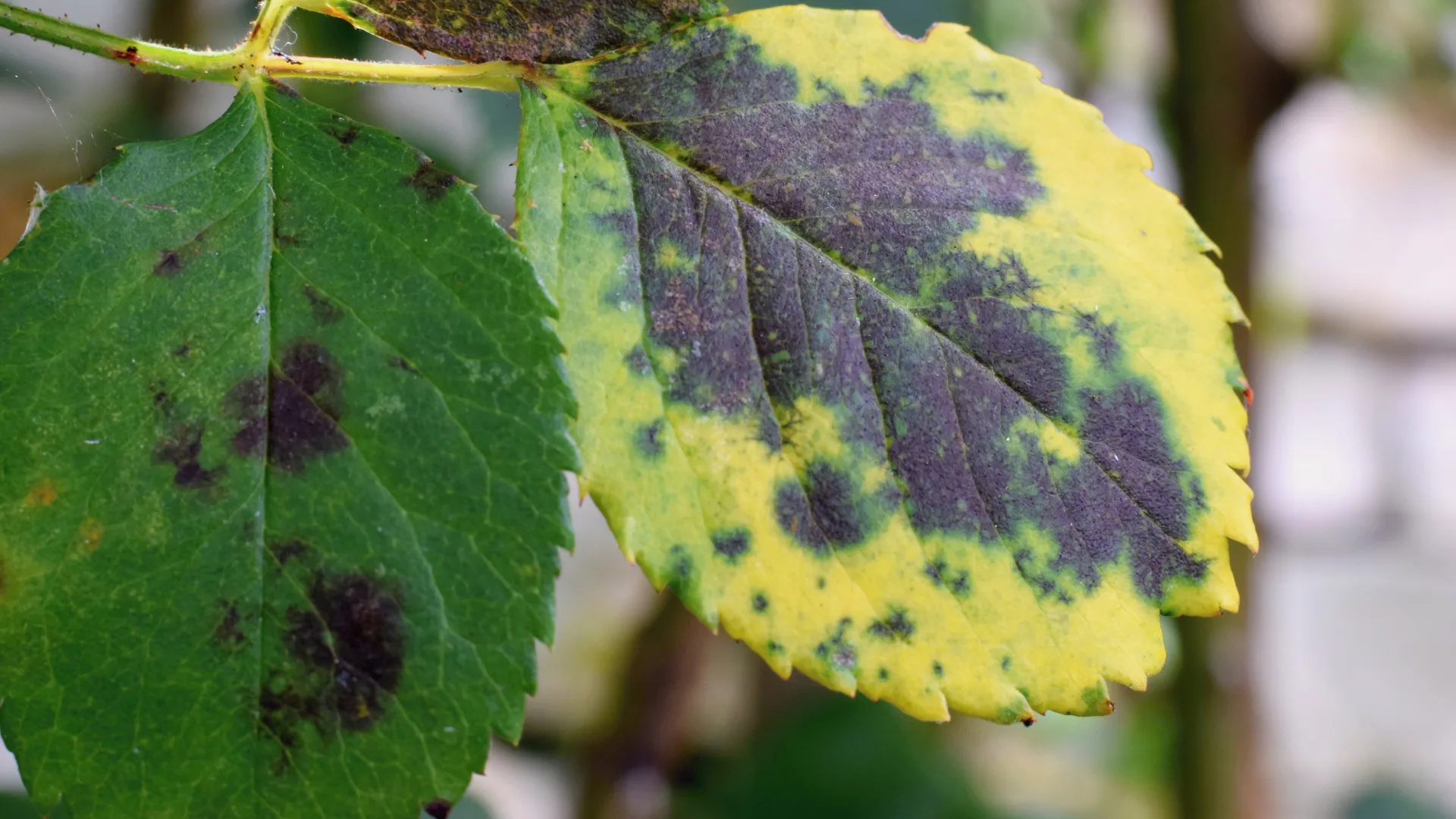
Fungal issues will be seen as spots the size of a coin all over the lawn or even as brown spotting of the leaves.
Copper-based fungicides will fix them up, but dethatching once a year is a better preventative action.
I like to dethatch when I aerate yearly in early spring, finishing off with a dose of fertiliser for problem-free lawn loving throughout the warm summer and autumn months.

